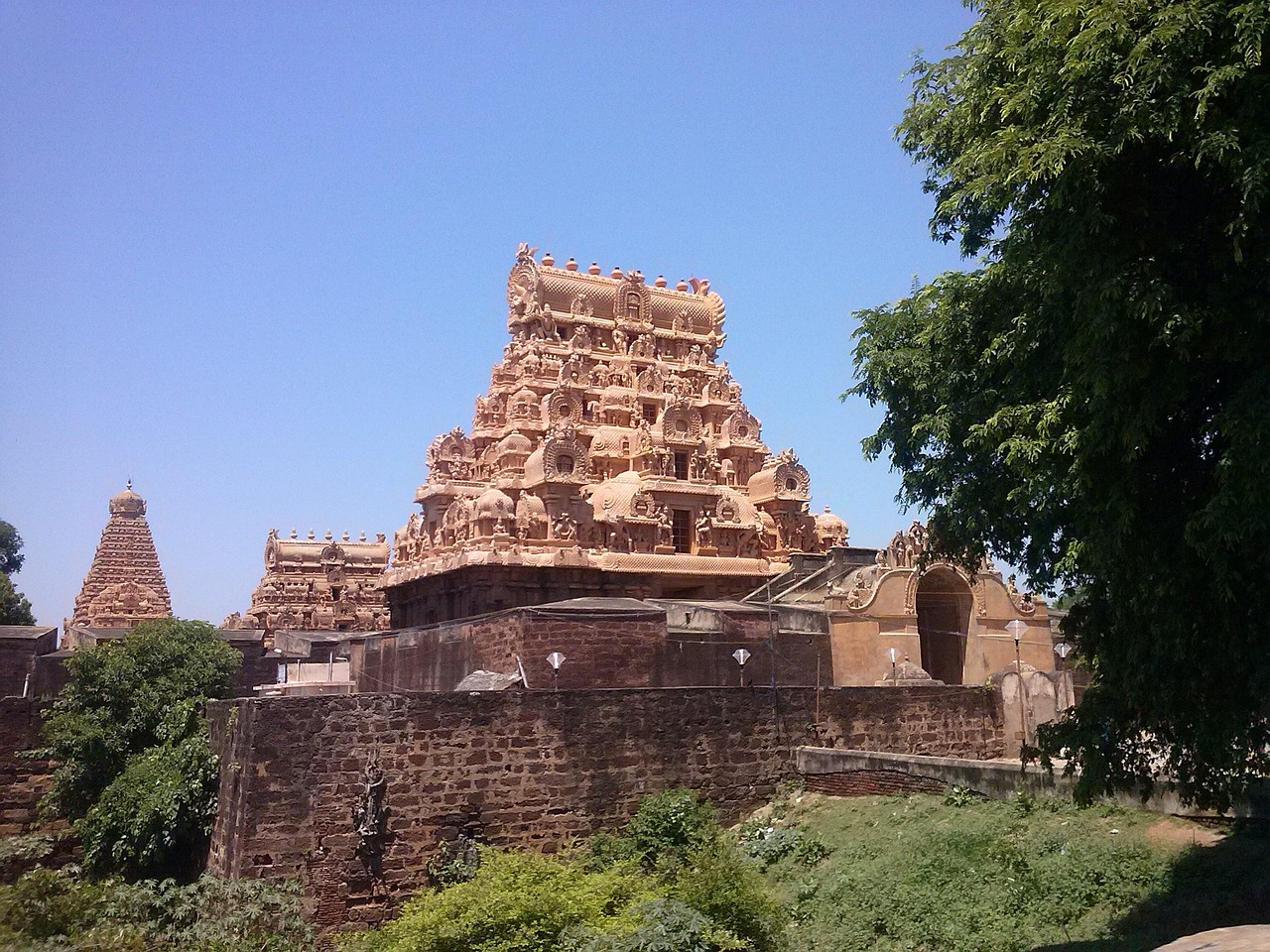
10 Days South India Itinerary
This 10-day itinerary explores the cultural heart of South India, from the historic city of Chennai to the backwaters of Kerala. It balances iconic landmarks with local experiences, offering a taste of the region's diverse heritage and natural beauty.
Duration
10 days
Budget
$1000-2000
Best Time
The best time to visit South India is from October to March, when temperatures are pleasant and humidity is lower
Activities
34
Daily Avg
$150/day
Cities
Chennai (1d), Chennai to Mahabalipuram (1d), Mahabalipuram to Pondicherry (1d), Pondicherry (1d), Pondicherry to Madurai (1d), Madurai (3d), Alleppey (2d)
Pace
Moderate
South India offers a vibrant tapestry of ancient temples, serene beaches, and lush landscapes. It's a cultural immersion with diverse traditions, delicious cuisine, and a welcoming atmosphere, making it an unforgettable travel experience.
Your itinerary covers 8 of 12 must-have experiences
Ancient Temple Pilgrimage
Day 5: Meenakshi Amman Temple
Serene Backwater Houseboat Cruise
Day 9: Backwater Cruise
Aromatic Spice & Tea Plantation Tour
Day 7: Spice Plantation Tour
Dravidian Coastal Fort Exploration
Day 1: Fort St. George
Vibrant South Indian Street Food Trail
Day 4: Pondicherry Museum
Wildlife Safari in the Western Ghats
e.g., Bandipur National Park, Periyar National Park
Classical Dance & Art Performance
e.g., Kathakali Performance (Kerala), Bharatanatyam Performance (Chennai)
Beach Relaxation & Water Sports
Day 2: Lunch at Moonrakers
Royal Palace & Heritage Walk
Day 3: French Quarter Walk
A Local Market & Artisan Shopping
Day 6: Visit the local markets
Hill Station Retreat & Scenic Viewpoints
e.g., Ooty (Nilgiri Hills), Kodaikanal (Palani Hills)
Ayurvedic Wellness & Spa Retreat
e.g., Somatheeram Ayurveda Village (Kovalam), Niraamaya Retreats Surya Samudra (Kovalam)
South Indian cuisine is a vibrant tapestry of flavors, primarily vegetarian-friendly, with rice as a staple. Expect an abundance of spices, lentils, and coconut in various forms. From dosas to biryanis, the region offers a diverse and delightful culinary journey.
Must-Try Dishes
A crispy, thin crepe made from fermented rice and lentil batter, filled with a spiced potato mixture. It's a classic South Indian breakfast and a must-try.
📍 Any local restaurant or street food vendor, especially in Chennai and Bangalore.
Steamed rice cakes (idli) served with a lentil-based vegetable stew (sambar). A light and healthy breakfast option.
📍 Ubiquitous in South Indian restaurants and tiffin rooms.
Savory fried doughnuts made from lentil flour. Often served with sambar and chutney.
📍 Street food stalls and South Indian restaurants.
A fragrant rice dish cooked with meat (chicken, mutton, or beef) or vegetables, spices, and herbs. Each region has its own unique style of biryani.
📍 Specialty biryani restaurants, particularly in Hyderabad (Hyderabadi Biryani) and Dindigul (Dindigul Biryani).
Food Neighborhoods
Known for traditional South Indian sweets and snacks.
Known for a mix of cuisines, including South Indian, and upscale dining.
Known for Irani cafes and Hyderabadi cuisine.
Known for seafood and fusion cuisine.
South India is a paradise for vegetarians, with most restaurants offering extensive vegetarian options. Vegan options are also increasingly available, but it's best to inquire about dairy usage. Halal meat is widely available, especially in Muslim-majority areas like Hyderabad. If you have allergies, always inform the restaurant staff before ordering.
Eating with your right hand is common, especially when eating rice-based dishes. Do not use your left hand for eating. It's polite to wait for everyone at the table to be served before starting to eat. Tipping is not mandatory, but rounding up the bill is appreciated for good service.
Pongal
JanuaryA major harvest festival celebrated in Tamil Nadu. Expect vibrant celebrations and potential travel disruptions.
Onam
August-SeptemberA significant festival in Kerala, featuring boat races, cultural performances, and elaborate feasts.
Ugadi
March-AprilNew Year's Day for Andhra Pradesh, Telangana, and Karnataka. Celebrations are generally family-oriented.
🛣️Interesting Detours & Side Trips
- 🚶Take a taxi or auto-rickshaw from your hotel in Mylapore to Fort St. George.$5
9:00 AM - Fort St. George
Visit this historic fort, the first English fortress in India, now housing a museum with artifacts from the British Raj. Arrive early to avoid the heat.
Book on Klook - 🚶Take a taxi or auto-rickshaw from Fort St. George to the Government Museum.$3
11:30 AM - Government Museum Chennai
Explore a vast collection of art, archaeology, and numismatics. The Bronze Gallery is a highlight. Allow at least 2 hours.
Book on Klook - 🚶Take a taxi or auto-rickshaw from the Government Museum to Murugan Idli Shop.$5
2:00 PM - Lunch at Murugan Idli Shop
Enjoy authentic South Indian vegetarian cuisine, especially the idli and dosa. A local favorite.
🍽️Create Custom ItineraryAdd restaurants for Lunch
Get personalized restaurant recommendations
Create a free custom itinerary to add hotels and restaurants
- 🚶Walk or take a short auto-rickshaw ride from Murugan Idli Shop back to Kapaleeshwarar Temple in Mylapore.FREE
4:00 PM - Kapaleeshwarar Temple
Witness the vibrant Dravidian architecture of this ancient Shiva temple. Dress modestly and be respectful of local customs.
Book on Klook
Mylapore
Close to cultural attractions and temples, offering a traditional Chennai experience.
📅 Best Time to Visit
The best time to visit South India is from October to March, when temperatures are pleasant and humidity is lower. April and May are intensely hot and humid, making travel uncomfortable, especially outside of hill stations. June to September brings the monsoon season, offering lush green landscapes and fewer crowds, but also heavy rainfall and potential travel disruptions. Major festivals like Onam (Kerala) and Pongal (Tamil Nadu) often fall between August and January, offering cultural insights but also potentially higher prices and crowds.
During the peak season, South India experiences warm and sunny days with comfortable humidity levels. Evenings are generally cooler, making it perfect for exploring the region.
October to March is the peak season due to pleasant weather and lower humidity, making it ideal for sightseeing and outdoor activities.
National holidays can result in higher prices and increased crowds. Check the local calendar before traveling.
Getting Around
Diverse options from auto-rickshaws to metro systems in major cities
Metro cards available per city
Use Uber/Ola for hassle-free rides. Book trains via IRCTC app well in advance.
Travel
$200-400 (Intercity transport, local taxis)Accommodation
$300-500 (Moderate hotels, guesthouses)Food
$300-400 (Local restaurants, street food)Activities
$200-400 (Entrance fees, guided tours)Eat at local 'thali' restaurants (set meals) or choose popular street food stalls (ensuring hygiene) for delicious and incredibly budget-friendly meals.
Utilize local buses and trains for inter-city travel; they are significantly cheaper than private taxis or domestic flights, though less comfortable.
Always bargain at local markets, for auto-rickshaw fares (if not metered), and small purchases; haggling is part of the culture.
Indulge in authentic Ayurvedic massages and wellness treatments, especially in Kerala, for a truly rejuvenating experience.
Treat yourself to a stay in a heritage hotel, a boutique guesthouse, or a houseboat in Kerala backwaters for a unique cultural immersion.
Embrace UPI (Unified Payments Interface) for seamless digital transactions. Most small shops and vendors accept Google Pay or PhonePe, reducing the need for cash.
- Ensure you have the correct Indian visa (e-Visa or regular) arranged well in advance of your trip. Entry can be denied without it.
- Drink only bottled or filtered water. Avoid tap water, even for brushing teeth, and be cautious with ice in drinks.
- Dress modestly, especially when visiting religious sites (temples, mosques, churches). Shoulders and knees should be covered, and remove shoes before entering.
- Bargaining is common in local markets and for auto-rickshaw fares (if not using a meter/app). Start at 50-70% of the quoted price.
- Utilize ride-hailing apps like Ola and Uber for transparent pricing and convenience in cities. For auto-rickshaws, insist on the meter or agree on a price beforehand.
- While digital payments (UPI apps) are widespread, always carry small denominations of Indian Rupees for street vendors, small shops, and tips.
- Choose busy eateries and opt for freshly cooked, hot food to ensure hygiene. Be adventurous but vigilant with street food.
- Always use your right hand for giving, receiving, and eating, as the left hand is traditionally considered impure.
- 1Lightweight, breathable clothing (cotton, linen) for hot and humid weather.
- 2Modest attire (long skirts/pants, shirts with sleeves) for temple visits and general respect.
- 3Comfortable walking sandals or slip-on shoes (easy to remove for temples).
- 4Sunscreen, wide-brimmed hat, and sunglasses for strong sun protection.
- 5Insect repellent, especially for evenings and rural areas.
- 6Reusable water bottle with a filter (or plan to buy bottled water frequently).
- 7Basic first-aid kit (band-aids, antiseptic wipes, pain relievers, anti-diarrhea medication).
- 8Portable power bank and universal travel adapter.
- 9Lightweight scarf or shawl for women (for modesty, sun protection, or warmth in AC).
- 10Hand sanitizer and wet wipes.
Indian Visa (e-Visa or Regular)
Apply at least 1-2 months in advance, ensuring all documents are correct.
International Flights
Book 3-6 months in advance for best prices, especially during peak season (Oct-Mar).
Accommodation
Book hotels/guesthouses 1-3 months ahead for major cities or during peak travel periods/festivals.
Train Tickets (IRCTC)
For popular inter-city routes, book 1-3 months in advance via the IRCTC website or an authorized agent as tickets sell out quickly.
Travel Insurance
Arrange before departure to cover medical emergencies, trip cancellations, and lost luggage.
Vaccinations & Health Consultation
Consult your doctor 4-6 weeks before departure for recommended vaccinations and health advice.
SIM Card / eSIM
Research options and consider pre-ordering an eSIM or plan to purchase upon arrival at the airport.
Note: Travel conditions, regulations, and local customs may change. We recommend verifying essential details — such as visa requirements, emergency contacts, and payment options — closer to your travel date.
SIM & Connectivity
SIM Options
📍 Airtel stores, airport kiosks, and authorized retailers.
📍 Jio stores, airport kiosks, and authorized retailers.
📍 Airalo app or website (requires eSIM compatible phone).
📍 Online rental platforms like My Webspot or local providers at airports.
WiFi is generally available in hotels, cafes, and restaurants in major cities. However, the speed and reliability can vary. Public WiFi hotspots are less common and may require registration.
Useful Apps
Purchase a local SIM card upon arrival for convenient and affordable data access. Ensure your phone is unlocked before your trip. Download offline maps and translation packs for areas with limited connectivity. Check the fine print of data plans for speed throttling or fair usage policies. Consider a portable power bank to keep your devices charged while exploring.
Electric Socket Guide
Socket Types
Two round pins (Europlug)
Three large round pins in triangle
Three large round pins in triangle
230V
50Hz
Tipping Etiquette
10% if no service charge; round up at casual spots
Round up to nearest ₹10–50
₹50–100 per bag for porters; ₹200–500/day for housekeeping
Tipping is appreciated but not mandatory. Small tips go a long way.
Safety & Travel Advisories
South India is generally safe for tourists. Be aware of your belongings in crowded areas and follow local customs.
Check official government advisories for the latest safety information, entry requirements, and travel warnings before your trip.
Emergency Numbers
100
102 or 108
101
Available in major tourist cities
Call 112 for unified emergency services
Payments
Cash is widely used, especially for street vendors and auto-rickshaws
Accepted at malls, restaurants, and hotels in cities
UPI (Google Pay, PhonePe, Paytm) is ubiquitous in urban India
UPI QR codes are everywhere. Carry small cash denominations for tips and small vendors.
Customize This Trip
Get this itinerary tailored to YOUR exact dates, preferences, and budget.
- Personalized for your dates
- Weather-aware recommendations
- Offline access
- Real-time pricing
- Budget tracking
No sign-up required
Quick Actions
Trip Summary
How was this itinerary?
The best time to visit South India is from October to March. The weather is pleasant, with lower humidity and comfortable temperatures, making it ideal for sightseeing and outdoor activities.
Related Itineraries
Customize This Trip
Get this itinerary tailored to YOUR exact dates, preferences, and budget.
- Personalized for your dates
- Weather-aware recommendations
- Offline access
- Real-time pricing
- Budget tracking
No sign-up required
Quick Actions
Trip Summary
Want a Personalized Version?
Get this itinerary customized for your exact travel dates, with weather-aware recommendations and real-time pricing.
Create My Custom Itinerary60sBrowse by travel style: