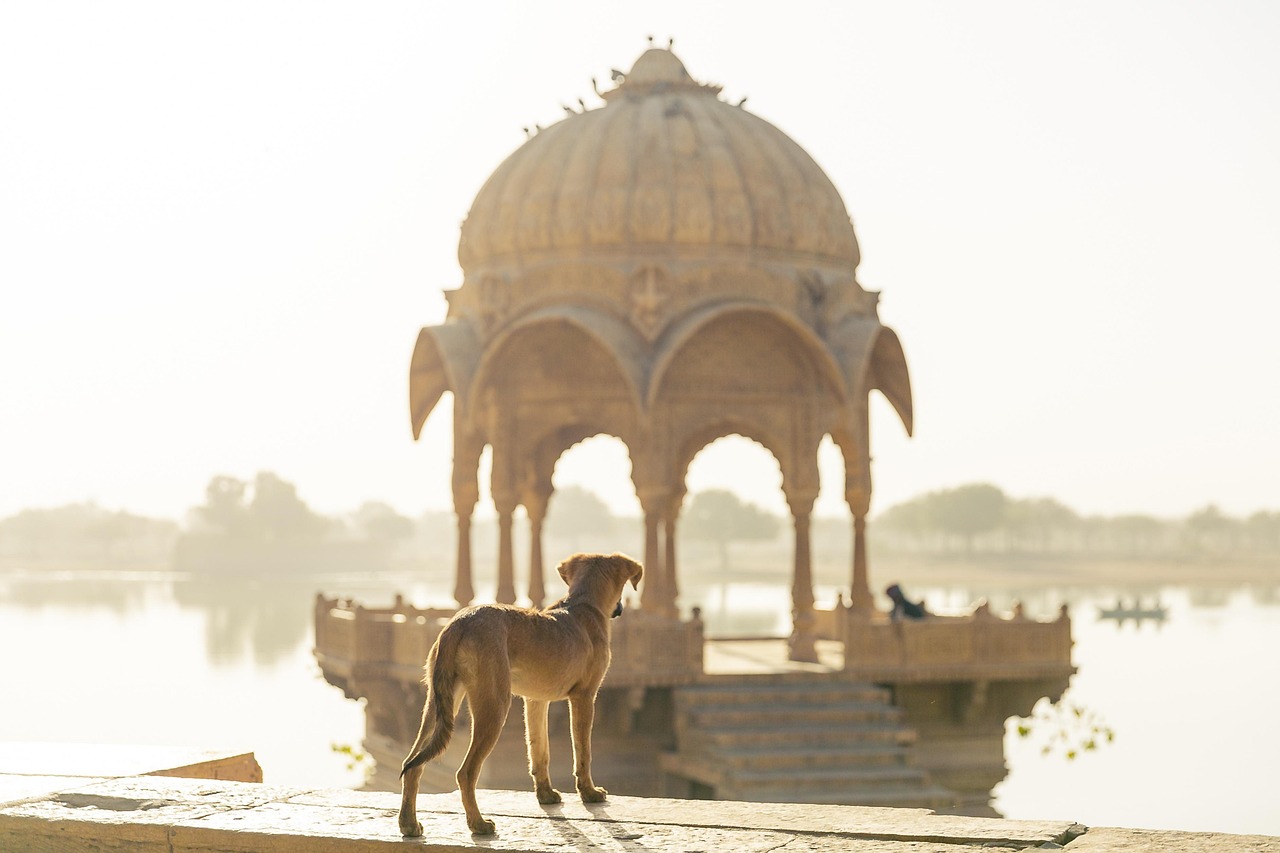
14 Days India Itinerary
This 14-day budget-friendly itinerary explores the Golden Triangle (Delhi, Agra, Jaipur) and the spiritual heart of Varanasi, with a touch of romance in Udaipur. It combines iconic landmarks with local experiences, ensuring an authentic and immersive Indian adventure.
Duration
14 days
Budget
$700-1400
Best Time
The best time to visit India is generally from October to March, when the weather is cool and pleasant across most of the country, ideal for sightseeing and outdoor activities
Activities
52
Daily Avg
$75/day
Cities
Delhi (3d), Jaipur (3d), Udaipur (3d), Varanasi (5d)
Pace
Moderate
India offers a sensory overload of vibrant colors, ancient history, and diverse cultures. From bustling cities to serene temples and breathtaking landscapes, it's a journey that will leave you with unforgettable memories.
Your itinerary covers 6 of 11 must-have experiences
Spiritual Sanctuary & Ancient Temple
Day 9: Jagdish Temple
Imperial Fort & Royal Palace
Day 5: Amber Fort
Bustling Street Food Bazaar
Day 1: Chandni Chowk Exploration
Himalayan Trek & Mountain Escape
e.g., Leh-Ladakh (Pangong Lake, Khardung La), Spiti Valley (Himachal Pradesh)
Iconic UNESCO World Heritage Site
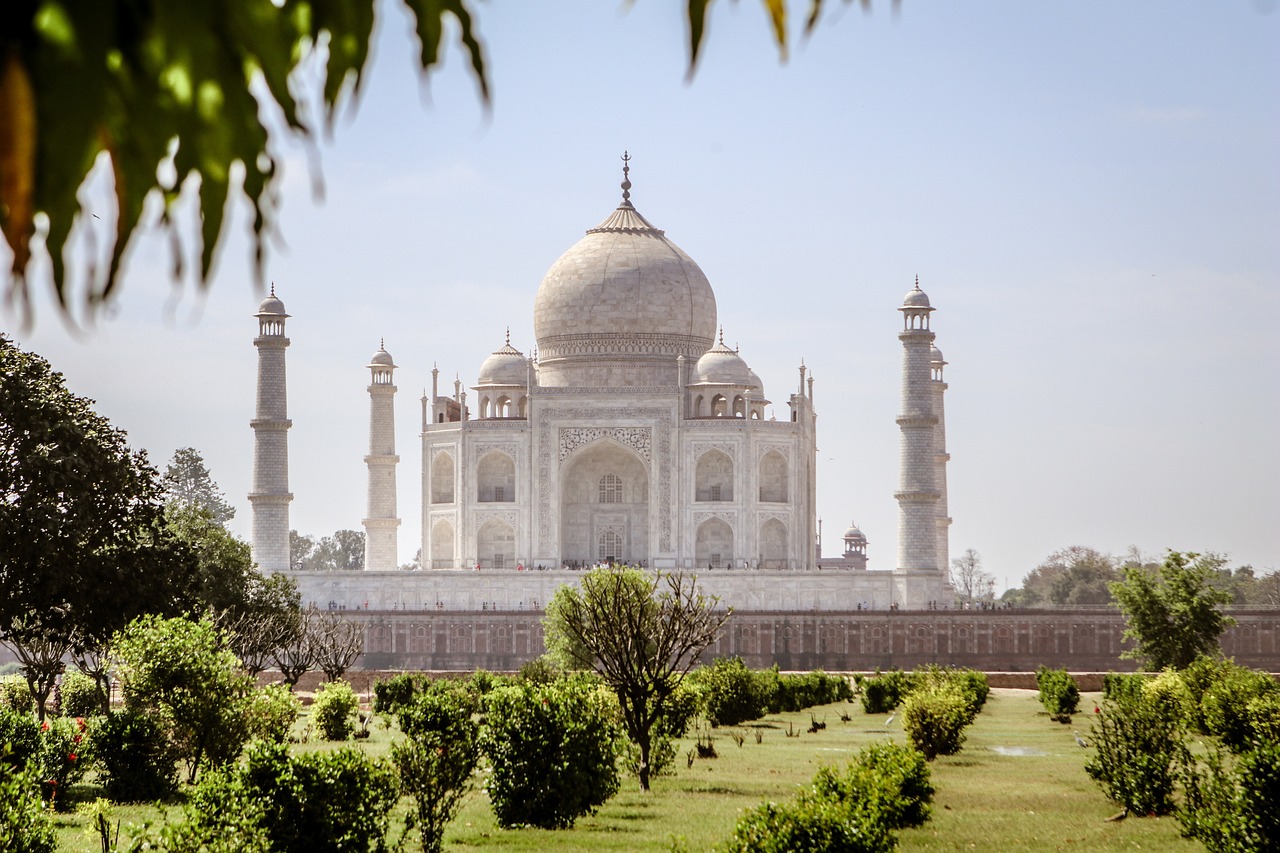
Day 3: Taj Mahal at Sunset
Wildlife Safari & National Park
Day 1: Arrive at Indira Gandhi International Airport (DEL)
Backwater Cruise & Houseboat Stay
e.g., Alleppey (Alappuzha) Backwaters, Kumarakom Backwaters
Vibrant Local Market & Handicraft Hub
Day 2: Lunch at a Local Dhaba
Colonial Charm & Heritage Walk
e.g., Fort Kochi (Kerala), Puducherry (French Quarter)
Desert Safari & Cultural Immersion
e.g., Thar Desert (Jaisalmer), Pushkar (Camel Fair)
Yoga & Wellness Retreat
e.g., Rishikesh (Yoga Capital), Ananda in the Himalayas (Rishikesh)
Indian cuisine is incredibly diverse, varying significantly by region. Expect a symphony of flavors, from spicy curries to sweet desserts, all influenced by local ingredients and cooking styles. Be adventurous and try as much as you can!
Must-Try Dishes
Tender pieces of tandoori chicken simmered in a creamy tomato-based sauce, flavored with butter, spices, and herbs. It's rich, flavorful, and a universally loved dish.
📍 Most restaurants across India, particularly in North India
A fragrant rice dish cooked with meat (chicken, mutton, or vegetables), spices, and herbs. Each region has its unique style, so try different variations.
📍 Hyderabad, Lucknow, Kolkata, and restaurants specializing in Mughlai cuisine
A thin, crispy crepe made from fermented rice and lentil batter, filled with a spiced potato mixture. Served with sambar (a lentil-based vegetable stew) and chutney.
📍 South India, particularly Tamil Nadu, and South Indian restaurants nationwide
A spicy chickpea curry (chole) served with fried bread (bhature). A popular and satisfying North Indian breakfast or brunch.
📍 Delhi, Punjab, and North Indian restaurants
Food Neighborhoods
Known for street food and traditional sweets
Known for Mughlai cuisine, especially during Ramadan
Known for South Indian cuisine and traditional snacks
Known for cafes and diverse food options from different regions of India and the world
Vegetarianism is widespread, so finding vegetarian options is easy. Vegan options are becoming more common, but it's helpful to specify "no dairy" (no milk, butter, ghee, yogurt). Halal meat is widely available. Be mindful of potential allergens and communicate your needs clearly. Avoid tap water and stick to bottled water.
Eating with your right hand is traditional, especially for rice and curries. Avoid touching your food with your left hand. It's polite to leave a small amount of food on your plate to show you are satisfied. Tipping is generally expected at restaurants (5-10%).
Diwali
DeepavaliFestival of Lights celebrating the victory of light over darkness with oil lamps, fireworks, and sweets.
Note: Book 1+ month ahead for popular cities
Holi
Festival of Colors celebrating spring with colored powder, water fights, and music.
Note: Book 3-4 weeks ahead
Ganesh Chaturthi
Festival honoring elephant-headed god Ganesha with grand processions.
Note: Book 1 month ahead for Mumbai
Pushkar Camel Fair
Pushkar MelaWorld's largest camel fair with trading, competitions, and cultural events.
Note: Book 2 months ahead
🛣️Interesting Detours & Side Trips
- 🚶Arrive at Indira Gandhi International Airport (DEL) at Indira Gandhi International Airport, New Delhi & Paharganj$1
2:00 PM - Arrive at Indira Gandhi International Airport (DEL)
Take the Airport Express Metro to New Delhi Railway Station (approx. 20 minutes, $1). Check into your hostel/guesthouse in Paharganj.
🏨Create Custom ItineraryAdd your hotel booking
Search and add hotels to see on maps
Create a free custom itinerary to add hotels and restaurants
- 🚶Take the Delhi Metro Airport Express Line to New Delhi Railway Station, then walk or take a rickshaw to Chandni Chowk.$5
4:00 PM - Chandni Chowk Exploration
Explore the bustling streets of Chandni Chowk by rickshaw. Sample street food like paratha, jalebi, and chaat. Be prepared for crowds! (Rickshaw ride: $2-3)
Book on Klook - 🚶Walk or take a rickshaw from Chandni Chowk to Karim's.$7
7:00 PM - Dinner at Karim's
Enjoy a delicious Mughlai dinner at Karim's, a legendary restaurant in Old Delhi known for its kebabs and biryani. (Dinner: $5-7)
🍽️Create Custom ItineraryAdd restaurants for Dinner
Get personalized restaurant recommendations
Create a free custom itinerary to add hotels and restaurants
Paharganj
Close to the railway station and budget-friendly options.
📅 Best Time to Visit
The best time to visit India is generally from October to March, when the weather is cool and pleasant across most of the country, ideal for sightseeing and outdoor activities. April to June are hot, especially in the plains, but suitable for mountain regions. July to September is the monsoon season, bringing heavy rainfall which can disrupt travel, but also creates lush green landscapes and can be good for specific regions like Kerala or Rajasthan post-monsoon. Major festivals like Diwali (Oct/Nov) and Holi (Mar) offer vibrant cultural experiences but attract larger crowds and higher prices.
The weather is generally sunny and dry, with comfortable temperatures during the day and cooler evenings. This makes it ideal for exploring various parts of the country.
October to March is the peak season with pleasant weather suitable for sightseeing.
Diwali (Oct/Nov) and Holi (Mar) can significantly impact travel due to crowds and price increases.
Getting Around
Diverse options from auto-rickshaws to metro systems in major cities
Metro cards available per city
Use Uber/Ola for hassle-free rides. Book trains via IRCTC app well in advance.
Travel
$200-400 (includes intercity trains and local transportation)Accommodation
$200-300 (hostels, guesthouses, budget hotels)Food
$150-250 (street food, local restaurants)Activities
$150-250 (entrance fees, guided tours)Embrace local street food (from reputable, busy vendors) and small eateries for incredibly delicious and cheap meals. Utilize local transport like auto-rickshaws (after bargaining) or city buses over private taxis.
Consider a stay in a heritage hotel or a luxury tented camp for a unique, memorable experience. A high-end wildlife safari or a scenic mountain train journey can also be worth the extra cost.
Always try to bargain politely in markets and for unmetered transport; it's an expected part of the culture. Use UPI for payments whenever possible to avoid carrying too much cash and to get favorable exchange rates.
Opt for guesthouses or homestays over large hotels for more authentic experiences and often significantly lower prices, plus opportunities to interact with locals.
Indulge in an authentic Ayurvedic spa treatment, particularly in Kerala, for deep relaxation and a traditional wellness experience that can rejuvenate you after long travels.
Drink chai from local vendors, seek recommendations from locals for authentic restaurants away from tourist traps, and don't hesitate to walk short distances to save on transport and experience daily life.
- Always carry a photocopy of your passport, visa, and important documents, keeping originals securely stored.
- Bargaining is common and expected in markets, small shops, and for unmetered auto-rickshaws; always negotiate prices politely.
- Embrace digital payments: UPI apps (Google Pay, Paytm) are widely used even by small vendors and are highly convenient.
- Dress modestly, especially when visiting religious sites; shoulders and knees should be covered, and shoes removed before entering temples or homes.
- Stay hydrated with bottled or filtered water and be cautious with street food; opt for busy vendors with high turnover.
- Be patient and flexible; travel in India can be unpredictable, but embracing the chaos is part of the unique experience.
- Learn a few basic Hindi phrases like 'Namaste' (hello/greetings) and 'Dhanyawad' (thank you) – locals appreciate the effort.
- 1Lightweight, breathable cotton or linen clothing for comfort in heat and humidity.
- 2Modest attire (e.g., long pants, skirts, tops that cover shoulders) for cultural and religious sites.
- 3Comfortable, sturdy walking shoes or sandals that are easy to slip on and off.
- 4Mosquito repellent, especially for evenings and visits to rural or coastal areas.
- 5Hand sanitizer and wet wipes for hygiene on the go.
- 6Universal travel adapter and a portable power bank for electronic devices.
- 7A basic first-aid kit, including medication for upset stomachs and common ailments.
- 8Sunscreen, a wide-brimmed hat, and sunglasses to protect against intense sun.
- 9A reusable water bottle to reduce plastic waste and stay hydrated.
- 10A lightweight scarf or shawl (for women) for modesty, sun protection, or warmth in air-conditioned spaces.
Indian e-Visa
Apply online 4-7 days prior to travel; allows quicker processing and avoids embassy visits.
International Flights
Book 3-6 months ahead for best prices and availability, especially during peak season (Oct-Mar).
Long-distance Train Tickets
Book 1-3 months ahead for popular routes (e.g., Delhi-Agra, overnight journeys) as they sell out fast.
Accommodation
Book 1-2 months ahead, crucial during festivals, peak season, or for specific boutique stays.
Domestic Flights
Book 1-2 months ahead for better fares, especially for specific routes or dates.
Wildlife Safari Permits (e.g., Ranthambore, Periyar)
Book 2-3 months ahead, as entries are limited and demand is high, especially for popular zones.
SIM Card Activation / eSIM Setup
Consider activating an eSIM pre-arrival or be prepared for physical SIM purchase and activation, which can take a few hours after landing.
Taj Mahal Timed Entry Tickets
Book online a few days to a week ahead to avoid long queues, especially for sunrise or sunset visits.
Note: Travel conditions, regulations, and local customs may change. We recommend verifying essential details — such as visa requirements, emergency contacts, and payment options — closer to your travel date.
SIM & Connectivity
SIM Options
📍 Airtel stores at airports and in cities. Requires passport and visa for purchase.
📍 Jio stores at airports and in cities. Requires passport and visa for purchase.
📍 Airalo app or website. Purchase and activate before arrival.
📍 Online, delivery to your hotel or airport.
WiFi is available in most hotels, cafes, and restaurants in urban areas. Quality can vary, so don't always rely on it. Free WiFi is less common in rural areas.
Useful Apps
Purchase a local SIM card for reliable and affordable data access. Download offline maps for areas with limited connectivity. Be aware of roaming charges if using your home country's SIM. Always carry a portable charger.
Electric Socket Guide
Socket Types
Two round pins (Europlug)
Three large round pins in triangle
Three large round pins in triangle
230V
50Hz
Tipping Etiquette
10% if no service charge; round up at casual spots
Round up to nearest ₹10–50
₹50–100 per bag for porters; ₹200–500/day for housekeeping
Tipping is appreciated but not mandatory. Small tips go a long way.
Safety & Travel Advisories
Be aware of petty theft, especially in crowded areas. Exercise caution when consuming street food and water. Research reputable tour operators.
Check official government advisories for the latest safety information, entry requirements, and travel warnings before your trip.
Emergency Numbers
100
102 or 108
101
Available in major tourist cities
Call 112 for unified emergency services
Payments
Cash is widely used, especially for street vendors and auto-rickshaws
Accepted at malls, restaurants, and hotels in cities
UPI (Google Pay, PhonePe, Paytm) is ubiquitous in urban India
UPI QR codes are everywhere. Carry small cash denominations for tips and small vendors.
Customize This Trip
Get this itinerary tailored to YOUR exact dates, preferences, and budget.
- Personalized for your dates
- Weather-aware recommendations
- Offline access
- Real-time pricing
- Budget tracking
No sign-up required
Quick Actions
Trip Summary
How was this itinerary?
The best time to visit India is from October to March when the weather is cool and pleasant across most of the country. This period is ideal for sightseeing and outdoor activities. However, be prepared for larger crowds and higher prices during major festivals like Diwali and Holi.
Related Itineraries
Customize This Trip
Get this itinerary tailored to YOUR exact dates, preferences, and budget.
- Personalized for your dates
- Weather-aware recommendations
- Offline access
- Real-time pricing
- Budget tracking
No sign-up required
Quick Actions
Trip Summary
Want a Personalized Version?
Get this itinerary customized for your exact travel dates, with weather-aware recommendations and real-time pricing.
Create My Custom Itinerary60sBrowse by travel style: