3 Days in Vienna: From Schönbrunn Palace to St. Stephen's Cathedral

Hofburg Palace · Spanish Riding School - Morning Exercise · Albertina Museum · Traditional Viennese Coffee House Experience · Schönbrunn Palace · Schönbrunn Palace Park
3-day Vienna itinerary. Day-by-day route, attractions & food.
Part one
Is this trip for you?
Vienna offers a distinct blend of Imperial grandeur and classical music tradition that a city like Prague cannot fully match. While Prague excels with its Gothic architecture and Bohemian history, Vienna's Hapsburg palaces, Spanish Riding School and deep-rooted cafe culture create a different kind of European elegance. This destination is built for travelers seeking classical music, grand history and ornate imperial art over medieval charm or nightlife.
Your itinerary covers 5 must-have experiences

Imperial Palaces & History
✓ Day 1: Hofburg Palace

Classical Music & Performance
✓ Day 1: Spanish Riding School - Morning Exercise
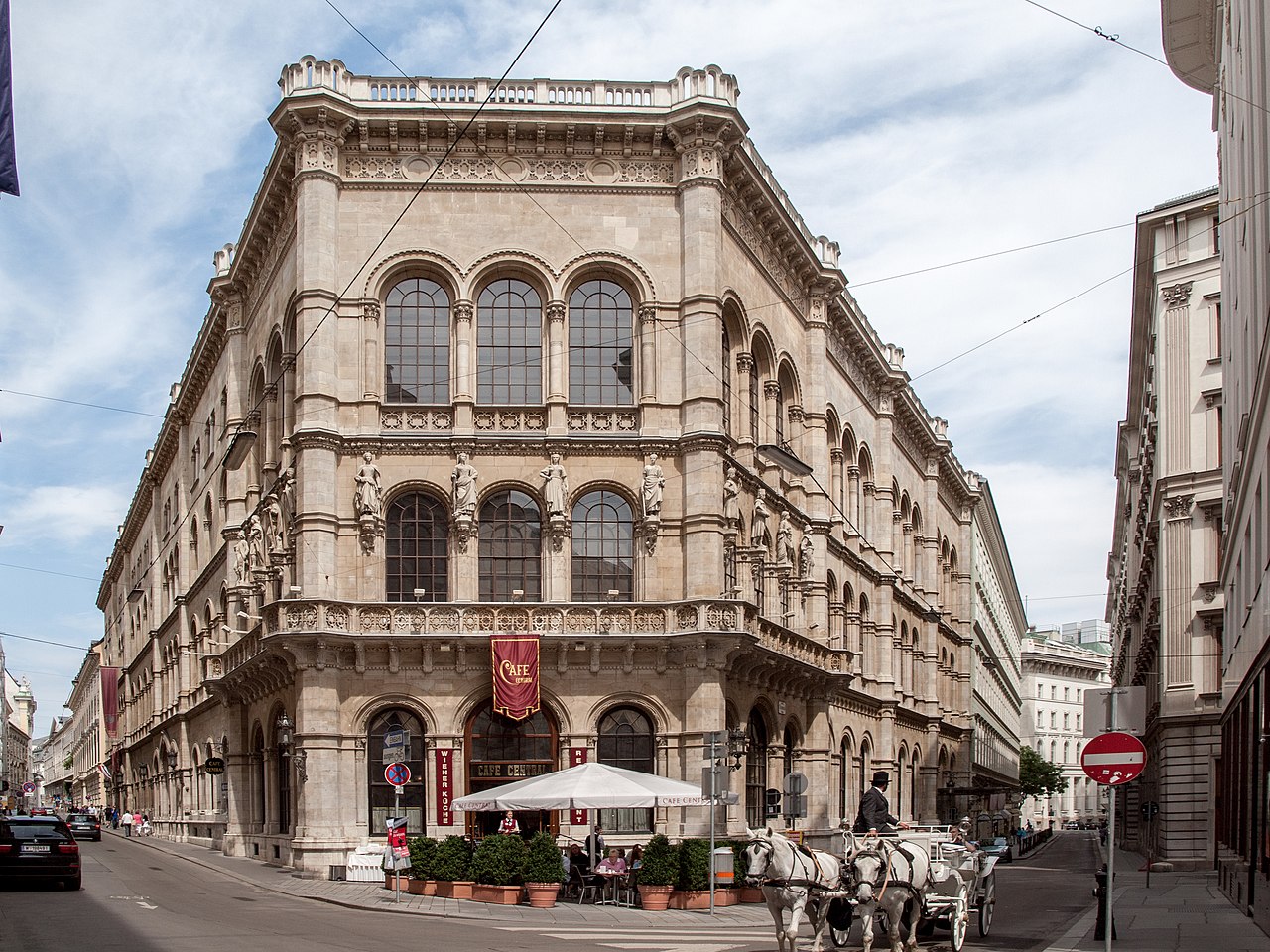
Traditional Viennese Coffee Houses
✓ Day 1: Traditional Viennese Coffee House Experience

World-Class Art Museums
✓ Day 1: Albertina Museum

Grand Cathedrals & Churches
✓ Day 3: St. Stephen's Cathedral
📅 Best Time to Visit
The ideal times to visit Vienna are spring (April-May) and fall (September-October). During these periods, temperatures are mild, ranging from 10°C to 20°C, perfect for sightseeing with fewer crowds than summer. Spring brings blooming gardens, while fall offers golden foliage and harvest festivals. Early December is magical for its world-renowned Christmas markets, despite colder temperatures around 0°C to 5°C. Summer (June-August) is warm, often 20°C to 30°C, and sees large crowds for music festivals, requiring advance bookings for popular attractions.
Part two
The plan, day by day
This packed 3-day itinerary focuses entirely on Vienna's core. Day 1 concentrates on the Innere Stadt, grouping major imperial sites like Hofburg and the Spanish Riding School for efficient exploration. Day 2 moves to the Schonbrunn Palace, a substantial half-day commitment, balancing it with the Wieden district's classical music focus later.
The final day provides a last immersion into imperial art and grandeur before departure, keeping activities flexible. Each day balances landmarks with deep dives into Viennese culture. This trip prioritizes Vienna's grand imperial history, world-renowned classical music scene, and significant art collections.
You will spend extensive time in palaces like Hofburg and Schonbrunn, and experience Viennese equestrian art. Given the tight 3-day schedule, you will not explore the specific vineyards of Grinzing, nor will you experience a traditional heuriger wine tavern in its natural setting. Likewise, the Modern Art Museum (MUMOK) and the Leopold Museum in the Museumsquartier are not included.
This itinerary suits those deeply invested in Hapsburg history and classical culture, rather than contemporary art or local wine experiences. To extend your time in Vienna, add a fourth day to visit the Wachau Valley. This day trip takes you along the Danube River to see medieval castles, apricot orchards and villages like Durnstein, known for its ruined castle and riverside setting.
- Morning
08:00 AM - Arrival at Vienna International Airport (VIE)· 2 hrs
USD 13 (~EUR 12) Hansueli Krapf This file was uploaded with Commonist. (CC BY-SA 3.0)
Arrive at Vienna International Airport (VIE). Take the City Airport Train (CAT) to Wien Mitte (16 min, approx. $13), then a short metro or taxi ride to your hotel area. Alternatively, a taxi directly to the hotel takes around 20-30 min and costs approx. $45. Allow 1.5-2 hours for transfer and check-in to settle in.
- 🕐 Monday: 9:00 AM – 6:00 PM; Tuesday: 9:00 AM – 6:00 PM; Wednesday: 9:00 AM – 6:00 PMConfirm hours on Maps
10:00 AM - Hofburg Palace· 3 hrs
USD 20 (~EUR 18) - Afternoon
01:00 PM - Lunch: Wiener Schnitzel in Innere Stadt· 1 hr
USD 18 (~EUR 17)Wiener schnitzelSavor a traditional Wiener Schnitzel, a thinly pounded, breaded, and pan-fried veal cutlet, served with lemon and potato salad, at a local restaurant in the historic city center.
- Closes 4 PM · 2h here🕐 Monday: 9:00 AM – 4:00 PM; Tuesday: 9:00 AM – 4:00 PM; Wednesday: 9:00 AM – 4:00 PMConfirm hours on Maps
02:00 PM - Spanish Riding School - Morning Exercise· 1 hr 30 min
USD 18 (~EUR 17) - 🕐 Monday: 10:00 AM – 6:00 PM; Tuesday: 10:00 AM – 6:00 PM; Wednesday: 10:00 AM – 9:00 PMConfirm hours on Maps
03:30 PM - Albertina Museum· 2 hrs 30 min
USD 21 (~EUR 19) - Evening🕐 Monday: 7:30 AM – 11:00 PM; Tuesday: 7:30 AM – 11:00 PM; Wednesday: 7:30 AM – 11:00 PMConfirm hours on Maps
06:00 PM - Traditional Viennese Coffee House Experience· 1 hr
USD 9 (~EUR 8) 07:30 PM - Dinner: Wiener Saftgulasch in Innere Stadt· 1 hr
USD 18 (~EUR 17)Wiener saftgulaschEnjoy a hearty Wiener Saftgulasch, a rich, slow-cooked beef stew, at a traditional 'gasthaus' in Innere Stadt, offering an authentic taste of Viennese comfort food.
Innere Stadt
The Innere Stadt district is highly recommended for its central location, offering unparalleled walkability to major attractions like Hofburg Palace, the Spanish Riding School, and the Albertina Museum. It boasts excellent access to public transport and a wide range of authentic Viennese dining options, making it an ideal base for exploring Vienna.
- Morning🕐 Monday: 8:30 AM – 5:30 PM; Tuesday: 8:30 AM – 5:30 PM; Wednesday: 8:30 AM – 5:30 PMConfirm hours on Maps
08:30 AM - Schönbrunn Palace· 4 hrs
USD 25 (~EUR 23) - Afternoon🕐 Monday: 6:30 AM – 8:00 PM; Tuesday: 6:30 AM – 8:00 PM; Wednesday: 6:30 AM – 8:00 PMConfirm hours on Maps
12:30 PM - Schönbrunn Palace Park· 1 hr
FREE 01:30 PM - Lunch: Traditional Austrian Fare in Mariahilf· 1 hr
USD 18 (~EUR 17)Enjoy a satisfying Austrian lunch in the vibrant Mariahilf district as you transition back towards the city center after your palace visit.
- 🕐 Monday: 7:30 AM – 7:00 PM; Tuesday: 7:30 AM – 7:00 PM; Wednesday: 7:30 AM – 7:00 PMConfirm hours on Maps
03:00 PM - St. Charles's Church (Karlskirche)· 1 hr 30 min
USD 8 (~EUR 7) - 🕐 Monday: Open 24 hours; Tuesday: Open 24 hours; Wednesday: Open 24 hoursConfirm hours on Maps
04:30 PM - Stadtpark· 1 hr 30 min
FREE - Evening
07:00 PM - Dinner: Classic Viennese Dinner in Wieden· 1 hr
USD 25 (~EUR 23)TafelspitzSavor a classic Viennese dinner in the Wieden district, known for its traditional eateries serving authentic Austrian dishes like Tafelspitz.
Innere Stadt
The Innere Stadt remains the best base for its central location, excellent public transport connections to all major attractions like Schönbrunn, and its abundance of restaurants and cultural sites, allowing seamless exploration across the city.
- Morning
11:00 AM - Transit to Belvedere Palace· 20 min
USD 3 (~EUR 3)Travel from St. Stephen's Cathedral to the Belvedere Palace, preparing for your visit to the grand baroque complex.
- 🕐 Monday: 9:00 AM – 6:00 PM; Tuesday: 9:00 AM – 6:00 PM; Wednesday: 9:00 AM – 6:00 PMConfirm hours on Maps
11:20 AM - Belvedere Palace· 2 hrs
USD 22 (~EUR 20) - Afternoon
01:20 PM - Lunch: Traditional Austrian Fare in Landstraße· 1 hr
USD 18 (~EUR 17)Wiener saftgulaschEnjoy a delicious lunch featuring traditional Austrian dishes such as Tafelspitz or Wiener Saftgulasch at a local eatery near Belvedere Palace.
02:20 PM - Viennese Souvenir Shopping· 1 hr
USD 10 (~EUR 9)Browse local shops for unique Viennese souvenirs, from traditional crafts to local delicacies, to remember your trip.
03:20 PM - Traditional Viennese Coffee & Cake· 40 min
USD 9 (~EUR 8)Savor a final taste of Vienna's famous coffeehouse culture with an Einspänner and a slice of Apfelstrudel before heading to the hotel.
04:00 PM - Hotel Checkout & Luggage Collection· 30 min
FREEReturn to your hotel, complete the checkout process, and collect your luggage before transferring to the airport.
- Confirm hours on Maps
04:30 PM - Depart from Vienna International Airport (VIE)· 4 hrs 30 min
USD 25 (~EUR 23)
Innere Stadt
Central to major attractions like the Hofburg Palace and St. Stephen's Cathedral, with excellent access to public transport and a wide range of dining options. It provides a convenient base for exploring Vienna's historic core.
Like this plan? Make it yours
Same destination, your dates, budget, and pace — generated free in about a minute.
Customize this tripFreePart three
Food, shopping & festivals
Top 8 dishes to try

Apfelstrudel
📍 Any traditional cafe or bakery
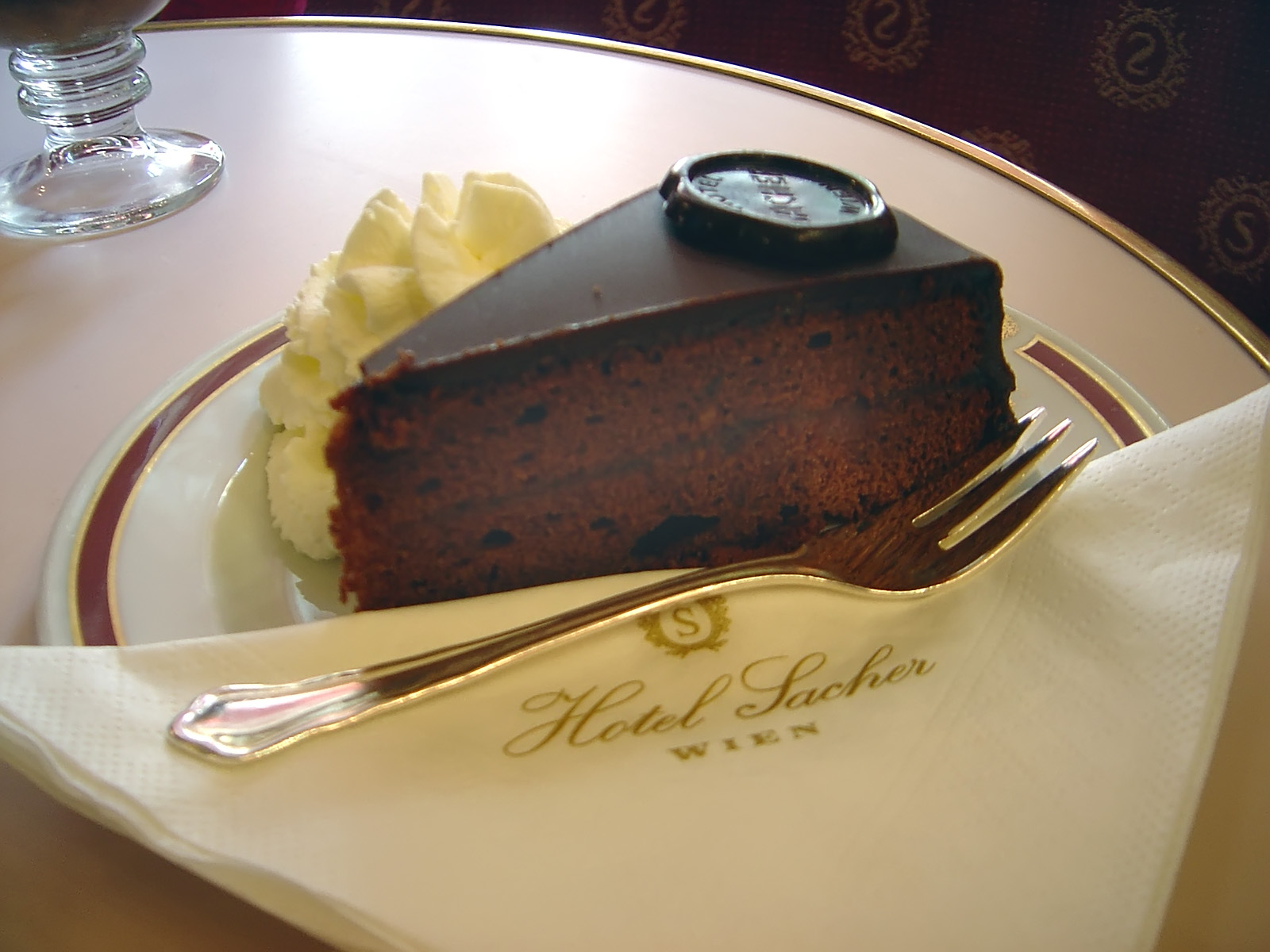
Sachertorte
Vienna
📍 Innere Stadt (Hotel Sacher)

Wiener Schnitzel
Vienna
📍 Innere Stadt
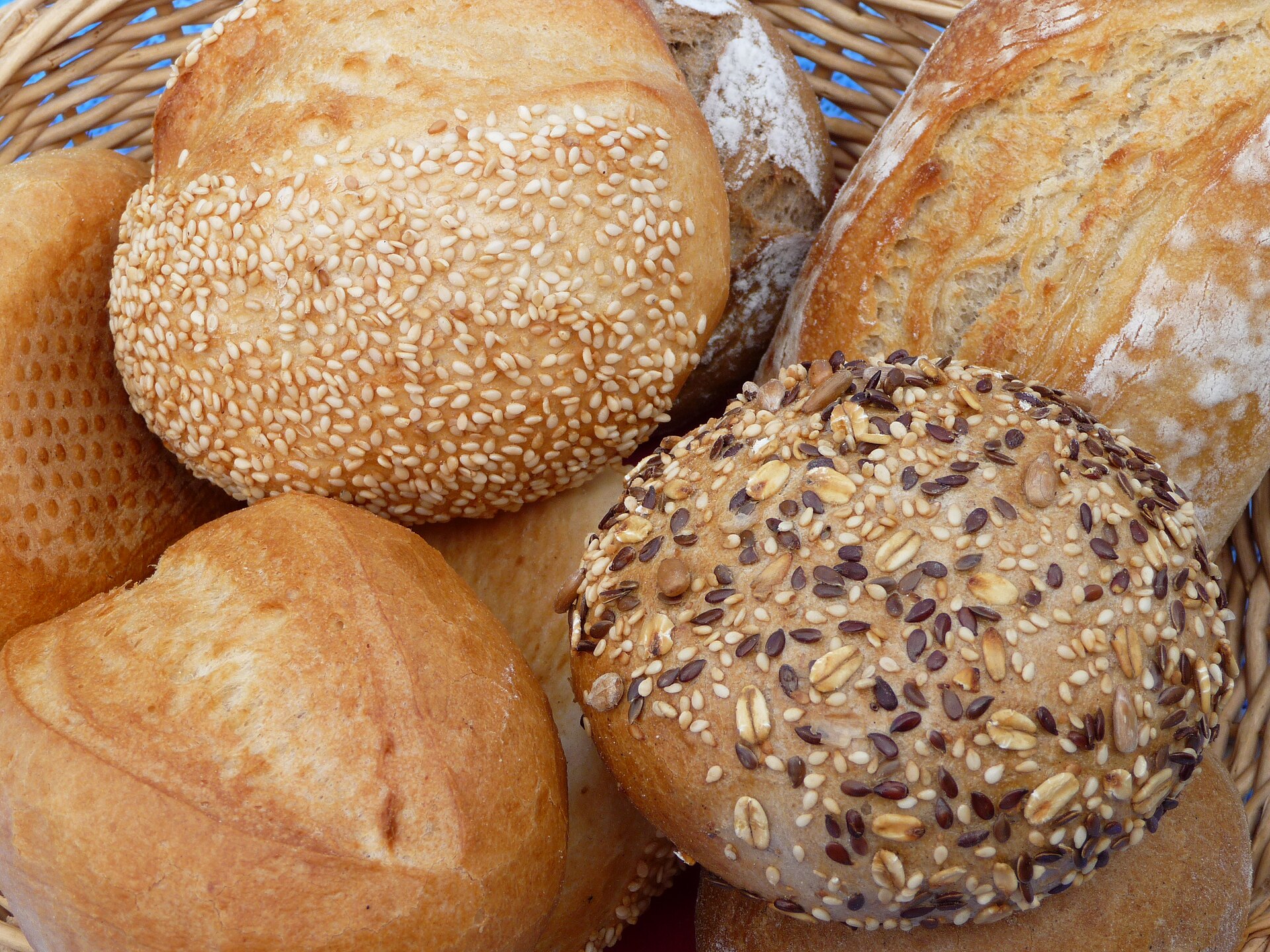
Brötchen
Vienna
📍 Trzesniewski (Innere Stadt)

Einspänner
Vienna
📍 Any traditional Kaffeehaus

Käsekrainer
📍 Würstelstand (street stalls)

Erdäpfelsalat (Potato Salad)
📍 Any traditional restaurant, especially with Schnitzel

Kaiserschmarrn
📍 Many traditional restaurants
Markets & neighborhoods
A vibrant open-air market with diverse food stalls, fresh produce, spices, and casual international eateries.
Historic Heuriger (wine taverns) serving local new wine, traditional Austrian cold cuts, and hearty dishes in a relaxed, village-like atmosphere.
Elegant cafes, Michelin-starred restaurants, historic confectionery, and traditional Viennese dining experiences.
Good to Know
Top 7 souvenirs
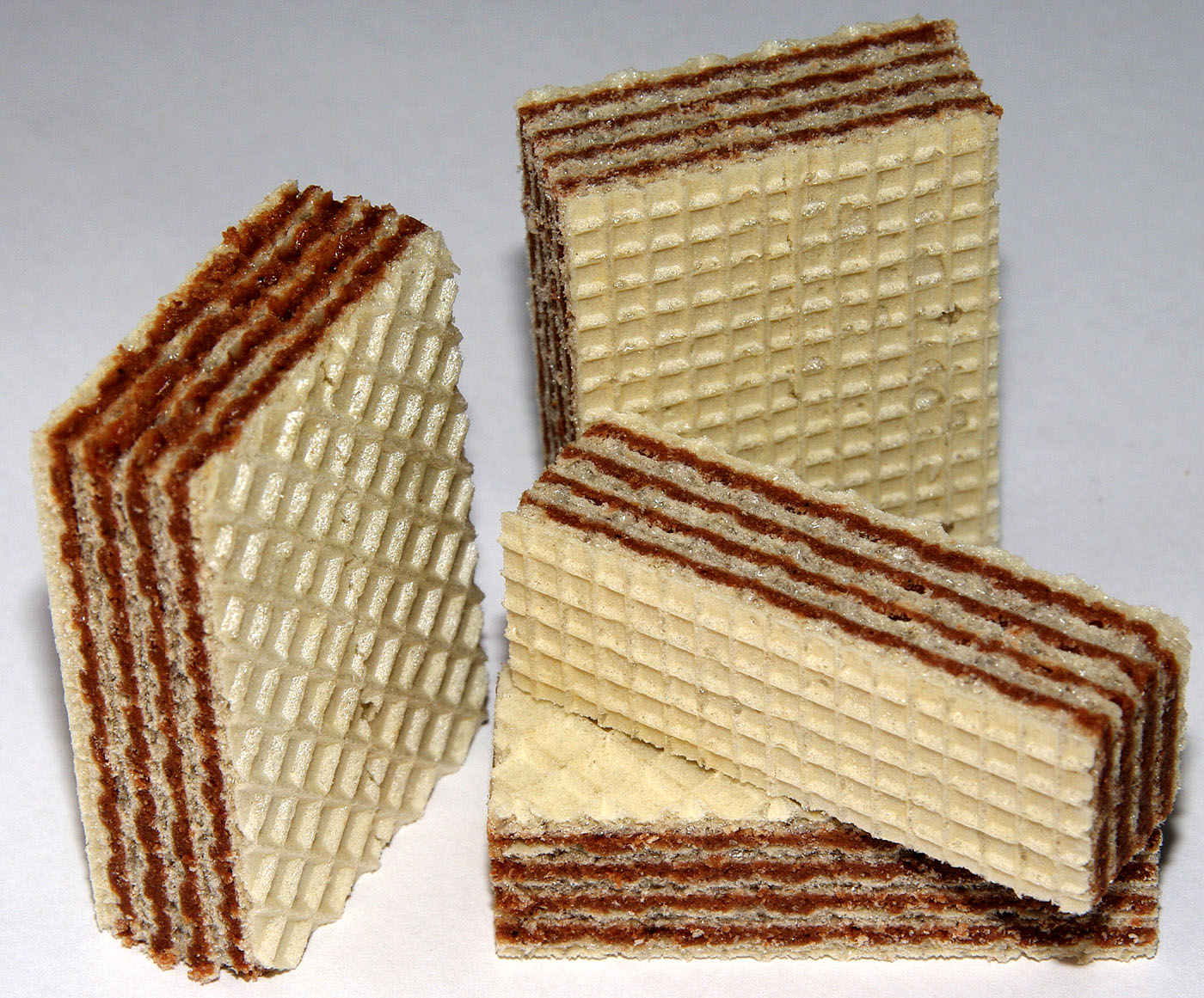
Manner Neapolitaner Wafers
Vienna
📍 Manner shops (e.g., Stephansplatz), any major supermarket like Billa or Spar.

Specialty Viennese Coffee Beans
Vienna
📍 Alt Wien Kaffee (Schleifmühlgasse 23), Julius Meinl am Graben, or local roasters.

Original Viennese Snow Globe (Perzy)
Vienna
📍 Original Wiener Schneekugelmanufaktur, Schumanngasse 87 (Perzy III's workshop).

Demel or Sacher Torte
Vienna
📍 Hotel Sacher Wien (original Sacher Torte) or Demel K.u.K Hofzuckerbäcker (Kohlmarkt 14).

Augarten Porcelain
Vienna
📍 Augarten Porcelain Manufactory (Schloss Augarten) or Augarten Boutique, Spiegelgasse 3.
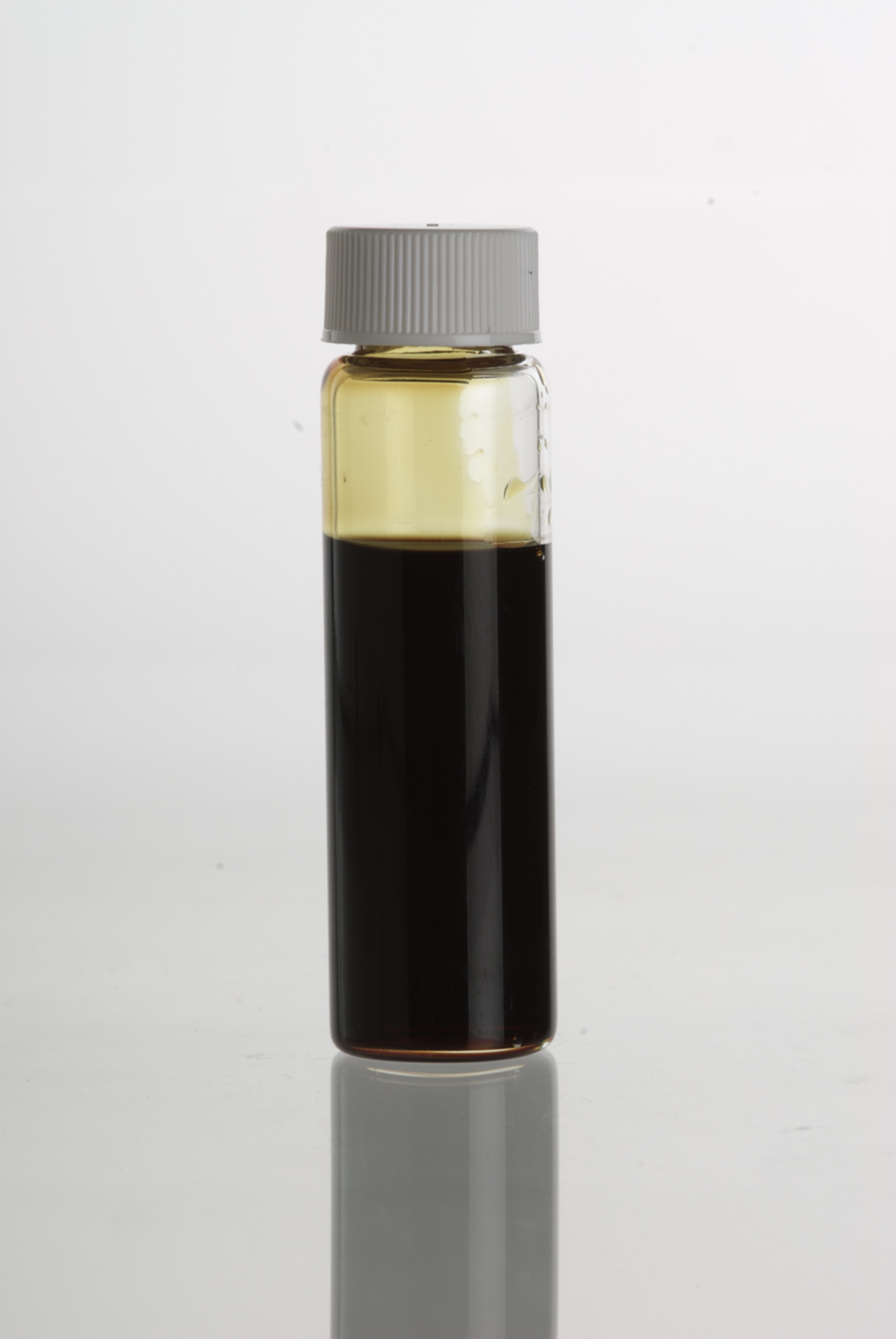
Styrian Pumpkin Seed Oil (Kürbiskernöl)
Vienna
📍 Naschmarkt, specialty food stores like Meinl am Graben, or supermarkets.

Lobmeyr Glassware
Vienna
📍 J. & L. Lobmeyr flagship store, Kärntner Straße 26.
Markets & districts
Fresh produce, international spices, specialty foods, and unique flea market items on Saturdays.
A bustling, vibrant market with diverse food stalls and a lively atmosphere, especially busy on weekends for the flea market.
Luxury brands, traditional Austrian crafts (porcelain, glass), high-end fashion, and gourmet foods.
Elegant and historic, home to flagship stores on streets like Kärntner Straße and Graben, but can be crowded with tourists.
Mainstream fashion, department stores, electronics, and a mix of local and international brands.
Vienna's longest shopping street, primarily pedestrian, offering a modern retail experience with a wide range of price points.
Good to Know
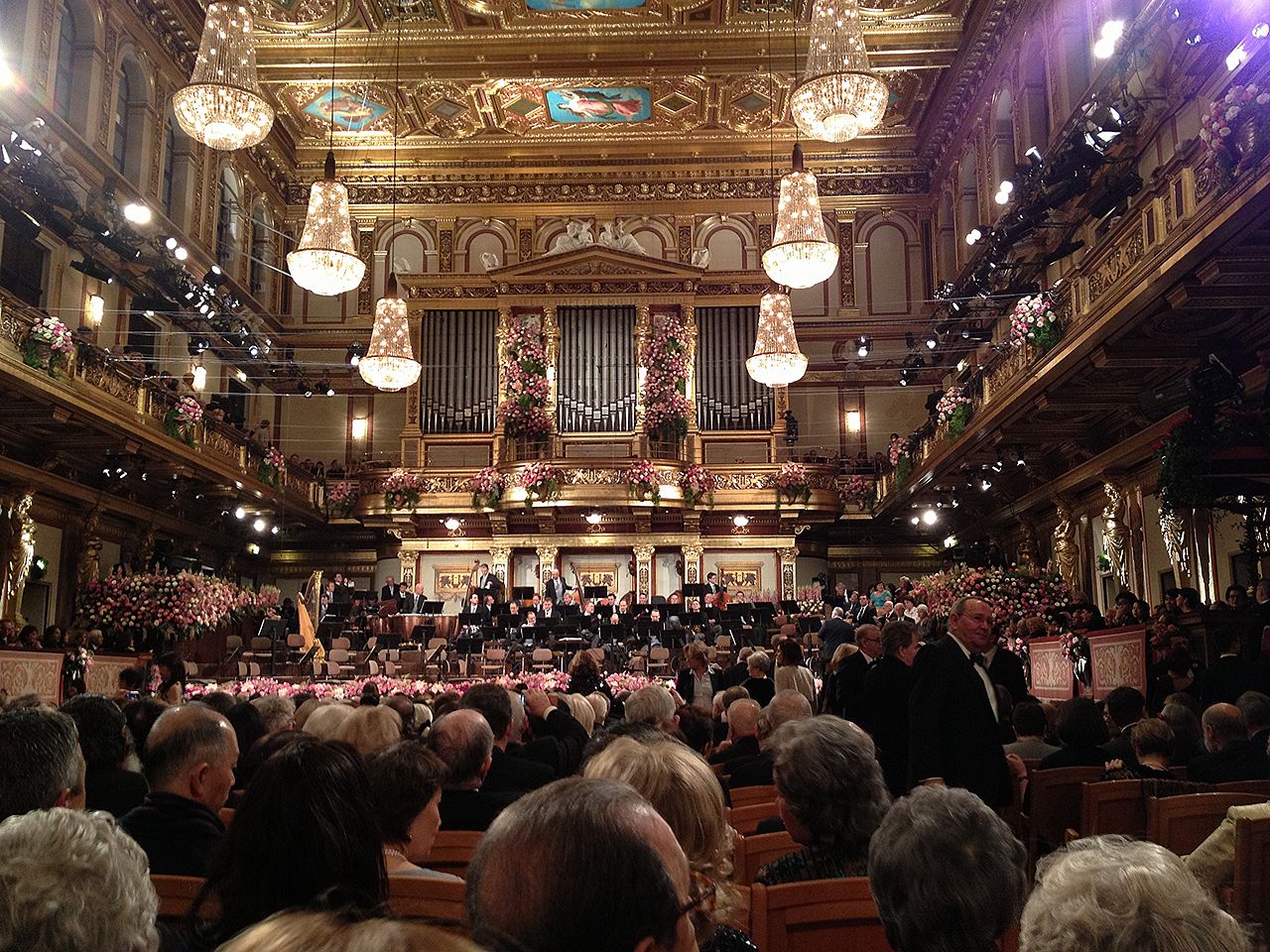
Vienna Philharmonic New Year's Concert
Neujahrskonzert der Wiener Philharmoniker
Jan 1
Broadcast to 90 countries every January 1 from the Musikverein Golden Hall. Strauss waltzes and polkas. Tickets distributed by lottery each February for the following year.

Vienna Opera Ball
Wiener Opernball
Feb 12
Held on the last Thursday before Ash Wednesday at the Vienna State Opera. Austria's most prestigious ball, featuring 144 debutante couples opening the ceremony. Formal white tie required.

Austria National Day
Nationalfeiertag
Oct 26
October 26 marks the 1955 law declaring Austria's neutrality. Military parade at Vienna's Heldenplatz, free entry to all federal museums, and public access to the Hofburg Palace.

Christmas
Weihnachten
Dec 25
Vienna's Rathausplatz Christmas market is one of Europe's most celebrated, and Salzburg's setting inspired 'Silent Night'. The Advent season is a major cultural event — Christkindlmarkt stalls appear in every town square. Heiligabend (Dec 24) is the main family celebration day. Krampus parades precede Christmas on Dec 5.
Vienna Ball Season
Wiener Ballsaison
Part four
Costs & booking
- Total for a couple — 3 days mid-range trip, excludes international flights
- Accommodation assumes 1 shared room
- Rough estimates — actual prices vary by season and availability
Local Transport
Accommodation
AI estimated based on typical hotel costs
Food
Activities
Curious how this stacks up? See how trip costs compare across countries in our Trip Cost Index.
Vienna is moderate overall — expect $100-150/night for comfortable mid-range hotels and $12-20 for a casual sit-down lunch. Tap water is safe to drink everywhere, and the city is one of the safest in the world.
Maximize your mobility with a 72-hour Wiener Linien ticket for €17.10 per person, covering unlimited rides on all U-Bahn, tram, and bus lines. This is far more cost-effective than buying single tickets at €2.40 each for extensive cultural exploration.
Opt for a 'Mittagsmenü' (lunch menu) at local restaurants, which often includes a main course and drink for €8-14. For cheaper breakfasts and snacks, pick up fresh pastries from a local Bäckerei for €2-4 or groceries from Billa or Spar supermarkets.
Indulge in one major imperial sight like Schönbrunn Palace, focusing on the Imperial Tour for €22-26 per person, which covers 22 rooms and offers deep historical insight. For a world-class cultural experience, consider standing tickets for the Vienna State Opera, available for as little as €5.
Balance paid attractions with Vienna's abundant free cultural experiences. Stroll through the Ringstrasse, enter St. Stephen's Cathedral (main nave is free), or explore the Zentralfriedhof to see monuments of famous composers, saving your budget for key paid entries.
Spanish Riding School - Morning ExerciseDay 1
Book 1 month ahead — Tickets for the Morning Exercise are limited and sell out, especially for good viewing spots. This is a unique cultural experience.
Hofburg Palace - Imperial Apartments, Sisi Museum, Silver CollectionDay 1
Book 2 weeks ahead — Timed entry tickets are highly recommended to avoid queues, especially during peak season, for access to the Imperial Apartments, Sisi Museum, and Silver Collection.
Albertina MuseumDay 1
Book 1 week ahead — While not always strictly necessary, booking timed entry for the Albertina Museum helps bypass any potential ticket lines and ensures smooth entry.
Schönbrunn Palace - Imperial Tour / Grand TourDay 2
Book 1 month ahead — Timed entry tickets are essential for the Schönbrunn Palace tours (Imperial or Grand Tour). Slots, especially for the Grand Tour, fill up quickly.
Musikverein ConcertDay 2
Book 2 months ahead — Performances at the Musikverein, especially by the Vienna Philharmonic or other renowned orchestras, sell out far in advance. Good seats are highly coveted.
Belvedere Palace - Upper Belvedere (Klimt's 'The Kiss')Day 3
Book 1 month ahead — Timed entry tickets for the Upper Belvedere are strongly advised to guarantee entry and reduce waiting times, particularly to see Klimt's 'The Kiss'.
Part five
Before you go
Vienna has excellent U-Bahn; ÖBB trains connect cities
Wiener Linien pass (Vienna)
Get a 24/72-hour Vienna pass for unlimited transit. Book ÖBB Sparschiene tickets for cheap fares.
- Always validate your Wiener Linien public transport ticket (U-Bahn, tram, bus) immediately upon entry or before boarding using the small blue machines; unvalidated tickets incur a €100+ fine.
- Pre-book timed-entry tickets online for major attractions like Schönbrunn Palace or the Hofburg to bypass long queues, especially during peak season (June-August, December).
- Avoid the Praterstern train station area at night, as locals tend to find it shady, particularly after 10 PM.
- When visiting coffee houses, order a 'Melange' (a Viennese specialty similar to a cappuccino) and don't feel rushed; it's customary to linger over a single coffee for an extended period.
- Carry small Euro coins (€0.50, €1) for public restrooms, especially in markets or train stations, which often charge a small fee for use.
- Attend a classical concert at venues like the Musikverein or Vienna State Opera; smart casual attire (no jeans or sneakers) is expected, and booking at least one month in advance is recommended for good seats.
- Consider a Vienna Pass if you plan extensive sightseeing; it offers free entry to 60+ attractions and unlimited hop-on/hop-off bus tours for its validity period (1-6 days).
- Many small shops and traditional 'Heuriger' (wine taverns) outside the city center might be cash-only, so always have some euros on hand beyond what you expect to use for major purchases.
- If planning day trips, use the ÖBB Scotty app to check train schedules and purchase tickets for national rail services, often cheaper than buying at the station.
0 / 22 packed
Note: Travel conditions, regulations, and local customs may change. We recommend verifying essential details — such as visa requirements, emergency contacts, and payment options — closer to your travel date.
Stay connected abroad
Get a local eSIM — no swapping physical SIMs
Visa & Entry Requirements
Austria is part of the Schengen Area. US, UK, EU, Canadian, and Australian citizens can enter visa-free for up to 90 days within any 180-day period. Indian citizens typically require a Schengen visa, which must be obtained in advance from the Austrian embassy or consulate in their home country. A passport valid for at least six months beyond your intended departure date is generally required for all non-EU citizens.
SIM & Connectivity
SIM Options
📍 Vienna International Airport (VIE) arrivals hall, A1 shops, 'Trafik' kiosks
📍 Magenta shops, larger electronics stores like MediaMarkt or Saturn
📍 Drei shops, sometimes at supermarkets like Billa or Spar
📍 Online via Airalo app before arrival
Wi-Fi is widely available and generally free in public places, hotels, cafes, and restaurants across Vienna. The Vienna International Airport (VIE) offers free, unlimited Wi-Fi. Many public Wi-Fi hotspots provided by the Viennese government are being deployed and are freely accessible.
Useful Apps
While Wi-Fi is common, having a local SIM or eSIM ensures continuous connectivity for navigation and communication, especially when exploring outside the city center. Austria's mobile carriers (A1, Magenta, Drei) offer 5G coverage throughout the city.
Electric Socket Guide(230V · 50Hz)
Socket Types
Two round pins (most of Europe, South America)
Two round pins + side earth clips (Germany, Europe)
Tipping Etiquette
5–10% or round up
Round up or 10%
€1–2 per bag
Safety & Travel Advisories
Check official government advisories for the latest safety information, entry requirements, and travel warnings before your trip.
Emergency Numbers
133
144
122
112 for European emergency number
Payments
Austria is more cash-friendly than many EU countries
Accepted at most places but cash still common
Available at larger establishments
Carry cash — many traditional restaurants and heurigers prefer it.
Most citizens from countries like the US, UK, EU, Australia, and Canada can enter Austria visa-free for stays up to 90 days within any 180-day period, as Austria is part of the Schengen Area. However, Indian citizens typically need to apply for a Schengen visa in advance. Always ensure your passport is valid for at least six months beyond your planned departure date.
Vienna is consistently ranked as one of the safest major cities globally, with very low rates of violent crime. However, travelers should be cautious of pickpockets in crowded tourist areas like the Innere Stadt, especially around the Rathaus. It's also advisable to avoid the area around Praterstern train station late at night, as it can feel less secure after dark. Austrian law strictly prohibits the display of Nazi symbols or related gestures, with severe penalties.
You have several efficient options. The City Airport Train (CAT) offers a non-stop, 16-minute ride to Wien Mitte station for €14. The Railjet train provides a direct service to Wien Hauptbahnhof (main train station) in about 15-20 minutes for €4.40. The S-Bahn (S7 line) is the most economical, taking around 25 minutes to Wien Mitte for €4.40. Taxis are also available but considerably more expensive, around €40-€50.
The currency used in Vienna, and throughout Austria, is the Euro (EUR). Tipping is customary but not obligatory. In restaurants and cafes, it's common to round up the bill or add 5-10% if you're satisfied with the service. For taxi drivers, simply rounding up the fare to the nearest Euro is generally sufficient.
Given Vienna's elegant atmosphere and varied weather, pack smart casual attire suitable for evenings out, like concerts or opera. Comfortable walking shoes with sturdy soles are essential for navigating cobblestone streets. Layered clothing is recommended due to potentially changeable weather, and a compact umbrella or lightweight waterproof jacket will be useful for sudden rain. Don't forget some small Euro coins for public restrooms or small market purchases.
Spring (April-May) and Fall (September-October) are generally considered the best times to visit Vienna, offering pleasant temperatures and fewer crowds. Early December is also highly popular for its festive Christmas markets. Summer (June-August) is warm and vibrant with festivals, but also the busiest tourist season, meaning more crowds and higher prices for accommodations and flights.
Vienna boasts an excellent public transportation system operated by Wiener Linien, comprising U-Bahn (subway), trams (Strassenbahn), and buses. These are highly efficient, reliable, and cover the entire city. Single tickets, 24/48/72-hour passes, or weekly passes are available, offering cost-effective ways to explore. Remember to validate your ticket upon entry or before boarding to avoid fines.
Viennese culture values politeness; use the formal 'Sie' when addressing strangers. In traditional coffee houses, feel free to linger over your drink, as it's part of the experience. Be respectful of historical sites and quiet areas. Most importantly, displaying any Nazi symbols or performing related gestures is a serious criminal offense under Austrian law, with severe consequences for all individuals, regardless of intent.
These 5 experiences didn't make it into this itinerary

🍽️An Elevated Austrian Dining Experience
e.g., Steirereck im Stadtpark, Fabios

🎭A Unique Live Entertainment Performance
e.g., Porgy & Bess, Ronacher

🚶♀️A Historic Viennese Neighborhood Walk
e.g., Spittelberg, Grinzing

🏛️Exploring Vienna's Grand Cemeteries
e.g., Zentralfriedhof, St. Marx Cemetery

🔭A Panoramic City View
e.g., Donauturm, Kahlenberg
Create Your Custom Version
Download this Vienna, Austria itinerary — day-by-day plan, maps, budget, and more.
You Might Also Like
Vienna and Salzburg, Austria
Austria
This packed 7-day trip explores Vienna's imperial grandeur and Salzburg's Baroque charm, ideal for a couple interested in history, culture, and nature. You will spend 4 nights in Vienna, covering the MuseumsQuartier and Innere Stadt, then travel by train to Salzburg for 3 nights. Key experiences...
Vienna, Austria
Austria
7 days in Vienna exploring the city's imperial core and artsy western districts. Highlights include the Belvedere Palace collection, a performance at the Wiener Staatsoper, and daily rituals at cafes like Cafe Sperl. Balanced pace with 4-5 activities per day, using the city's efficient metro for...

Prague, Czech Republic; Vienna, Austria; Budapest, Hungary
Czech Republic And Austria And Hungary
This 10-day journey explores the Central European capitals of Prague, Vienna, and Budapest. Begin in Prague, discovering Prague Castle, the Charles Bridge, and Old Town Square. Continue by train to Vienna for Schönbrunn Palace, St. Stephen's Cathedral, and an evening classical concert. Conclude...
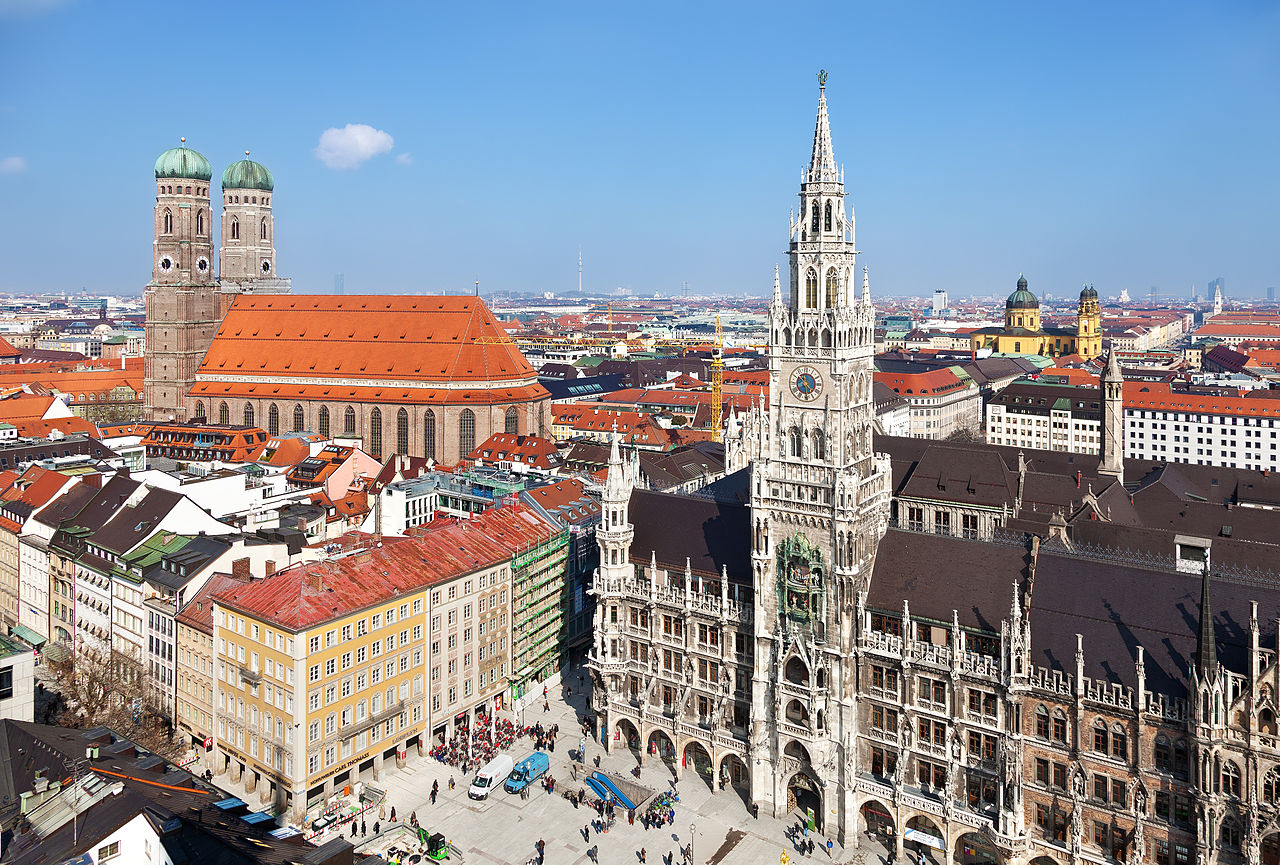
Munich, Germany; Salzburg, Austria; Prague, Czech Republic
Germany And Austria And Czech Republic
This 10-day journey for a couple spans Munich, Salzburg, and Prague, immersing you in Central European history and culture. Begin in Munich, exploring the Hofbräuhaus and English Garden, then transition to Salzburg for Hohensalzburg Fortress and Mozart's birthplace, before concluding in Prague...
Prefer to plan it yourself?
Start from a free, no-signup travel itinerary template. The Excel and Google Sheets versions auto-total the budget and split costs by who paid.
- Free travel itinerary template (all formats)
- Excel itinerary template
- Google Sheets template
- Word itinerary template
- Printable PDF template
- Google Docs itinerary template
- Notion template
- Bachelorette itinerary template
- Disney itinerary template
- Girls trip itinerary template
- Road trip itinerary template
- Business travel itinerary template
- Birthday trip itinerary template
- Family vacation itinerary template
- Honeymoon itinerary template