7-Day Vienna & Salzburg, Austria Couples Itinerary

Arrive at Vienna International Airport · Visit Hofburg Palace · Stroll through Stadtpark · Attend a classical music performance at Musikverein Wien · Schonbrunn Palace · Schonbrunn Palace Park
7-day Austria trip — Vienna to Salzburg. Day-by-day route, attractions & food.
Part one
Is this trip for you?
This trip marries Vienna's imperial palaces and museums with Salzburg's baroque charm and Alpine backdrop. It offers a deeper dive into Austrian grand history and classical music than a route like Vienna and Linz, which lacks Salzburg's unique blend of Mozart's birthplace and mountain drama. This journey suits travelers seeking imperial elegance, art masterpieces and a taste of Alpine-fringed cities, over deep nature hikes or nightlife.
Your itinerary covers 10 must-have experiences

Explore Imperial Palaces and Residences
✓ Day 1: Visit Hofburg Palace
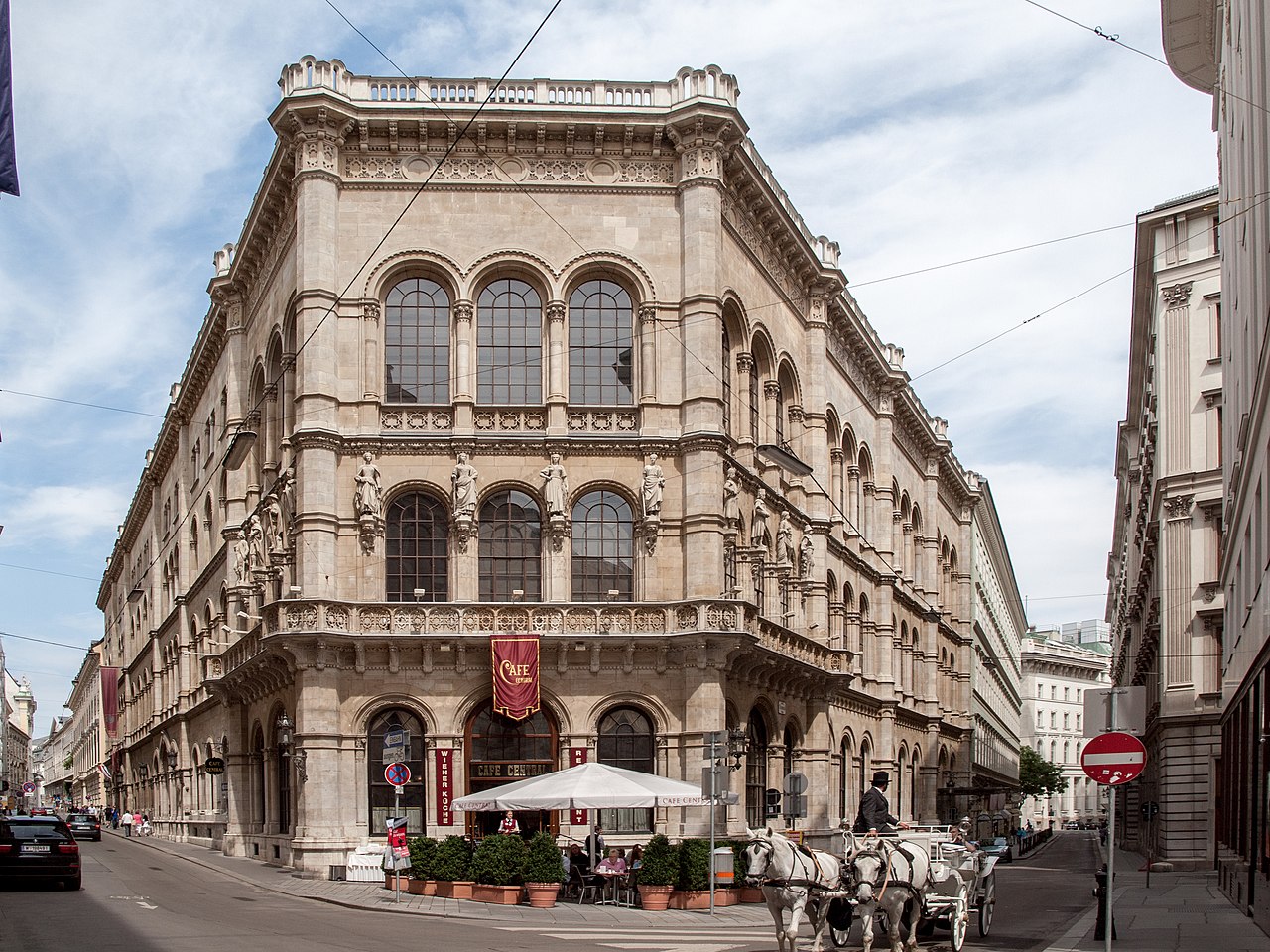
Experience Viennese Coffee House Culture and Markets
✓ Day 1: Experience Viennese Coffee House Culture at Cafe Sacher Wien

Attend a Classical Music Performance
✓ Day 1: Attend a classical music performance at Musikverein Wien

Visit Iconic Cathedrals and Churches
✓ Day 2: Votive Church

Discover World-Class Art Museums
✓ Day 2: Kunsthistorisches Museum Wien
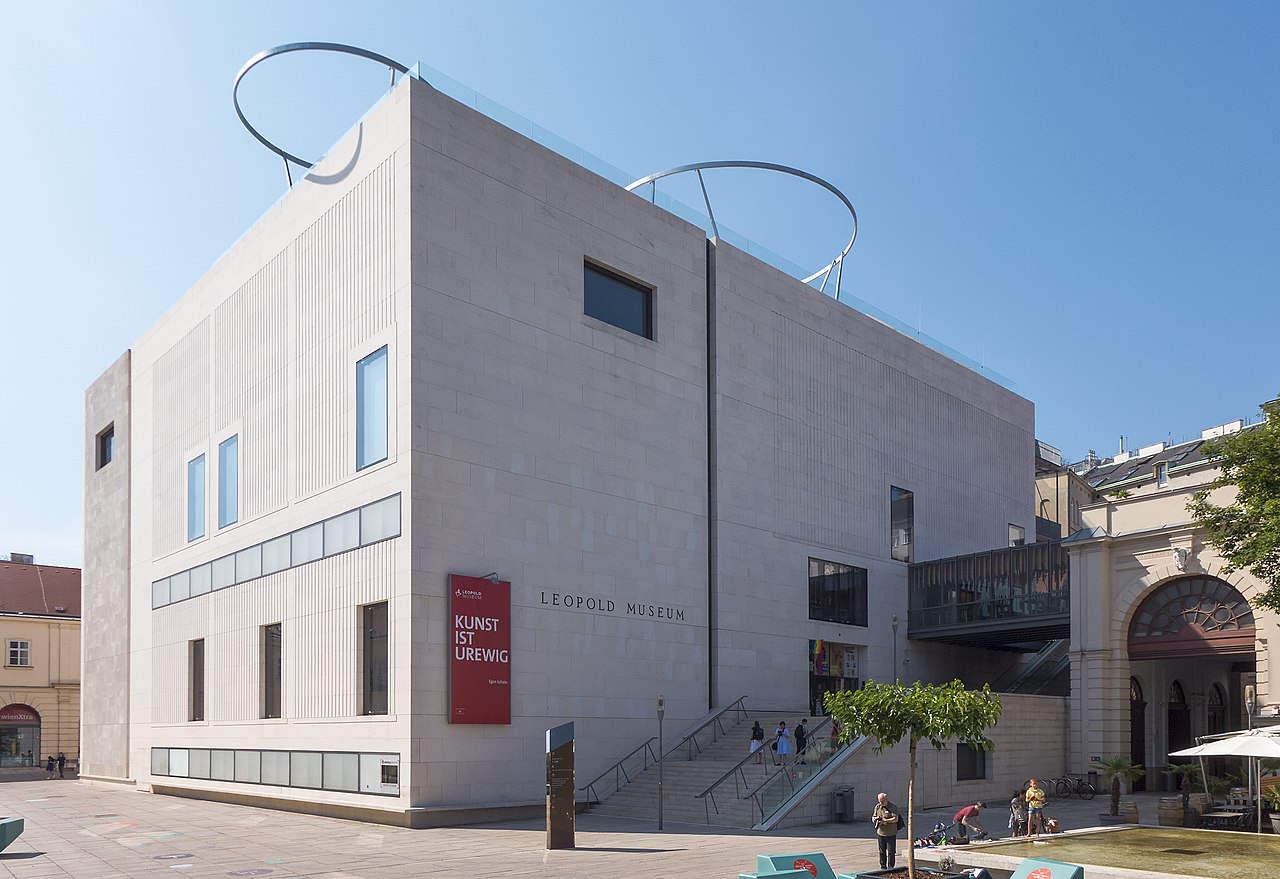
A Contemporary Art Gallery or Museum
✓ Day 4: Albertina

Explore the Iconic Hohensalzburg Fortress and Old Town
✓ Day 5: Wander Getreidegasse

Discover Mozart's Heritage
✓ Day 6: Mozart Residence

Visit Baroque Palaces and Gardens
✓ Day 6: Mirabell Gardens

Experience Salzkammergut Lakes and Salt Mines
✓ Day 7: Salzwelten Hallein (Salt Mines)
📅 Best Time to Visit
April to May or September to October offers pleasant weather with fewer crowds, ideal for exploring cities on foot. Spring brings average temperatures of 10-20 degrees Celsius, with blooming gardens. Fall sees 8-18 degrees Celsius, plus harvest festivals and wine season in Vienna's outskirts. Summer (June-August) averages 20-28 degrees Celsius, but popular spots like Schonbrunn Palace and Salzburg's Old Town become very busy. December is cold but festive, with Christmas markets and temperatures often below freezing.
Part two
The plan, day by day
7-day trip
Vienna claims the first four nights, serving as your arrival point and housing the major imperial sites. This front-loads the timed-entry palaces and grand museums while you are fresh, tackling Schonbrunn and Belvedere early. The mid-trip transfer on Day 5 to Salzburg provides a welcome change of pace, letting the travel day double as a gentle reset.
Salzburg then takes the final three nights, a smaller city where its Old Town and natural surroundings can be explored without rush before departure. This trip prioritizes Austria's imperial history, classical music heritage and grand cityscapes, blending Vienna's vast collections with Salzburg's baroque heart. Given the seven days split between two cities, you will not venture into Austria's dedicated Alpine hiking regions like Zillertal or the landscapes of High Tauern National Park.
There is also no time for a visit to Hallstatt's scenic lakeside village or the vineyards of Wachau Valley. This itinerary is the right cut if you came for palaces and coffee houses; the wrong one if your trip is truly about the mountains or villages. To extend this trip, add two nights to explore the Wachau Valley.
Base yourself in Durnstein or Melk and bike through terraced vineyards, sample local wines and visit the Melk Abbey overlooking the Danube River.
- Morning
08:00 AM - Arrive at Vienna International Airport (VIE)· 2 hrs
USD 15 (~EUR 14) Hansueli Krapf This file was uploaded with Commonist. (CC BY-SA 3.0)
Welcome to Vienna! You'll arrive at Vienna International Airport (VIE). For transfer to the city center, consider the City Airport Train (CAT) for a quick 16-minute ride to Wien Mitte (estimated cost $13-15 per person). A cheaper option is the S-Bahn (line S7), taking about 25 minutes to Wien Mitte (estimated cost $5 per person). Taxis are also readily available, offering a direct route to your hotel area in about 30 minutes (estimated cost $45-55).
- 🕐 Monday: 9:00 AM – 6:00 PM; Tuesday: 9:00 AM – 6:00 PM; Wednesday: 9:00 AM – 6:00 PMConfirm hours on Maps
10:00 AM - Visit Hofburg Palace· 3 hrs 30 min
USD 18 (~EUR 17) - Afternoon
01:30 PM - Lunch: Trzesniewski Broetchen in Innere Stadt· 45 min
USD 10 (~EUR 9)Trzesniewski BroetchenGrab a quick, iconic Viennese lunch of Trzesniewski Broetchen. These small, open-faced sandwiches offer a wide array of colorful spreads, perfect for a stand-up meal amidst your sightseeing.
Often found around Innere Stadt (Dorotheergasse)Typical $1–3 - 🕐 Monday: Open 24 hours; Tuesday: Open 24 hours; Wednesday: Open 24 hoursConfirm hours on Maps
02:30 PM - Stroll through Stadtpark· 1 hr
FREE 03:45 PM - Experience Viennese Coffee House Culture at Cafe Sacher Wien· 1 hr 30 min
USD 15 (~EUR 14)Wiener MelangeIndulge in a classic Viennese cultural experience at Cafe Sacher. Enjoy a Wiener Melange, Vienna's take on a cappuccino, alongside a slice of the famous Sachertorte. It's an essential part of the city's heritage.
Typical $4–7- Evening
07:00 PM - Dinner: Wiener Schnitzel (vom Kalb) in Innere Stadt· 1 hr 15 min
USD 25 (~EUR 23)Wiener Schnitzel (vom Kalb)Savor the quintessential Viennese dish, Wiener Schnitzel vom Kalb. This thinly pounded veal cutlet, breaded and pan-fried, is traditionally served with a lemon wedge. You'll find excellent options in the Innere Stadt.
Typical $18–35 - Confirm hours on Maps
08:30 PM - Attend a classical music performance at Musikverein Wien· 2 hrs
USD 60 (~EUR 55)
Innere Stadt
This central district places you within walking distance of Hofburg Palace, St. Stephen's Cathedral, and many coffee houses. Excellent metro connections mean easy access to other parts of Vienna. You'll find a wide range of restaurants and a vibrant atmosphere, but it can be busy.
- Morning🕐 Monday: 8:30 AM – 5:30 PM; Tuesday: 8:30 AM – 5:30 PM; Wednesday: 8:30 AM – 5:30 PMConfirm hours on Maps
08:30 AM - Schonbrunn Palace· 4 hrs
USD 22 (~EUR 20) - Afternoon
12:30 PM - Lunch: Wiener Gulasch in Meidling· 1 hr
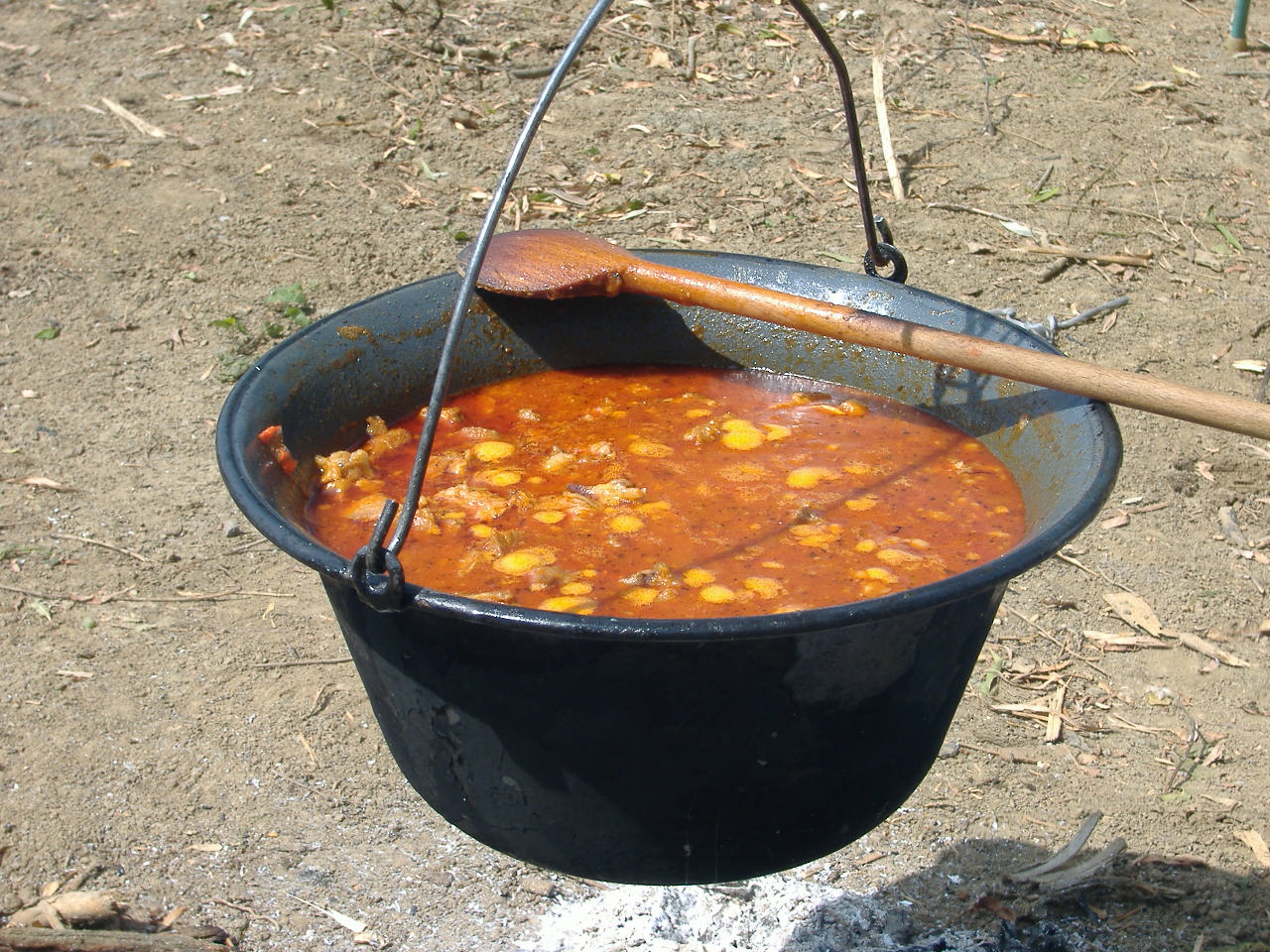
USD 15 (~EUR 14)Wiener GulaschEnjoy a hearty bowl of rich, paprika-spiced beef goulash, a comforting Viennese classic perfect for fueling your day. Find a local spot in the Meidling district.
Typical $12–20 - 🕐 Monday: 6:30 AM – 8:00 PM; Tuesday: 6:30 AM – 8:00 PM; Wednesday: 6:30 AM – 8:00 PMConfirm hours on Maps
01:30 PM - Schonbrunn Palace Park· 2 hrs 30 min
FREE - 🕐 Monday: 10:00 AM – 6:00 PM; Tuesday: 10:00 AM – 6:00 PM; Wednesday: 10:00 AM – 6:00 PMConfirm hours on Maps
04:15 PM - Kunsthistorisches Museum Wien· 1 hr 45 min
USD 16 (~EUR 15) - EveningCloses 7 PM · 45min here⚠️ Closes before activity ends (verified)🕐 Monday: Closed; Tuesday: 10:00 AM – 4:00 PM; Wednesday: 10:00 AM – 4:00 PMConfirm hours on Maps
06:15 PM - Votive Church· 1 hr
FREE 07:30 PM - Dinner: Tafelspitz in Wieden· 1 hr 15 min
USD 25 (~EUR 23)TafelspitzIndulge in Tafelspitz, a refined Viennese specialty of boiled prime beef, traditionally served with clear broth, root vegetables, and chive sauce in a charming Wieden restaurant.
Typical $16–28
Innere Stadt
Central to Vienna's major attractions, many are within walking distance. It has excellent public transport connections and a wide range of restaurants, offering a lively but safe atmosphere.
- Morning🕐 Monday: 9:00 AM – 6:00 PM; Tuesday: 9:00 AM – 6:00 PM; Wednesday: 9:00 AM – 6:00 PMConfirm hours on Maps
09:00 AM - Belvedere Palace· 3 hrs
USD 24 (~EUR 22) - Afternoon
12:30 PM - Lunch: Wiener Gulasch in Wieden· 1 hr
USD 18 (~EUR 17)Wiener GulaschEnjoy a comforting bowl of rich, paprika-spiced beef stew, a hearty Viennese classic. Find a cozy spot near Karlskirche.
Typical $12–20 - 🕐 Monday: 7:30 AM – 7:00 PM; Tuesday: 7:30 AM – 7:00 PM; Wednesday: 7:30 AM – 7:00 PMConfirm hours on Maps
01:30 PM - St. Charles's Church· 1 hr 30 min
USD 10 (~EUR 9) - Evening🕐 Monday: 10:00 AM – 10:00 PM; Tuesday: 10:00 AM – 10:00 PM; Wednesday: 10:00 AM – 10:00 PMConfirm hours on Maps
05:30 PM - Danube Tower· 1 hr 30 min
USD 16 (~EUR 15) 07:30 PM - Dinner: Leberkase Semmel in Leopoldstadt· 1 hr
USD 14 (~EUR 13)Leberkase SemmelTry a classic Leberkase Semmel, a warm, savory meatloaf slice served in a crusty roll. It is a simple but deeply satisfying local favorite.
Typical $4–7
Innere Stadt
Central to Vienna's main attractions, many within walking distance. Excellent access to public transport for longer distances and a wide variety of dining options.
- Morning🕐 Monday: 10:00 AM – 6:00 PM; Tuesday: 10:00 AM – 6:00 PM; Wednesday: 10:00 AM – 9:00 PMConfirm hours on Maps
10:00 AM - Albertina· 2 hrs 30 min
USD 19 (~EUR 17) - Afternoon
12:45 PM - Lunch: Wiener Gulasch in Landstrasse· 1 hr
USD 15 (~EUR 14)Wiener GulaschSavor a hearty Wiener Gulasch, a rich beef stew with paprika. It is a comforting meal, perfect before an afternoon of exploring.
Typical $12–20 - Evening🕐 Monday: 9:00 AM – 11:45 PM; Tuesday: 9:00 AM – 11:45 PM; Wednesday: 9:00 AM – 11:45 PMConfirm hours on Maps
05:15 PM - Viennese Giant Ferris Wheel· 45 min
USD 14 (~EUR 13) 07:30 PM - Dinner: Tafelspitz in Neubau· 1 hr
USD 22 (~EUR 20)TafelspitzEnjoy Tafelspitz, a classic Viennese dish of boiled prime beef in broth. It is traditionally served with apple horseradish and chive sauce.
Typical $16–28
Innere Stadt
Central to many major attractions like Hofburg, St. Stephen's Cathedral, and Albertina, making walking to sights easy. It offers excellent restaurant choices and convenient tram connections to other areas.
- Morning🕐 Monday: 9:00 AM – 8:00 PM; Tuesday: 9:00 AM – 8:00 PM; Wednesday: 9:00 AM – 8:00 PMConfirm hours on Maps
09:00 AM - Visit Haus des Meeres (House of the Sea)· 2 hrs
USD 22 (~EUR 20) - Afternoon
12:00 PM - Lunch: Sachertorte in Innere Stadt· 1 hr
USD 15 (~EUR 14)SachertorteIndulge in a classic slice of Sachertorte, a rich chocolate cake with apricot jam, a perfect final Viennese treat before heading to the train station.
Typical $5–9 01:30 PM - Train from Vienna to Salzburg· 3 hrs 30 min
USD 75 (~EUR 69)Travel from Vienna Central Station to Salzburg Hauptbahnhof by direct train. The journey offers scenic views of the Austrian countryside.
- Evening
05:00 PM - Hotel check-in in Salzburg· 1 hr
FREECheck into your hotel and settle in after your train journey from Vienna.
07:30 PM - Dinner: Pinzgauer Kasnocken in Salzburg Altstadt· 1 hr
USD 18 (~EUR 17)Pinzgauer KasnockenSavor Pinzgauer Kasnocken, a hearty local dish of small cheese dumplings topped with fried onions, a true taste of Austrian comfort food.
Typical $10–18
Salzburg Altstadt
Staying in Salzburg Altstadt puts you right in the heart of the historic center, within easy walking distance of Hohensalzburg Fortress, Mirabell Gardens, and Mozart's birthplace. You will find excellent traditional restaurants and cafes close by.
- Morning🕐 Monday: 8:30 AM – 8:00 PM; Tuesday: 8:30 AM – 8:00 PM; Wednesday: 8:30 AM – 8:00 PMConfirm hours on Maps
09:00 AM - Fortress Hohensalzburg· 3 hrs
USD 15 (~EUR 14) - Afternoon
12:30 PM - Lunch: Pinzgauer Kasnocken in Salzburg Altstadt· 1 hr
USD 18 (~EUR 17)Pinzgauer KasnockenSavor Pinzgauer Kasnocken, hearty cheese dumplings from the Pinzgau region, topped with crispy fried onions. It's a satisfying dish after exploring the fortress.
Typical $10–18 - Closes 5:30 PM · 4h here🕐 Monday: 9:00 AM – 5:30 PM; Tuesday: 9:00 AM – 5:30 PM; Wednesday: 9:00 AM – 5:30 PMConfirm hours on Maps
01:30 PM - Mozart Residence· 1 hr 30 min
USD 12 (~EUR 11) - 🕐 Monday: 6:00 AM – 9:00 PM; Tuesday: 6:00 AM – 9:00 PM; Wednesday: 6:00 AM – 9:00 PMConfirm hours on Maps
03:00 PM - Mirabell Gardens· 1 hr 30 min
FREE - Evening
07:30 PM - Dinner: Salzburger Nockerl in Maxglan· 1 hr
USD 20 (~EUR 18)Salzburger NockerlEnd your day with a classic Salzburger Nockerl, a light, sweet souffle representing Salzburg's mountains. It arrives warm and clouds of egg foam.
Typical $15–25
Salzburg Altstadt
The Altstadt puts you right in Salzburg's historic heart, perfect for walking to sights like Hohensalzburg Fortress and Mozart's Residence. You get easy access to charming streets, local eateries, and a vibrant atmosphere.
- Morning🕐 Monday: 9:00 AM – 5:00 PM; Tuesday: 9:00 AM – 5:00 PM; Wednesday: 9:00 AM – 5:00 PMConfirm hours on Maps
09:00 AM - Salzwelten Hallein (Salt Mines)· 3 hrs
USD 30 (~EUR 28) - Afternoon🕐 Monday: 9:00 AM – 7:00 PM; Tuesday: 9:00 AM – 7:00 PM; Wednesday: 9:00 AM – 7:00 PMConfirm hours on Maps
01:00 PM - Panoramic Viewpoint - Hallstatt· 2 hrs
FREE 04:00 PM - Lunch: Schweinshaxe in Salzburg Altstadt· 1 hr
USD 20 (~EUR 18)SchweinshaxeEnjoy a traditional Bavarian-style roast pork hock, a hearty local specialty, in Salzburg's Old Town before heading back to your hotel.
- Evening
05:15 PM - Hotel Checkout & Luggage Collection· 30 min
FREEReturn to your hotel, complete the checkout process, and collect your luggage for the airport transfer.
05:45 PM - Depart from Salzburg Airport (SZG)· 4 hrs 30 min
USD 25 (~EUR 23) Martin Belam (currybet) (CC BY-SA 2.0
Transfer to Salzburg Airport (SZG) for your international flight home to New York, NY. Allow ample time for check-in and security.
Like this plan? Make it yours
Same destination, your dates, budget, and pace — generated free in about a minute.
Customize this tripFreePart three
Food, shopping & festivals
Top 10 dishes to try

Wiener Melange
Vienna
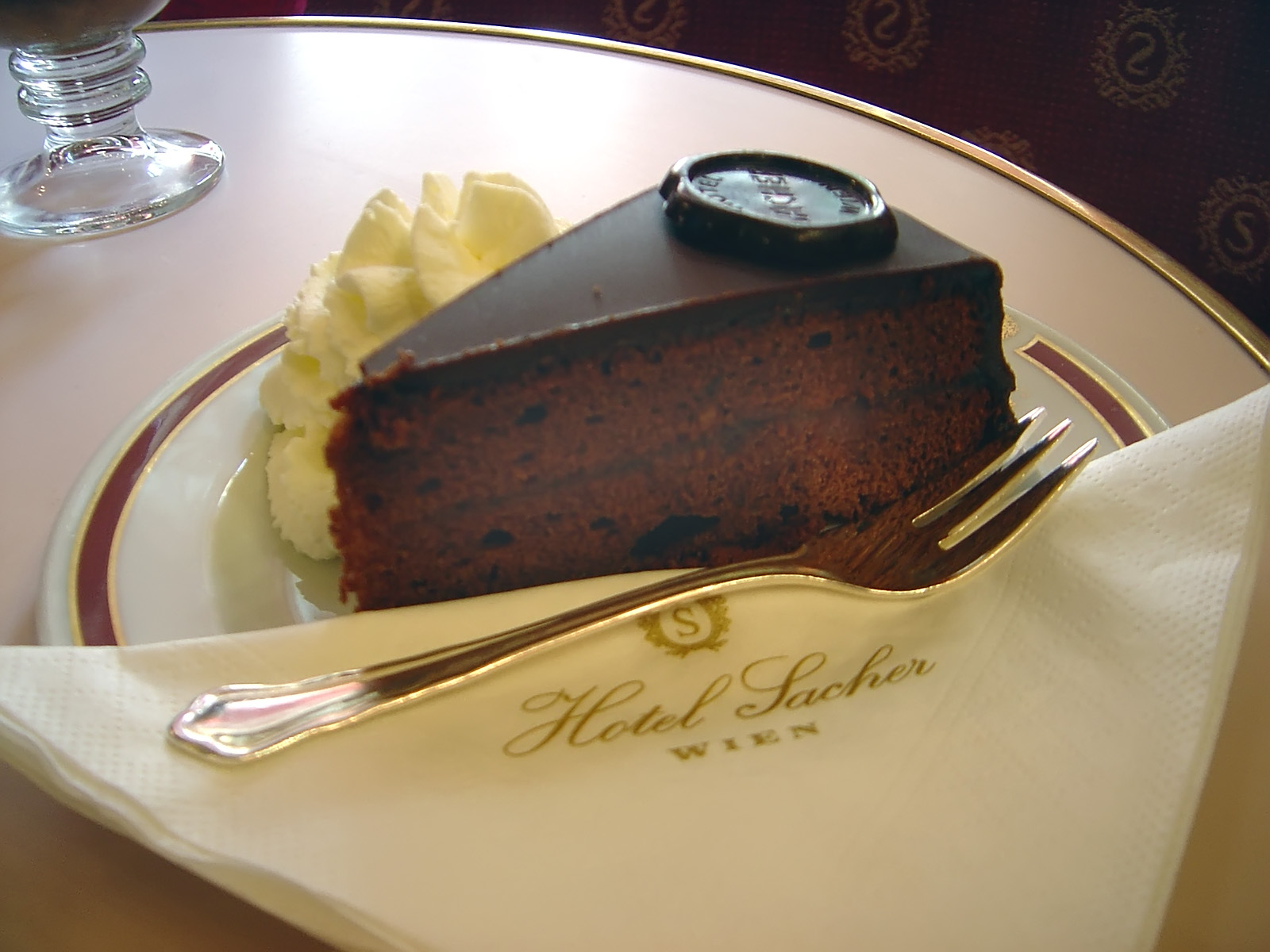
Sachertorte
Vienna

Salzburger Nockerl
Salzburg

Wiener Schnitzel (vom Kalb)
Trzesniewski Broetchen
Vienna
These small, colorful open-faced sandwiches are a true Viennese institution, featuring a huge variety of spreads from herring to egg to paprika cream cheese. Perfect for a quick, stand-up lunch.
📍 Innere Stadt (Dorotheergasse)

Pfiff
Vienna
📍 Nationwide
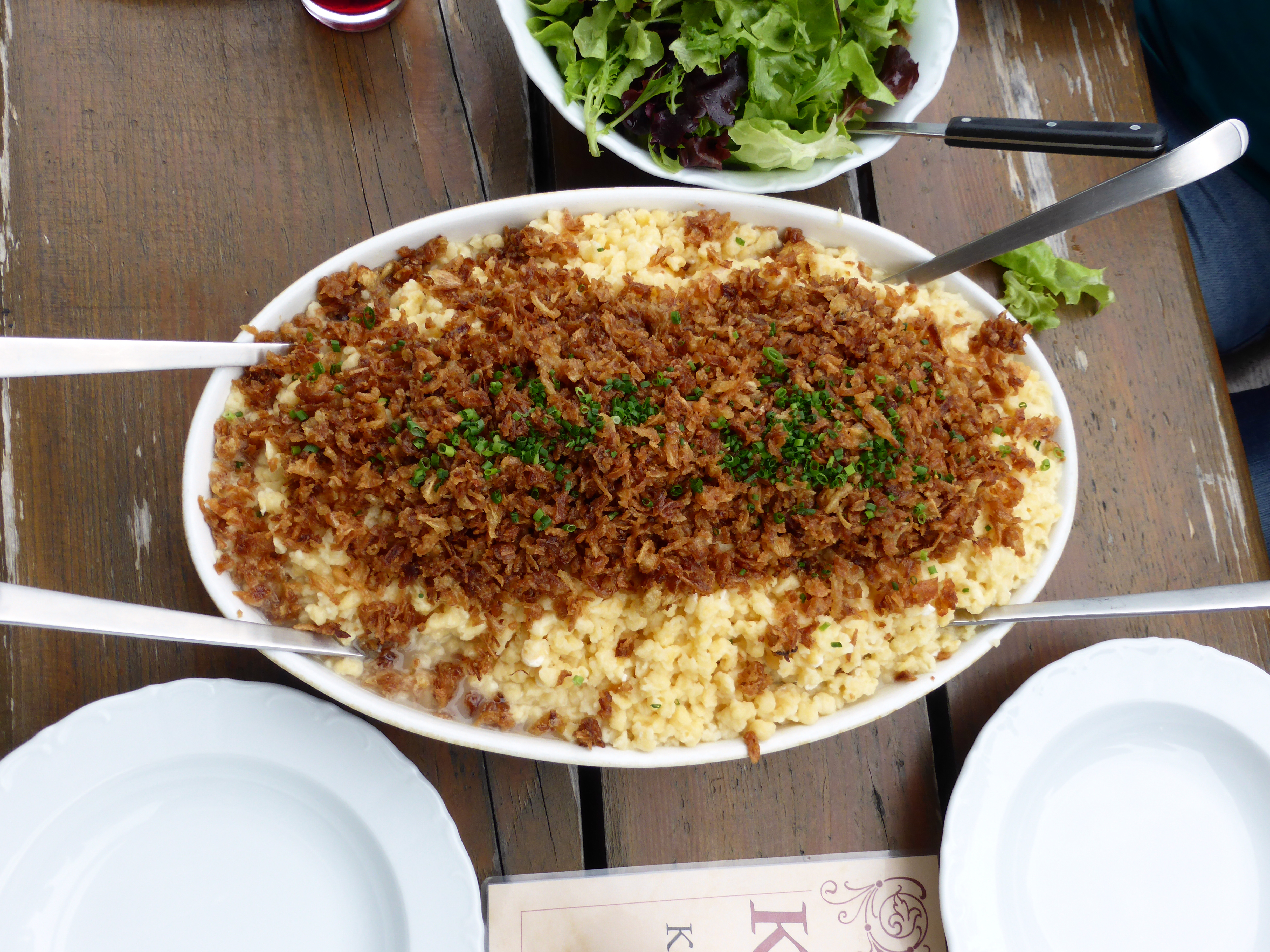
Pinzgauer Kasnocken
Salzburg
Wiener Gulasch
Vienna

Tafelspitz
Vienna

Leberkase Semmel
Markets & neighborhoods
A vibrant open-air market with stalls selling local and international foods, spices, and produce, plus numerous small restaurants for lunch and dinner.
Fresh produce, local cheeses, baked goods, and Pinzgauer specialties every Thursday morning near Mirabell Palace.
Traditional coffee houses, elegant restaurants serving Wiener Schnitzel and Tafelspitz, and the original Trzesniewski for quick bites.
Trendy bars, bohemian cafes, and microbreweries along Gumpendorfer Strasse, offering a more contemporary dining scene away from the historic center.
Traditional Austrian Gasthaus fare and historic cafes selling legendary cakes like Sachertorte.
Good to Know
Top 10 souvenirs

Mozartkugel
Vienna
📍 Mirabell (available in most supermarkets), Hofzuckerbacker Demel (Kohlmarkt 14) for high-end versions.

Salzburg Salt Products
Salzburg
📍 Salzwelten Shop (Bad Durrnberg/Hallstatt, or specialty shops in Old Town like 'Salzburger Heimatwerk')

Original Salzburger Mozartkugel
Salzburg
📍 Konditorei Furst (Getreidegasse, Alter Markt, Ritzerbogen)

Original Viennese Snow Globe
Vienna
📍 Original Wiener Schneekugelmanufaktur (Schumanngasse 87).

Traditional Austrian Schnaps
Salzburg
📍 Sporer Likor & Punschmanufaktur (Getreidegasse 39), specialist liquor stores

Original Sacher-Torte
Vienna
📍 Hotel Sacher Wien (Philharmonikerstrasse 4) or its Sacher Shops.

Augarten Porcelain
Vienna
📍 Augarten Porzellan Manufaktur (Schloss Augarten or Stock-im-Eisen-Platz 3-4).

Loden Clothing
Salzburg
📍 Loden Frey (Schwarzstrasse 10), Resch & Liebler (Griesgasse 22)

Violet Candies (Kaiserliche Veilchen)
Vienna
📍 Hofzuckerbacker Demel (Kohlmarkt 14) or Confiserie Heindl (multiple locations).
Pumpkin Seed Oil (Kernoel)
Vienna
📍 Naschmarkt, local delicatessens, or larger supermarkets like Billa Plus.
Markets & districts
Exotic spices, fresh produce, regional delicacies, street food, antiques, quirky second-hand items.
A bustling, vibrant market with over 100 food and antique stalls. It can get very crowded, especially on Saturdays during the flea market.
Fresh produce, local cheeses, meats, baked goods, flowers, and some regional crafts.
A vibrant daily market (except Sundays) where locals shop for groceries. It is lively and authentic, good for picking up picnic supplies or edible souvenirs.
Luxury fashion, traditional Austrian crafts, imperial souvenirs, fine chocolates, high-end jewelry.
The historic center offers elegant boutiques and international brands on Graben and Kohlmarkt. Expect high prices and watch out for pickpockets, especially in crowded tourist areas.
Good to Know
Vienna Philharmonic New Year's Concert
Neujahrskonzert der Wiener Philharmoniker
Jan 1
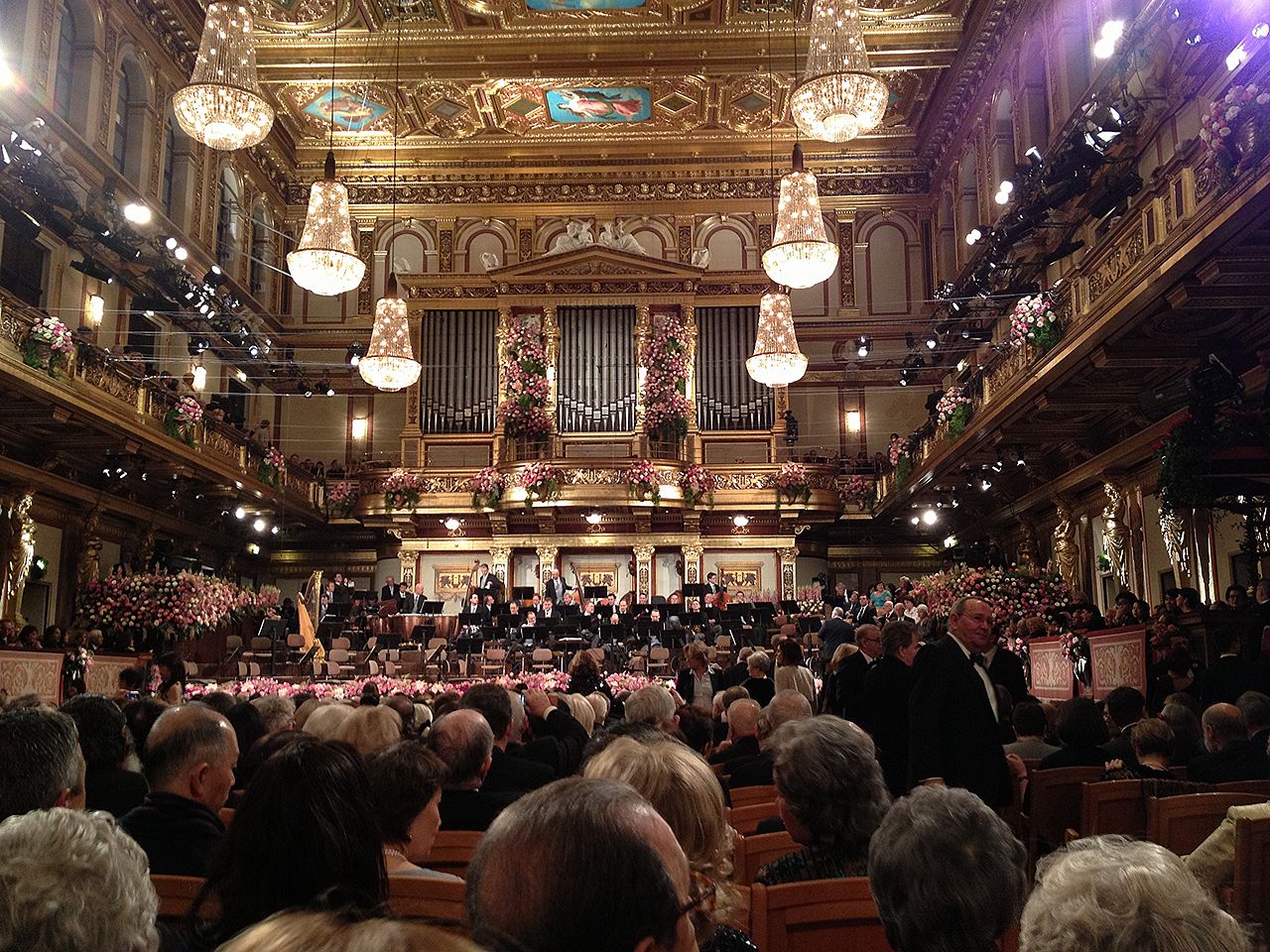
Broadcast to 90 countries every January 1 from the Musikverein Golden Hall. Strauss waltzes and polkas. Tickets distributed by lottery each February for the following year.

Vienna Opera Ball
Wiener Opernball
Feb 12
Held on the last Thursday before Ash Wednesday at the Vienna State Opera. Austria's most prestigious ball, featuring 144 debutante couples opening the ceremony. Formal white tie required.

Salzburg Festival
Salzburger Festspiele
Jul 17
World-renowned festival of opera, drama, and classical music in Mozart's birthplace.

Austria National Day
Nationalfeiertag
Oct 26
October 26 marks the 1955 law declaring Austria's neutrality. Military parade at Vienna's Heldenplatz, free entry to all federal museums, and public access to the Hofburg Palace.

Christmas
Weihnachten
Dec 25
Vienna's Rathausplatz Christmas market is one of Europe's most celebrated, and Salzburg's setting inspired 'Silent Night'. The Advent season is a major cultural event — Christkindlmarkt stalls appear in every town square. Heiligabend (Dec 24) is the main family celebration day. Krampus parades precede Christmas on Dec 5.
Part four
Costs & booking
- Total for a couple — 7 days mid-range trip, excludes international flights
- Accommodation assumes 1 shared room
- Rough estimates — actual prices vary by season and availability
Local Transport
Accommodation
AI estimated based on typical hotel costs
Food
Activities
Curious how this stacks up? See how trip costs compare across countries in our Trip Cost Index.
Austria is moderate overall; expect $100-150/night for decent hotels and $15-25 for a sit-down lunch. Look for a 'Mittagsmenu' (lunch menu) for EUR12-18, and tap water is safe to drink.
In Vienna, buy a 7-day public transport ticket (Wochenkarte) for about EUR 17.10. It covers all U-Bahn, tram, and bus lines, saving you money over individual tickets.
For cheaper meals, visit supermarkets like Billa or Spar for breakfast items, snacks, or picnic supplies. This can reduce your daily food spend by $10-15 per person.
In Salzburg, consider the Salzburg Card for 24, 48, or 72 hours. A 48-hour card costs about EUR 36-40 and covers Fortress Hohensalzburg entry plus public transport.
Attend a classical music concert in Vienna at places like the Musikverein or Schoenbrunn Palace. Tickets start around EUR 40-50 for an evening that anchors your trip's history focus.
Classical music performance at Musikverein WienDay 1
Book 2 months ahead -- Popular classical music performances, especially at renowned venues like Musikverein, often sell out well in advance for specific dates. Secure your preferred seats early.
Hofburg Palace timed entry ticketDay 1
Book 1 week ahead -- While not as strict as some European attractions, reserving timed entry helps avoid queues and guarantees admission, especially during peak tourist season.
Schonbrunn Palace timed entry ticketDay 2
Book 1 week ahead -- Schonbrunn Palace is a major attraction and timed entry tickets are highly recommended to manage crowds and ensure a smooth visit without long waits.
Kunsthistorisches Museum Wien entry ticketDay 2
Book 1 week ahead -- Reserving museum tickets in advance is advisable to skip lines and guarantee entry, particularly for prominent museums like the Kunsthistorisches Museum.
Belvedere Palace entry ticketDay 3
Book 1 week ahead -- To avoid queues and ensure smooth entry, particularly to see Gustav Klimt's 'The Kiss' and other masterpieces, pre-booking Belvedere Palace tickets is recommended.
Danube Tower entry ticketDay 3
Book 1 week ahead -- Booking tickets for observation decks like the Danube Tower ensures your desired entry time and reduces waiting, especially around sunset or peak hours.
Albertina entry ticketDay 4
Book 1 week ahead -- Pre-booking entry to the Albertina, a significant art museum, helps in bypassing ticket lines and facilitating a more efficient visit.
Viennese Giant Ferris Wheel ticket (Riesenrad)Day 4
Book 3 days ahead -- While tickets are often available on-site, pre-booking for the Riesenrad during peak times or holidays can save waiting time.
Salzwelten Hallein (Salt Mines) tourDay 7
Book 1 week ahead -- Salt mine tours, especially those involving specific time slots and guided experiences, are popular and should be booked in advance to secure your spot.
Part five
Before you go
Vienna has excellent U-Bahn; ÖBB trains connect cities
Wiener Linien pass (Vienna)
Get a 24/72-hour Vienna pass for unlimited transit. Book ÖBB Sparschiene tickets for cheap fares.
- Purchase a Vienna Pass or Salzburg Card if you plan heavy sightseeing; calculate if included entries and transport outweigh the cost for your planned activities.
- Validate your public transport ticket (U-Bahn, tram, bus) immediately upon boarding or before entering the platform to avoid a substantial fine (over 100 EUR).
- Book tickets for popular Schonbrunn Palace tours (Imperial, Grand Tour) online a few days ahead to secure your preferred time slot and skip the long ticket lines.
- When visiting St. Stephen's Cathedral in Vienna, ascend the South Tower for panoramic city views; skip the North Tower which only goes to the Pummerin bell.
- For classical music concerts in Vienna, check schedules at the Musikverein or Vienna State Opera and book tickets weeks in advance, especially for popular performances.
- Explore Salzburg's Altstadt (Old Town) on foot; the city is compact, and many charming alleys are inaccessible to cars.
- Use OEBB trains for intercity travel between Vienna and Salzburg; book Sparschiene tickets online up to six months in advance for significant savings over day-of fares.
- Try a traditional Wiener Schnitzel or Sachertorte at a classic Viennese coffee house like Cafe Central or Demel; ordering a simple Melange (Viennese coffee) is also a must.
0 / 33 packed
Note: Travel conditions, regulations, and local customs may change. We recommend verifying essential details — such as visa requirements, emergency contacts, and payment options — closer to your travel date.
Stay connected abroad
Get a local eSIM — no swapping physical SIMs
Visa & Entry Requirements
Austria is part of the Schengen Area. US, UK, EU, Australian, and Canadian citizens can enter visa-free for stays up to 90 days within any 180-day period. Indian citizens typically need a Schengen visa, which must be applied for in advance at an Austrian embassy or consulate. All travelers should ensure their passport is valid for at least six months beyond their intended departure date from the Schengen Area.
SIM & Connectivity
SIM Options
📍 Mobile carrier stores, some supermarkets (e.g., Hofer, Spar), tobacconists (Trafik)
📍 Online via Airalo app
Free WiFi is common in cafes, restaurants, and hotels throughout Vienna and Salzburg; look for public hotspots in city centers. Some cafes provide the key upon purchase. Vienna specifically has public Wi-Fi hotspots from the local government.
Useful Apps
Roaming within the EU is typically included in most European SIM plans, so an Austrian SIM will work without extra charges in neighboring EU countries. If using a physical SIM, confirm your phone is unlocked before leaving home.
Electric Socket Guide(230V · 50Hz)
Socket Types
Two round pins (most of Europe, South America)
Two round pins + side earth clips (Germany, Europe)
Tipping Etiquette
5–10% or round up
Round up or 10%
€1–2 per bag
Safety & Travel Advisories
Check official government advisories for the latest safety information, entry requirements, and travel warnings before your trip.
Emergency Numbers
133
144
122
112 for European emergency number
Payments
Austria is more cash-friendly than many EU countries
Accepted at most places but cash still common
Available at larger establishments
Carry cash — many traditional restaurants and heurigers prefer it.
Most citizens from countries like the US, UK, EU, and Australia can enter Austria visa-free for up to 90 days within a 180-day period, as Austria is part of the Schengen Area. Travelers from other nations, such as India, typically need to apply for a Schengen visa in advance through an Austrian embassy or consulate. Always verify your specific nationality's requirements before your trip.
Austria is one of the safest countries globally, and Vienna is exceptionally safe, even at night. Solo female travelers can explore freely, including public transport and central districts after dark. The main concern is pickpocketing in crowded tourist zones, so keep valuables secure. Women-only train compartments are not a feature of Austrian public transport, but general safety is high.
The official currency in Austria is the Euro (EUR). You will find ATMs widely available, and credit cards are accepted in most hotels, restaurants, and shops. However, smaller cafes, bakeries, or market stalls might be cash-only, so it's good to carry some euros.
Tipping is customary in Austria, though it is not as high as in some other countries. In restaurants, rounding up the bill or adding 5-10% for good service is appreciated. For taxi drivers, you can round up to the nearest Euro or add a small percentage. For hotel staff, a few euros for good service is appropriate.
Pack layered clothing, as Austrian weather can change quickly, even within a single day. Comfortable, waterproof walking shoes are essential for city exploration. Consider a smart casual outfit for evenings, especially if you plan to attend a classical concert or opera in Vienna. A compact umbrella is also advisable for sudden rain showers.
The shoulder seasons of April-May (spring) and September-October (fall) offer the best balance of pleasant weather, blooming landscapes, and fewer crowds. Temperatures during these months are mild, ideal for sightseeing. Summer (June-August) is warmer and sees the most tourists, while winter (December-February) is cold but festive with Christmas markets.
The fastest option is the City Airport Train (CAT), taking 16 minutes non-stop to Wien Mitte for 14.90 EUR. A more economical choice is the OEBB Railjet train, which takes about 25 minutes to Wien Hauptbahnhof (main station) for 4.40 EUR. Local S-Bahn S7 trains also run to Wien Mitte and Wien Praterstern, taking around 25 minutes for 4.40 EUR. Taxis are also available, costing around 40-50 EUR.
Be aware that the display of Nazi symbols or gestures is illegal and taken very seriously in Austria. When visiting traditional coffee houses, it's common to take your time and not feel rushed. Formal greetings with 'Gruss Gott' or 'Servus' are common. Removing your shoes when entering someone's home is a polite gesture, especially during colder months.
These 4 experiences didn't make it into this itinerary

A Historic Cemetery Walk
e.g., Zentralfriedhof, St. Marx Cemetery

A Live Jazz or Blues Club
e.g., Porgy & Bess Jazz & Music Club, Jazzland
A Scenic Hike in Wienerwald
e.g., Kahlenberg, Leopoldsberg

A Museum Exploring Local Culture or Art
e.g., Salzburg Museum, Museum der Moderne Monchsberg
Create Your Custom Version
Download this Vienna and Salzburg, Austria itinerary — day-by-day plan, maps, budget, and more.
You Might Also Like
Vienna, Austria
Austria
7 days in Vienna exploring the city's imperial core and artsy western districts. Highlights include the Belvedere Palace collection, a performance at the Wiener Staatsoper, and daily rituals at cafes like Cafe Sperl. Balanced pace with 4-5 activities per day, using the city's efficient metro for...
Vienna, Austria
Austria
This packed 3-day trip immerses a couple in Vienna's imperial grandeur, historical sites, and live entertainment. Explore Schönbrunn Palace and its gardens, wander the historic Innere Stadt, marvel at St. Stephen's Cathedral, and experience a world-class classical music performance. With a...

Prague, Czech Republic; Vienna, Austria; Budapest, Hungary
Czech Republic And Austria And Hungary
This 10-day journey explores the Central European capitals of Prague, Vienna, and Budapest. Begin in Prague, discovering Prague Castle, the Charles Bridge, and Old Town Square. Continue by train to Vienna for Schönbrunn Palace, St. Stephen's Cathedral, and an evening classical concert. Conclude...
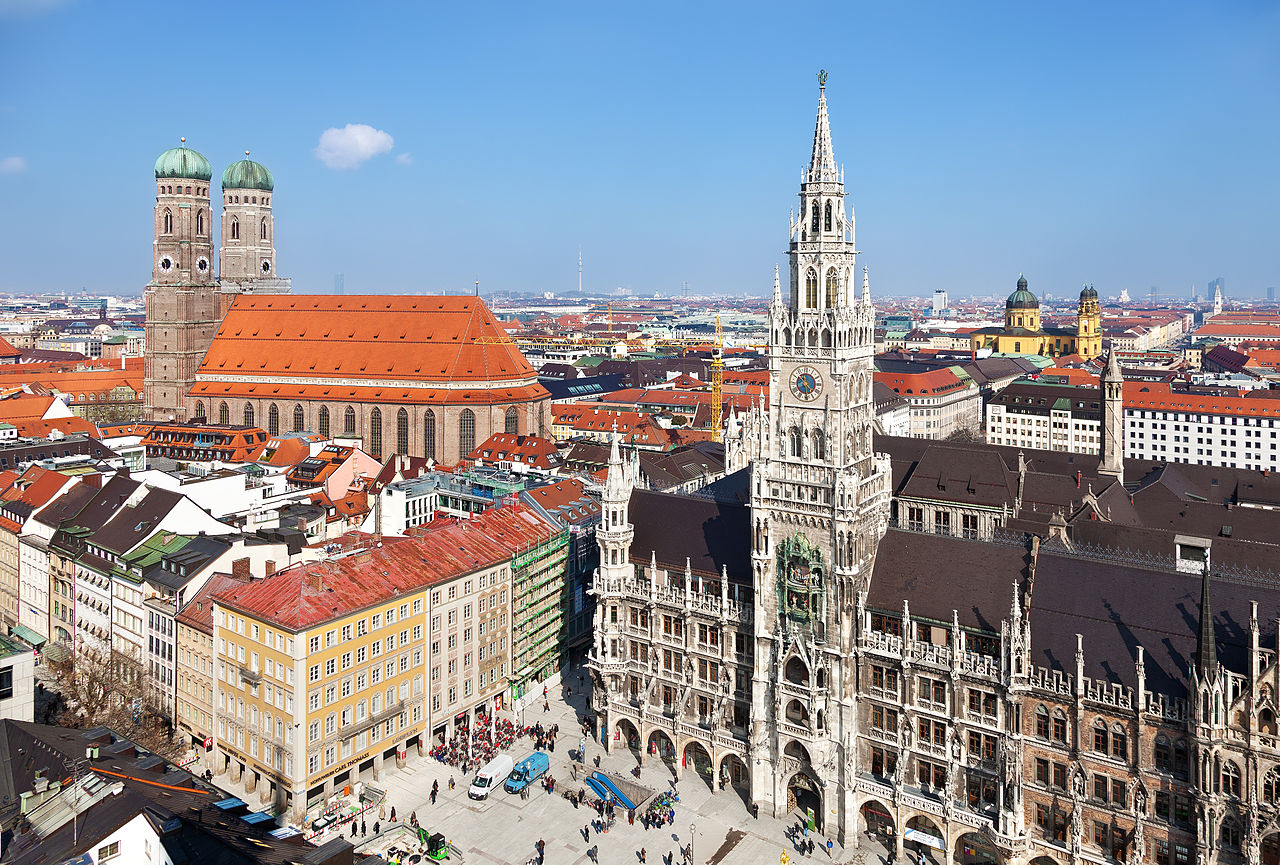
Munich, Germany; Salzburg, Austria; Prague, Czech Republic
Germany And Austria And Czech Republic
This 10-day journey for a couple spans Munich, Salzburg, and Prague, immersing you in Central European history and culture. Begin in Munich, exploring the Hofbräuhaus and English Garden, then transition to Salzburg for Hohensalzburg Fortress and Mozart's birthplace, before concluding in Prague...
Prefer to plan it yourself?
Start from a free, no-signup travel itinerary template. The Excel and Google Sheets versions auto-total the budget and split costs by who paid.
- Free travel itinerary template (all formats)
- Excel itinerary template
- Google Sheets template
- Word itinerary template
- Printable PDF template
- Google Docs itinerary template
- Notion template
- Bachelorette itinerary template
- Disney itinerary template
- Girls trip itinerary template
- Road trip itinerary template
- Business travel itinerary template
- Birthday trip itinerary template
- Family vacation itinerary template
- Honeymoon itinerary template