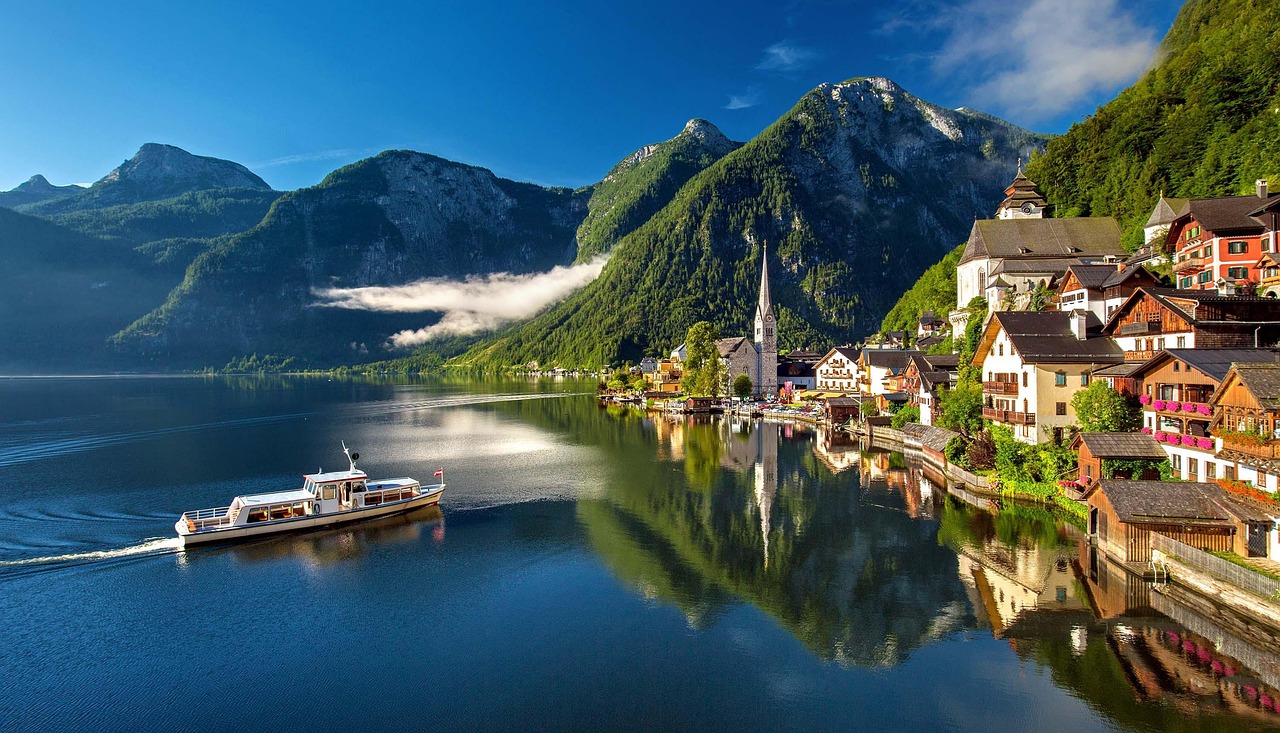
7 Days Austria Itinerary
This 7-day Austrian adventure takes you through the heart of the country, exploring imperial Vienna, the musical city of Salzburg, the charming village of Hallstatt, and the alpine city of Innsbruck. Experience a mix of historical landmarks, stunning natural beauty, and delicious Austrian cuisine.
Duration
7 days
Budget
$700-1400
Best Time
Austria offers unique experiences throughout the year
Activities
29
Daily Avg
$150/day
Cities
Austria (2d), Salzburg (5d)
Pace
Moderate
Austria offers a captivating blend of imperial history, stunning alpine landscapes, and vibrant cultural experiences. From the grand palaces of Vienna to the picturesque villages nestled in the Alps, Austria provides a diverse and unforgettable travel experience.
Your itinerary covers 4 of 10 must-have experiences
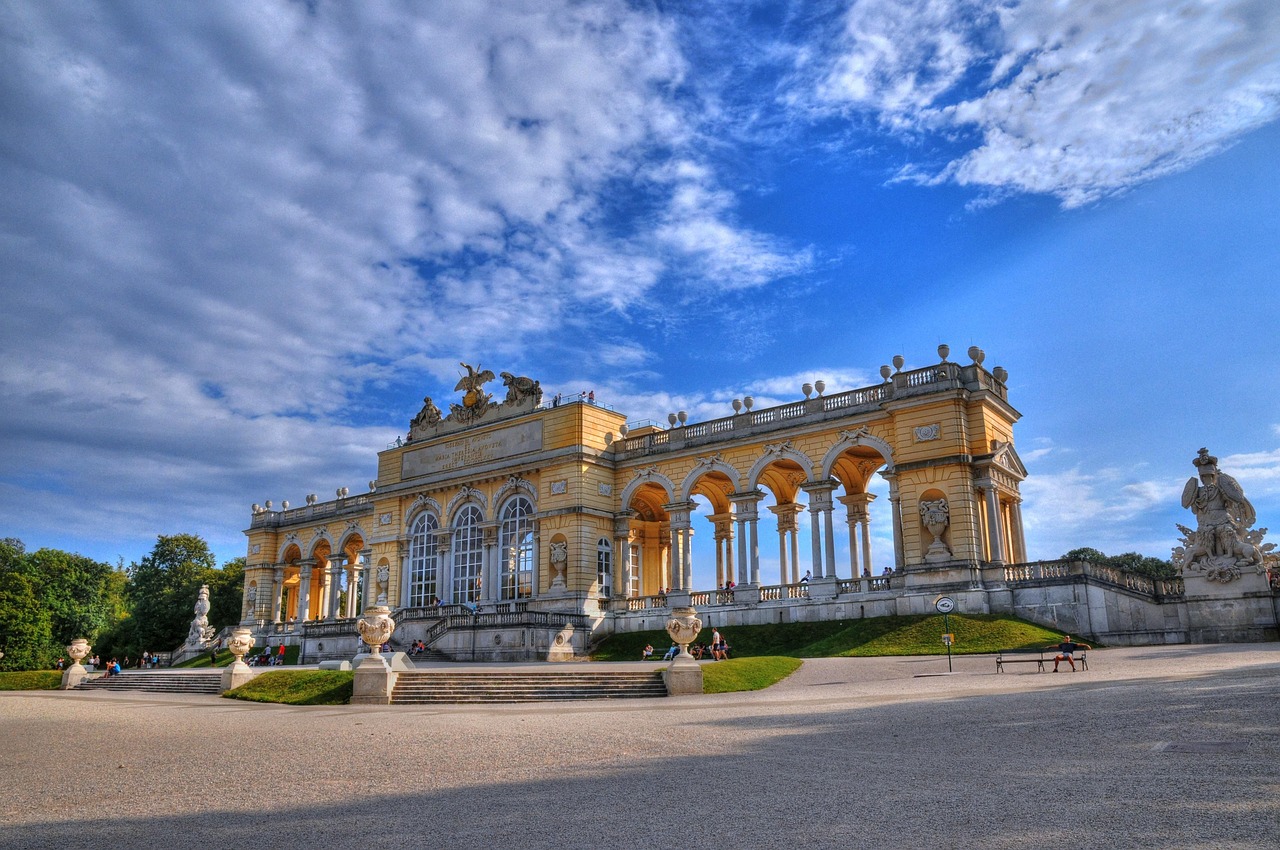
An Imperial Palace
Day 1: Schönbrunn Palace Tour
An Alpine Summit
e.g., Großglockner High Alpine Road, Dachstein Skywalk (Schladming)
A Historic Coffee House
e.g., Café Central (Vienna), Demel (Vienna)
A Vibrant Local Market
Day 1: Lunch at Naschmarkt
A Classical Music Performance
Day 4: Sound of Music Tour (Optional)
A Serene Lakeside Town
Day 5: Bus to Hallstatt
A Traditional Wine Tavern (Heuriger)
e.g., Mayer am Pfarrplatz (Vienna), Heuriger Hengl-Haselbrunner (Vienna)
A World-Class Art Museum
e.g., Albertina (Vienna), Kunsthistorisches Museum (Vienna)
A Relaxing Thermal Spa
e.g., Therme Wien (Vienna), Aqua Dome (Längenfeld, Tyrol)
A Subterranean Ice World
e.g., Eisriesenwelt Werfen (Salzburg), Dachstein Ice Cave (Obertraun)
Austrian cuisine is hearty and comforting, heavily influenced by its Central European neighbors. Expect rich flavors, generous portions, and a focus on meat, potatoes, and dumplings. Don't miss out on the pastries – they are world-renowned!
Must-Try Dishes
A thin, breaded, and pan-fried cutlet of veal (traditionally), pork, or chicken. It's crispy, savory, and a true Austrian classic.
📍 Figlmüller (Vienna), traditional restaurants (Gasthäuser) throughout Austria
A dense chocolate cake with a thin layer of apricot jam, coated in dark chocolate icing. It's rich, decadent, and a must-try for chocolate lovers.
📍 Hotel Sacher (Vienna), Café Central (Vienna), most cafes
Boiled beef in broth, served with horseradish sauce, creamed spinach, and potato rösti. A simple yet flavorful and comforting dish.
📍 Plachutta Wollzeile (Vienna), traditional restaurants specializing in Austrian cuisine
Soft egg noodles mixed with melted cheese (typically Emmental or Gruyère) and topped with crispy fried onions. A hearty and satisfying vegetarian option.
📍 Mountain huts (Almhütten), traditional restaurants in the Alps
Food Neighborhoods
International food stalls, fresh produce, spices
Kosher and Jewish cuisine, diverse restaurants
Trendy cafes, restaurants, and bars
Traditional Austrian cuisine, upscale dining
Vegetarian options are becoming increasingly available, especially in larger cities. Look for 'Vegetarisch' on menus. Vegan options are less common, but growing in popularity; HappyCow app can be helpful. For allergies, clearly communicate your needs in German (or English) to the waitstaff. Halal food is not widely available outside of some larger cities with significant Muslim populations.
Wait to be seated at restaurants. It's customary to say 'Mahlzeit' (mealtime) or 'Guten Appetit' (enjoy your meal) before eating. Tipping is expected; round up to the nearest euro or two for good service, or leave 5-10% of the bill. It's polite to thank the server when they bring your food and when you pay.
Vienna Ball Season
Wiener BallsaisonTraditional Viennese ball season with over 450 balls in elegant venues.
Note: Book ball tickets months ahead
🛣️Interesting Detours & Side Trips
- 🚶Take the U-Bahn (U4) to Karlsplatz, then a short walk to the hotel in Innere Stadt.$25
9:00 AM - Schönbrunn Palace Tour
Explore the opulent summer residence of the Habsburgs. Take a guided tour of the palace and wander through the beautiful gardens. Arrive early to beat the crowds.
Book on Klook - 🚶Take the U-Bahn (U4) from Karlsplatz to Schönbrunn.$15
12:00 PM - Lunch at Naschmarkt
Enjoy a diverse culinary experience at Vienna's largest market. Sample local delicacies and international cuisine. Try a Käsekrainer (cheese-filled sausage).
🍽️Create Custom ItineraryAdd restaurants for Lunch
Get personalized restaurant recommendations
Create a free custom itinerary to add hotels and restaurants
- 🚶Take the U-Bahn (U4) from Schönbrunn to Karlsplatz, then walk to Naschmarkt.$20
2:00 PM - Hofburg Palace
Visit the winter residence of the Habsburgs, housing the Imperial Apartments, Sisi Museum, and Silver Collection. Explore the historical significance of this grand palace.
Book on Klook - 🚶Take the U-Bahn (U4) from Karlsplatz to Herrengasse, then walk to Hofburg Palace.$6 (tower climb)
5:00 PM - St. Stephen's Cathedral
Climb the south tower for panoramic city views. Admire the Gothic architecture and explore the catacombs. Check for evening concerts.
Book on Klook
Innere Stadt (1st District)
Central location, close to major attractions, excellent public transport links.
📅 Best Time to Visit
Austria offers unique experiences throughout the year. Summer (June-August) is popular for hiking, lake activities, and city sightseeing, though it's peak season with larger crowds and higher prices. Winter (December-March) attracts skiers to the Alps and features enchanting Christmas markets in the cities. Spring (April-May) and Autumn (September-October) are ideal for milder weather, fewer tourists, and beautiful landscapes, perfect for city breaks and less strenuous outdoor activities.
Summer in Austria is generally warm and sunny, with occasional showers. Temperatures are pleasant for outdoor activities, but it can get crowded.
Summer is a popular time to visit Austria, especially for outdoor activities and city sightseeing.
Check for public holidays as shops and some attractions may be closed.
Getting Around
Vienna has excellent U-Bahn; ÖBB trains connect cities
Wiener Linien pass (Vienna)
Get a 24/72-hour Vienna pass for unlimited transit. Book ÖBB Sparschiene tickets for cheap fares.
Travel
$100-200 (Intercity trains/buses)Accommodation
$350-700 (Hostels/Budget Hotels)Food
$210-420Activities
$40-80Utilize public transport passes (e.g., Vienna Pass, Salzburg Card, regional travel cards) for cost-effective travel within cities or regions. These often include museum entries.
Look for 'Mittagsmenü' (lunch menus) in restaurants during weekdays. These offer often high-quality meals at significantly lower prices than dinner menus.
Indulge in a classical music concert or an opera performance in Vienna or Salzburg for an unforgettable cultural experience. Book premium seats for the best view.
Treat yourself to a traditional 'Kaffeehaus' (coffee house) experience with a lavish coffee, a Sachertorte, or Apfelstrudel. It's an iconic Austrian tradition.
Visit a 'Heuriger' (traditional wine tavern) in the Vienna Woods or other wine regions for local wine, simple yet delicious food, and an authentic atmosphere that's often more affordable than city restaurants.
Take advantage of free walking tours often available in major cities. They are a great way to get an overview and local insights, with tips to the guide being optional.
- Public Transport: Austria has an excellent, efficient, and punctual public transport system. Utilize trains (ÖBB), buses, trams, and subways for inter-city and intra-city travel.
- Tipping Culture: Tipping is customary. For good service in restaurants, round up the bill or add 5-10%. For taxis, round up to the nearest Euro.
- Cash vs. Card: While credit and debit cards are widely accepted, especially in larger establishments, always carry some cash (€) for smaller shops, local markets, or when visiting remote areas.
- Greetings: A friendly 'Grüß Gott' (informal, especially in southern Austria) or 'Servus' (very informal) is a common greeting and appreciated by locals. 'Guten Tag' is also widely understood.
- Tap Water: Austrian tap water is of exceptional quality and safe to drink everywhere. Bring a reusable water bottle to refill and stay hydrated.
- Punctuality: Austrians value punctuality. Be on time for any appointments, tours, or reservations.
- Power Adapter: Austria uses Type F (Schuko) power outlets, so ensure you bring the correct adapter for your electronic devices.
- 1Layers of clothing: Essential due to varying temperatures, especially when transitioning between cities and mountains or different times of day.
- 2Comfortable walking shoes: For exploring cities, hiking, or simply getting around comfortably on cobblestone streets.
- 3Rain jacket or umbrella: Weather can be unpredictable, especially during spring and autumn, and in mountainous regions.
- 4Smart casual outfit: For cultural events (e.g., classical concerts in Vienna), nice dinners, or visits to upscale establishments.
- 5Reusable water bottle: To refill with Austria's excellent tap water and reduce plastic waste.
- 6Power adapter (Type F): For charging all your electronics, as Austria uses the Schuko plug.
- 7Sunscreen and sunglasses: Especially crucial if visiting the Alps or during summer months, due to strong UV radiation.
- 8Small backpack or daypack: Convenient for day trips, carrying essentials, and any souvenirs.
- 9Swimwear: If you plan to visit any of Austria's beautiful lakes, thermal baths, or hotel pools.
- 10Sturdy hiking boots (seasonal): If you intend to engage in mountain hiking or trekking, good ankle support and grip are vital.
Accommodation (hotels, apartments)
Book 3-6 months in advance, especially for peak seasons (summer, ski season, Christmas markets) or during major festivals.
Major Attractions (e.g., Schönbrunn Palace, Hofburg Imperial Apartments)
Book timed entry tickets online a few weeks in advance to secure preferred slots and avoid long queues.
Inter-city train tickets (ÖBB)
Book 1-2 months ahead for popular routes (e.g., Vienna-Salzburg) and peak times to secure better 'Sparschiene' (saver) fares.
Visa requirements
Check Schengen Area visa requirements based on your nationality at least 3 months before travel; apply if necessary.
Cultural events (e.g., Vienna State Opera, classical concerts)
Tickets for popular performances can sell out months in advance; book as soon as your travel dates are firm.
Ski passes and lessons
If visiting in winter, secure these in advance, especially during holiday periods, to ensure availability and potentially better prices.
Car rental
If planning independent exploration of rural areas or the Alps, book a car rental 1-2 months in advance for better rates and availability.
Note: Travel conditions, regulations, and local customs may change. We recommend verifying essential details — such as visa requirements, emergency contacts, and payment options — closer to your travel date.
SIM & Connectivity
SIM Options
📍 Airalo app or website
📍 A1 shops, supermarkets, tobacconists
📍 Magenta shops, supermarkets, tobacconists
📍 Online pre-booking and pick-up at Vienna Airport
Free WiFi is widely available in hotels, cafes, and some public areas, especially in cities. Quality can vary. Look for signs indicating 'Free WiFi' or ask for the password.
Useful Apps
Consider an eSIM for convenience upon arrival. Physical SIM cards offer good value but require finding a retailer. Pocket WiFi is a good option for families or groups needing to share a connection. Check the coverage maps of different providers before purchasing a SIM card, especially if you plan to travel to rural areas. You can usually find free WiFi at train stations.
Electric Socket Guide
Socket Types
Two round pins (Europlug)
Two round pins + side earth clips (Schuko)
230V
50Hz
Tipping Etiquette
5–10% or round up
Round up or 10%
€1–2 per bag
Say the total (including tip) when paying — don't leave tip on the table.
Safety & Travel Advisories
Austria is a very safe country with a low crime rate. Be aware of pickpockets in crowded tourist areas.
Check official government advisories for the latest safety information, entry requirements, and travel warnings before your trip.
Emergency Numbers
133
144
122
112 for European emergency number
Payments
Austria is more cash-friendly than many EU countries
Accepted at most places but cash still common
Available at larger establishments
Carry cash — many traditional restaurants and heurigers prefer it.
Customize This Trip
Get this itinerary tailored to YOUR exact dates, preferences, and budget.
- Personalized for your dates
- Weather-aware recommendations
- Offline access
- Real-time pricing
- Budget tracking
No sign-up required
Quick Actions
Trip Summary
How was this itinerary?
The best time to visit depends on your interests. Summer (June-August) is ideal for hiking and outdoor activities, while winter (December-March) is perfect for skiing and Christmas markets. Spring and autumn offer milder weather and fewer crowds.
Related Itineraries
Customize This Trip
Get this itinerary tailored to YOUR exact dates, preferences, and budget.
- Personalized for your dates
- Weather-aware recommendations
- Offline access
- Real-time pricing
- Budget tracking
No sign-up required
Quick Actions
Trip Summary
Want a Personalized Version?
Get this itinerary customized for your exact travel dates, with weather-aware recommendations and real-time pricing.
Create My Custom Itinerary60sBrowse by travel style: