Japan is one of the easiest countries to travel independently — trains run on time, cities are safe, food is everywhere, and the infrastructure is built for tourists. But it helps to plan a few things ahead. This guide covers realistic budgets, how to structure your days, what's worth booking in advance, and what you can figure out on the ground.
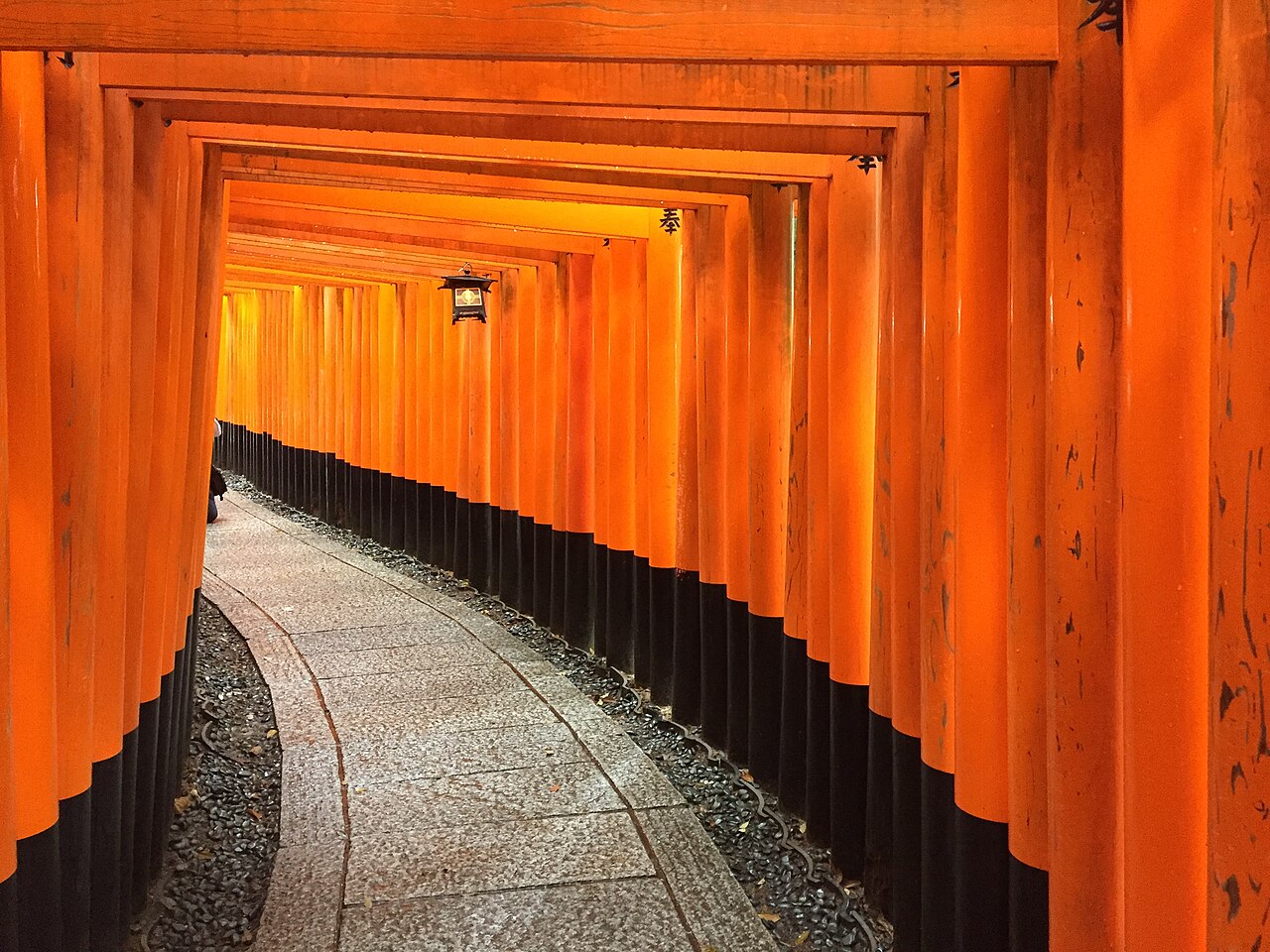
When to Go
Japan has four distinct seasons, and timing affects both cost and experience:
| Season | Months | What to expect |
|---|---|---|
| Cherry blossom | Late March – mid April | Peak tourism, highest prices, iconic scenery. Book accommodation 2-3 months ahead. |
| Golden Week | Late April – early May | National holiday week. Domestic tourists everywhere. Avoid if possible. |
| Summer | June – August | Hot and humid (35°C+). Rainy season in June. Fewer tourists, lower prices. |
| Fall foliage | October – November | Second-best season. Comfortable temperatures, stunning colors in Kyoto. |
| Winter | December – February | Cold but uncrowded. Great for skiing (Hokkaido, Nagano) and onsen towns. Cheapest flights. |
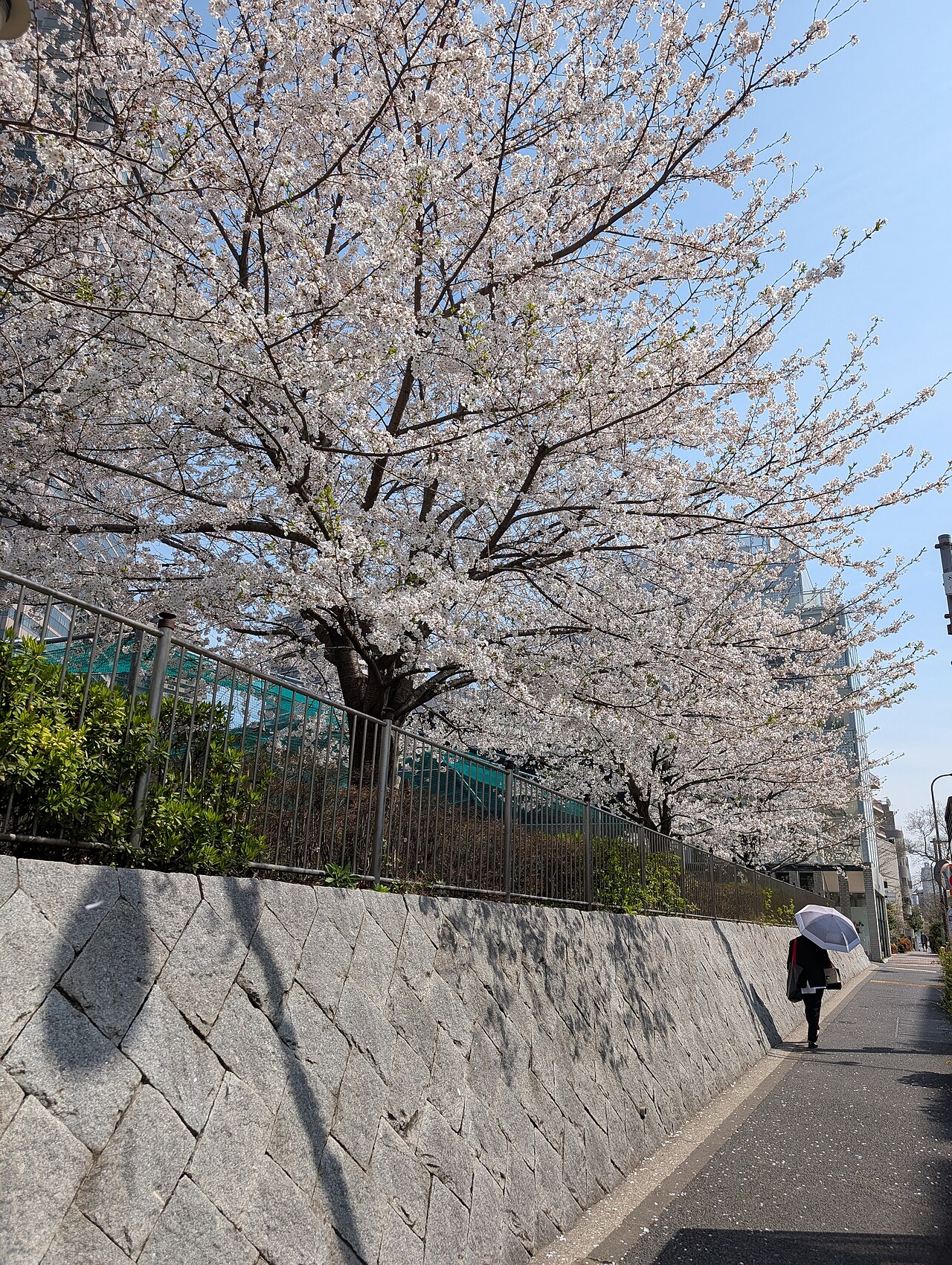
Our recommendation: Late October to mid-November or late March to early April. You get the best weather and scenery without Golden Week crowds. See our weather-smart travel planning guide for more on shoulder-season timing.
How Much Japan Costs (Realistic Daily Budget)
Japan has a reputation for being expensive, but it's cheaper than London, Paris, or New York if you eat like locals do. Here's what daily spending looks like:
Budget: $80-100/day
- Sleep: Capsule hotels ($25-35) or hostels ($20-40)
- Eat: Convenience store breakfast ($3-5), ramen or udon for lunch ($7-10), conveyor belt sushi for dinner ($10-15)
- Get around: IC card (Suica/Pasmo) for local trains ($5-10/day), walk between nearby spots
- Do: Free shrines and temples, neighborhood walking, parks, markets
Mid-range: $150-200/day
- Sleep: Business hotels ($60-100) — compact but clean, often with free breakfast
- Eat: Sit-down restaurants, izakayas ($15-25 per meal), occasional splurge on sushi or tempura
- Get around: JR Pass for intercity travel + IC card for local
- Do: Mix of free sites and paid attractions ($5-15 entry fees), cooking class or tea ceremony ($40-60)
Luxury: $300+/day
- Sleep: Ryokan with kaiseki dinner ($200-500), boutique hotels
- Eat: Omakase sushi ($100+), Michelin-starred ramen (yes, that's a thing)
- Get around: Private transfers, Green Car (first class) on shinkansen
- Do: Private tours, exclusive experiences
The big variable is accommodation. Food in Japan is remarkably affordable at every level — a ¥800 ($5) bowl of ramen from a vending-machine-ticket shop is genuinely excellent.
You can generate a Japan itinerary with your specific budget and see the full cost breakdown before you go.
How to Get Around Japan
Between Cities: Shinkansen (Bullet Train)
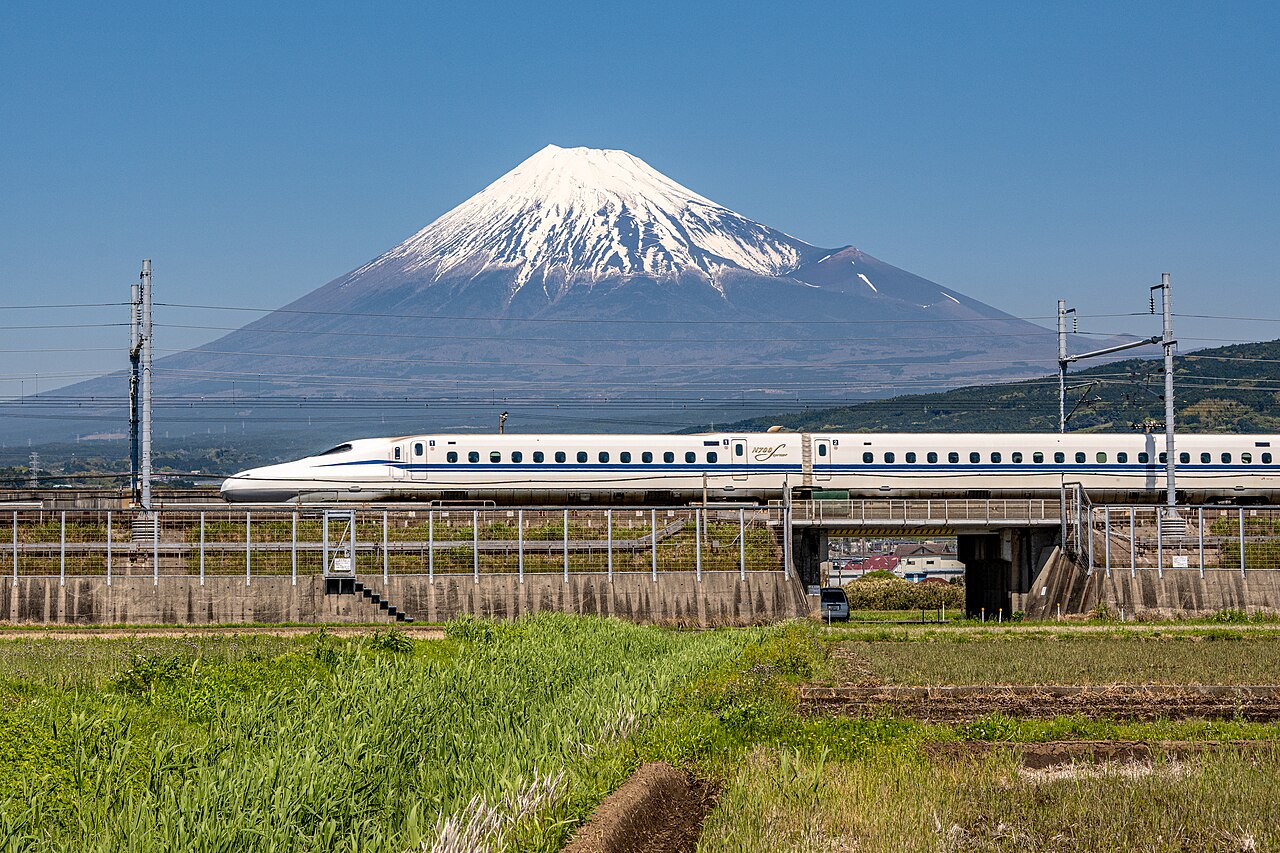
The shinkansen is fast, punctual, and comfortable. Key routes:
| Route | Time | One-way cost |
|---|---|---|
| Tokyo → Kyoto | 2h 15min | ~¥14,000 ($93) |
| Tokyo → Osaka | 2h 30min | ~¥14,500 ($96) |
| Kyoto → Hiroshima | 1h 40min | ~¥11,000 ($73) |
| Tokyo → Kanazawa | 2h 30min | ~¥14,000 ($93) |
JR Pass: When It's Worth It
The 7-day Japan Rail Pass costs ~¥50,000 ($330). It covers unlimited rides on most JR trains including the shinkansen.
Worth it if: You're doing Tokyo → Kyoto → Hiroshima → Osaka (or similar multi-city route). The individual tickets for that route total ~¥40,000+, and you'll likely take additional local JR trains.
Not worth it if: You're staying in one city, or only making one intercity trip. Buy individual tickets instead.
Within Cities: IC Card + Walking
Buy a Suica or Pasmo card at any train station. It works on all trains, metros, and buses in every major city. Tap in, tap out. Charge at any convenience store or station machine.
Tokyo and Osaka are best explored by train. Kyoto is more spread out — rent a bike or use buses for temple-hopping days.
Sample Itineraries
3-4 Days: Tokyo Only
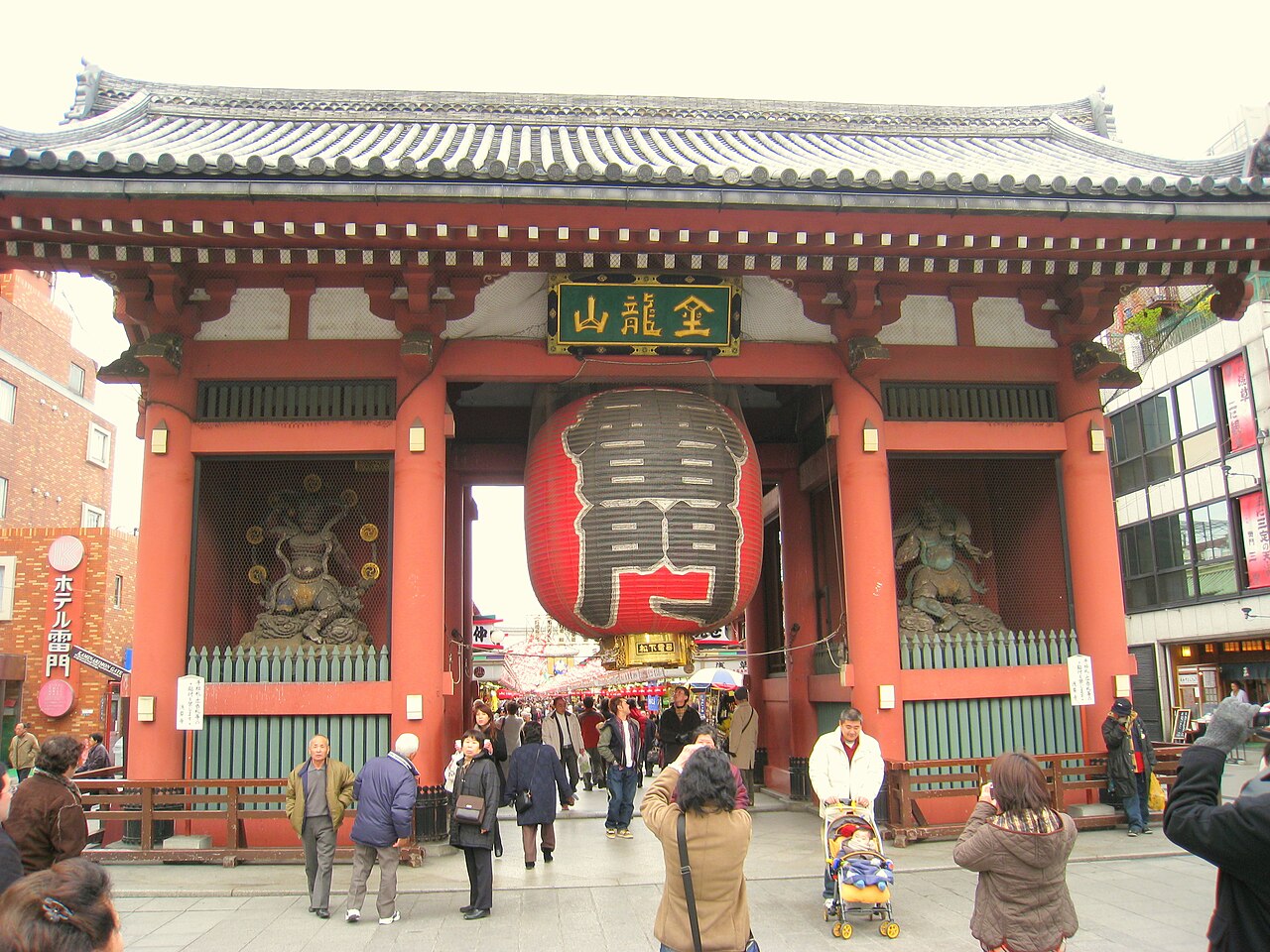
Enough for Shibuya, Shinjuku, Asakusa (Sensō-ji), Akihabara, Harajuku, Tsukiji Outer Market, and a day trip to either Kamakura or Hakone. This is a solid first taste of Japan without the stress of intercity travel.
See our 3-day Tokyo itinerary for a day-by-day plan with costs and maps.
7 Days: The Golden Route (Tokyo → Kyoto → Osaka)
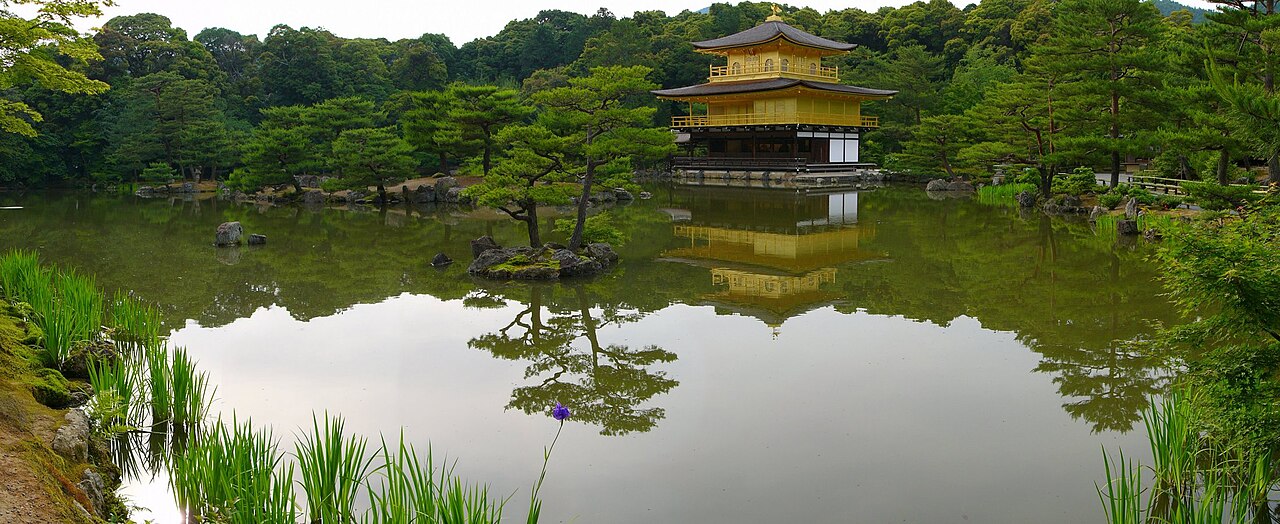
The most popular Japan trip. Three days in Tokyo, two in Kyoto (temples, geisha district, bamboo grove), one in Osaka (street food capital), and a day trip to Nara (friendly deer, ancient temples).
This is where a JR Pass starts making sense. See our 7-day Japan itinerary for the full route with budget breakdown.
10-14 Days: Beyond the Golden Route
Add Hiroshima + Miyajima Island (2 days), Kanazawa (1-2 days), or Hakone/Mt. Fuji area (1-2 days). With 14 days, you can add Takayama and the Japanese Alps, or Koyasan for a night in a Buddhist temple.
Multi-city Japan trips are where an AI-generated itinerary helps most — it handles the logistics of train connections, hotel placement, and pacing across cities.
Solo Travel
Japan is one of the safest countries for solo travelers. Capsule hotels are designed for solo guests, restaurants have counter seating, and the train system needs zero help to navigate. See our Japan solo 7-day itinerary for a route optimized for solo travelers.
Family Travel with Kids
Japan is one of the most family-friendly countries to visit — clean, safe, trains have priority seating, and most attractions accommodate strollers. Budget +30-50% over the mid-range tier for a family of 4 (mainly from extra hotel beds and attraction tickets).
Theme parks:
| Park | Location | Tickets (adult/child) | Best for |
|---|---|---|---|
| Tokyo Disneyland | Urayasu (30min from Tokyo) | ~¥9,400 / ¥5,600 ($62/$37) | Ages 3-10, classic Disney |
| Tokyo DisneySea | Urayasu (same complex) | ~¥9,400 / ¥5,600 ($62/$37) | Ages 8+, unique rides, less crowded |
| Universal Studios Japan | Osaka | ~¥8,600 / ¥5,600 ($57/$37) | Ages 6+, Super Nintendo World, Harry Potter |
| Legoland Japan | Nagoya | ~¥5,800 / ¥4,000 ($38/$26) | Ages 3-9 |
Book theme park tickets 2-4 weeks ahead, especially for weekends and holidays. Universal's Super Nintendo World requires a timed-entry ticket on top of park admission during peak periods.
Kid-friendly activities by city:
- Tokyo: teamLab Planets (interactive, kids love it), Ueno Zoo, National Museum of Nature and Science, Odaiba (Legoland Discovery Center, giant Gundam statue), Akihabara arcades
- Kyoto: Arashiyama Monkey Park (wild monkeys at the summit, easy 20min hike), bamboo grove walk (stroller-friendly), Toei Kyoto Studio Park (samurai-themed)
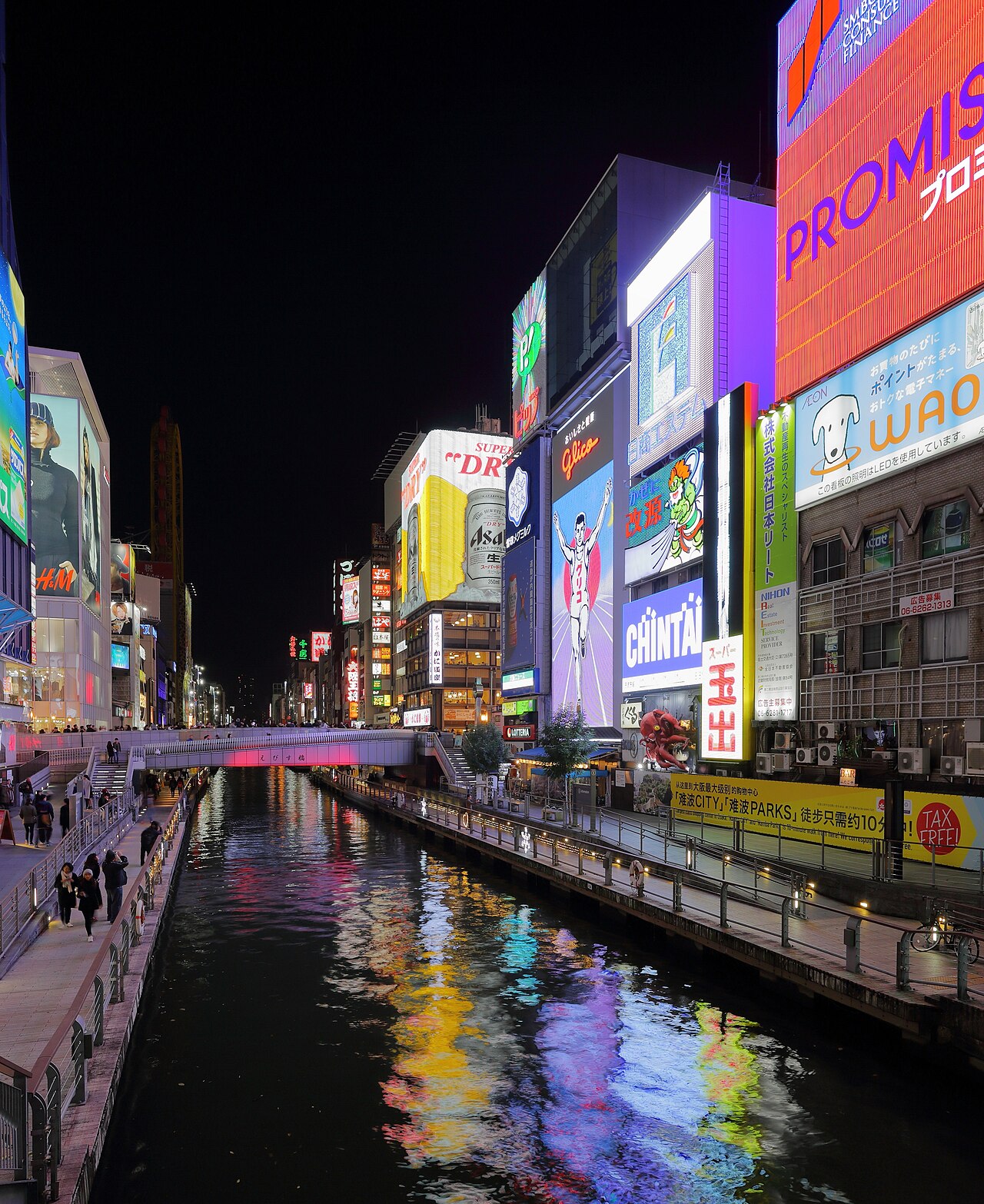
- Osaka: Osaka Aquarium Kaiyukan (one of the world's largest), Osaka Castle park (open space for running), street food in Dotonbori (kids love takoyaki)
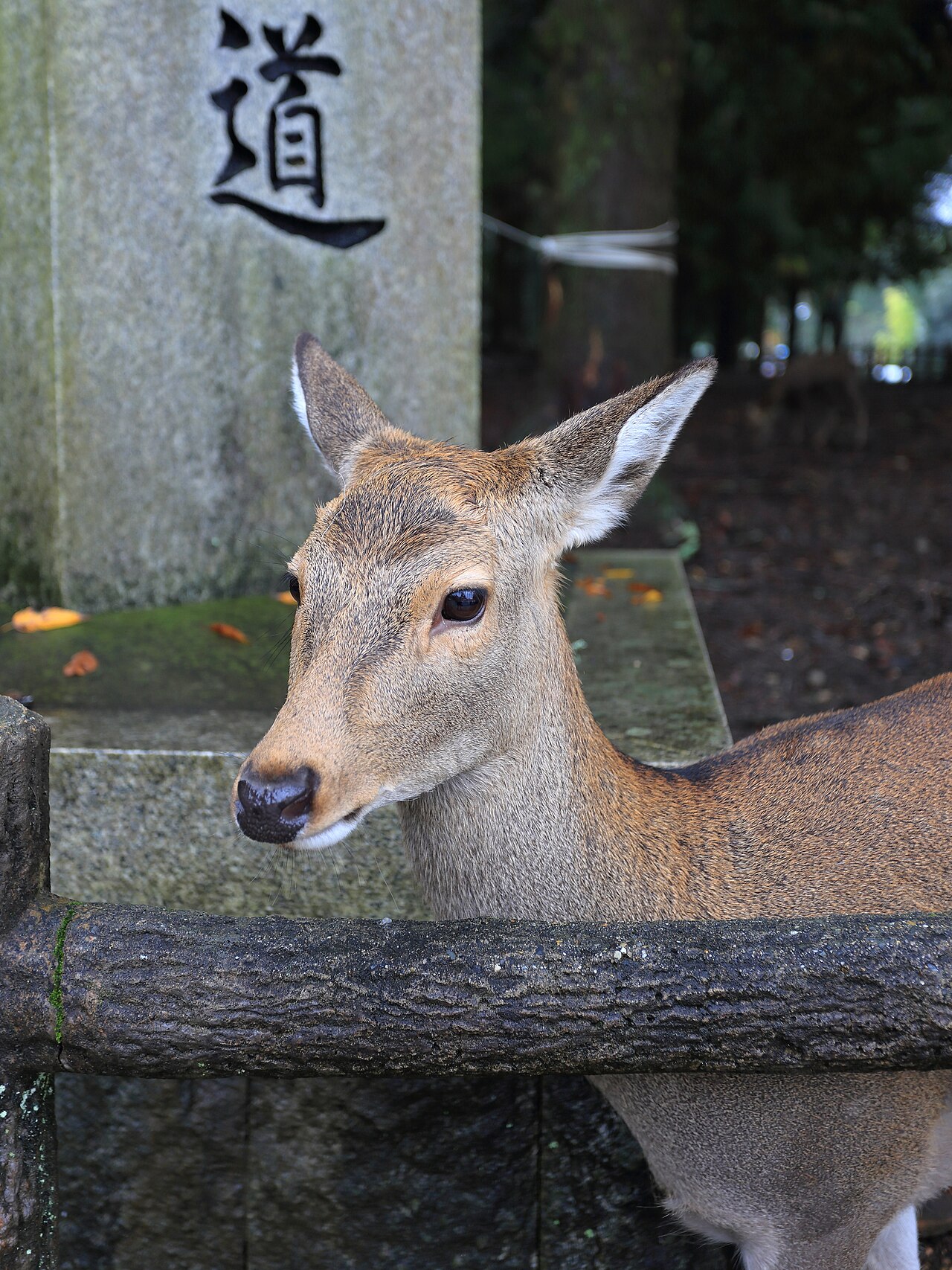
- Nara: Deer park (free, kids can feed the deer with ¥200 crackers — warn them the deer are pushy)
- Hakone: Pirate ship cruise on Lake Ashi, Open Air Museum (sculptures + kids' play area), cable car with Mt. Fuji views
Family logistics:
- Most train stations have elevators — look for wheelchair/stroller signs. Shinkansen has extra-wide doors.
- Convenience stores sell baby food, diapers, and formula. No need to pack heavy.
- Many restaurants offer kids' menus (お子様メニュー). Family restaurants (ファミレス) like Gusto and Saizeriya are budget-friendly with picture menus.
- Hotels often let kids under 6 stay free in existing beds. Family rooms are available at most business hotel chains.
What to Book Ahead (and What to Skip)
Book Ahead
- JR Pass — Buy the voucher before arriving in Japan. Exchange it at the airport.
- teamLab Borderless/Planets — Sells out days to weeks in advance, especially on weekends.
- Popular ryokans — Especially in Kyoto during cherry blossom (March-April) and fall foliage (November). Book 2-3 months ahead.
- Hiroshima day trip — If your schedule has no flex days, reserve your shinkansen seats.
- Ghibli Museum — Requires advance tickets (lottery system). Check availability a month ahead.
- Theme parks — Disneyland/DisneySea and Universal Studios Japan sell out on weekends and holidays. Buy tickets 2-4 weeks ahead. Universal's Super Nintendo World needs a separate timed-entry ticket during peak periods.
Don't Bother Booking
- Restaurants — Japan has a strong walk-in culture. Even popular ramen shops just have a queue. Exception: Michelin-starred restaurants.
- Shrines and temples — Free or pay-at-the-door. No reservations.
- Local trains — IC card handles everything. No reservations needed.
- Most activities — Cooking classes and tea ceremonies can usually be booked a few days ahead, not weeks.
Practical Tips
Visa and Entry
Most Western passport holders (US, UK, EU, Canada, Australia) get 90-day visa-free entry for tourism. You'll receive a landing permission stamp at immigration — no advance visa needed.
What you need at entry: Return or onward ticket, proof of accommodation for the first few nights, and sufficient funds. In practice, immigration rarely asks for these, but have them accessible.
Visit Japan Web: Complete the digital customs/immigration form at vjw.digital.go.jp before arrival. It generates a QR code that speeds up immigration and customs. Not mandatory but saves 20-30 minutes at the airport.
Money
- Cash is still important. Many small restaurants, shrines, and vending machines are cash-only. Withdraw yen at 7-Eleven ATMs (they accept foreign cards reliably).
- IC cards work for trains, vending machines, and many convenience stores. Less useful for restaurants.
- Credit cards are increasingly accepted in cities, especially at hotels, department stores, and chain restaurants. Don't rely on them exclusively.
Connectivity
- Pocket WiFi is the most popular option — rent at the airport ($4-7/day). Alternatively, buy an eSIM before departure.
- Free WiFi exists at train stations, convenience stores, and Starbucks, but it's spotty.
Food Etiquette
- No tipping. Seriously — it can be seen as rude.
- Slurping ramen is polite. It cools the noodles and shows appreciation.
- Ticket machines at ramen shops: buy a ticket from the vending machine outside, hand it to the chef. No verbal ordering needed.
- Convenience stores (7-Eleven, Lawson, FamilyMart) have genuinely good food — onigiri, sandwiches, bento boxes, and hot snacks.
For a full food guide (must-try dishes with prices, best neighborhoods for each cuisine) and shopping guide (what to buy, where, and expected prices), see our 7-day Japan itinerary — both guides are included in every itinerary we generate.
Getting From the Airport
- Narita Airport (NRT): 60-90 minutes to central Tokyo. Narita Express ($30) or Skyliner ($25) are fastest. Budget option: Access Express ($10, 90 min).
- Haneda Airport (HND): 30-45 minutes to central Tokyo. Monorail or Keikyu line ($5-7). Haneda is more convenient if you can find flights there.
- Kansai Airport (KIX): For Osaka/Kyoto trips. Haruka Express to Kyoto (75 min, $30) or Nankai line to Osaka (45 min, $10).
Common Mistakes
- Trying to see too much. Tokyo alone needs 3 full days. Don't cram Tokyo + Kyoto + Osaka + Hiroshima into 5 days.
- Ignoring convenience stores. 7-Eleven and Lawson meals are cheap, delicious, and available 24/7. Budget travelers can eat well for $15/day.
- Buying a JR Pass for a Tokyo-only trip. The pass doesn't cover Tokyo Metro or private railways — only JR lines. For Tokyo-only, an IC card is all you need.
- Not carrying cash. Japan is more cash-dependent than you'd expect for a developed country.
- Skipping the quiet neighborhoods. Shimokitazawa, Yanaka, and Kagurazaka in Tokyo are more interesting than another trip to Shibuya Crossing.
Build Your Japan Itinerary
The fastest way to plan is to answer 8 questions about your trip and get a complete day-by-day itinerary with costs, maps, hotel recommendations, and a food guide. It takes about 60 seconds.
Or browse our ready-made Japan itineraries:
- 7-day Japan itinerary — Tokyo, Kyoto & Osaka (the classic Golden Route)
- 3-day Tokyo itinerary — first-timer's guide to the capital
- Japan solo 7-day itinerary — optimized for solo travelers
Planning a Multi-Country Trip?
- How to Plan a Trip to Thailand — often combined with Japan on a 2-3 week Asia trip
- How to Plan a Trip to South Korea — Tokyo → Seoul is a 2.5-hour flight
- 3 Days in Tokyo: Itinerary Guide — if you only have a long weekend
- Best Free AI Travel Planners — tools to help you plan
Written by
Mango
Photos from Wikimedia Commons, used under Creative Commons licenses
Popular Itineraries
Hand-crafted day-by-day travel plans
Japan
7-day itinerary
Tokyo, Kyoto & Osaka
Paris
5-day itinerary
Perfect for couples
Bali
7-day itinerary
Temples, rice fields & beaches
Italy
10-day itinerary
The Italian grand tour
Want More Travel Tips?
Browse our collection of travel guides, tips, and inspiration for your next adventure.