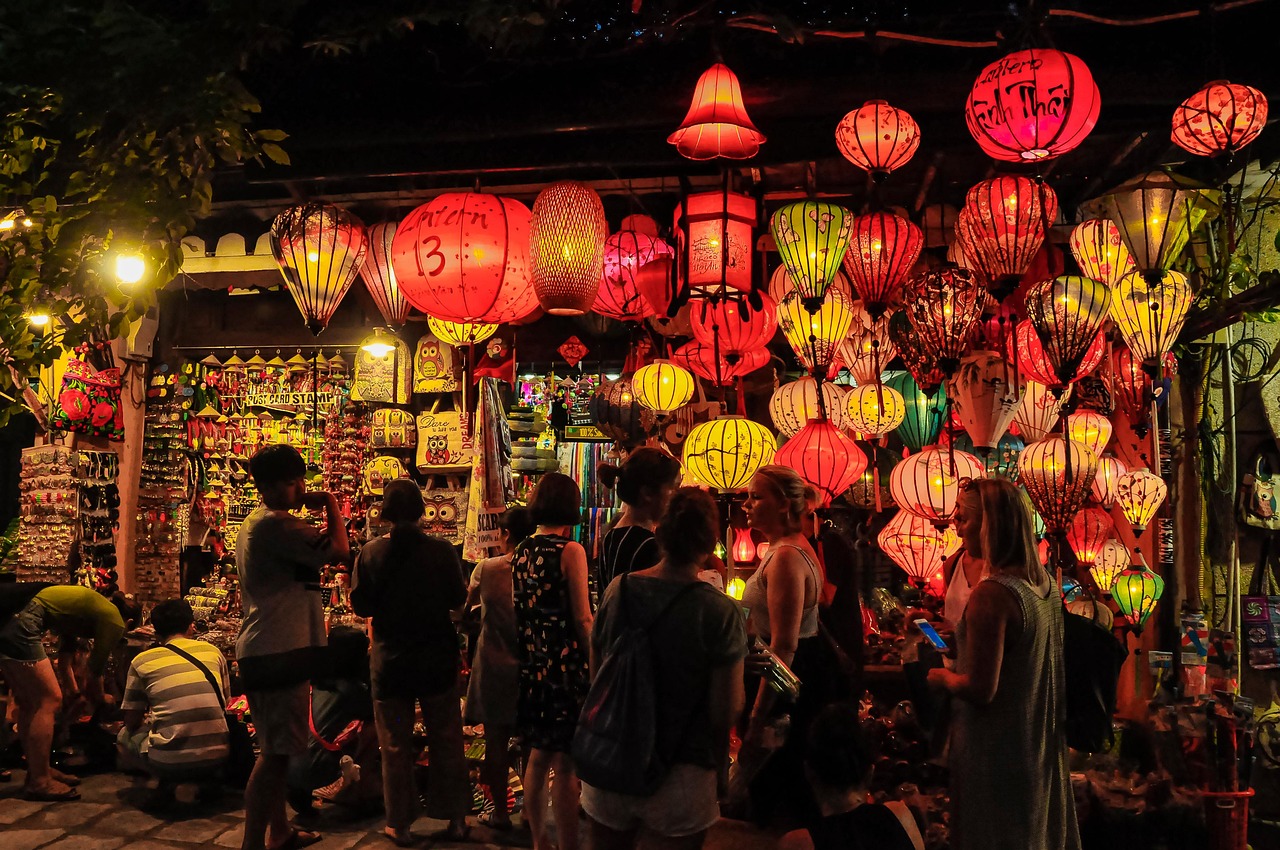
10 Days Vietnam Food & Culinary Itinerary
This 10-day culinary journey through Vietnam explores the country's diverse food scene and rich cultural heritage. Starting in Hanoi and ending in Ho Chi Minh City, the itinerary includes food tours, cooking classes, market visits, and opportunities to savor both street food and fine dining experiences.
Duration
10 days
Budget
$1000-2000
Best Time
Vietnam's long, thin shape means weather varies by region
Activities
37
Daily Avg
$150/day
Cities
Vietnam (2d), Hue (4d), Ho Chi Minh City (4d)
Pace
Moderate
Vietnam offers a captivating blend of ancient history, vibrant culture, and stunning landscapes. From bustling cities to serene rice paddies, and with a cuisine that's both delicious and diverse, it's a feast for the senses.
Your itinerary covers 6 of 10 must-have experiences
Vibrant Street Food & Markets
Day 10: Souvenir Shopping at Ben Thanh Market
Ancient Temples & Pagodas
Day 2: Temple of Literature
Scenic Boat Cruises & Waterways
e.g., Ha Long Bay Cruise, Mekong Delta Boat Tour
Historical War Sites & Museums
Day 8: War Remnants Museum
Charming Ancient Towns & Old Quarters
Day 4: Hue Imperial City
Stunning Beaches & Islands
e.g., Phu Quoc Island (Long Beach, Starfish Beach), My Khe Beach (Da Nang)
Rooftop Bars & Nightlife
e.g., EON51 Heli Bar (Ho Chi Minh City), Lighthouse Sky Bar (Hoi An)
Cave Explorations & National Parks
Day 10: Transfer to Airport
Traditional Cooking Classes
Day 2: Vietnamese Cooking Class
Iconic Architectural Landmarks
e.g., Golden Bridge (Da Nang), Hoan Kiem Lake & Ngoc Son Temple (Hanoi)
Vietnamese cuisine is a vibrant tapestry of flavors, influenced by French colonialism and regional specialties. Fresh herbs, rice, noodles, and fish sauce are staples, creating dishes that are both light and satisfying. Be prepared for a culinary adventure that tantalizes your taste buds!
Must-Try Dishes
Vietnam's national dish, a flavorful noodle soup typically made with beef (pho bo) or chicken (pho ga). The broth is simmered for hours with spices, and the soup is garnished with fresh herbs, bean sprouts, and lime.
📍 Street food stalls, local restaurants (quan an)
A Vietnamese sandwich on a crispy baguette, filled with various meats (pork, pate, sausage), pickled vegetables, cilantro, chili, and mayonnaise. A delicious and portable meal.
📍 Street food vendors, banh mi shops
Translucent rice paper rolls filled with vermicelli noodles, shrimp, pork, fresh herbs, and vegetables. Served with a peanut dipping sauce or hoisin sauce.
📍 Restaurants, street food stalls
Grilled pork patties served with vermicelli noodles, fresh herbs, and a dipping sauce. A Hanoi specialty.
📍 Hanoi, specifically Bun Cha restaurants
Food Neighborhoods
Street food paradise
Modern and traditional Vietnamese cuisine
Local specialties like Cao Lau and White Rose dumplings
Imperial cuisine and local dishes
Vegetarian options are available, often using tofu and vegetables. Look for 'Chay' (vegetarian) signs. Vegan options may be more limited; inquire about ingredients. Halal food is not widely available, but some restaurants in larger cities cater to Muslim travelers. Specify any allergies clearly as cross-contamination can occur.
Use chopsticks for most dishes. It's polite to wait for everyone to be served before starting to eat. Don't stick your chopsticks upright in your rice bowl, as it resembles incense offerings for the dead. It is generally acceptable to slurp noodles and lift your bowl to your mouth.
Tet
Tet Nguyen DanVietnamese Lunar New Year with family gatherings, fireworks, and flower markets.
Note: Book 1-2 months ahead
🛣️Interesting Detours & Side Trips
- 🚶Arrive at Noi Bai International Airport, take a taxi or airport bus to your hotel in the Old Quarter.$30-50
2:00 PM - Check into Hotel & Relax
Settle into your hotel in the Old Quarter. Consider hotels like Hanoi La Castela Hotel or similar for good value. Take some time to relax and adjust to the time difference.
🏨Create Custom ItineraryAdd your hotel booking
Search and add hotels to see on maps
Create a free custom itinerary to add hotels and restaurants
- 🚶Walking distance from your hotel in the Old Quarter.FREE
4:00 PM - Walking Tour of the Old Quarter
Explore the narrow streets, each traditionally dedicated to a specific craft or trade. Look for silk, spices, and handicrafts. Be aware of traffic!
Book on Klook - 🚶Walking distance from the Old Quarter.$5-10
6:00 PM - Street Food Dinner
Sample local delicacies like Pho (noodle soup) and Banh Mi (Vietnamese sandwich) at street stalls. Try Pho 10 Ly Quoc Su for a famous Pho spot. Be adventurous but choose stalls that look clean and busy.
🍽️Create Custom ItineraryAdd restaurants for Dinner
Get personalized restaurant recommendations
Create a free custom itinerary to add hotels and restaurants
- 🚶Walking distance or short taxi ride from the Old Quarter.$10
8:00 PM - Water Puppet Show
Enjoy a traditional water puppet show at Thang Long Water Puppet Theatre. It's a unique art form with live music and storytelling.
Book on Klook
Hoan Kiem District (Old Quarter)
Central location, close to attractions, restaurants, and nightlife.
📅 Best Time to Visit
Vietnam's long, thin shape means weather varies by region. Generally, spring (February-April) and autumn (August-October) offer the most pleasant weather nationwide, with moderate temperatures and less rain. The North (Hanoi, Halong Bay) has cool, dry winters (Oct-Apr) and hot, wet summers (May-Sep). Central Vietnam (Hoi An, Da Nang) experiences dry weather from January to August and a rainy season from September to December. The South (HCMC, Mekong Delta) is hot year-round with a dry season (Dec-May) and a wet season (Jun-Nov). Avoid the Tet Lunar New Year (late Jan/early Feb) if you want to avoid crowds and higher prices, as many local businesses close.
September in Vietnam is generally warm and humid. The north is transitioning out of the rainy season, while the central region may still experience some rain. The south remains warm and humid.
September falls within the autumn shoulder season, offering pleasant weather in much of the country. Expect moderate temperatures and less rainfall compared to the summer months.
No major national holidays in September that would significantly impact travel.
Getting Around
Motorbikes dominate; growing ride-hailing adoption
Use Grab for safe, metered rides. Negotiate prices for cyclos before riding.
Travel
$200-400 (flights, trains, buses)Accommodation
$300-500 (moderate hotels/guesthouses)Food
$300-500Activities
$200-400Embrace street food and local eateries! You can find delicious, authentic meals for a few dollars. Avoid tourist-centric restaurants for everyday dining.
Use local buses or Grab for transport rather than private taxis. For intercity travel, consider overnight trains (sleeper class) which save on accommodation costs.
Invest in a high-quality Halong Bay cruise (2-3 days). Cheaper options can be overcrowded and less enjoyable. A reputable cruise offers better service and experience.
Consider a cooking class to learn about Vietnamese cuisine. It's a fun, immersive cultural experience and you get to enjoy your creations.
Learn a few basic Vietnamese phrases like 'Xin chào' (hello), 'Cám ơn' (thank you), and numbers. Locals appreciate the effort.
Seek out 'Bia Hoi' (fresh beer) establishments, especially in Hanoi. This extremely cheap, locally brewed beer is a quintessential Vietnamese experience.
- **Visa Requirements**: Check your visa requirements well in advance. Many nationalities need a visa for Vietnam, which can be obtained online (e-visa) or via an embassy.
- **Crossing Streets**: Traffic, especially scooters, can be overwhelming. Walk slowly and predictably, making eye contact with drivers. They will often flow around you.
- **Bargaining**: Haggling is common in markets and non-metered taxis. Always agree on a price before services, and don't be afraid to walk away if the price isn't fair.
- **Respect Local Customs**: Dress modestly when visiting temples and pagodas (shoulders and knees covered). Remove your shoes before entering homes or religious sites.
- **Small Denominations**: Carry small Vietnamese Dong (VND) notes for street food, local shops, and taxis, as vendors may not always have change for large bills.
- **Stay Hydrated**: Vietnam is hot and humid. Drink plenty of bottled water (tap water is not safe to drink). Consider electrolyte packets.
- **Use Ride-Hailing Apps**: For taxis and motorbike taxis, use Grab to ensure fair pricing and avoid potential scams with meter tampering.
- **Scam Awareness**: Be wary of common tourist scams like overly friendly 'students' practicing English, aggressive street vendors, or unsolicited shoe-shiners.
- 1Lightweight, breathable clothing (cotton, linen) for hot and humid weather.
- 2A light rain jacket or compact umbrella, especially during the rainy season or unexpected showers.
- 3Comfortable walking shoes or sandals that are easy to take on and off for temples.
- 4Sunscreen (high SPF), a wide-brimmed hat, and sunglasses for intense sun protection.
- 5Insect repellent, particularly if visiting rural areas or during dawn/dusk.
- 6A universal travel adapter (Type A, C, G are common, Type C is widespread).
- 7Basic first-aid kit with pain relievers, band-aids, antiseptic wipes, and anti-diarrhea medication.
- 8A reusable water bottle to reduce plastic waste and stay hydrated (refill stations often available).
- 9A scarf or sarong for temple visits (to cover shoulders/knees) and sun protection.
- 10Small daypack for daily excursions to carry water, camera, and essentials.
Visa (if required)
At least 1-2 months in advance to avoid last-minute stress. E-visas typically take 3 working days but allow more time.
International Flights
3-6 months in advance for best prices, especially during peak travel seasons.
Accommodation (first few nights or peak season)
1-3 months ahead, particularly for popular cities like Hanoi, Hoi An, HCMC, or during festivals like Tet.
Halong Bay Cruise
2-3 months in advance for reputable companies and specific itineraries, as popular tours sell out.
Domestic Flights/Train Tickets
1-2 months ahead for popular routes (e.g., Hanoi-HCMC, Da Nang-HCMC) to secure preferred times and prices.
Travel Insurance
Immediately after booking your first major travel component (flights/accommodation) to cover unexpected cancellations.
Airport Transfer
Can be arranged upon arrival or pre-booked online for convenience and to avoid taxi touts, especially for late arrivals.
Note: Travel conditions, regulations, and local customs may change. We recommend verifying essential details — such as visa requirements, emergency contacts, and payment options — closer to your travel date.
SIM & Connectivity
SIM Options
📍 Airalo website or app
📍 Viettel stores, airport kiosks, convenience stores
📍 Mobifone stores, airport kiosks, convenience stores
📍 Online rental platforms, some airport rental services
Free WiFi is widely available in hotels, cafes, and restaurants, especially in tourist areas. Connection speeds can vary. Some public areas may also offer free WiFi.
Useful Apps
Consider buying a local SIM card for reliable and affordable data. Check data roaming charges with your home provider, as they can be expensive. Download offline maps before you arrive. Power banks are useful for keeping your devices charged on long days of exploring.
Electric Socket Guide
Socket Types
Two flat parallel pins
Two round pins (Europlug)
220V
50Hz
Tipping Etiquette
5–10% at upscale restaurants; not expected at street food
Round up to the nearest 10,000 VND
20,000–50,000 VND per bag for porters
Tipping is not traditional but increasingly appreciated in tourist areas.
Safety & Travel Advisories
Vietnam is generally a safe country for tourists. Be aware of petty theft, especially in crowded areas. Exercise caution when crossing roads due to heavy traffic.
Check official government advisories for the latest safety information, entry requirements, and travel warnings before your trip.
Emergency Numbers
113
115
114
Limited English — ask hotel for help calling
Payments
Cash is king, especially outside major cities
Accepted at hotels, upscale restaurants, and malls
Limited; cash and card are more common
Carry Vietnamese dong in small denominations. USD accepted at some tourist spots.
Customize This Trip
Get this itinerary tailored to YOUR exact dates, preferences, and budget.
- Personalized for your dates
- Weather-aware recommendations
- Offline access
- Real-time pricing
- Budget tracking
No sign-up required
Quick Actions
Trip Summary
How was this itinerary?
The best time to visit Vietnam is during the spring (February to April) or autumn (August to October) for pleasant weather across the country. However, Vietnam's climate varies by region, so consider your specific destinations. Avoid the Tet Lunar New Year if you want to avoid crowds and higher prices.
Related Itineraries
Customize This Trip
Get this itinerary tailored to YOUR exact dates, preferences, and budget.
- Personalized for your dates
- Weather-aware recommendations
- Offline access
- Real-time pricing
- Budget tracking
No sign-up required
Quick Actions
Trip Summary
Want a Personalized Version?
Get this itinerary customized for your exact travel dates, with weather-aware recommendations and real-time pricing.
Create My Custom Itinerary60sBrowse by travel style: