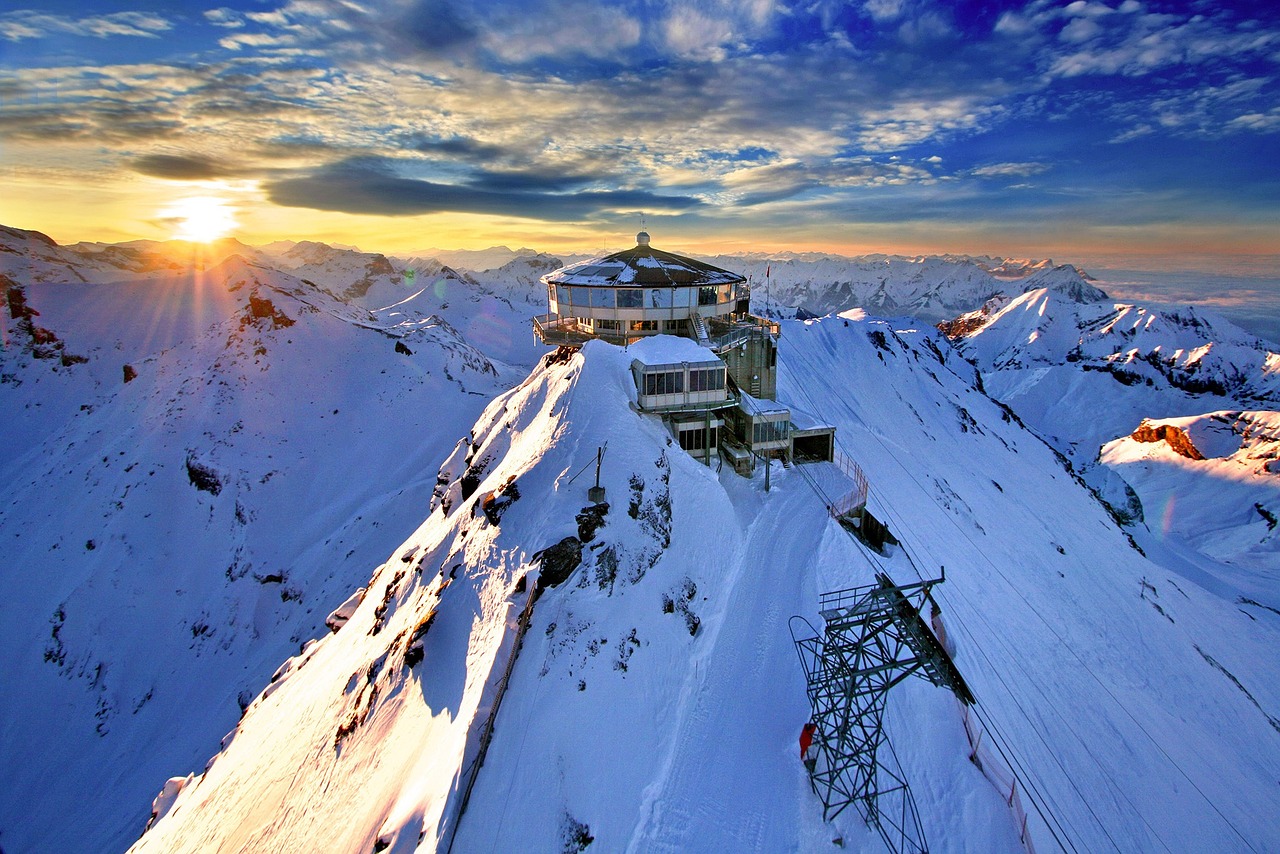
7 Days Swiss Alps, Switzerland Itinerary
This 7-day luxury adventure in the Swiss Alps takes you through Zermatt, Verbier, and St. Moritz, offering a mix of challenging outdoor activities, stunning scenery, and relaxing downtime. Prepare for breathtaking hikes, thrilling descents, and unforgettable culinary experiences.
Duration
7 days
Budget
$2100-$3500
Best Time
Summer (June-September) is ideal for hiking, wildflowers, and pleasant temperatures, though popular trails and towns can be crowded
Activities
27
Daily Avg
$400/day
Cities
Zermatt (2d), Verbier (5d)
Pace
Moderate
The Swiss Alps offer unparalleled natural beauty, world-class adventure activities, and luxurious accommodations. This itinerary focuses on experiencing the best of the Alps through hiking, skiing, and exploring charming mountain towns.
Your itinerary covers 4 of 10 must-have experiences
Iconic Mountain Summit Journey
Day 2: Gornergrat Railway
Charming Alpine Village Stroll
Day 1: Arrive in Zermatt & Check-in
Panoramic Scenic Train Ride
Day 6: Bernina Express
Glacial Wonderland Exploration
e.g., Aletsch Glacier (Jungfrau-Aletsch UNESCO World Heritage), Rhone Glacier (Ice Grotto)
Lakeside Serenity & Cruise
e.g., Lake Lucerne paddle steamer cruise, Lake Geneva (Montreux, Lausanne)
Adrenaline-Pumping Alpine Adventure
e.g., Paragliding over Interlaken, Canyoning in Grindelwald
Authentic Swiss Alpine Cuisine
e.g., Fondue & Raclette at a mountain hut, Rosti at a traditional 'Beiz' (local restaurant)
Historic Swiss Castle Immersion
e.g., Château de Chillon (Montreux), Gruyères Castle
High-Altitude Hiking Trail
Day 4: Hiking the Sentier des Sens
Luxury Alpine Wellness Retreat
e.g., The Omnia (Zermatt), Grand Resort Bad Ragaz
The Swiss Alps offer a hearty and comforting cuisine, heavily influenced by cheese, potatoes, and meat, perfect after a long day of hiking or skiing. Expect rich flavors and warming dishes designed to fuel your adventures in the mountains. Many dishes reflect the regional variations across the Alps, so be sure to try local specialties wherever you go.
Must-Try Dishes
A semi-hard cheese wheel melted under a heat source and scraped onto potatoes, pickles, and onions. A quintessential Swiss Alps experience, especially during winter.
📍 Mountain restaurants, traditional Swiss restaurants, raclette stalls at markets
Melted cheese (usually Gruyère and Emmentaler) in a pot, eaten by dipping bread cubes. A communal and fun dish, perfect for sharing. Try different variations like tomato fondue or mushroom fondue.
📍 Traditional Swiss restaurants, fondue restaurants, some hotels
A hearty casserole of macaroni, potatoes, cheese, cream, and fried onions, often served with applesauce on the side. A filling and comforting meal after a day of outdoor activities.
📍 Mountain restaurants, traditional Swiss restaurants, local pubs
A crispy potato pancake, often served as a side dish or as a base for other toppings like fried eggs, cheese, or bacon. A simple but satisfying dish.
📍 Most restaurants, cafes, and even some street food stalls
Food Neighborhoods
Known for its high-end restaurants and traditional Swiss cuisine with a modern twist.
Known for its diverse culinary scene catering to tourists, with options ranging from Swiss specialties to international cuisine.
Known for its luxury restaurants and gourmet experiences, including Michelin-starred establishments.
Known for its traditional Swiss restaurants and cozy mountain huts serving hearty alpine fare.
Vegetarian options are increasingly available, especially in larger towns and tourist areas. Look for dishes with vegetables, cheese, or pasta. Vegan options are less common but are slowly increasing. Specify your allergies clearly when ordering, as cross-contamination can occur. Halal food can be found in larger cities, but availability in the Alps is limited.
It's customary to say "En Guete!" (Enjoy your meal!) before starting to eat. Use utensils properly. Don't start eating until everyone at the table is served. Tipping is generally included in the bill (service charge), but rounding up is appreciated for good service.
Montreux Jazz Festival
Prestigious jazz festival on Lake Geneva featuring world-class musicians.
Note: Book 2 months ahead
🛣️Interesting Detours & Side Trips
- 🚆Arrive at Zermatt train station, walk or take an electric taxi to your hotel in Zermatt Village Center.FREE
12:00 PM - Arrive in Zermatt & Check-in
Take the train from Zurich Airport to Zermatt (approx. 3.5 hours, requires a change in Visp). Check into a luxury hotel with Matterhorn views, such as The Omnia or Mont Cervin Palace.
🏨Create Custom ItineraryAdd your hotel booking
Search and add hotels to see on maps
Create a free custom itinerary to add hotels and restaurants
- 🚶Explore Zermatt Village on foot.FREE
3:00 PM - Explore Zermatt Village
Wander through the car-free village of Zermatt, admiring the traditional wooden chalets and browsing the shops. Visit the Matterhorn Museum to learn about the mountain's history and the first ascent.
Book on Klook - 🚶Walk from Zermatt Village to Findeln (approx. 1-hour hike) or take a taxi. Chez Vrony and Findlerhof are located in Findeln.$100
6:00 PM - Sunset Dinner with Matterhorn View
Enjoy a gourmet dinner at a restaurant with panoramic views of the Matterhorn, such as Findlerhof or Chez Vrony (reservations highly recommended). Try traditional Swiss dishes like fondue or raclette.
🍽️Create Custom ItineraryAdd restaurants for Dinner
Get personalized restaurant recommendations
Create a free custom itinerary to add hotels and restaurants
- 🚶Stroll through Zermatt Village on foot.FREE
8:00 PM - Stroll and admire the Matterhorn
Take a leisurely stroll through the village to see the Matterhorn lit up at night.
Book on Klook
Zermatt Village Center
Close to shops, restaurants, and the train station, offering easy access to activities.
📅 Best Time to Visit
Summer (June-September) is ideal for hiking, wildflowers, and pleasant temperatures, though popular trails and towns can be crowded. Winter (December-March) offers world-class skiing, snowboarding, and festive atmospheres, with high prices and snow-dependent access to some areas. Spring and Autumn provide quieter experiences, stunning foliage, and often better deals, but some lifts and accommodations may be closed, and weather can be unpredictable with a mix of rain and sun.
Summer in the Swiss Alps is characterized by warm, sunny days and cool evenings. Rainfall is possible, especially in the afternoons, but overall, the weather is pleasant for outdoor activities.
Summer is the peak season in the Swiss Alps, offering ideal conditions for hiking and outdoor activities.
August 1st is Swiss National Day, expect celebrations and potential crowds.
Getting Around
World-famous rail network with scenic routes
Swiss Travel Pass / Half Fare Card
Swiss Travel Pass offers unlimited travel + museum entry. The Glacier Express and Bernina Express are must-dos.
Travel
$500 (Includes train transfers and local transport)Accommodation
$1000 (Luxury hotels)Food
$700Activities
$900 (Lift tickets, guided tours, equipment rentals)Cook your own meals or buy groceries from supermarkets like Coop and Migros for picnics and snacks instead of eating out frequently, as restaurant prices are high.
Utilize the excellent public transport with a Swiss Travel Pass or Half-Fare Card to save significantly on travel, rather than renting a car or buying individual tickets.
Treat yourself to a scenic panoramic train journey like the Glacier Express or Bernina Express for unparalleled Alpine views and a memorable experience.
Experience a unique mountain activity such as paragliding over Interlaken, a helicopter tour of the Matterhorn, or a luxurious spa day with a stunning view.
Look for 'guest cards' or 'visitor cards' offered by many hotels and accommodations in specific regions, which often provide free local public transport and discounts on attractions.
Always drink tap water; it's some of the cleanest and safest in the world, saving you money on bottled water and reducing plastic waste.
- Swiss public transport is exceptionally punctual and efficient; utilize the integrated train, bus, and boat network for seamless travel.
- Be prepared for rapidly changing mountain weather, even in summer; pack layers and check forecasts frequently, especially before hiking.
- Switzerland is known for its high cost of living; factor this into your budget and consider cooking some meals or picnicking to save money.
- Learn basic German, French, or Italian greetings depending on the region (e.g., 'Grüezi' in German-speaking areas), though English is widely spoken in tourist areas.
- Always carry a Type J power adapter for Swiss outlets; standard European adapters (Type C/F) will not work without a specific Swiss adapter.
- Stay on marked trails when hiking, respect mountain wildlife, and adhere to any local regulations or warnings.
- Tap water in Switzerland is safe and delicious; carry a reusable bottle to refill for free and stay hydrated.
- Credit and debit cards are widely accepted, but having some Swiss Francs (CHF) cash is useful for small purchases or remote mountain huts.
- 1Layered clothing (base layers, fleece, waterproof/windproof outer shell for warmth and weather protection)
- 2Sturdy waterproof hiking boots with good ankle support for varied terrain
- 3Rain jacket and rain pants (essential for unpredictable mountain weather)
- 4Sunscreen (high SPF), sunglasses, and a wide-brimmed hat (high altitude sun is intense)
- 5Reusable water bottle (for refilling with excellent Swiss tap water)
- 6Swiss Type J power adapter (distinct from other European adapters)
- 7Small daypack for daily excursions, snacks, and extra layers
- 8Warm hat and gloves (even in summer, for higher altitudes or early mornings/evenings)
- 9Swimsuit (for hotel pools, lakes, or spa visits)
- 10Portable power bank for charging electronic devices on the go
Accommodation
Book 3-6 months ahead for peak season (summer/winter) in popular towns like Zermatt, Interlaken, Grindelwald, and Lucerne, as options can fill up quickly and become more expensive.
Swiss Travel Pass / Half-Fare Card
Purchase before arrival if you plan extensive public transport use. It offers cost-effective and convenient travel, often including mountain excursions and museum entry.
Mountain Excursions (e.g., Jungfraujoch, Gornergrat)
Reserve tickets a few days to weeks in advance, especially during peak times, to secure preferred time slots and avoid long queues, particularly for popular routes.
Travel Insurance
Arrange immediately after booking flights/accommodation to cover unforeseen cancellations, medical emergencies (including mountain rescue), or lost luggage.
Visa (if applicable)
Check entry requirements based on your nationality and apply several months in advance if a Schengen visa is needed.
Ski/Snowboard Equipment Rental
Book a few weeks in advance during winter peak season to ensure availability of preferred gear and potentially better rates.
Guided Hiking Tours / Specialized Activities
Book 1-2 months ahead for popular tours (e.g., paragliding, glacier walks, via ferrata) especially if you have specific dates or groups.
Note: Travel conditions, regulations, and local customs may change. We recommend verifying essential details — such as visa requirements, emergency contacts, and payment options — closer to your travel date.
SIM & Connectivity
SIM Options
📍 Airalo app or website
📍 Swisscom stores at airports and major train stations
📍 Salt stores and some kiosks
📍 Online rental with delivery to your hotel or airport
Free WiFi is widely available in hotels, cafes, and restaurants in tourist areas. Many train stations also offer free WiFi. However, WiFi in remote mountain huts may be limited or unavailable.
Useful Apps
Consider purchasing a Swiss Travel Pass, which often includes unlimited data on the Swisscom network. Download offline maps before heading into remote areas where connectivity may be unreliable. Check with your mobile provider about international roaming options, but local SIM cards are generally more cost-effective for data usage. Be aware that data speeds may be slower in mountainous areas due to limited network coverage.
Electric Socket Guide
Socket Types
Two round pins (Europlug)
Three round pins (Swiss)
230V
50Hz
Tipping Etiquette
Service included; round up for good service
Round up
CHF 1–2 per bag
Service is included by law. Rounding up is appreciated but not expected.
Safety & Travel Advisories
The Swiss Alps are generally safe for tourists. Be aware of potential hazards in mountainous terrain, such as steep slopes and changing weather conditions. Exercise caution when hiking and skiing.
Check official government advisories for the latest safety information, entry requirements, and travel warnings before your trip.
Emergency Numbers
117
144
118
112 for European emergency number
Payments
Cash (CHF) accepted everywhere; some places accept EUR
Widely accepted
Very common — TWINT app popular locally
Switzerland uses CHF, not EUR. Cards widely accepted but carry some CHF.
Customize This Trip
Get this itinerary tailored to YOUR exact dates, preferences, and budget.
- Personalized for your dates
- Weather-aware recommendations
- Offline access
- Real-time pricing
- Budget tracking
No sign-up required
Quick Actions
Trip Summary
How was this itinerary?
Summer (June-September) is ideal for hiking and outdoor activities with pleasant temperatures. Winter (December-March) is perfect for skiing and snowboarding. Spring and Autumn offer quieter experiences but with potentially unpredictable weather.
Related Itineraries
Customize This Trip
Get this itinerary tailored to YOUR exact dates, preferences, and budget.
- Personalized for your dates
- Weather-aware recommendations
- Offline access
- Real-time pricing
- Budget tracking
No sign-up required
Quick Actions
Trip Summary
Want a Personalized Version?
Get this itinerary customized for your exact travel dates, with weather-aware recommendations and real-time pricing.
Create My Custom Itinerary60sBrowse by travel style: