
10 Days Spain Itinerary
This 10-day family adventure through Spain explores the vibrant cities of Madrid and Barcelona, and the stunning Costa Brava. The itinerary balances iconic landmarks with kid-friendly activities, delicious food, and opportunities for relaxation, ensuring a memorable experience for the whole family.
Duration
10 days
Budget
$1500-2500
Best Time
The best times to visit Spain are spring (April-May) and fall (September-October) when the weather is mild, crowds are thinner, and major festivals like Semana Santa (Easter Holy Week) or La Mercè (Barcelona) take place
Activities
43
Daily Avg
$200/day
Cities
Madrid (3d), Barcelona (7d)
Pace
Moderate
Spain offers a vibrant blend of history, culture, and natural beauty, making it an ideal destination for families. With diverse landscapes ranging from bustling cities to serene beaches, and a rich culinary scene, Spain provides endless opportunities for exploration and adventure for all ages.
Your itinerary covers 7 of 11 must-have experiences
A Grand Cathedral or Mosque-Cathedral
Day 5: Sagrada Família Exterior View
A Royal Palace or Historic Fortress
Day 1: Royal Palace of Madrid Tour
A Bustling Food Market
Day 2: Lunch at Mercado de San Miguel
An Authentic Flamenco Show
e.g., Corral de la Morería (Madrid), El Palacio Andaluz (Seville)
A Rooftop Bar with Panoramic Views
e.g., Circulo de Bellas Artes (Madrid), Hotel Majestic (Barcelona)
A Wander Through a Historic Old Town
Day 4: Gothic Quarter Exploration
A Scenic Nature Hike
e.g., Caminito del Rey (Málaga), Ruta del Cares (Picos de Europa)
A Classic Tapas Bar Experience
Day 9: Farewell Dinner at Tapas 24
A Relaxing Mediterranean Beach Day
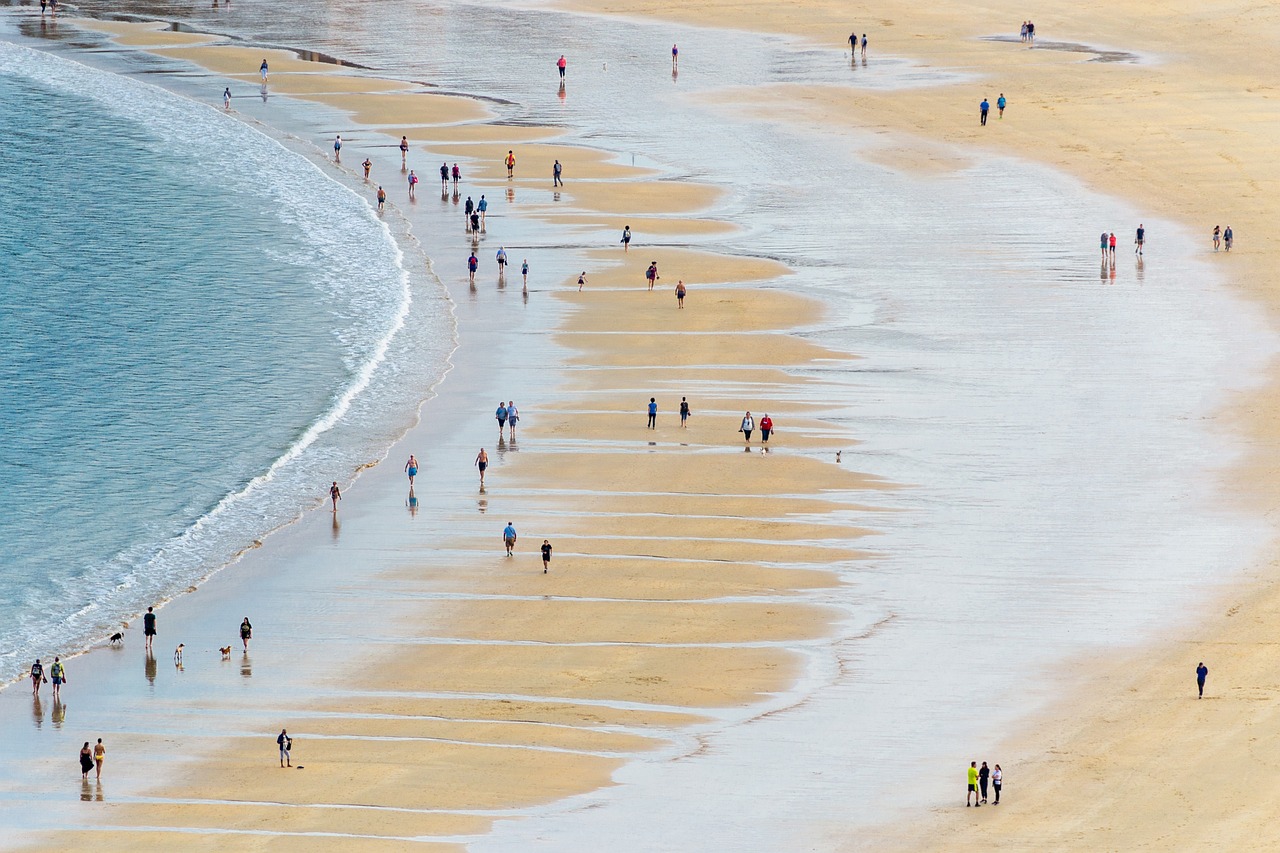
Day 6: Barceloneta Beach
A World-Class Art Museum
Day 2: Prado Museum Visit
An Ancient Roman Aqueduct or Site
e.g., Aqueduct of Segovia, Roman Theatre of Mérida
Spanish cuisine is a vibrant tapestry of flavors, influenced by its rich history and diverse regions. From coastal seafood to hearty stews, and delectable tapas, there's something to delight every palate. Be prepared for late dining hours and a culture of sharing plates.
Must-Try Dishes
A saffron-infused rice dish, traditionally with seafood, chicken, or rabbit. The socarrat (crispy bottom layer) is prized. Try authentic Paella Valenciana for the original experience.
📍 Valencia region, coastal restaurants
Small, savory dishes served with drinks. They can range from olives and cheese to miniature stews and seafood. Order a variety and share with friends.
📍 Bars throughout Spain, especially in Andalusia and Madrid
Cured Iberian ham, known for its rich, nutty flavor and melt-in-your-mouth texture. The 'bellota' variety, from acorn-fed pigs, is the highest quality.
📍 Specialty ham shops (Jamonerías), tapas bars
A cold tomato-based soup, perfect for hot summer days. It's typically made with tomatoes, cucumbers, peppers, onions, and garlic.
📍 Andalusia, restaurants throughout Spain in summer
Food Neighborhoods
known for its bustling tapas scene, especially on Sundays
known for its trendy restaurants and innovative cuisine
known for its diverse international food scene and vibrant atmosphere
known for its traditional tapas bars and flamenco shows
Vegetarian options are becoming more common, but be aware that many dishes contain ham or fish sauce. Vegan options are less prevalent, so it's helpful to learn some basic Spanish phrases to inquire about ingredients. For halal options, look for restaurants in larger cities with significant Muslim populations. Be sure to specify any allergies clearly when ordering.
Meals are often eaten later than in other European countries. Lunch is typically around 2-3 pm, and dinner around 9-11 pm. Tipping is not mandatory, but rounding up the bill or leaving a small tip (5-10%) for good service is appreciated. It's common to share tapas and other dishes.
La Tomatina
World's largest tomato fight in the streets of Bunol.
Note: Buy tickets early - limited to 20,000
Running of the Bulls
San FerminFamous festival featuring the daily running of bulls through the streets.
Note: Book 3+ months ahead
Las Fallas
Festival of fire with giant satirical sculptures burned in the streets.
Note: Book 2 months ahead
🛣️Interesting Detours & Side Trips
- 🚶Take the metro Line 8 from Madrid-Barajas Airport (MAD) to Nuevos Ministerios, then transfer to Line 10 to Plaza de España. From there, it's a short walk to the Centro area.$30-50 (transfer)
2:00 PM - Arrive at Madrid-Barajas Airport (MAD) & Transfer to Hotel
Take a taxi or pre-booked airport transfer to your family-friendly hotel. Consider staying near the city center for easy access to attractions. Check in and leave your luggage.
🏨Create Custom ItineraryAdd your hotel booking
Search and add hotels to see on maps
Create a free custom itinerary to add hotels and restaurants
- 🚶Walk from the hotel in Centro to the Royal Palace of Madrid (approx. 15 minutes).$30 per adult, $15 per child
4:00 PM - Royal Palace of Madrid Tour
Explore the opulent Royal Palace, the official residence of the Spanish Royal Family. Pre-book tickets online to avoid long queues. Stroller accessible in some areas. Consider a guided tour for a more engaging experience.
Book on Klook - 🚶Walk from the Royal Palace to Sabatini Gardens (adjacent to the palace).FREE
6:00 PM - Relax and Stroll through Sabatini Gardens
Enjoy a leisurely walk through the beautiful Sabatini Gardens, located next to the Royal Palace. Perfect for a relaxing break after the palace tour. Offers stunning views of the city.
- 🚶Walk from Sabatini Gardens to Sobrino de Botín (approx. 10 minutes).$40-60
7:30 PM - Dinner at Sobrino de Botín
Dine at the world's oldest restaurant, Sobrino de Botín, known for its traditional Spanish cuisine. They offer kid-friendly options like roast chicken and potatoes. Make a reservation in advance.
🍽️Create Custom ItineraryAdd restaurants for Dinner
Get personalized restaurant recommendations
Create a free custom itinerary to add hotels and restaurants
Centro
Central location, close to major attractions and restaurants.
📅 Best Time to Visit
The best times to visit Spain are spring (April-May) and fall (September-October) when the weather is mild, crowds are thinner, and major festivals like Semana Santa (Easter Holy Week) or La Mercè (Barcelona) take place. Summers (June-August) are hot, especially inland, but perfect for beachgoers, though coastal areas and major cities can be very crowded and prices higher. Winters (November-March) offer milder temperatures in the south, opportunities for skiing in the north, fewer tourists, and lower prices, with Christmas markets and festivities adding charm.
The weather is generally sunny and mild, with comfortable temperatures perfect for exploring cities and enjoying outdoor activities. Rainfall is infrequent, making it an ideal time to visit.
Spring and Fall offer pleasant weather, fewer crowds, and a good balance of activities and prices.
Be aware of public holidays, which may affect opening hours and transportation schedules.
Getting Around
AVE high-speed rail; metros in Madrid and Barcelona
T-Casual (Barcelona) / Multi card (Madrid)
Get a T-Casual for Barcelona transit. Book AVE tickets early for up to 70% savings.
Travel
$300-500 (transportation between cities and local travel)Accommodation
$500-800 (family rooms/suites)Food
$400-600Activities
$300-600Take advantage of the 'Menu del Día' (daily menu) for lunch, a multi-course meal often including a drink for a fixed, affordable price (typically €10-€20).
Utilize Spain's excellent public transportation networks in cities and between cities via train/bus. It's much cheaper than taxis or car rentals for urban exploration.
Indulge in a fine dining experience, perhaps at a Michelin-starred restaurant, or splurge on a unique culinary tour that delves into regional specialties.
Consider an authentic flamenco show with dinner in Seville or Madrid for a truly immersive cultural experience, rather than just a quick show.
In many parts of Spain (especially Andalusia), drinks often come with a free tapa. Take advantage of this for a budget-friendly snack or light meal.
Avoid eating and drinking in restaurants directly on major tourist squares (e.g., Plaza Mayor, Las Ramblas) as prices are significantly inflated. Venture a few streets away for better value and more authentic local spots.
- Embrace the Spanish meal schedule; lunch is typically from 2-4 PM and dinner starts around 9-10 PM. Many smaller shops close for siesta in the afternoon.
- Learn a few basic Spanish phrases like 'Hola', 'Gracias', 'Por favor', and 'Disculpe'. While English is common in tourist areas, locals appreciate the effort.
- Be mindful of pickpockets, especially in crowded tourist areas and on public transport in major cities. Keep valuables secure and out of sight.
- Tipping is not mandatory or expected as heavily as in some other countries. Rounding up the bill or leaving a few euros for good service is common, especially in restaurants.
- Tap water is safe to drink in most Spanish cities; carry a reusable water bottle to stay hydrated and reduce plastic waste.
- Carry some cash for small purchases, local markets, or places that might not accept cards, although credit/debit cards are widely accepted.
- Take advantage of the 'Menu del Día' for lunch, a fixed-price meal offering excellent value, often including a starter, main, dessert, and a drink.
- Public transportation in major cities (metro, bus) is efficient, affordable, and the best way to get around.
- 1Comfortable walking shoes (you'll be doing a lot of walking)
- 2Layers of clothing (for varying temperatures from day to evening)
- 3Sunscreen, a wide-brimmed hat, and sunglasses (especially essential for spring, summer, and fall)
- 4Universal travel adapter (Type C and F sockets are common)
- 5Small backpack or day bag (for daily essentials and souvenirs)
- 6Reusable water bottle (for tap water and staying hydrated)
- 7Swimsuit (if visiting coastal areas or traveling during warmer months)
- 8Light scarf or shawl (for modesty when entering churches, sun protection, or cooler evenings)
- 9Basic first-aid kit (with blister plasters for all that walking)
- 10An umbrella or light rain jacket (especially for spring and fall)
Accommodation
Book several months ahead, especially for peak season, major festivals (Semana Santa, San Fermín), or popular cities like Barcelona, Madrid, and Seville, to secure preferred locations and prices.
Alhambra Palace tickets
Must book 2-3 months in advance as tickets are highly limited and sell out quickly, especially for Nasrid Palaces.
Sagrada Familia tickets
Book 1-2 months ahead for specific timed entry slots, which are mandatory and sell out daily.
High-speed train (AVE) tickets
For inter-city travel, book 1-3 months ahead for the best prices and availability on popular routes (e.g., Madrid-Barcelona, Madrid-Seville).
Popular museum entry (e.g., Prado, Reina Sofía)
Book a few weeks in advance online, especially if visiting during peak hours or for specific exhibitions, to avoid long queues.
Flamenco show tickets
Book 1-2 weeks ahead for reputable tablaos (flamenco venues) as popular shows can sell out quickly.
eSIM / Physical SIM card
Consider purchasing and activating an eSIM before arrival for immediate internet access, or research physical SIM options at the airport or in city centers.
Note: Travel conditions, regulations, and local customs may change. We recommend verifying essential details — such as visa requirements, emergency contacts, and payment options — closer to your travel date.
SIM & Connectivity
SIM Options
📍 Airalo website or app
📍 Vodafone stores at airports or in city centers
📍 Orange stores at airports or in city centers
📍 Online rental with delivery to your hotel or airport
WiFi is widely available in hotels, cafes, and restaurants, particularly in tourist areas. Many cities also offer free WiFi in public spaces, but the connection may be unreliable. Check for WiFi passwords at the counter or ask staff.
Useful Apps
Consider an eSIM for convenience upon arrival, especially if your phone supports it. Physical SIM cards offer more data for a similar price, but require visiting a store. Pocket WiFi is a good option for families or groups who want to share a connection. Download offline maps and translation apps before your trip in case you encounter connectivity issues. Be aware of roaming charges if you plan to use your home country's SIM card.
Electric Socket Guide
Socket Types
Two round pins (Europlug)
Two round pins + side earth clips (Schuko)
230V
50Hz
Tipping Etiquette
Round up or leave €1–2; 5–10% at upscale restaurants
Round up to nearest euro
€1 per bag
Tipping is not expected but appreciated. Leave small change at cafés.
Safety & Travel Advisories
Spain is generally a safe country for tourists. Be aware of petty theft, especially in crowded areas.
Check official government advisories for the latest safety information, entry requirements, and travel warnings before your trip.
Emergency Numbers
091 (National) / 092 (Local)
061
080
112 for all emergencies
Payments
Cash useful at markets and small tapas bars
Widely accepted
Very common
Cards accepted almost everywhere. Carry small cash for markets.
Customize This Trip
Get this itinerary tailored to YOUR exact dates, preferences, and budget.
- Personalized for your dates
- Weather-aware recommendations
- Offline access
- Real-time pricing
- Budget tracking
No sign-up required
Quick Actions
Trip Summary
How was this itinerary?
The best times to visit Spain are spring (April-May) and fall (September-October) for pleasant weather and fewer crowds. Summers can be very hot, especially inland, while winters are milder in the south.
Related Itineraries
Customize This Trip
Get this itinerary tailored to YOUR exact dates, preferences, and budget.
- Personalized for your dates
- Weather-aware recommendations
- Offline access
- Real-time pricing
- Budget tracking
No sign-up required
Quick Actions
Trip Summary
Want a Personalized Version?
Get this itinerary customized for your exact travel dates, with weather-aware recommendations and real-time pricing.
Create My Custom Itinerary60sBrowse by travel style: