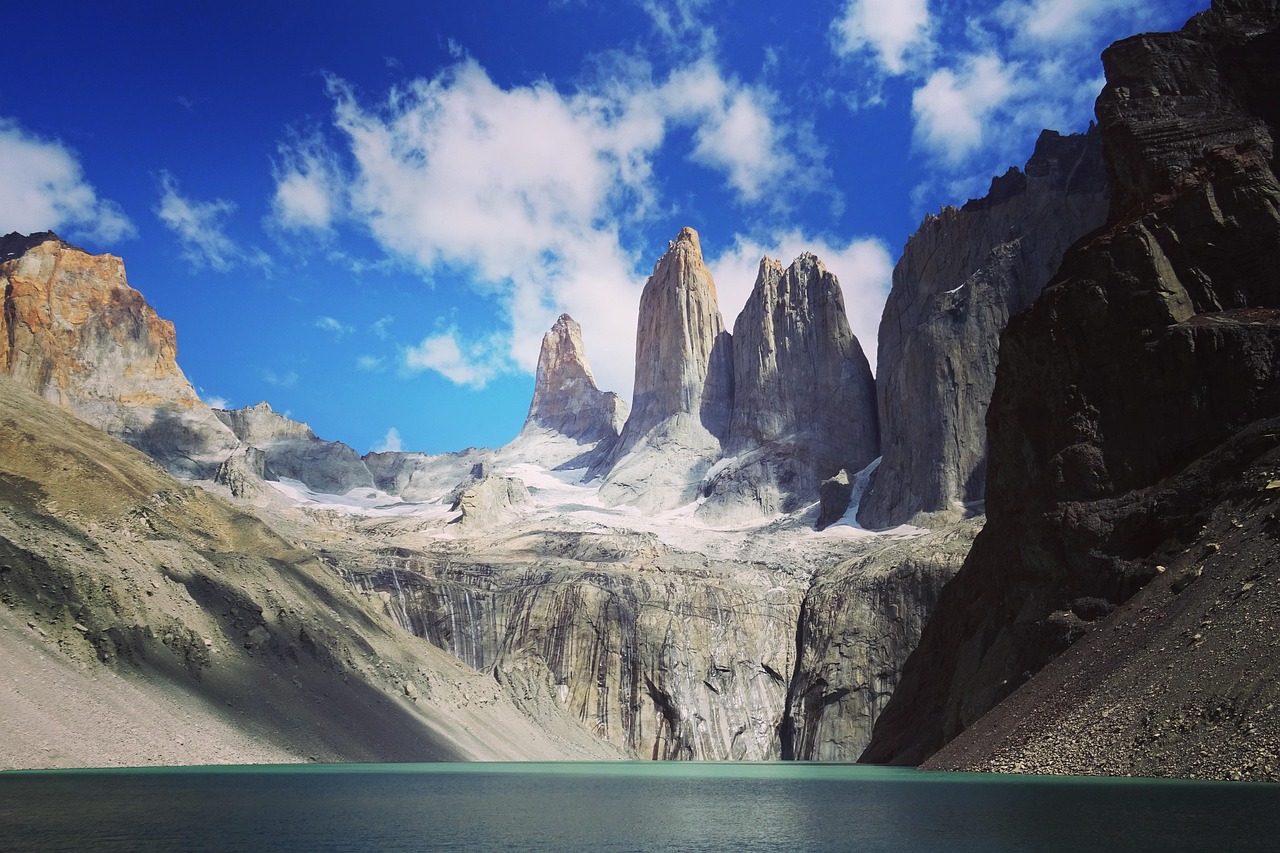
10 Days Patagonia Itinerary
This 10-day Patagonian adventure focuses on exploring the highlights of El Calafate, Torres del Paine, and Puerto Natales. It balances challenging hikes with opportunities for relaxation and cultural immersion, all while staying within a moderate budget.
Duration
10 days
Budget
$1000-2000
Best Time
The optimal time to visit Patagonia is during the austral summer, from December to February, offering the warmest weather, longest daylight hours, and best conditions for trekking
Activities
43
Daily Avg
$150/day
Cities
El Calafate (2d), Puerto Natales (8d)
Pace
Moderate
Patagonia offers breathtaking landscapes, from towering granite peaks to vast glaciers and turquoise lakes. It's a haven for adventure seekers, offering world-class hiking, wildlife viewing, and stunning natural beauty at every turn. This itinerary balances challenging hikes with opportunities to relax and soak in the scenery.
Your itinerary covers 2 of 11 must-have experiences
A Pristine Wilderness Trek
e.g., Torres del Paine W Trek (Chile), Fitz Roy Trek (El Chaltén, Argentina)
A Glacier Encounter
Day 1: Perito Moreno Glacier Excursion
A Remote Coastal Escape
e.g., Nā Pali Coast (Kauai, Hawaii, USA), Lofoten Islands (Norway)
A High-Altitude Lake Haven
Day 6: Catamaran across Pehoé Lake
A Volcanic Landscape Exploration
e.g., Hawaii Volcanoes National Park (USA), Mount Bromo (Indonesia)
A Unique Wildlife Immersion
e.g., Galápagos Islands (Ecuador), Churchill (Manitoba, Canada - Polar Bears)
An Indigenous Cultural Exchange
e.g., Māori Village Visit (Rotorua, New Zealand), Amazonian Community Stay (Peru/Brazil)
A Desert Stars and Sands
e.g., Erg Chebbi (Sahara Desert, Morocco), Atacama Desert (Chile)
A Remote Hot Spring Oasis
e.g., Blue Lagoon (Iceland), Reykjadalur Hot Spring Thermal River (Iceland)
An Epic Overland Journey
e.g., Trans-Siberian Railway (Russia), Alaska Railroad (USA)
A Dark Sky Preserve Experience
e.g., Aoraki Mackenzie International Dark Sky Reserve (New Zealand), Jasper National Park (Canada)
Patagonian cuisine is a hearty blend of Chilean and Argentinian traditions, emphasizing locally sourced ingredients like lamb, seafood, and berries. Expect rustic flavors, generous portions, and a focus on grilling and slow cooking. The region's isolation has also preserved unique culinary techniques.
Must-Try Dishes
Slow-roasted whole lamb seasoned simply with salt and cooked over an open fire. The meat is incredibly tender and flavorful, with crispy skin. A Patagonian staple.
📍 Estancias (ranches), traditional restaurants, especially in El Calafate and Puerto Natales
Giant king crab, often served simply boiled or grilled, allowing its delicate, sweet flavor to shine. A true delicacy of the region.
📍 Seafood restaurants in Ushuaia, Punta Arenas, and Puerto Natales
A hearty and flavorful stew made with guanaco (a llama-like animal), vegetables, and local herbs. A unique Patagonian experience.
📍 Restaurants specializing in regional cuisine, particularly in Torres del Paine and El Chalten
Savory pastries filled with meat (usually lamb or beef), vegetables, and spices. A perfect snack or light meal.
📍 Bakeries, cafes, and restaurants throughout Patagonia
Food Neighborhoods
Known for its German-influenced cuisine and seafood.
Known for its Centolla (King Crab) and seafood.
Known for its Cordero al Palo and Patagonian stews.
Known for its chocolate, craft beer, and trout.
Vegetarian options can be limited outside of major towns. Look for pasta dishes, salads, and vegetable-based empanadas. Vegan options are even more scarce, so it's best to inquire about modifications or bring your own snacks. Gluten-free options are becoming more common in tourist areas, but it's essential to confirm with the restaurant. For allergies, clearly communicate your needs to the staff, and be prepared to show a translation if necessary.
Tipping is customary in restaurants, typically around 10%. It's polite to say 'provecho' (enjoy your meal) to fellow diners. Meal times are generally later than in North America or Europe, with lunch around 1-3 PM and dinner from 8 PM onwards. It is considered rude to waste food.
Fiesta de la Candelaria
FebruaryCelebration with traditional music and dances in various Patagonian towns.
Semana de la Patagonia
FebruaryWeek-long celebration of Patagonian culture in Punta Arenas.
🛣️Interesting Detours & Side Trips
- 🚶Arrive at El Calafate International Airport (FTE) and take a taxi or shuttle to your hotel in El Calafate town.$15-25 (Shuttle)
12:00 PM - Arrive at El Calafate International Airport (FTE)
Take a pre-booked shuttle or taxi to your accommodation in El Calafate. Check in and leave your luggage.
🏨Create Custom ItineraryAdd your hotel booking
Search and add hotels to see on maps
Create a free custom itinerary to add hotels and restaurants
- 🚗Take a bus or join a tour to Perito Moreno Glacier National Park (approx. 1.5 hours).$40 (Bus) + $20 (Park Entrance)
2:00 PM - Perito Moreno Glacier Excursion
Take a bus or book a tour to Perito Moreno Glacier. Walk the boardwalks for stunning views and witness ice calving. Consider a boat trip for a closer look. Book your tour in advance, especially during peak season. Wear layers!
Book on Klook - 🚶Take a taxi or walk from Perito Moreno Glacier back to El Calafate town and then to La Tablita restaurant.$30
6:00 PM - Dinner at La Tablita
Enjoy a traditional Patagonian dinner. Try the lamb. Make a reservation in advance.
🍽️Create Custom ItineraryAdd restaurants for Dinner
Get personalized restaurant recommendations
Create a free custom itinerary to add hotels and restaurants
- 🚶Walk from La Tablita to the Ice Bar (a short distance).
El Calafate Town Center
Close to restaurants, shops, and the bus terminal, making it convenient for exploring and transportation.
📅 Best Time to Visit
The optimal time to visit Patagonia is during the austral summer, from December to February, offering the warmest weather, longest daylight hours, and best conditions for trekking. This is also peak season, meaning higher prices and larger crowds. Shoulder seasons (October-November and March-April) provide fewer crowds, slightly lower prices, and often pleasant weather, with March-April offering stunning autumn foliage. Winter (May-September) is cold with significant snow, limiting trekking options but ideal for winter sports enthusiasts and those seeking solitude, though many facilities close.
Patagonia's weather is notoriously unpredictable. Expect sunny days, strong winds, and occasional rain, even in summer. Layering is essential.
December to February is the peak season, offering the best weather for trekking and outdoor activities. Expect higher prices and more tourists.
Christmas (December 25th) and New Year's Day (January 1st) are major holidays. Services may be limited, and booking in advance is essential.
Getting Around
Travel
$300-500 (Flights and buses)Accommodation
$300-500 (Hostels and budget hotels)Food
$200-400Activities
$200-600 (Park entrance fees, tours)Utilize hostel kitchens to cook your own meals, especially in towns like El Chaltén and Puerto Natales where restaurant prices can be high.
Splurge on a mini-trekking or Big Ice tour on the Perito Moreno Glacier for an unforgettable experience walking on the ice.
In Argentina, bring US Dollars cash to exchange on the 'blue dollar' market for a significantly better rate than official exchanges or ATMs.
Opt for long-distance bus travel over domestic flights for shorter routes to save money and experience more of the landscapes.
Invest in high-quality gear (waterproofs, layers, sturdy boots) before your trip; renting or buying locally can be expensive and quality inconsistent.
Pack essential snacks and supplies from larger cities. Prices for groceries and camping provisions increase significantly in smaller, remote Patagonian towns.
- Patagonia's weather is notoriously unpredictable; always prepare for four seasons in a single day with layers, rain gear, and wind protection.
- Carry a mix of local currency (Argentine Pesos, Chilean Pesos) and US Dollars cash. ATMs can be scarce or run out of cash, and USD cash often gets a better exchange rate in Argentina (blue dollar market).
- Book accommodations, popular trekking permits (like Torres del Paine's W Trek), and long-distance buses well in advance, especially during peak season.
- Learn basic Spanish phrases; English isn't widely spoken outside major tourist centers and guided tours.
- Practice 'Leave No Trace' principles rigorously to protect the pristine environment. This includes packing out all trash and staying on marked trails.
- Distances between towns are vast. Budget ample travel time for long bus journeys and domestic flights.
- Always check national park entry requirements and fees beforehand, as some, like Torres del Paine, require advance booking and payment.
- 1Waterproof and windproof outer shell (jacket and pants)
- 2Layered clothing (thermal base layers, fleece mid-layers, warm down jacket)
- 3Sturdy, waterproof hiking boots with good ankle support
- 4Sun protection (high-SPF sunscreen, wide-brimmed hat, sunglasses)
- 5Headlamp or flashlight with spare batteries
- 6Reusable water bottle and water purification tablets/filter
- 7Power bank/portable charger for electronics
- 8Small daypack for daily excursions
- 9Quick-dry hiking pants and shorts
- 10Insect repellent (especially for specific areas/seasons)
International flights
Book 6-12 months in advance for best prices, especially for peak season (Dec-Feb).
Domestic flights (e.g., Buenos Aires to El Calafate, Santiago to Punta Arenas)
Book 3-6 months ahead as routes are limited and fill quickly, particularly for popular hubs.
Accommodation
Book 3-6 months in advance, especially for popular towns like El Chaltén, Puerto Natales, El Calafate, and Ushuaia during peak season.
National Park entrance fees & permits (e.g., Torres del Paine, Perito Moreno Glacier)
Torres del Paine requires advance booking for entrance and camping/refugios (3-6 months). Perito Moreno trekking tours also sell out far in advance.
Long-distance bus tickets
Book 1-2 months in advance, especially for popular routes like El Calafate to El Chaltén or Puerto Natales to El Calafate during peak season.
Travel Insurance
Purchase immediately after booking flights/accommodation to cover cancellations, and ensure it covers adventurous activities.
Visa requirements
Check visa requirements for Argentina and Chile based on your nationality well in advance of your trip.
Note: Travel conditions, regulations, and local customs may change. We recommend verifying essential details — such as visa requirements, emergency contacts, and payment options — closer to your travel date.
SIM & Connectivity
SIM Options
📍 Airalo app or website
📍 Movistar stores at airports or in major cities like Buenos Aires, El Calafate, Santiago, or Punta Arenas.
📍 Online rental with delivery to your hotel or airport in major cities.
WiFi is available in most hotels, hostels, and cafes in cities and tourist areas. However, internet speeds can be slow and unreliable, especially in remote locations. Don't expect to stream videos or participate in video calls seamlessly in all areas. Many hiking trails and national parks have little to no signal.
Useful Apps
Purchase a local SIM card or eSIM upon arrival for reliable connectivity, especially if you plan on hiking or traveling to remote areas. Download offline maps and translation packs before your trip. Be prepared for limited or no signal in some areas. Consider a portable power bank to keep your devices charged, as outlets may be scarce in some locations.
Safety & Travel Advisories
Patagonia is generally safe for tourists. Be aware of petty theft in crowded areas and take precautions against the elements, especially when hiking.
Check official government advisories for the latest safety information, entry requirements, and travel warnings before your trip.
Customize This Trip
Get this itinerary tailored to YOUR exact dates, preferences, and budget.
- Personalized for your dates
- Weather-aware recommendations
- Offline access
- Real-time pricing
- Budget tracking
No sign-up required
Quick Actions
Trip Summary
How was this itinerary?
The best time to visit Patagonia is during the austral summer (December to February) for the warmest weather and longest daylight hours. However, shoulder seasons (October-November and March-April) offer fewer crowds and pleasant weather, with March-April boasting stunning autumn foliage.
Related Itineraries
Customize This Trip
Get this itinerary tailored to YOUR exact dates, preferences, and budget.
- Personalized for your dates
- Weather-aware recommendations
- Offline access
- Real-time pricing
- Budget tracking
No sign-up required
Quick Actions
Trip Summary
Want a Personalized Version?
Get this itinerary customized for your exact travel dates, with weather-aware recommendations and real-time pricing.
Create My Custom Itinerary60sBrowse by travel style: