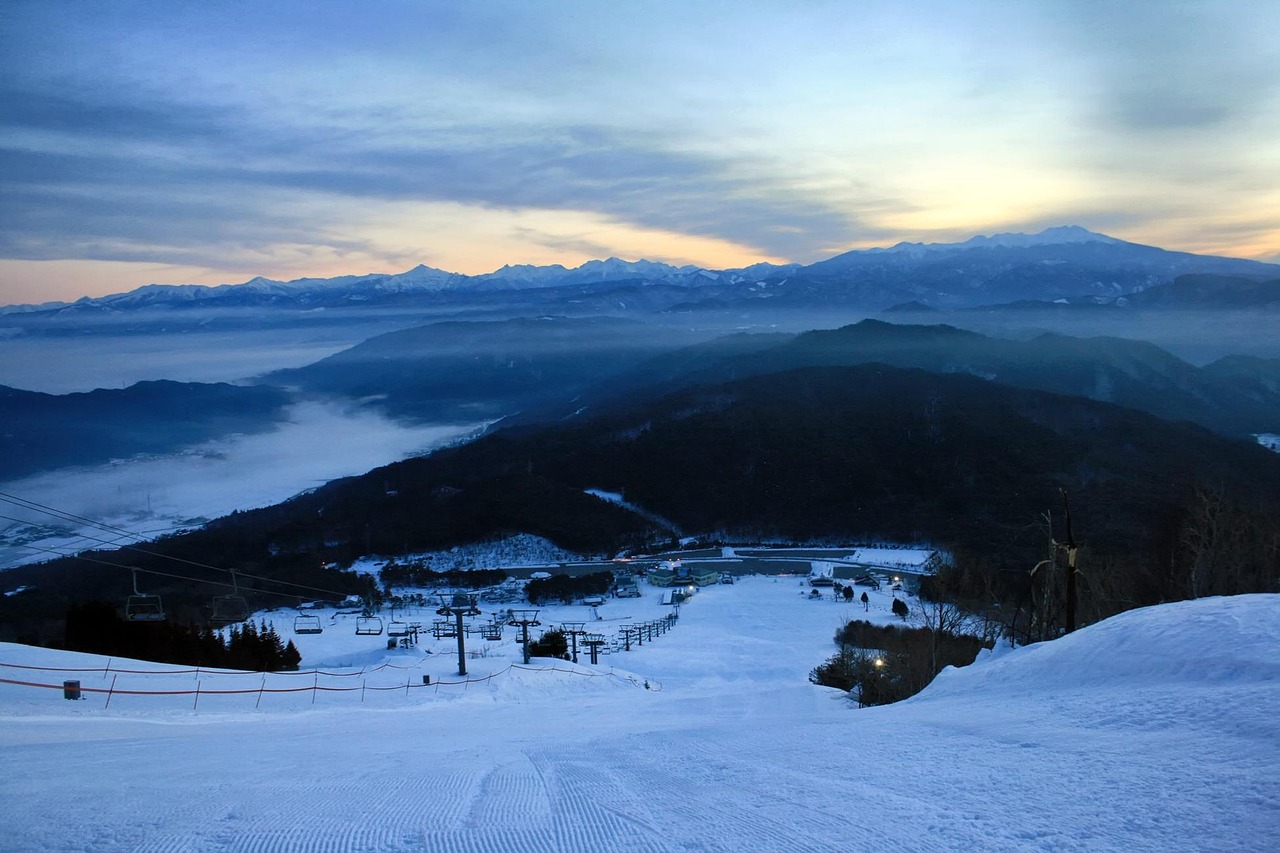
7 Days Japan Ski Itinerary
This 7-day adventure in Japan balances the urban exploration of Tokyo with the natural beauty of Niseko and Hakuba. It includes hiking, cultural immersion, and delicious food, all while keeping within a moderate budget.
Duration
7 days
Budget
$700-1400
Best Time
Spring (March-May) offers beautiful cherry blossoms, but is very popular and crowded
Activities
27
Daily Avg
$150/day
Cities
Japan (2d), Niseko (2d), Hakuba (3d)
Pace
Moderate
Japan offers a unique blend of ancient traditions and modern marvels, making it a captivating destination for adventure travelers. From bustling cityscapes to serene mountain landscapes, it offers diverse outdoor activities and cultural experiences.
Your itinerary covers 4 of 12 must-have experiences
Ancient Temple Visit
e.g., Sensō-ji (Tokyo), Kiyomizu-dera (Kyoto)
Serene Shrine Exploration
Day 2: Meiji Jingu Shrine
Historic Castle Tour
e.g., Himeji Castle (Himeji), Matsumoto Castle (Matsumoto)
Immersive Food Market
e.g., Tsukiji Outer Market (Tokyo), Nishiki Market (Kyoto)
Authentic Onsen Experience
Day 4: Onsen Experience
Panoramic City Viewpoint
Day 1: Tokyo Metropolitan Government Building
Traditional Japanese Garden Stroll
e.g., Kenroku-en (Kanazawa), Shinjuku Gyoen National Garden (Tokyo)
Vibrant Nightlife District
e.g., Shinjuku Golden Gai (Tokyo), Dotonbori (Osaka)
Unique Theme Park Adventure
e.g., Tokyo Disneyland/DisneySea (Chiba), Universal Studios Japan (Osaka)
Hands-on Culinary Workshop
e.g., Tokyo Sushi Making Tour (Tokyo), Maiko Tea Ceremony Experience (Kyoto)
Iconic Scenic Train Journey
Day 3: Local Train to Niseko
Explore Anime & Pop Culture Hub
e.g., Akihabara (Tokyo), Nakano Broadway (Tokyo)
Japanese cuisine is renowned for its emphasis on fresh, seasonal ingredients and meticulous preparation. From delicate sushi to hearty ramen, the culinary landscape offers a diverse range of flavors and experiences. Expect a focus on umami and a visual presentation that's as important as the taste.
Must-Try Dishes
Vinegared rice paired with various toppings, most commonly seafood. Experience the freshness of the fish and the perfect balance of flavors. Nigiri (fish on rice) and Maki (rolled sushi) are popular choices.
📍 Tsukiji Outer Market (Tokyo), local sushi restaurants (everywhere)
Noodle soup with a rich broth, toppings like pork belly (chashu), seaweed, and a soft-boiled egg. Each region has its own unique style of ramen, from tonkotsu (pork bone broth) to miso ramen.
📍 Ramen shops (everywhere), especially in Tokyo, Fukuoka, and Sapporo
Lightly battered and deep-fried seafood and vegetables. Enjoy the crispy texture and delicate flavors, usually dipped in a tentsuyu sauce.
📍 Specialized tempura restaurants, department store restaurants
Savory pancake containing flour, egg, shredded cabbage, and various ingredients like meat, seafood, and vegetables. Two main styles: Osaka-style (ingredients mixed together) and Hiroshima-style (layered).
📍 Okonomiyaki restaurants, especially in Osaka and Hiroshima
Food Neighborhoods
Known for fresh seafood and street food.
Known for its vibrant street food scene and iconic food signs.
Known for its retro atmosphere and Kushikatsu (deep-fried skewers).
Known for traditional restaurants and teahouses along the Kamogawa River.
Vegetarian options can be limited, but look for dishes like vegetable tempura, tofu dishes, and vegetarian ramen (ask specifically). Communicating dietary restrictions clearly is essential, use a translation app if needed. Halal food can be challenging to find outside major cities; search for halal-certified restaurants beforehand. Common allergens include soy sauce, shellfish, and sesame.
It's customary to say "itadakimasu" before eating and "gochisousama deshita" after. Slurping noodles is considered polite. Don't stick your chopsticks upright in your rice bowl. Using chopsticks to pass food directly to someone else is a funeral custom and should be avoided.
Cherry Blossom Season
HanamiPeak cherry blossom viewing season with picnics under blooming trees.
Note: Book 3+ months ahead - hotels sell out quickly
Golden Week
Japan's longest holiday period with multiple national holidays. Domestic travel surge.
Note: Book 3+ months ahead or avoid entirely
Gion Matsuri
One of Japan's most famous festivals with elaborate floats and traditional performances.
Note: Book 2 months ahead for mid-July
Autumn Leaves Season
KoyoPeak autumn foliage viewing with stunning red and gold colors across Japan.
Note: Book 2 months ahead for Kyoto
🛣️Interesting Detours & Side Trips
- 🚶Arrive at Narita (NRT) or Haneda (HND) Airport$30-40
2:00 PM - Arrive at Narita (NRT) or Haneda (HND) Airport
Take the Narita Express or Limousine Bus to Shinjuku. Purchase a Suica or Pasmo card for easy travel on public transport.
- 🚶Take the Narita Express or Limousine Bus to Shinjuku Station, then walk to your hotel.$50-80
4:00 PM - Check into Hotel in Shinjuku
Drop off your luggage and freshen up. Consider a budget-friendly hotel or Airbnb in Shinjuku.
🏨Create Custom ItineraryAdd your hotel booking
Search and add hotels to see on maps
Create a free custom itinerary to add hotels and restaurants
- 🚶Walk from your hotel to the Tokyo Metropolitan Government Building.FREE
6:00 PM - Tokyo Metropolitan Government Building
Enjoy free panoramic views of Tokyo from the observation decks. Arrive early to beat the crowds.
Book on Klook - 🚶Walk from the Tokyo Metropolitan Government Building to Omoide Yokocho.$15-25
8:00 PM - Dinner at Omoide Yokocho (Memory Lane)
Experience a traditional Japanese alleyway filled with small eateries serving yakitori and ramen. Try the grilled skewers.
🍽️Create Custom ItineraryAdd restaurants for Dinner
Get personalized restaurant recommendations
Create a free custom itinerary to add hotels and restaurants
Shinjuku
Shinjuku offers excellent transportation links, diverse dining options, and vibrant nightlife.
📅 Best Time to Visit
Spring (March-May) offers beautiful cherry blossoms, but is very popular and crowded. Autumn (September-November) boasts stunning fall foliage and pleasant weather, making it another peak season. Summer (June-August) is hot and humid with occasional typhoons, but features vibrant festivals. Winter (December-February) is less crowded, ideal for skiing in the north and exploring cities comfortably, though some attractions might have shorter hours. Consider avoiding Golden Week (late April/early May) and Obon (mid-August) due to domestic travel surges and higher prices.
The weather is generally mild with comfortable temperatures. Expect sunny days with occasional rainfall, especially during the transition periods between seasons.
This itinerary is designed for travel during the shoulder seasons (spring or autumn) to avoid extreme temperatures and crowds.
Be aware of Golden Week (late April/early May) and Obon (mid-August) as these are peak travel times for locals.
Getting Around
World-class public transport with punctual trains and buses
Suica / Pasmo / ICOCA
Get a Japan Rail Pass for multi-city travel. Trains stop around midnight.
Travel
$200-400 (including shinkansen and local transport)Accommodation
$200-400Food
$150-300Activities
$150-300Eat at convenience stores (konbini) like 7-Eleven, FamilyMart, or Lawson. They offer a vast selection of fresh, affordable, and surprisingly delicious meals, snacks, and drinks (onigiri, bento boxes, sandwiches).
Take advantage of lunch sets (teishoku) or 'setto' menus at restaurants. These are typically much cheaper than dinner options for the same quality of food.
Indulge in a traditional ryokan stay with a kaiseki dinner. It's a full cultural experience including elaborate multi-course meals, private onsen (hot spring) baths, and impeccable service.
Experience high-quality Wagyu beef or an authentic sushi omakase (chef's choice) dinner. While pricey, the quality and culinary artistry are unparalleled.
Visit supermarkets in the evening (typically after 7 PM) for discounted fresh food items, including bento boxes, sushi, and baked goods, as they clear out inventory for the next day.
Explore 'depachika' – the food halls located in the basement of department stores. They offer an incredible array of gourmet foods, and sometimes offer samples or discounted items, especially towards closing time.
- Always carry some cash (Japanese Yen). While card payments are increasingly common, many smaller shops, restaurants, temples, and transportation options (like local buses) are still cash-only.
- Learn basic Japanese phrases (e.g., 'Arigato' - Thank you, 'Sumimasen' - Excuse me/Sorry). Even a little effort is appreciated and can help with simple interactions.
- Be mindful of local etiquette: remove your shoes before entering homes, some restaurants, and temples. Keep noise levels low on public transport and avoid eating or talking loudly on trains.
- Utilize Japan's incredibly efficient public transportation system. Purchase an IC card (Suica or Pasmo) for seamless travel on trains, subways, and buses across major cities.
- Tipping is not customary and can even be considered rude in Japan. Excellent service is expected and included in the price.
- Carry a small trash bag. Public trash cans are surprisingly scarce, especially outside of train stations and convenience stores. You'll often need to carry your trash until you find a bin or return to your accommodation.
- Japan has strict rules regarding smoking; it's generally only allowed in designated smoking areas. Vaping is also often treated the same as traditional smoking.
- Stay hydrated, especially during the humid summer months. Vending machines are ubiquitous and offer a wide variety of drinks.
- 1Comfortable walking shoes: You'll do a lot of walking, especially in cities and at temples/shrines.
- 2Portable power bank: Essential for charging phones used heavily for navigation, translation, and photos.
- 3Layers of clothing: Weather can change quickly, especially between day and night, or when moving between different regions/altitudes.
- 4Small umbrella: Sudden rain showers are common, particularly during certain seasons.
- 5Universal travel adapter (Type A/B): Japanese outlets are Type A (two flat pins) or Type B (two flat pins and one round ground pin). Most modern electronics are dual voltage.
- 6Hand sanitizer: Useful for public hygiene, especially since public restrooms might not always have soap.
- 7Reusable shopping bag: Most stores charge for plastic bags, and it's useful for carrying items bought throughout the day.
- 8Light jacket or cardigan: Even in warmer months, air-conditioned places can be chilly. Essential for cooler seasons.
- 9Modest clothing for temples/shrines: While not strictly enforced everywhere, it's respectful to cover shoulders and knees when visiting religious sites.
- 10Motion sickness medication: If prone to motion sickness, bring some for potentially winding bus rides or fast train travel.
Flights and Accommodation
Book at least 3-6 months in advance, especially for peak seasons (cherry blossom, fall foliage) or popular destinations like Tokyo, Kyoto, Osaka, to secure preferred options and better prices.
Japan Rail Pass (if applicable)
If planning extensive travel across multiple regions, calculate if a JR Pass is cost-effective. Purchase before arriving in Japan, as buying inside Japan is significantly more expensive.
Ghibli Museum Tickets
Tickets are notoriously hard to get and sell out instantly. Purchase online via official channels (e.g., Lawson Ticket in Japan, or authorized international resellers) exactly one month in advance, usually on the 10th of the preceding month.
Popular Restaurant Reservations
For high-end or highly sought-after restaurants (especially Michelin-starred), book 1-3 months in advance. Many require hotel concierge assistance for foreign visitors.
Pocket WiFi or SIM Card
Pre-order online for convenient pickup at major airports upon arrival. This ensures immediate connectivity as soon as you land.
Ryokan Stay (Traditional Inn)
Especially popular ryokans or those with private onsen rooms can book out 3-6 months in advance, particularly during peak seasons.
TeamLab Borderless / Planets Tickets
These popular digital art museums often sell out, especially on weekends and holidays. Book online a few weeks to a month in advance.
Note: Travel conditions, regulations, and local customs may change. We recommend verifying essential details — such as visa requirements, emergency contacts, and payment options — closer to your travel date.
SIM & Connectivity
SIM Options
📍 Airalo app or website
📍 Mobal website (ships internationally) or Narita/Haneda Airport
📍 Japan Wireless website (delivery to hotel or airport)
📍 Holafly website
Free WiFi is increasingly available in hotels, cafes (Starbucks, Tully's), and some public areas, especially in major cities. However, connection speeds and reliability can vary. Pocket WiFi or SIM card is highly recommended for consistent connectivity.
Useful Apps
Purchase your SIM card or pocket WiFi in advance for convenience. Consider an eSIM if your phone is compatible. Download offline maps and translation packs before your trip. Check the coverage area of your chosen provider, especially if you plan to travel to rural areas. Ensure your phone is unlocked before purchasing a SIM card.
Electric Socket Guide
Socket Types
Two flat parallel pins
Two flat parallel pins + round ground
100V
50/60Hz
Tipping Etiquette
Not expected — tipping can be considered rude
Not expected
Not expected; leave a tip in an envelope if desired
Japan has a no-tipping culture. Excellent service is the standard.
Safety & Travel Advisories
Japan is generally a very safe country for tourists. Exercise normal precautions against petty theft.
Check official government advisories for the latest safety information, entry requirements, and travel warnings before your trip.
Emergency Numbers
110
119
119
English support available at #7119 (medical) and #9110 (police non-emergency)
Payments
Cash is still widely used, especially at small shops and rural areas
Accepted at major stores and hotels; less common at small restaurants
IC cards (Suica/Pasmo) widely accepted at convenience stores and transit
Carry cash — many places are cash-only. 7-Eleven ATMs accept foreign cards.
Customize This Trip
Get this itinerary tailored to YOUR exact dates, preferences, and budget.
- Personalized for your dates
- Weather-aware recommendations
- Offline access
- Real-time pricing
- Budget tracking
No sign-up required
Quick Actions
Trip Summary
How was this itinerary?
Spring (March-May) and autumn (September-November) are ideal due to pleasant weather and beautiful scenery. However, these are also peak seasons, so expect crowds and higher prices. Summer can be hot and humid, while winter is cold but offers opportunities for skiing.
Related Itineraries
Customize This Trip
Get this itinerary tailored to YOUR exact dates, preferences, and budget.
- Personalized for your dates
- Weather-aware recommendations
- Offline access
- Real-time pricing
- Budget tracking
No sign-up required
Quick Actions
Trip Summary
Want a Personalized Version?
Get this itinerary customized for your exact travel dates, with weather-aware recommendations and real-time pricing.
Create My Custom Itinerary60s