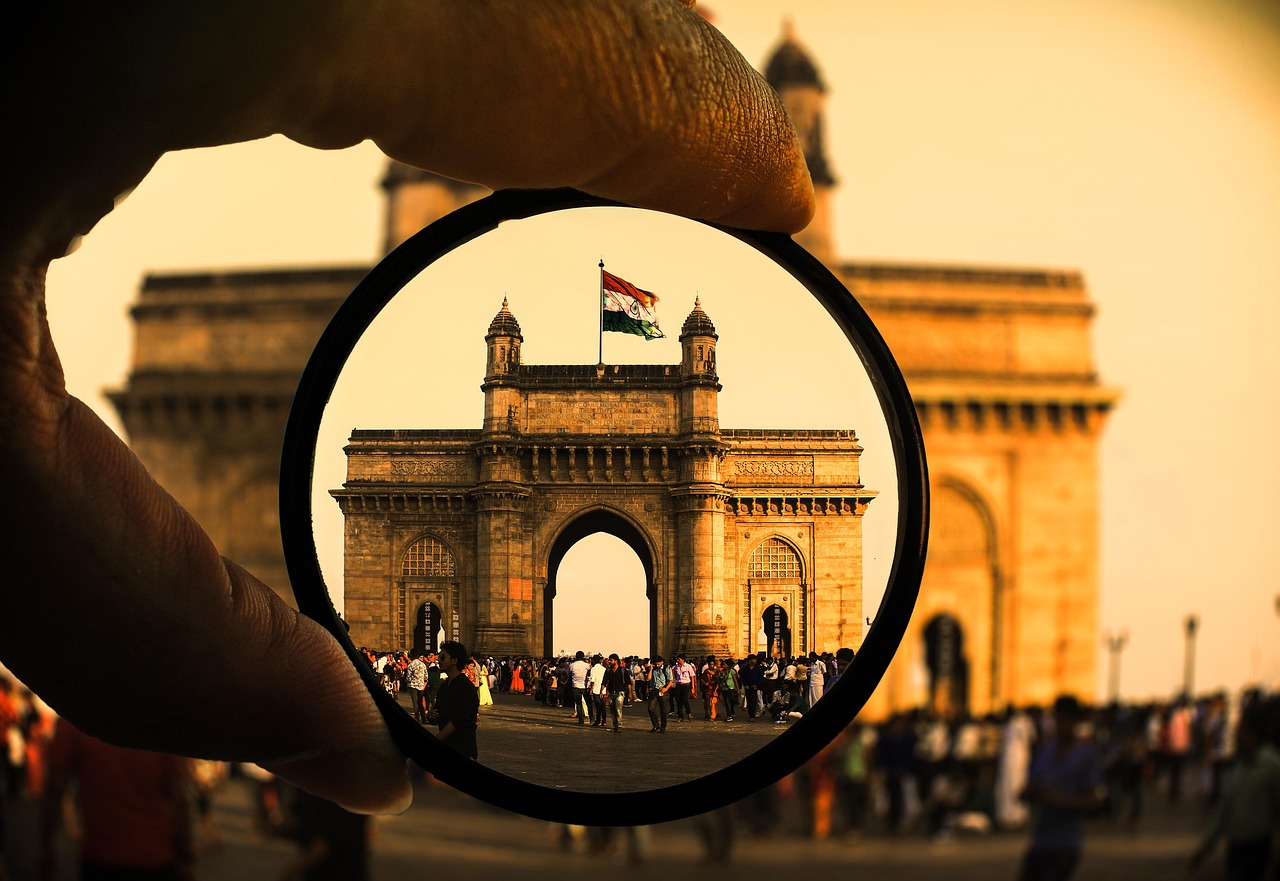
4 Days Mumbai, India Itinerary
This 4-day Mumbai itinerary balances iconic landmarks with local experiences, offering a taste of the city's diverse culture, delicious cuisine, and historical significance, all while staying within a moderate budget. It's designed for first-time visitors who want to see the highlights and delve a little deeper into the real Mumbai.
Duration
4 days
Budget
$400-800
Best Time
The best time to visit Mumbai is from October to March, when the weather is relatively cool and dry with pleasant temperatures ranging from 20-30°C, ideal for sightseeing
Activities
16
Daily Avg
$150/day
Pace
Moderate
Mumbai, the city of dreams, is a vibrant metropolis that blends rich history with modern culture. From Bollywood glamour to colonial architecture and bustling street markets, Mumbai offers a sensory overload of experiences that are both captivating and unforgettable.
Your itinerary covers 8 of 11 must-have experiences
Iconic Historic Landmarks
Day 1: Gateway of India
Bustling Street Food Experiences
Day 3: Chor Bazaar
Spiritual Sanctuaries & Shrines
Day 2: Shree Siddhivinayak Temple
Vibrant Local Market Exploration
Day 3: Crawford Market
Coastal Promenades & Sunset Views
Day 4: Juhu Beach
Bollywood & Performing Arts Immersion
Day 2: Bollywood Studio Tour (Optional)
Art, Culture & Museum Visits
e.g., Chhatrapati Shivaji Maharaj Vastu Sangrahalaya (CSMVS), Jehangir Art Gallery
Urban Green Spaces & Wildlife
Day 2: Lunch near Sanjay Gandhi National Park
Sky-High Nightlife & Panoramic Views
e.g., AER - Bar & Lounge (Four Seasons), Dome (InterContinental Marine Drive)
Authentic Local Life & Community
Day 4: Dhobi Ghat
Upscale Culinary Exploration
e.g., The Table, Masque
Mumbai's food scene is a vibrant tapestry of flavors, influenced by its diverse population and coastal location. From street food staples to elegant restaurant experiences, the city offers a culinary adventure for every palate. Expect bold spices, fresh seafood, and a delightful fusion of traditional and modern cooking techniques.
Must-Try Dishes
Mumbai's iconic street food: a deep-fried potato patty (vada) served in a soft bun (pav) with chutneys and a fried green chili. A must-try for its spicy, savory, and satisfying flavors.
📍 Street food stalls, especially around railway stations like Dadar and near colleges.
A thick vegetable curry (bhaji) mashed and cooked with spices, served with buttered bread rolls (pav). Rich, flavorful, and filling.
📍 Street food stalls, restaurants specializing in Pav Bhaji, like Sardar Pav Bhaji near Mumbai Central Station.
A spicy lentil curry (misal) topped with farsan (a savory mixture), onions, and cilantro, served with pav. A Maharashtrian specialty with varying levels of spiciness.
📍 Maharashtrian restaurants, street food stalls specializing in Misal Pav, like Aaswad in Dadar.
Hollow, crispy puri filled with flavored water (pani), potatoes, chickpeas, and spices. A burst of flavors in every bite.
📍 Street food stalls, especially around Chowpatty Beach.
Food Neighborhoods
Street food, especially in the evenings
Mughlai cuisine, especially during Ramadan
Trendy restaurants, cafes, and bars
Seafood restaurants, Irani cafes, and upscale dining
Mumbai offers abundant vegetarian options. Look for dishes marked as 'Veg'. Many restaurants can accommodate vegan requests (specify 'no dairy' or 'no animal products'). Halal food is widely available, especially in Muslim-dominated areas. Be cautious of street food if you have a sensitive stomach; opt for well-established vendors. Inform servers about any allergies.
Eating with your hands is common, especially for certain dishes like rice and roti. Use your right hand only. Tipping is customary (around 5-10% in restaurants). Be mindful of religious customs; avoid eating beef in some areas. It's polite to wait for everyone to be served before starting to eat.
Diwali
DeepavaliFestival of Lights celebrating the victory of light over darkness with oil lamps, fireworks, and sweets.
Note: Book 1+ month ahead for popular cities
Holi
Festival of Colors celebrating spring with colored powder, water fights, and music.
Note: Book 3-4 weeks ahead
Ganesh Chaturthi
Festival honoring elephant-headed god Ganesha with grand processions.
Note: Book 1 month ahead for Mumbai
Pushkar Camel Fair
Pushkar MelaWorld's largest camel fair with trading, competitions, and cultural events.
Note: Book 2 months ahead
🛣️Interesting Detours & Side Trips
- 🚶From your hotel in Colaba, you can easily walk to the Gateway of India.FREE
9:00 AM - Gateway of India
Start your Mumbai journey at this iconic arch monument. Take photos and soak in the atmosphere. Arrive early to beat the crowds, especially on weekends.
Book on Klook - 🚶The Taj Mahal Palace Hotel is right next to the Gateway of India, a short walk away.$10 (for a coffee)
10:30 AM - Taj Mahal Palace Hotel
Explore the luxurious Taj Mahal Palace Hotel, located right next to the Gateway. Admire its architecture and history. Consider having a coffee or tea at one of its cafes (budget permitting).
- 🚶Leopold Cafe is located on Colaba Causeway, a short walk from the Taj Mahal Palace Hotel.$15
12:00 PM - Lunch at Leopold Cafe
Enjoy lunch at Leopold Cafe, a historic restaurant known for its food and ambiance. Try their Indian and Continental dishes. It's a popular spot, so be prepared for a short wait.
🍽️Create Custom ItineraryAdd restaurants for Lunch
Get personalized restaurant recommendations
Create a free custom itinerary to add hotels and restaurants
- 🚆Take a taxi or local train from Colaba to Chhatrapati Shivaji Maharaj Terminus (CST).FREE
2:00 PM - Chhatrapati Shivaji Maharaj Terminus (CST)
Visit the UNESCO World Heritage Site, Chhatrapati Shivaji Maharaj Terminus (formerly Victoria Terminus). Admire its stunning Victorian Gothic architecture. Take photos from outside.
Book on Klook
Colaba
Colaba is a great area for tourists due to its proximity to major attractions like the Gateway of India and the Taj Mahal Palace Hotel. It also offers a variety of restaurants and shops.
📅 Best Time to Visit
The best time to visit Mumbai is from October to March, when the weather is relatively cool and dry with pleasant temperatures ranging from 20-30°C, ideal for sightseeing. April and May are hot and humid, while the monsoon season from June to September brings heavy rainfall, which can disrupt travel but also makes the city lush green. Major festivals like Diwali (Oct/Nov) and Ganesh Chaturthi (Aug/Sep) offer vibrant cultural experiences but can lead to increased crowds and local travel demands.
The weather during this period is generally sunny and dry, with low humidity. Temperatures are comfortable for exploring the city. Evenings can be slightly cooler.
October to March is the best time to visit Mumbai, offering pleasant weather ideal for sightseeing and outdoor activities.
Diwali and Ganesh Chaturthi can significantly impact travel due to increased crowds and transportation demands.
Getting Around
Diverse options from auto-rickshaws to metro systems in major cities
Metro cards available per city
Use Uber/Ola for hassle-free rides. Book trains via IRCTC app well in advance.
Travel
$100-200 (flights not included)Accommodation
$120-200Food
$80-120Activities
$100-180Utilize Mumbai's extensive local train and BEST bus network for incredibly cheap transportation across the city, avoiding peak hours for comfort.
Eat at local 'thali' restaurants (serving a platter of various dishes) or reputable street food stalls for delicious, authentic, and highly affordable meals.
Hone your bargaining skills at local markets like Colaba Causeway or Linking Road for souvenirs, clothes, and accessories to get better deals.
Indulge in a fine dining experience at a high-end restaurant with a view, such as those along the Marine Drive or in South Mumbai's luxury hotels.
Stay a night or two at a heritage hotel like The Taj Mahal Palace for an iconic and luxurious experience steeped in history.
Always carry loose change and smaller denomination notes (₹10, ₹20, ₹50) as many small vendors and auto-rickshaw drivers may not have change for larger bills.
Embrace the chaos of Mumbai. It's part of the city's charm. Asking locals for directions or recommendations often yields helpful and friendly advice.
When taking auto-rickshaws, especially late at night, politely insist on 'meter se' (by meter) if they try to quote a flat rate, or use a ride-hailing app.
- Bargain respectfully in local markets, street stalls, and for auto-rickshaw rides if not using a meter or app. Start at 50% of the asking price.
- Stay hydrated with bottled water and protect yourself from the sun with sunscreen, sunglasses, and a hat, as Mumbai is hot and humid for most of the year.
- Utilize ride-hailing apps like Uber or Ola for reliable and fairly priced taxi/auto-rickshaw services, especially at night or when unsure of routes.
- Dress modestly, particularly when visiting religious sites such as temples and mosques. Shoulders and knees should generally be covered.
- Carry small denominations of Indian Rupees (₹10, ₹20, ₹50 notes) for street vendors, small shops, and auto-rickshaws, as larger notes may be difficult to break.
- Be aware of your surroundings, especially in crowded areas, to avoid petty theft. Keep valuables secure and out of sight.
- Experience the Mumbai local trains for a truly local experience, but avoid peak hours (7-10 AM and 5-8 PM) when they are extremely crowded.
- Always consume bottled water or filtered water from reputable establishments to avoid waterborne illnesses. Be cautious with street food, choosing busy, clean-looking stalls.
- 1Lightweight, breathable clothing (cotton, linen) to cope with the high humidity and heat.
- 2Comfortable walking shoes or sandals for navigating crowded streets and uneven pavements.
- 3Modest clothing options (long pants/skirts, shirts covering shoulders) for cultural sites and respectful interactions.
- 4A reusable water bottle to stay hydrated and reduce plastic waste; purified water refills are available.
- 5A universal travel adapter (Type D & M, sometimes Type C) and a power bank for charging devices.
- 6Sunscreen, sunglasses, and a wide-brimmed hat for protection against strong sun.
- 7Insect repellent, especially for evenings or if visiting greener areas or coastal regions.
- 8A small umbrella or a light rain jacket if traveling during the monsoon season (June-September).
- 9Hand sanitizer and a basic first-aid kit for minor cuts or stomach upsets.
- 10A lightweight scarf or shawl, useful for modesty, sun protection, or chilly air-conditioned spaces.
Indian Visa
Essential for all non-Indian citizens. Apply for an e-Visa or traditional visa well in advance (at least 2-4 weeks prior to travel).
International Flights
Book 3-6 months in advance for better prices, especially during peak season (Oct-Mar) or major festivals.
Accommodation (Hotels/Guesthouses)
Book 2-3 months ahead, particularly for popular areas like Colaba, Bandra, or during peak tourist season.
Local SIM Card / eSIM
Arrange to purchase/activate upon arrival at the airport or an official store, or pre-order an eSIM for immediate connectivity. Necessary documents include passport, visa, photo.
Travel Insurance
Crucial for covering medical emergencies, trip cancellations, or lost luggage. Purchase before your departure.
Major Tours & Experiences
Popular tours like Elephanta Caves ferry, Dharavi slum tour, or Bollywood Film City tour may require booking a few weeks in advance, especially for specific dates or times.
Airport Transfer
Pre-book a reliable taxi service or plan to use app-based services (Uber/Ola) upon arrival to ensure a smooth and fair-priced transfer to your accommodation.
Note: Travel conditions, regulations, and local customs may change. We recommend verifying essential details — such as visa requirements, emergency contacts, and payment options — closer to your travel date.
SIM & Connectivity
SIM Options
📍 Airalo website or app. Purchase and activate before arrival or upon arrival at the airport with WiFi.
📍 Airtel stores, airport kiosks, authorized retailers. Bring your passport and a passport-sized photo.
📍 Jio stores, airport kiosks, authorized retailers. Bring your passport and a passport-sized photo.
📍 Online booking with delivery to your hotel or airport pickup. Check reviews and compare prices.
WiFi is available in most hotels, cafes, and restaurants, especially in tourist areas. Quality can vary; higher-end establishments usually offer better connectivity. Some public areas, like airports and railway stations, offer free WiFi, but it may require registration and have limited bandwidth.
Useful Apps
Purchase your SIM card at the airport for convenience, but be prepared for possible queues. Activating a local SIM requires providing a copy of your passport and a passport-sized photo. Consider downloading offline maps for navigation in areas with poor connectivity. Check with your hotel about their WiFi speed and reliability before relying on it for important tasks. Keep a portable charger handy, as power outages can occur.
Electric Socket Guide
Socket Types
Two round pins (Europlug)
Three large round pins in triangle
Three large round pins in triangle
230V
50Hz
Tipping Etiquette
10% if no service charge; round up at casual spots
Round up to nearest ₹10–50
₹50–100 per bag for porters; ₹200–500/day for housekeeping
Tipping is appreciated but not mandatory. Small tips go a long way.
Safety & Travel Advisories
Be aware of petty theft, especially in crowded areas. Exercise caution when consuming street food. Stay hydrated and use mosquito repellent.
Check official government advisories for the latest safety information, entry requirements, and travel warnings before your trip.
Emergency Numbers
100
102 or 108
101
Available in major tourist cities
Call 112 for unified emergency services
Payments
Cash is widely used, especially for street vendors and auto-rickshaws
Accepted at malls, restaurants, and hotels in cities
UPI (Google Pay, PhonePe, Paytm) is ubiquitous in urban India
UPI QR codes are everywhere. Carry small cash denominations for tips and small vendors.
Customize This Trip
Get this itinerary tailored to YOUR exact dates, preferences, and budget.
- Personalized for your dates
- Weather-aware recommendations
- Offline access
- Real-time pricing
- Budget tracking
No sign-up required
Quick Actions
Trip Summary
How was this itinerary?
The best time to visit Mumbai is from October to March when the weather is pleasant and dry. Temperatures are comfortable for sightseeing and outdoor activities. Avoid the monsoon season (June-September) due to heavy rainfall.
Related Itineraries
Customize This Trip
Get this itinerary tailored to YOUR exact dates, preferences, and budget.
- Personalized for your dates
- Weather-aware recommendations
- Offline access
- Real-time pricing
- Budget tracking
No sign-up required
Quick Actions
Trip Summary
Want a Personalized Version?
Get this itinerary customized for your exact travel dates, with weather-aware recommendations and real-time pricing.
Create My Custom Itinerary60sBrowse by travel style: