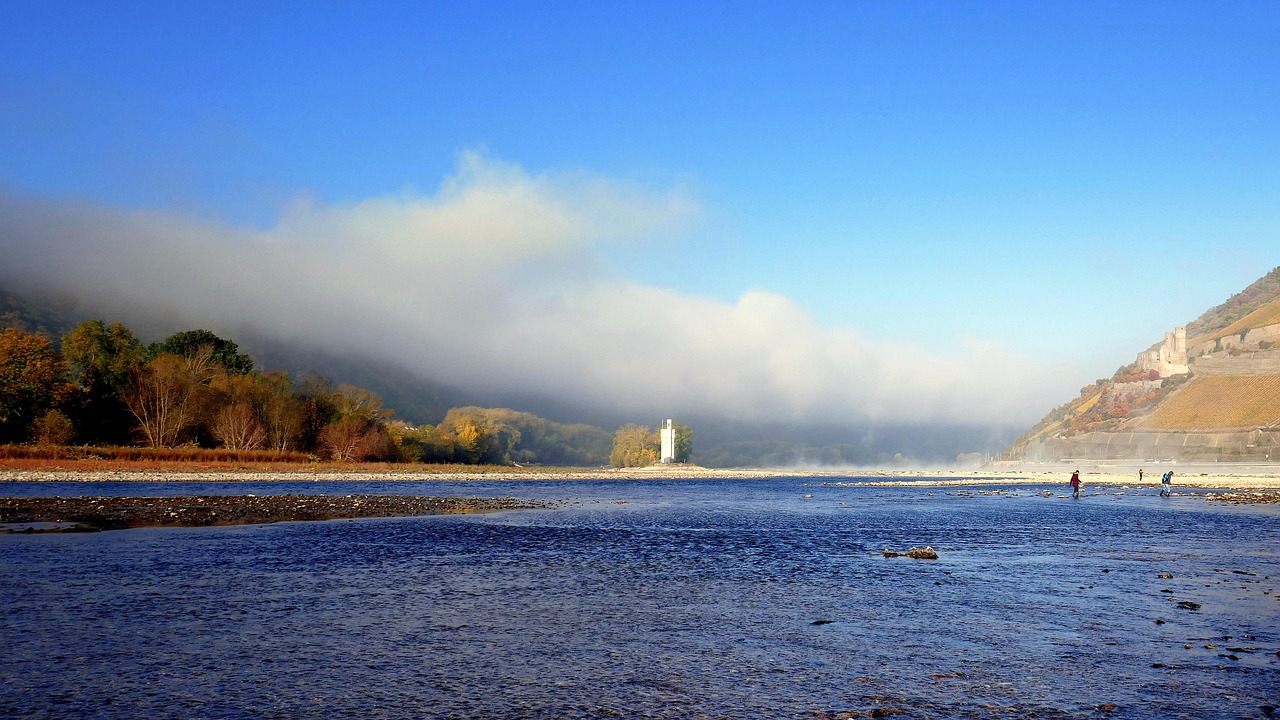
5 Days Rhine Valley, Germany Itinerary
This 5-day itinerary explores the highlights of the Rhine Valley, focusing on its iconic castles, vineyards, and charming towns. It balances historical sightseeing with opportunities to enjoy the region's natural beauty and local culture, all within a moderate budget.
Duration
5 days
Budget
$600-1000
Best Time
The best time to visit the Rhine Valley is generally from late April to early October
Activities
20
Daily Avg
$160/day
Pace
Moderate
The Rhine Valley offers a stunning blend of natural beauty, historic castles, and charming towns. It's a perfect destination for those seeking picturesque landscapes, cultural experiences, and delicious local wines.
Your itinerary covers 7 of 10 must-have experiences
A Fairytale Castle Tour
Day 2: Explore St. Goar and Rheinfels Castle
A Vine-to-Glass Wine Journey
Day 3: Travel to Bacharach
A Majestic River Cruise
Day 2: Rhine River Cruise
A Medieval Town Wander
Day 2: Boppard Exploration
A Breathtaking Panoramic View
Day 1: Ehrenbreitstein Fortress
An Adventurous Valley Hike
e.g., Rheinsteig Trail (selected sections, e.g., Lorch-Assmannshausen), RheinBurgenWeg (e.g., Koblenz-Braubach)
A Taste of Rhine Cuisine
Day 2: Rhine River Cruise
A Grand Fortress Visit
Day 1: Ehrenbreitstein Fortress
A Scenic Cable Car Ascent
e.g., Rüdesheim Cable Car (Seilbahn Rüdesheim), Boppard Chairlift (Sesselbahn Boppard)
A Historical & Cultural Deep Dive
e.g., Middle Rhine Museum (Koblenz), Rheingau Wine Museum (Eltville)
The Rhine Valley food scene is characterized by hearty, traditional German cuisine with regional specialties influenced by its location along the river. Expect rustic dishes featuring meat, potatoes, and cabbage, often paired with local wines from the surrounding vineyards. It's a truly immersive experience in German culinary heritage.
Must-Try Dishes
A traditional German pot roast, often made with beef marinated in vinegar, water, herbs, and spices for several days. The result is a tender, flavorful dish typically served with potato dumplings and red cabbage. It's a quintessential German comfort food.
📍 Traditional German restaurants ('Gasthaus' or 'Restaurant') throughout the Rhine Valley
A regional variation of Sauerbraten, specifically from the Rhineland. The marinade often includes raisins and gingerbread, adding a unique sweetness and depth of flavor. Served similarly to regular Sauerbraten.
📍 Restaurants specializing in Rhineland cuisine, particularly around Cologne and Bonn
"Heaven and Earth" in the local dialect, this dish consists of mashed potatoes ('Earth') and apple sauce ('Heaven'), often served with fried blood sausage or black pudding. A surprisingly delicious and comforting combination of sweet and savory.
📍 Traditional pubs and restaurants in the Cologne and Bonn area
A hearty potato cake made with grated potatoes, onions, bacon, and spices, baked in a loaf pan. It's a rustic and filling dish, perfect for a cold day. Often served with apple sauce or sour cream.
📍 Local markets, bakeries, and some traditional restaurants, especially during festivals
Food Neighborhoods
Known for its tourist-friendly Weinstuben and Rüdesheimer Kaffee.
Known for its Kölsch beer and traditional Rhineland cuisine like Himmel un Ääd.
A charming town with traditional wine taverns and local restaurants.
Offers a variety of restaurants and wine bars with stunning views of the Rhine.
Vegetarian options are becoming more common, but traditional German cuisine is heavily meat-based. Look for dishes with 'Gemüse' (vegetables). Vegan options are less prevalent, so research ahead or inquire at restaurants. Be sure to declare any allergies when ordering. Many restaurants have allergy information on their menus or can provide it upon request. Halal food is not widely available; larger cities like Cologne may have some options.
Wait to be seated. It's customary to say 'Guten Appetit' (enjoy your meal) to your fellow diners. Use utensils; don't eat with your hands unless it's finger food. Tipping is customary (5-10%) - round up the bill or tell the server the total amount you want to pay.
Oktoberfest
World's largest beer festival with traditional Bavarian culture, food, and music.
Note: Reserve hotel 2-3 months ahead
German Christmas Markets
WeihnachtsmarkteTraditional Christmas markets with crafts, gluhwein, and festive atmosphere.
Note: Book 1-2 months ahead for December
🛣️Interesting Detours & Side Trips
- 🚶From your hotel in Altstadt, walk to Deutsches Eck (5-10 minutes).FREE
9:00 AM - Deutsches Eck (German Corner)
Visit the Deutsches Eck, where the Rhine and Moselle rivers meet, and see the impressive monument to Kaiser Wilhelm I. It's a great spot for taking photos. Arrive early to avoid the crowds.
Book on Klook - 🚶From Deutsches Eck, take a bus or taxi to Ehrenbreitstein Fortress (approx. 15 minutes). Alternatively, take the cable car.$15
11:00 AM - Ehrenbreitstein Fortress
Take the cable car across the Rhine to Ehrenbreitstein Fortress. Explore the fortress, enjoy panoramic views of Koblenz and the Rhine Valley, and visit the Landesmuseum Koblenz inside the fortress.
Book on Klook - 🚶From Ehrenbreitstein Fortress, take the cable car or bus back to Koblenz and walk to Altes Brauhaus (approx. 20 minutes).$15-20
1:00 PM - Lunch at Altes Brauhaus
Enjoy traditional German cuisine and local beer at Altes Brauhaus, a historic brewery in Koblenz's old town. Try the Sauerbraten or Schnitzel.
🍽️Create Custom ItineraryAdd restaurants for Lunch
Get personalized restaurant recommendations
Create a free custom itinerary to add hotels and restaurants
- 🚶Altes Brauhaus is located in Koblenz Old Town, so explore the area on foot.FREE
3:00 PM - Explore Koblenz Old Town
Wander through the charming streets of Koblenz's old town, admire the historic buildings, and visit the Liebfrauenkirche (Church of Our Lady).
Book on Klook
Altstadt (Old Town) Koblenz
Central location, close to attractions, restaurants, and shops. Offers a charming atmosphere.
📅 Best Time to Visit
The best time to visit the Rhine Valley is generally from late April to early October. Spring (April-May) offers blooming vineyards, milder temperatures, and fewer crowds. Summer (June-August) is peak season with warm weather, numerous wine and cultural festivals, and river cruises in full swing, though prices are higher and crowds larger. Autumn (September-October) brings stunning foliage, the grape harvest, and more wine festivals, making it another excellent choice for pleasant weather and vibrant scenery. Winter offers quieter visits and enchanting Christmas markets in cities like Rüdesheim.
Summer in the Rhine Valley is generally warm and sunny, with average high temperatures around 25°C (77°F) and average low temperatures around 15°C (59°F). Rainfall is possible, but generally infrequent.
Summer is the peak season in the Rhine Valley, offering warm weather and numerous festivals. River cruises are in full swing, but prices are higher and crowds are larger.
Check for public holidays in Germany, as shops and attractions may have limited hours.
Getting Around
Excellent Deutsche Bahn rail network; cities have U-Bahn/S-Bahn
Deutschlandticket (€49/month nationwide)
The Deutschlandticket covers all local/regional transit nationwide. Book ICE trains early for savings.
Travel
$100-200 (train tickets, local transport)Accommodation
$250-400 (budget-friendly hotels/guesthouses)Food
$150-250 (mix of restaurants and grocery store meals)Activities
$100-150 (castle entrance fees, boat tour, wine tasting)Pack your own picnics and snacks. Many towns have excellent bakeries (Bäckerei) for affordable and delicious breakfast or lunch items, significantly cheaper than restaurant meals.
Utilize Germany's excellent train system. Regional day tickets (like Rheinland-Pfalz-Ticket) can offer unlimited travel within a specific federal state for a fixed price, especially good for groups.
Indulge in a premium wine tasting experience at a renowned vineyard. Many offer cellar tours and tastings of their finest Rieslings, providing an authentic and memorable insight into the region's winemaking heritage.
Consider an overnight stay in a historic castle hotel along the Rhine. While a splurge, it offers an unforgettable, immersive experience of the region's medieval charm and stunning views.
Look for 'Tagesmenü' (daily specials) or 'Mittagsangebot' (lunch offers) at restaurants. These are typically multi-course meals offered at a reduced price during lunchtime on weekdays and provide great value.
Explore the smaller, less-known wine villages just off the main tourist routes. You'll often find more intimate, family-run wineries with excellent wines and more personal tasting experiences at better prices than in the bustling tourist hubs.
- Germany's public transportation, especially the Deutsche Bahn (DB) train system, is highly efficient. Leverage it to explore towns and castles along the Rhine. Regional tickets can offer good value for day trips.
- While credit cards are accepted in most larger establishments and hotels, smaller cafes, guesthouses, or market stalls might prefer or only accept cash (Euro). It's wise to carry some cash for convenience.
- Tipping is customary for good service in restaurants (5-10%), taxis, and hotels, but it's not as high as in some other countries. Rounding up to the nearest Euro is often appreciated.
- Tap water in Germany is safe and high-quality for drinking. Carry a reusable water bottle to refill and stay hydrated without buying bottled water.
- Many shops, especially in smaller towns, are closed on Sundays and public holidays. Plan your grocery shopping or souvenir purchases accordingly, as restaurants and tourist attractions generally remain open.
- Be punctual for appointments or tours; Germans value punctuality. If you expect to be late, it's polite to inform in advance.
- Learn a few basic German phrases like 'Guten Tag' (Good day), 'Danke' (Thank you), and 'Bitte' (Please/You're welcome). While English is often spoken in tourist areas, locals appreciate the effort to speak their language.
- Observe 'Ruhezeit' (quiet hours) which are typically from 10 PM to 6 AM and all day on Sundays, especially in residential areas, to respect local customs regarding noise.
- 1Comfortable walking shoes: Essential for exploring castles, vineyards, and cobblestone streets.
- 2Layers of clothing: The weather can be unpredictable; pack light sweaters, long-sleeved shirts, and t-shirts for varying temperatures.
- 3Rain jacket or compact umbrella: Be prepared for occasional showers, especially in spring and autumn.
- 4Universal travel adapter (Type F/E): For charging all your electronic devices.
- 5Small backpack or daypack: Convenient for day trips, carrying water, snacks, and souvenirs.
- 6Reusable water bottle: For refilling with tap water and staying hydrated throughout your explorations.
- 7Camera and extra batteries/memory cards: The Rhine Valley offers incredibly photogenic scenery, from castles to river views and vineyards.
- 8Sunscreen and hat: Especially important during summer months or for sunny days on river cruises or vineyard walks.
- 9Binoculars: Enhance your castle-spotting experience from the river or distant viewpoints.
- 10Dressier outfit: For nicer dinners, wine tastings, or enjoying cultural performances.
Accommodation
Book 3-6 months in advance for peak season (summer, autumn wine festivals), especially in popular towns like Rüdesheim, Cochem, or Bacharach, to secure preferred locations and prices.
Rhine River Cruise tickets
While often available on the day, booking in advance, especially for specific routes (e.g., KD's 'Castle Tour' between Bingen/Rüdesheim and St. Goar) or during high season, ensures your preferred time and guarantees a spot.
Train tickets (especially long-distance)
For intercity travel to/from the Rhine Valley (e.g., from Frankfurt, Cologne), booking DB (Deutsche Bahn) tickets 1-3 months ahead can save significant money with 'Sparpreis' (saver fare) tickets.
Specific Castle Tours or Wine Tastings
Some popular tours, like guided visits to Eltz Castle or sought-after wine tastings, can sell out, particularly on weekends. Check official websites for booking recommendations.
Travel Insurance
Purchase comprehensive travel insurance as soon as you book your first travel components to cover unforeseen circumstances like cancellations, medical emergencies, or lost luggage.
Visa or travel authorization (if required)
Check visa requirements for Germany based on your nationality well in advance (3-6 months). Ensure your passport is valid for at least 6 months beyond your planned departure date.
Rental car (if desired)
If you plan to rent a car for more flexibility, book several weeks to a few months in advance, especially for automatic transmissions or during peak travel times.
Note: Travel conditions, regulations, and local customs may change. We recommend verifying essential details — such as visa requirements, emergency contacts, and payment options — closer to your travel date.
SIM & Connectivity
SIM Options
📍 Airalo app or website
📍 Vodafone stores at Frankfurt Airport (FRA) or in major cities like Cologne
📍 Telekom stores at Frankfurt Airport (FRA) or in major cities
📍 Online rental with delivery to your hotel or pick-up at Frankfurt Airport (FRA)
Free WiFi is available in many hotels, cafes, and restaurants, particularly in tourist areas. Quality can vary. Public WiFi hotspots are less common than in some other European countries, but some cities offer free city-wide WiFi in certain areas.
Useful Apps
Consider downloading offline maps on Google Maps before your trip in case you encounter areas with limited connectivity. Check your hotel's WiFi policy before you arrive. If relying on public WiFi, be cautious about sharing sensitive information. eSIMs are convenient if your phone supports them, as you can activate them instantly upon arrival. For extensive travel, a local physical SIM card from Vodafone or Telekom offers good coverage.
Electric Socket Guide
Socket Types
Two round pins (Europlug)
Two round pins + side earth clips (Schuko)
230V
50Hz
Tipping Etiquette
5–10%; round up to a nice number
Round up or 10%
€1–2 per bag
Say the total you want to pay (including tip) when paying. Don't leave tip on the table.
Safety & Travel Advisories
The Rhine Valley is generally a safe destination for tourists. Be aware of your surroundings and take precautions against petty theft, especially in crowded areas.
Check official government advisories for the latest safety information, entry requirements, and travel warnings before your trip.
Emergency Numbers
110
112
112
112 for all emergencies
Payments
Germany is more cash-heavy than other EU countries
Accepted at larger establishments; many small places cash-only
Growing but not universal
Carry cash — "Nur Barzahlung" (cash only) is still common at smaller restaurants and shops.
Customize This Trip
Get this itinerary tailored to YOUR exact dates, preferences, and budget.
- Personalized for your dates
- Weather-aware recommendations
- Offline access
- Real-time pricing
- Budget tracking
No sign-up required
Quick Actions
Trip Summary
How was this itinerary?
The best time to visit is from late April to early October. Spring offers blooming vineyards, while summer is warm and lively with festivals. Autumn brings stunning foliage and wine harvests.
Related Itineraries
Customize This Trip
Get this itinerary tailored to YOUR exact dates, preferences, and budget.
- Personalized for your dates
- Weather-aware recommendations
- Offline access
- Real-time pricing
- Budget tracking
No sign-up required
Quick Actions
Trip Summary
Want a Personalized Version?
Get this itinerary customized for your exact travel dates, with weather-aware recommendations and real-time pricing.
Create My Custom Itinerary60sBrowse by travel style: