Your 7-Day Cairo & Luxor Trip: Great Pyramid of Giza & Beyond
This packed 7-day trip for a couple explores Egypt's foundational history and culture, with 3 nights in Cairo and 4 nights in Luxor. Highlights include marveling at the Giza Pyramids and exploring the vibrant Khan el-Khalili bazaar in Cairo, followed by a flight to Luxor to visit the vast Karnak...
A packed cultural trip, for a couple, flying from New York, with a focus on cultural & history & spiritual
Duration
7 days
Budget
USD 900-1,000 (~EGP 28K-EGP 31K)
Activities
50
Cities
Cairo (3d), Luxor (4d)
This itinerary focuses on Cairo, with its millennia-spanning history from the Pyramids to Islamic-era architecture, and Luxor, the ancient capital rich with monumental Pharaonic temples and royal tombs. Choosing Cairo and Luxor over a more relaxed Aswan trip allows for a deeper dive into Egypt's grandest archaeological heritage, which Aswan, while scenic, lacks in sheer scale and concentration of sites. Together, these cities offer the widest possible historical and spiritual immersion in 7 days, showcasing both the Old Kingdom and New Kingdom's legacy.
Your itinerary covers 7 must-have experiences
Historic Islamic Architecture & Markets
✓ Day 1: Khan el-Khalili Market
Ancient Egyptian Pyramids & Sphinx
✓ Day 2: Great Pyramid of Giza and Sphinx Complex

A Desert Adventure with Quad Bikes or Camel Trek
✓ Day 2: Camel Ride at Giza Pyramids
Ancient Egyptian Artifacts Museum
✓ Day 4: Luxor Museum
Grand Temple Complexes of Luxor East Bank
✓ Day 4: Karnak Temple

Nile River Felucca Ride
✓ Day 5: Felucca Ride on the Nile

Royal Tombs & Mortuary Temples of the West Bank
✓ Day 5: Valley of the Kings
Photos from Wikimedia Commons, used under Creative Commons licenses. Individual credits shown on each photo.
📅 Best Time to Visit
The best time to visit Cairo and Luxor is during the cooler, dry winter months from October to April. Daytime temperatures range from 20-30°C (68-86°F), making sightseeing comfortable. December to February is peak season, leading to more crowds and higher prices. Summers (May-September) are intensely hot, often exceeding 40°C (104°F), which can make outdoor activities very challenging.
Sham el-Nessim
شم النسيمEgypt's ancient spring festival (since ~2700 BCE), the day after Coptic Easter Monday. Families picnic in parks eating fesikh (salted fermented fish), eggs, and spring onions. A rare fully secular national holiday.
Note: Alexandria beaches and Giza plateau are most festive
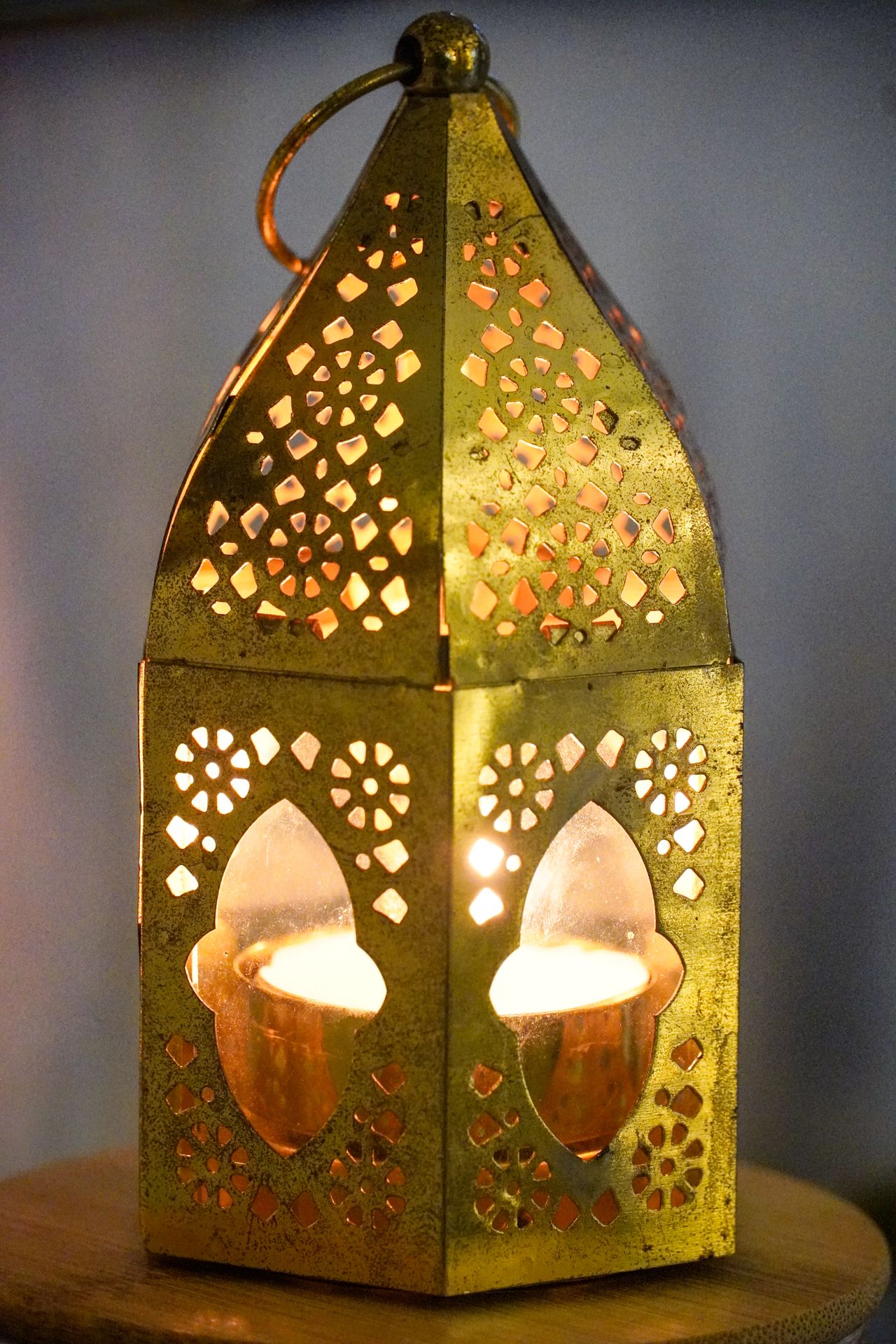
Ramadan Fanous Lanterns in Egypt
رمضان في القاهرةCairo has the world's oldest Ramadan tradition (dating to 969 CE, Fatimid era). Fanous (colorful metal-and-glass lanterns) hang from every balcony and shop. Khan el-Khalili market sells them by the thousand. Mohamed Ali Street hosts 24-hour Ramadan celebrations. Fawanees el-Ramadan children's lantern songs, Mesaharaty (drum caller) wakes neighborhoods for suhoor. Post-iftar shisha cafes fill until dawn.
Note: Stay in Islamic Cairo (near Khan el-Khalili) for full atmosphere; 4-6 weeks booking
Ramadan in Cairo
RamadanExperience Ramadan's spiritual atmosphere in historic Cairo.
Note: Good time for hotel deals
Moulid en-Nabi (Prophet's Birthday)
National Islamic holiday celebrating the birth of the Prophet Muhammad. Markets sell colorful arouset el moulid sugar dolls and halawet el moulid sweets. Sufi brotherhoods hold zikr processions.
Note: Sweet shops in Cairo's Sayeda Zeinab are busiest
Public Holidays(23)
- USD 22 (~EGP 682)
08:00 AM - Arrive at Cairo International Airport (CAI) & Hotel Transfer· 2 hrs
Upon arrival at Cairo International Airport (CAI), proceed through immigration and customs. Transfer to your hotel in Downtown Cairo via taxi. Estimated taxi cost is $20-25 and duration around 45-60 minutes, depending on traffic.
- FREE
10:00 AM - Hotel Check-in & Freshen Up· 30 min
Check into your accommodation in Downtown Cairo and take some time to refresh after your international flight. Settle in before starting your exploration of the city.
- FREE
10:30 AM - Walking Tour of Downtown Cairo Architecture· 2 hrs
Embark on a guided or self-guided walking tour through the elegant streets of Downtown Cairo, admiring the Belle Époque architecture, historic buildings, and bustling squares. Discover the European-influenced charm of Khedivial Cairo.
- USD 8 (~EGP 248)
12:30 PM - Lunch: Koshary in Downtown Cairo· 1 hr
Savor a traditional Koshary, Egypt's beloved vegetarian dish featuring a hearty mix of rice, macaroni, lentils, chickpeas, and a tangy tomato sauce, topped with crispy fried onions.
- FREE
01:50 PM - Khan el-Khalili Market· 1 hr
V Manninen from Funland (CC BY 2.0Wander through the labyrinthine alleys of Khan el-Khalili, a historic souk offering everything from spices and perfumes to jewelry and traditional crafts. Experience the bustling atmosphere and soak in the local culture.
- FREE
02:50 PM - Al-Azhar Mosque· 1 hr 15 min
Daniel Mayer (CC BY-SA 4.0
Visit Al-Azhar Mosque, one of Cairo's most significant Islamic sites and a revered center of Islamic learning. Admire its grand architecture and serene courtyards, reflecting on its spiritual importance.
- USD 5 (~EGP 155)
04:20 PM - Al-Azhar Park Views· 1 hr 30 min

Relax and enjoy panoramic views of historic Cairo from Al-Azhar Park. This green oasis provides a tranquil escape from the city's hustle, perfect for a gentle stroll and enjoying the cityscape.
🎟Check prices on Klook - USD 18 (~EGP 558)
07:00 PM - Dinner: Traditional Egyptian Cuisine in Islamic Cairo· 1 hr
Enjoy a delicious dinner featuring traditional Egyptian dishes like Mahshi (stuffed vegetables) or Mulukhiyah in a local eatery within the charming area of Islamic Cairo.
Downtown Cairo
Centrally located with excellent access to The Egyptian Museum, Tahrir Square, and convenient metro/taxi connections to other key areas like Islamic Cairo and Giza. Offers a wide range of restaurants and amenities.
- USD 20 (~EGP 620)
07:30 AM - Transit to Giza Pyramids· 1 hr
An early morning private transfer to the Giza plateau to beat the crowds and enjoy the ancient wonders in cooler temperatures.
- USD 20 (~EGP 620)
08:30 AM - Great Pyramid of Giza and Sphinx Complex· 4 hrs
MusikAnimal (CC BY-SA 3.0
Explore the last remaining Ancient Wonder of the World, including the three majestic pyramids of Khufu, Khafre, and Menkaure, and the enigmatic Great Sphinx. This comprehensive visit offers profound historical and cultural insights into ancient Egypt.
🎟Check prices on Klook - USD 25 (~EGP 775)
12:30 PM - Camel Ride at Giza Pyramids· 1 hr 30 min
Embark on a traditional camel ride across the Giza plateau, providing unique photo opportunities and an unforgettable adventure experience with the pyramids as a stunning backdrop.
- USD 18 (~EGP 558)
02:00 PM - Lunch: Ta'ameya (Egyptian Falafel) in Giza· 1 hr
Enjoy authentic Ta'ameya, Egypt's distinctive fava bean falafel, served fresh from a local eatery near Giza.
- USD 10 (~EGP 310)
03:15 PM - Transit to Gezira Island/Zamalek· 1 hr
Travel back from Giza to the central island neighborhood of Gezira, home to the Cairo Tower.
- USD 10 (~EGP 310)
04:15 PM - Cairo Tower· 1 hr 30 min

Ascend the iconic Cairo Tower for breathtaking panoramic views of the city, the winding Nile River, and the distant Giza Pyramids on a clear day. This offers a unique perspective on Cairo's vast urban landscape.
🎟Check prices on Klook - USD 18 (~EGP 558)
07:00 PM - Dinner: Molokhia in Zamalek· 1 hr
Experience the unique taste of Molokhia, a traditional Egyptian green soup, often served with chicken or rabbit and rice, in the upscale island neighborhood of Zamalek.
Downtown Cairo
Central to many attractions, including the Egyptian Museum, with easy access to the Nile and various dining options. Good public transport connections to other parts of the city.
- USD 15 (~EGP 465)
08:30 AM - Saladin Citadel· 3 hrs
Discover the imposing medieval fortress housing the Mosque of Muhammad Ali, with panoramic views of Cairo. A key site for history and spiritual interest.
🎟Check prices on Klook - USD 5 (~EGP 155)
11:30 AM - Mosque-Madrasa of Sultan Hassan· 1 hr 30 min
Marvel at the monumental Mamluk architecture of this 14th-century mosque and madrasa, considered one of the largest and most impressive in Islamic Cairo.
🎟Check prices on Klook - USD 18 (~EGP 558)
01:00 PM - Lunch: Mahshi in Islamic Cairo· 1 hr
Savor a traditional Egyptian meal of Mahshi (stuffed vegetables) at a local eatery in the historic Islamic Cairo district, experiencing authentic local flavors.
- USD 5 (~EGP 155)Closes 5 PM · 3h here
02:00 PM - Gayer-Anderson Museum· 1 hr
Berthold Werner (CC BY 3.0Explore this fascinating museum housed in two historic 17th-century houses, showcasing traditional Egyptian household objects, furniture, and a unique collection of artifacts, offering a glimpse into local culture and history.
🎟Check prices on Klook - USD 8 (~EGP 248)Closes 5 PM · 2h here
03:00 PM - Museum of Islamic Art in Cairo· 1 hr 20 min
Roland Unger (CC BY-SA 3.0Immerse yourself in centuries of Islamic art, with a vast collection of ceramics, textiles, metalwork, and manuscripts from across the Islamic world. This enriches the cultural and historical understanding of the region.
🎟Check prices on Klook - USD 18 (~EGP 558)
07:30 PM - Dinner: Shawarma in Mohandessin· 1 hr
Enjoy delicious Shawarma, a classic Egyptian street food, at a lively restaurant in the bustling Mohandessin district, offering a different evening ambiance.
Downtown Cairo
Central location offering easy access to historical sites, a wide range of dining options, and good public transport connections for exploring the city.
- USD 10 (~EGP 310)
08:00 AM - Hotel Check-out & Transfer to Cairo International Airport (CAI)· 1 hr 30 min
Check out from your Cairo hotel and transfer to Cairo International Airport for your domestic flight to Luxor.
- FREE
09:30 AM - Cairo International Airport Check-in & Security· 2 hrs
Allow ample time for check-in and security procedures at Cairo International Airport before your flight.
- USD 70 (~EGP 2,170)
11:30 AM - Flight from Cairo to Luxor· 1 hr 30 min
Enjoy a domestic flight from Cairo to Luxor, transitioning from the bustling capital to the ancient city of pharaohs.
- FREE
01:00 PM - Arrive Luxor Airport & Transfer to East Bank· 30 min
Upon arrival at Luxor International Airport, transfer to your hotel or directly to the East Bank for lunch.
- USD 18 (~EGP 558)
01:30 PM - Lunch: Hawawshi in Luxor's East Bank· 1 hr
Enjoy a hearty lunch featuring Hawawshi, spiced minced meat baked inside traditional Egyptian bread, at a local eatery in the East Bank area.
- USD 15 (~EGP 465)Closes 5 PM · 2.5h here
02:30 PM - Karnak Temple· 2 hrs 30 min
Explore the massive Karnak Temple Complex, an ancient open-air museum and the second largest ancient religious site in the world, dedicated primarily to the Theban Triad with its colossal columns and intricate carvings.
🎟Check prices on Klook - FREE
05:00 PM - Hotel Check-in in Luxor· 1 hr
Check into your hotel on Luxor's East Bank and freshen up after your journey and initial sightseeing.
- USD 10 (~EGP 310)
06:00 PM - Luxor Museum· 2 hrs
Michiel1972 (CC BY-SA 3.0Visit the Luxor Museum, home to a well-displayed collection of artifacts from the Luxor and Theban areas, offering insights into ancient Egyptian art and daily life.
🎟Check prices on Klook - USD 18 (~EGP 558)
08:00 PM - Dinner: Mulukhiyah in Luxor City Center· 1 hr
Savor a traditional Egyptian dinner with Mulukhiyah, a savory green soup made from jute mallow leaves, typically served with rice and chicken, at a local restaurant in Luxor's city center.
East Bank
The East Bank of Luxor is the modern city hub, offering easy access to the train station, most hotels, restaurants, and the iconic Luxor Temple and Luxor Museum. It also serves as a convenient base for trips to the West Bank attractions.
- USD 2 (~EGP 62)
07:30 AM - Cross the Nile to the West Bank· 30 min
Board a local ferry or motorboat to cross the Nile River, enjoying views of Luxor from the water as you head towards the West Bank.
- USD 10 (~EGP 310)
08:00 AM - Valley of the Kings· 3 hrs
Fotograf/Photographer: Peter J. Bubenik (1995) (CC BY-SA 2.0Explore the famed necropolis where pharaohs of the New Kingdom were buried. Visit several accessible tombs with intricate hieroglyphics and vivid paintings depicting ancient Egyptian beliefs about the afterlife.
🎟Check prices on Klook - USD 8 (~EGP 248)
11:30 AM - Mortuary Temple of Hatshepsut· 2 hrs
Ian Lloyd (CC BY-SA 3.0Visit the stunning terraced temple built for the female pharaoh Hatshepsut, carved into the cliffs of Deir el-Bahari, showcasing unique architecture and reliefs.
🎟Check prices on Klook - USD 8 (~EGP 248)
01:30 PM - Lunch: Feteer Meshaltet on West Bank· 1 hr
Enjoy a traditional Feteer Meshaltet, a flaky Egyptian pastry, served with honey, cheese, or as a savory dish at a local eatery on Luxor's West Bank.
- FREE
02:30 PM - Colossi of Memnon· 30 min
MusikAnimal (CC BY-SA 4.0
Stop for a photo opportunity at the two massive stone statues of Pharaoh Amenhotep III, standing guard on the West Bank, remnants of his mortuary temple.
- USD 5 (~EGP 155)
03:00 PM - Mortuary Temple of Ramesses III (Medinet Habu)· 2 hrs
OmarShawki (CC BY-SA 3.0
Explore the well-preserved Medinet Habu, one of the largest and best-preserved mortuary temples of the New Kingdom, featuring vibrant reliefs and monumental architecture.
🎟Check prices on Klook - USD 15 (~EGP 465)
05:30 PM - Felucca Ride on the Nile· 1 hr 30 min
Enjoy a relaxing and traditional felucca (sailboat) ride on the Nile River, taking in the serene landscape, local life along the banks, and the beautiful sunset over the desert.
- USD 18 (~EGP 558)
07:30 PM - Dinner: Egyptian Cuisine on Luxor's Corniche· 1 hr
Savor authentic Egyptian dishes at a restaurant along the Corniche on the East Bank, enjoying the evening breeze and Nile views. Try local specialties like kofta or kebabs.
East Bank
The East Bank provides easy access to Luxor Temple, Luxor Museum, and the Corniche. It is also the main hub for hotels, restaurants, and transport to the West Bank and airport.
- USD 25 (~EGP 775)
07:00 AM - Nile Kayaking Experience· 3 hrs
Embark on an invigorating kayaking adventure on the majestic Nile River, paddling past lush banks and observing local life from a unique perspective. This active experience offers a refreshing way to connect with Luxor's natural beauty.
- FREE
10:00 AM - Walk along the Avenue of Sphinxes· 2 hrs
Stroll down the historic processional avenue connecting Luxor Temple and Karnak Temple. Lined with hundreds of sphinx statues, this ancient pathway provides a vivid glimpse into the grand ceremonies of ancient Egypt.
- USD 8 (~EGP 248)
12:00 PM - Lunch: Ful Medames in East Bank· 1 hr
Savor a traditional and hearty Egyptian lunch featuring Ful Medames, a dish of slow-cooked fava beans, at a local eatery on Luxor's East Bank. A staple of Egyptian cuisine.
- FREE
01:00 PM - Explore Luxor Souk· 2 hrs
Immerse yourself in the vibrant and bustling atmosphere of Luxor's traditional market. Browse for local crafts, aromatic spices, textiles, and souvenirs while experiencing the authentic daily life and commerce of the city.
- USD 18 (~EGP 558)
07:30 PM - Dinner: Roz bi Laban & Egyptian Cuisine in El-Ramla· 1 hr
Enjoy a delicious Egyptian dinner in the El-Ramla area, a local neighborhood known for its authentic eateries, culminating with the comforting sweetness of Roz bi Laban, a traditional Egyptian rice pudding.
East Bank
Continues to offer convenient access to Luxor Temple, the Avenue of Sphinxes, and a variety of dining options, while also being a central point for Nile activities and general city exploration.
- USD 15 (~EGP 465)
06:30 AM - Luxor Temple· 3 hrs
Ad Meskens (CC BY-SA 3.0
Begin your final day with an early visit to the magnificent Luxor Temple on the East Bank. Witness the grandeur of ancient Egyptian architecture, impressive colonnades, and intricate carvings that reveal millennia of history and worship. The early morning light offers excellent photographic opportunities and a more serene experience.
🎟Check prices on Klook - USD 8 (~EGP 248)Closes 2 PM · 4h here
10:00 AM - Mummification Museum· 2 hrs
Explore the fascinating Mummification Museum, offering insight into the ancient Egyptian art and science of mummification. Discover the tools, rituals, and beliefs surrounding this crucial practice for the afterlife, with exhibits of mummified humans and animals.
🎟Check prices on Klook - USD 10 (~EGP 310)
12:30 PM - Lunch: Traditional Egyptian Foul Medames· 1 hr
Savor a traditional Egyptian lunch with Foul Medames, a hearty and classic fava bean dish, served with bread and fresh accompaniments at a local eatery in Luxor Center.
- USD 15 (~EGP 465)
01:30 PM - Horse-drawn Carriage Ride through Luxor City· 1 hr 30 min
Enjoy a leisurely horse-drawn carriage ride through the bustling streets of Luxor's East Bank. This cultural experience offers a charming way to observe local life, passing by vibrant markets, traditional homes, and scenic views along the Nile Corniche.
- FREE
03:00 PM - Relaxed Souvenir Pick-up near hotel· 1 hr
Spend a relaxed hour near your hotel to pick up any last-minute souvenirs from local shops or simply enjoy a final observation of daily life on the East Bank before heading to the airport.
- FREE
04:00 PM - Hotel Checkout & Luggage Collection· 30 min
Check out from your hotel and collect your luggage, preparing for your transfer to Luxor International Airport (LXR).
- FREE
04:30 PM - Depart from Luxor International Airport (LXR)· 4 hrs 30 min
Transfer to Luxor International Airport (LXR) for your international flight back to New York, NY, allowing ample time for check-in and security procedures.
What Travelers Say
“Khan el-Khalili is infamous for its pickpockets. Stay on your guard in crowds, but don't be afraid to venture into the smaller, darker alleys — they're quite safe, and you'll find the more interesting shops here.”
Wikivoyage: Cairo · Wikivoyage
“Modest clothing is definitely the order of the day in this part of town. Women with bare legs and shoulders will be asked by many custodians of mosques to use smocks to cover these bare parts. Shoes should be removed before entering mosques, though some mosques do use slippers that are tied on over the shoes as an alternative.”
Wikivoyage: Cairo · Wikivoyage
“Luxor Temple The dynastic and religious capital of Middle Kingdom (circa 2050-1710 BCE) and New Kingdom (circa 1550-1080 BCE) Egypt, Luxor has much to offer the visitor, from vast temples, to ancient royal tombs, via spectacular desert and river scenery and a bustling modern life. Thebes, the world heritage listed old capital of Egypt, was on the west bank of the Nile at Luxor. Most of Luxor's ruins and tombs are there. The modern city of Luxor is on the east bank. This area has the train and bus stations, most of the hotels and restaurants, some museums, tourist shops and so on. Most visitors (and almost all tour groups) stay on the east bank and travel across for the tourist sites.There are also some small hotels on the west bank, which has a more relaxed vibe, and many independent travellers stay there. However, Luxor is also known as the hassle capital of Egypt (and therefore a good candidate for the world). You should expect to be on the receiving end of behaviour that would be considered harassment in most countries, including being followed when you leave the hotel by men shouting at you. Instead, Aswan further south is quite the opposite and much more relaxed. It is a good alternative in case you want to skip the Luxor experience altogether but not miss the beauty of the Nile and the nearby attractive sights.”
Wikivoyage: Luxor · Wikivoyage
“* Carry plenty of water, wear sensible shoes and a hat, strongly consider sunscreen. The West Bank is too amazing to be spent in pain and discomfort, and bring a torch as some of the tombs are quite dark. * Hiking up and down the mountain was an issue in the past and some travelers slipped along the way up or down the Valley of the Kings. This is not permitted anymore. However, take care when ascending any other things, which are far less solid than used to in Europe. * Do not use a credit card as some shops are masters at fraud. You may get your money back at home, but best to use cash and bargain.”
Wikivoyage: Luxor · Wikivoyage
“There is so much to do around the Aswan area that time can be an issue. The local people are generally very cooperative, and for a price, doors might remain opened regardless of the hour.”
Wikivoyage: Aswan · Wikivoyage
- Total for a couple — 7 days mid-range trip, excludes international flights
- Accommodation assumes 1 shared room
- Rough estimates — actual prices vary by season and availability
Local Transport
Food
Activities
Budget-friendly overall, expect $60-100/night for decent hotels and $5-15 for sit-down meals for two, but major tours/guides can quickly add up. Always use bottled water; be firm but polite with persistent street vendors and touts for tours.
Prioritize 1-2 major sites per city to stay within the $90 activity budget. For instance, combine Giza Pyramids (360 EGP/~$12 USD pp) with a free walk through Khan el-Khalili bazaar in Cairo, and focus on Karnak Temple (400 EGP/~$13 USD pp) in Luxor, skipping other paid sites.
Stretch your $280 food budget by embracing local staples like koshary or fuul for lunch (often $1-3 per person) and saving your dinner budget for modest sit-down restaurants. A simple local dinner for two can be found for $15-25, avoiding overpriced tourist eateries.
Utilize ride-sharing apps like Uber or Careem in Cairo for predictable fares, typically 50-150 EGP ($2-5 USD) for most city trips, which can be more reliable than negotiating with street taxis. For Luxor, agree on taxi fares upfront, or consider a felucca ride for around 200-300 EGP ($7-10 USD) for an hour.
While tempting, comprehensive guided tours are likely out of budget given the $90 activities allocation; instead, hire a reputable local guide for 2-3 hours for a single key site like the Valley of the Kings (expect $30-50 USD for a half-day guide) to maximize understanding without overspending.
This itinerary prioritizes the grandest ancient Egyptian historical and spiritual sites, packing Cairo's iconic pyramids and Luxor's massive temple complexes into seven days. To keep within the budget and time, it skips the vast collections of the Egyptian Museum in Cairo, where millennia of artifacts reside. You also miss the Valley of the Kings in Luxor, with its elaborately painted tombs of pharaohs, and the vibrant local life of Aswan, which offers a more relaxed Nile experience and Philae Temple.
Extend the trip by 2-3 days to include the Valley of the Kings in Luxor, allowing you to descend into the elaborately painted tombs of pharaohs like Tutankhamun and Seti I, a visceral connection to ancient Egyptian funerary rituals. This extension would also free up time to explore the Luxor Museum, showcasing local artifacts and statues, without rushing the primary temple visits, creating a more comprehensive historical understanding. This itinerary follows a packed pace (5-6 activities per day).
Day 1 and the last day are lighter to account for arrival and departure. Want a different pace? Create a custom version with your preferences.
Make this trip yours
Customize the pace, dates, budget, group size, kid ages, and interests — pick any combination and we'll replan from scratch.
Create My Custom ItineraryFREEEgypt E-Visa applicationDay 1
Book 1 month ahead — Secure your E-Visa via visa2egypt.gov.eg before departure to avoid delays on arrival. Some nationalities qualify for visa on arrival, but E-Visa is recommended for smoother entry.
Domestic flight from Cairo International Airport (CAI) to Luxor International Airport (LXR)Day 3
Book 1-2 months ahead — Domestic flights between Cairo and Luxor can fill up quickly, especially during peak season. Booking early secures better prices and preferred times for this essential transfer.
Private or small-group guided tour for Great Pyramid of Giza and Sphinx ComplexDay 2
Book 2 weeks ahead — While site tickets are available on-site, a pre-booked guided tour provides crucial historical context, helps navigate the large complex efficiently, and minimizes interactions with persistent touts mentioned in safety advisories.
Private or small-group guided tour for Valley of the Kings & Mortuary Temple of HatshepsutDay 5
Book 2 weeks ahead — Essential for understanding the sites' significance and efficiently managing the spread-out West Bank attractions. A pre-arranged guide also helps navigate the area and avoid solicitations from numerous touts.
Customize This Trip
Get this itinerary tailored to YOUR exact dates, preferences, and budget.
- Personalized for your dates
- Weather-aware recommendations
- Offline access
- Real-time pricing
- Budget tracking
No sign-up required
Quick Actions
Free and without sign-inTrip Summary
Getting Around
Cairo has metro; taxis and ride-hailing for other transport
Use Uber/Careem in Cairo for metered rides. Book trains via Egyptian Railways app.
Across Egypt, simple, satisfying staples like foul medames, ta'ameya, and koshary will fuel your journey. In Cairo, delve into the street food scene on 26 July Street or seek family-run spots for dishes like mahshi, while Luxor's East Bank offers similar value, with felucca cruises providing unique Nile dining opportunities. Expect to encounter hawawshi, molokhia, and roz bi laban throughout.
Top 10 dishes to try
Foul Medames
Slow-cooked fava beans, traditionally served for breakfast with oil, lemon, cumin, and bread — the universal Egyptian comfort food that powers the city.
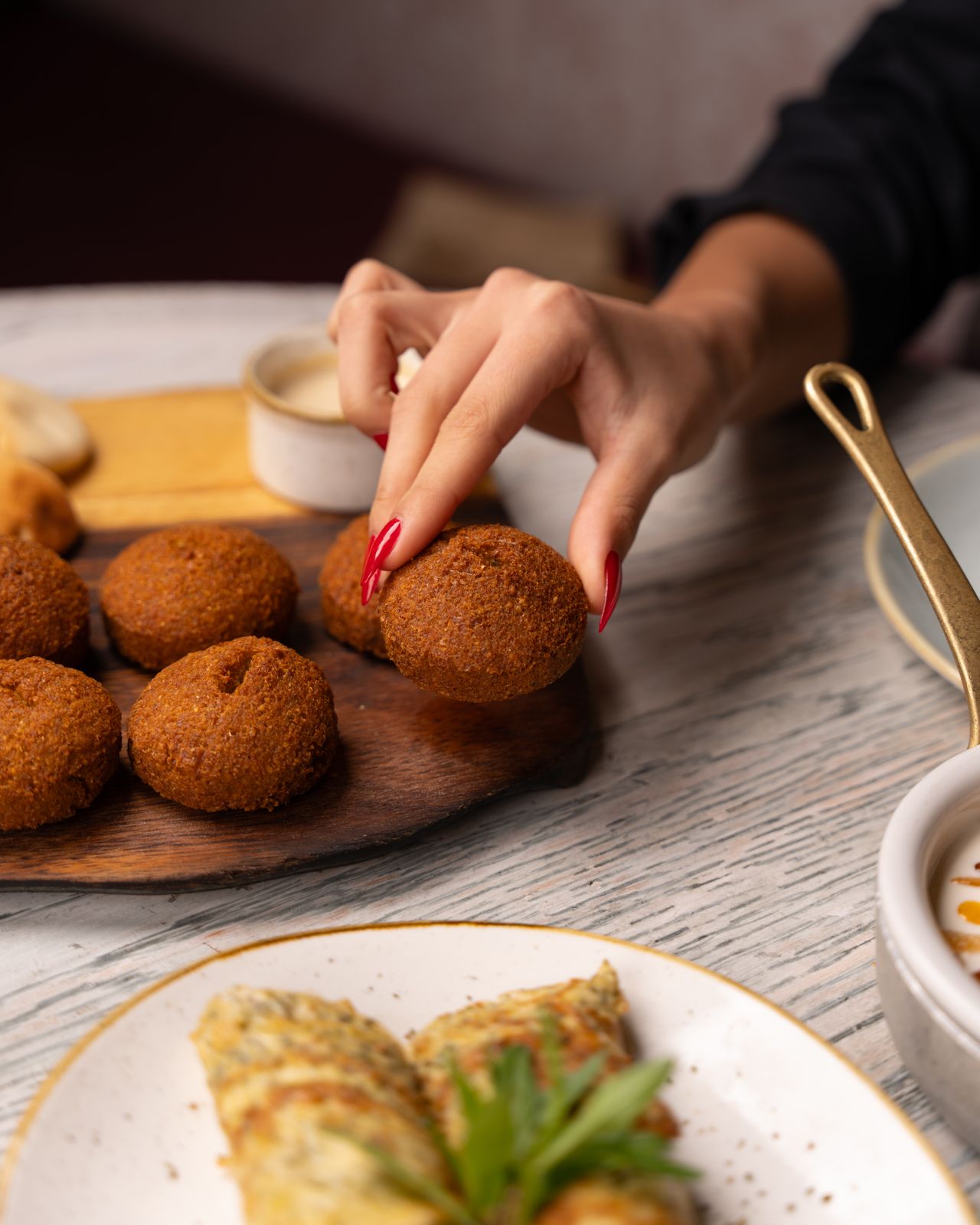
Ta'ameya (Egyptian Falafel)
Deep-fried fritters made from crushed fava beans and fresh herbs, distinct from Levantine chickpea falafel, typically served in a'ish baladi for a cheap, satisfying bite.
📍 Any street cart or local bakery
Ful Medames
Slow-cooked fava beans, often seasoned with cumin, lemon juice, and olive oil, served as Egypt's staple hearty breakfast.
USD 1-4Koshary
A layered carb-fest of rice, macaroni, lentils, and chickpeas, topped with a tangy tomato sauce, garlic vinegar, and crispy fried onions, best found at dedicated Koshary shops.
Shawarma
Marinated chicken or beef grilled on a vertical spit, shaved and served in bread with tahini or garlic sauce — a classic street food snack.
Mulukhiyah
A thick, savory green soup made from jute mallow leaves, often served with rice and chicken, rabbit, or lamb, and distinguished by its unique mucilaginous texture.
Molokhia
Cairo
A distinctive green soup made from jute mallow leaves, often served with rabbit or chicken and rice, known for its unique slightly viscous texture.
Mahshi (Stuffed Vegetables)
Cairo
Mixed vegetables like zucchini, bell peppers, or cabbage leaves stuffed with a spiced rice and herb mixture, slow-cooked until tender and bursting with flavor.
USD 1-4Hawawshi
Spiced minced beef or lamb baked inside a'ish baladi until crispy, a greasy, satisfying street food sandwich that’s surprisingly flavorful.
Roz bi Laban
Creamy Egyptian rice pudding made with milk and sugar, often garnished with nuts, cinnamon, or coconut flakes — a simple, comforting dessert.
Markets & neighborhoods
Local eateries, street food stalls for Koshary, Ful Medames, and Ta'ameya, and small shops selling fresh produce and spices.
A range of street stalls serving fast food, and a cluster of local fish and seafood cafeterias.
Pre-arranged meals (often grilled fish, chicken, rice, salads) enjoyed during a traditional sailboat trip, providing a unique dining experience on the river.
Traditional Egyptian street food, late-night eateries, and local cafes amidst historic monuments.
An upper-middle to high-class area offering a selection of good restaurants and modern dining experiences.
Good to Know
Across Egypt, shopping is an energetic experience largely centered around vibrant souks where haggling is expected, offering everything from spices and alabaster to hand-blown glass and papyrus. Be street smart, especially in Cairo's labyrinthine Khan el-Khalili, while Luxor's souk is ideal for karkadeh and perfume oils. For fixed-price retail, explore Cairo's upscale districts or Luxor's West Bank workshops for authentic alabaster.
Top 10 souvenirs
Karkadeh (Hibiscus) Tea
LuxorUSD 2-15This vibrant red, tart hibiscus tea is a refreshing and traditional Egyptian beverage, delicious hot or cold, and much cheaper here.
📍 Luxor Souk (El-Souk) at spice vendor stalls; often found pre-packaged in larger stores too.
Gourmet Spices & Karkadeh (Hibiscus Tea)
CairoUSD 5-20KFresh, aromatic spices like cumin, coriander, and flavorful dried hibiscus petals for making traditional Karkadeh tea are far cheaper and more potent here.
📍 Khan el-Khalili spice section (El Attarine Street), or local spice shops in Darb El Barabra.
Concentrated Perfume Oils
LuxorUSD 10-100Alcohol-free, long-lasting perfume essences, often blended with traditional Egyptian florals and musks, are a delightful alternative to Western perfumes.
📍 Abdullah Perfumes or any reputable perfume oil shop within the Luxor Souk.
Hand-carved Alabaster Stone Crafts
LuxorUSD 15-20KLocally quarried and hand-carved alabaster, often featuring ancient Egyptian motifs, is unique to Luxor's artisan workshops.
📍 Alabaster Factory or artisan workshops on the West Bank near the Valley of the Kings.
Hand-blown Glassware
CairoUSD 15-70KDelicate, colorful lamps, perfume bottles, and decorative pieces made using traditional blowing techniques are unique to the region.
📍 Khan el-Khalili, particularly within the smaller alleys and dedicated artisan shops.
Copper & Brassware
CairoUSD 25-15KHand-hammered trays, decorative plates, and lanterns crafted with intricate designs showcase centuries-old metalworking traditions.
📍 Khan el-Khalili, especially within the coppersmiths' section (Souq an-Nahhasin).
Egyptian Cotton Linens or Garments
CairoUSD 20-100KEgypt produces some of the finest long-staple cotton globally, making for incredibly soft and durable sheets, towels, or shirts that feel luxurious.
📍 Wekalet El Balah for fabric by the meter; reputable department stores in Mohandiseen like Rivoli for finished goods.
Pure Egyptian Cotton Textiles
LuxorUSD 20-300Egypt produces some of the finest long-staple cotton in the world, renowned for its softness and durability in sheets, towels, and clothing.
📍 Abdullah & Sons Cotton Shop on Sharia el-Karnak or reputable textile stores along the Corniche.
Authentic Hand-painted Papyrus Scrolls
LuxorUSD 30-500Genuine papyrus, made from the plant's pith, is a unique medium for traditional Egyptian art, distinct from common banana leaf fakes.
📍 Hassan Papyrus Gallery (near Luxor Temple) or dedicated papyrus institutes that demonstrate the making process.
Silver Cartouche Jewelry
CairoUSD 35-15KA personalized silver pendant or ring featuring your name, or a pharaonic symbol, translated into hieroglyphs is a distinctive and meaningful keepsake.
📍 Khan el-Khalili, specialized jewelry shops like Gold & Silver Bazaar or specific workshops.
Markets & districts
Alabaster statues, vases, bowls, and other hand-carved items directly from the artisans.
Less hectic than the main souk, these workshops offer a chance to see the carving process, with more measured sales pitches and often better-quality goods.
Modern fashion, electronics, international brands, and Egyptian cotton boutiques.
An upscale, modern commercial street offering a fixed-price shopping experience with contemporary cafes and restaurants, a stark contrast to traditional bazaars.
Hand-blown glass, spices, silver jewelry, alabaster, copperware, textiles, and traditional crafts.
A bustling, chaotic, and historic market with narrow alleys; expect strong bargaining pressure and be wary of pickpockets in crowded sections.
Spices, karkadeh tea, perfume oils, silver jewelry, galabeyas, and general handicrafts.
A bustling, vibrant market where vendors actively call out to passersby; bargaining is absolutely essential, and it can be quite crowded.
Egyptian cotton goods, higher-end jewelry stores, and some art galleries.
More established, fixed-price shops cater to tourists, offering a slightly more relaxed shopping experience than the souk, though prices may be higher.
Good to Know
- If someone approaches you on the street in Cairo or Luxor, especially around major sites or markets, politely ignore them and keep walking; they are almost certainly trying a scam like 'your site is closed'.
- Never attempt to climb the Giza Pyramids; it is strictly illegal, incredibly dangerous, and carries severe penalties.
- When crossing roads, particularly around Tahrir Square in Cairo, assume motorists will not stop and be extremely cautious; traffic rules are often disregarded by local drivers.
- Carry a powerful flashlight (torch) when visiting tombs in Luxor's West Bank (Valley of the Kings, Queens), as lighting can be unreliable or completely absent in many chambers.
- Always carry at least 2 liters of water, wear a wide-brimmed hat, and apply high-SPF sunscreen for visits to Luxor's West Bank sites, as you will be outdoors for extended periods in intense sun.
- Decline 'assistance' from self-proclaimed guides or touts inside temples or ticket areas in Luxor; official guides are identifiable, and others expect payment for unsolicited 'tours'.
- Be wary of anyone telling you a famous site is closed (e.g., 'Pyramids closed today, come see my friend's shop'); this is a common scam, always proceed directly to the official entrance.
- When booking tours in Downtown Cairo, always compare prices from multiple reputable agencies or your hotel, as street vendors often overcharge significantly for identical experiences.
- 1Wide-brimmed hat
- 2High-SPF sunscreen
- 3Sturdy walking sandals/shoes
- 4Lightweight long pants
- 5Shoulder-covering shirts
- 6Loose scarf or pashmina (for women, for sun/mosque entry)
- 7Powerful flashlight (for tombs)
- 8Electrolyte tablets (for heat and dehydration)
- 9Small denomination Egyptian Pounds (for tipping)
- 10Hand sanitizer
- 11Small plastic bags (for trash, bins are rare)
- 12Eye mask (for early sunrises)
Note: Travel conditions, regulations, and local customs may change. We recommend verifying essential details — such as visa requirements, emergency contacts, and payment options — closer to your travel date.
Visa & Entry Requirements
US, UK, EU, Australian, and Canadian citizens can obtain a visa on arrival at major Egyptian airports for $25 USD, valid for 30 days. An e-Visa (visa2egypt.gov.eg) is also available and recommended for all nationalities to avoid queues. Indian citizens generally require an e-Visa in advance. All travelers need a passport valid for at least six months beyond their intended departure date.
Local Customs & Etiquette
Egyptians are generally friendly and welcoming, showing warmth to guests. When visiting mosques or certain religious sites, women should carry a scarf to cover their hair, and both men and women should ensure shoulders and knees are covered. It is customary to use your right hand when greeting, eating, or passing objects. Public displays of affection are generally frowned upon.
Safety Overview
Scams against tourists are almost a national sport in Cairo and Luxor; if someone approaches you uninvited on the street, especially around Tahrir Square or Giza, politely ignore them as they are likely attempting a scam (e.g., 'your site is closed'). Climbing the Giza Pyramids is strictly illegal and dangerous. Drugs, including marijuana, are illegal, and penalties are severe despite their reported availability in some areas like Nuweiba. Be extra careful crossing roads in Cairo, particularly around Tahrir Square, as traffic laws are often disregarded.
SIM & Connectivity
SIM Options
📍 Cairo International Airport (CAI) arrival hall, official Vodafone stores in Cairo and Luxor.
📍 Cairo International Airport (CAI) arrival hall, official Orange stores in Cairo and Luxor.
Reliable free Wi-Fi is common in most hotels and higher-end restaurants in Cairo and Luxor. Smaller cafes or street vendors may not offer it. Mobile data is generally fast and widely available in urban areas but expect zero coverage in desert regions.
Useful Apps
Purchase SIM cards only from official stores at the airport or established city branches; avoid street vendors who may sell non-functional or overpriced SIMs. Be aware that mobile data coverage drops significantly to zero once you venture into desert areas away from towns, especially in remote oases.
Electric Socket Guide
Socket Types
Two round pins (most of Europe, South America)
Two round pins + side earth clips (Germany, Europe)
220V
50Hz
Tipping Etiquette
10–15%; service charge often included but tip additionally
Round up or EGP 10–20
EGP 20–50 per bag
Baksheesh (tipping) is deeply ingrained. Tip guides, drivers, and anyone who helps.
Safety & Travel Advisories
Check official government advisories for the latest safety information, entry requirements, and travel warnings before your trip.
Emergency Numbers
122
123
180
126
Tourist police (126) speaks English and is helpful
Payments
Cash is king — especially at bazaars and small shops
Accepted at hotels and upscale restaurants
Limited
Carry Egyptian pounds in small denominations for baksheesh. ATMs widely available.
Most major nationalities, including US, UK, EU, Australian, and Canadian citizens, can obtain a 30-day visa on arrival at Egyptian airports for $25 USD. An e-Visa is also available online and highly recommended to streamline your entry. Indian citizens typically require an e-Visa in advance. All travelers need a passport valid for at least six months beyond their intended departure.
Egypt is generally safe, but solo female travelers may experience increased attention, particularly from touts. Dressing modestly and confidently ignoring unwanted advances is key. Stick to reputable tour operators and avoid walking alone in poorly lit or isolated areas at night. Using ride-sharing apps like Careem in Cairo is safer for transport.
The most convenient option is a pre-booked taxi or using ride-hailing apps like Careem (Uber acquired) which offer fixed, transparent prices. Expect fares around EGP 150-250 depending on your destination in central Cairo or Giza. Official airport taxis are also available, but confirm the price before starting your journey. Public buses are available but can be complex for first-time visitors with luggage.
The most common and efficient way is by domestic flight, which takes about an hour. Egyptian Railways offers overnight sleeper trains, a popular option for tourists, taking approximately 10-12 hours with private cabins. Day trains are also available but are generally less comfortable. Buses are the most economical but also the longest option.
When visiting mosques, women should cover their heads, shoulders, and knees; men should ensure knees and shoulders are covered. Some mosques may provide scarves. For ancient temples, while less strict, respectful attire (shoulders and knees covered) is advisable to protect from the sun and for cultural sensitivity. Comfortable, sturdy shoes are essential for walking around sites.
Yes, haggling is very much expected and part of the shopping culture in markets (souks) like Khan el-Khalili in Cairo or Luxor's Souk. Start with an offer of 40-50% of the initial asking price and be prepared to negotiate firmly but politely. For items with clearly marked prices in supermarkets or modern stores, haggling is not expected.
Egypt has a reasonably modern mobile service with four main providers: Vodafone, Orange, Etisalat, and We, all offering good 4G speeds in urban areas. You can purchase SIM cards easily at airports or official stores. Wi-Fi is generally available in hotels and many restaurants. However, expect mobile signal and internet connectivity to be non-existent in remote desert areas or while cruising on the Nile.
Yes, common scams include unsolicited 'guides' at sites demanding payment, vendors telling you a site is closed to direct you to their shop, and 'free' camel/horse rides that end with an exorbitant fee. The best defense is to politely but firmly decline all unsolicited offers and assistance, and to avoid engaging in conversation with persistent touts.
These 7 experiences didn't make it into this itinerary

👯Traditional Egyptian Performance
e.g., Al-Ghouri Mausoleum (Al Tanura Troupe), Wekalet El Ghouri Arts Center

𓋹Iconic Ptolemaic Temples (Nile Day Trip)
e.g., Temple of Hathor (Dendera), Temple of Horus (Edfu)

🎈Sunrise Hot Air Balloon Flight
e.g., Hod Hod Soliman Balloons, Magic Horizon Balloons

⛵Traditional Felucca Sail on the Nile
e.g., Luxor Public Marina, Luxor Felucca Sailing

🗿Exploring Ancient Necropolises and Capitals
e.g., Saqqara (Step Pyramid of Djoser), Memphis (Colossus of Ramses II)

⛪A Glimpse into Early Christian History in Coptic Cairo
e.g., The Hanging Church (Saint Virgin Mary's Church), Church of Abu Serga (Saints Sergius and Bacchus)

🍽️An Authentic Egyptian Culinary Journey
e.g., Abou Shakra (Giza Branch), Felfela (Downtown Cairo)
Create Your Custom Version
You Might Also Like

Cairo, Egypt; Luxor, Egypt; Aswan, Egypt
Egypt
This 10-day balanced trip explores Egypt's ancient wonders, beginning with 4 nights in Cairo to see the Pyramids of Giza and the Egyptian Museum. A flight then takes you to Luxor for 3 nights, where you'll explore the Valley of the Kings and Karnak Temple. The journey concludes with 3 nights in...

Tirana, Albania; Berat, Albania
Albania
7 days exploring Albania's historical and natural core: 3 nights in Tirana (Skanderbeg Square, Bunk'Art 2, Blloku district), then a scenic bus journey to Berat for 3 nights (Berat Castle, Gorica Bridge, Mangalem district). This packed itinerary balances historical and cultural immersion with...

Bali, Indonesia
Indonesia
7 days across Bali's diverse landscapes and culture: 4 nights in Ubud (Sacred Monkey Forest Sanctuary, Tegallalang Rice Terraces, Balinese cooking class), then a transfer to Seminyak for 3 nights (Seminyak Beach, Pura Luhur Uluwatu). A packed pace with daily cultural and nature activities,...

La Paz, Bolivia; Quime, Bolivia
Bolivia
This packed 7-day journey explores the high-altitude urban culture of La Paz and the rugged Andean nature of Quime for two people. Begin with 4 days in La Paz, experiencing the Witches' Market, riding the Mi Teleférico system for panoramic city views, and exploring the historic Sagarnaga Street....