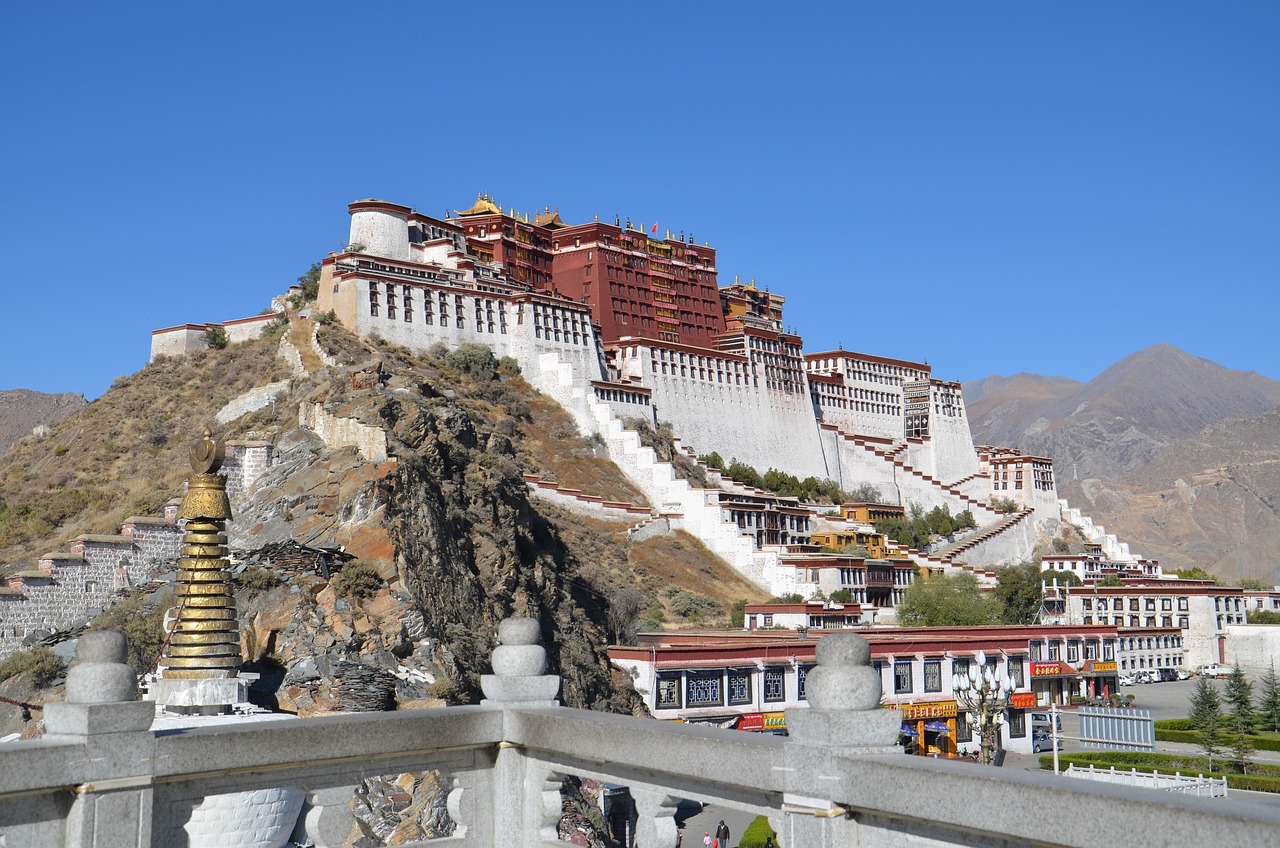
7 Days Tibet, China Itinerary
This 7-day itinerary takes you on a journey through Tibet's most iconic cities, Lhasa and Shigatse, culminating in a visit to Everest Base Camp. Experience the rich culture, breathtaking landscapes, and spiritual atmosphere of the Roof of the World.
Duration
7 days
Budget
$700-1400 (excluding international flights)
Best Time
The best time to visit Tibet is typically from April to May and September to October
Activities
29
Daily Avg
$150/day
Cities
Lhasa (3d), Shigatse (2d), Everest Base Camp (2d)
Pace
Moderate
Tibet offers a unique cultural and spiritual experience unlike any other. Its stunning landscapes, ancient monasteries, and vibrant traditions make it a truly unforgettable destination. The high altitude and unique Tibetan Buddhism culture are major draws.
Your itinerary covers 3 of 9 must-have experiences
Iconic Monasteries & Palaces
Day 2: Potala Palace Visit
Sacred Lakes & Natural Wonders
Day 4: Yamdrok Lake (Optional)
High-Altitude Trekking & Adventure
e.g., Mount Everest Base Camp (Tibetan side), Ganden Monastery Kora
Authentic Tibetan Culinary Journey
e.g., Lhasa Kitchen, Makye Ame Restaurant
Bustling Barkhor Street & Markets
Day 2: Jokhang Temple & Barkhor Street
Ancient Forts & Historic Sites
e.g., Gyantse Dzong, Yumbulakang Palace
Immersive Tibetan Cultural Performances
e.g., Tibetan Opera performance, Sera Monastery Monk Debates
Serene Teahouses & Local Hangouts
e.g., Dhokham Cafe, The Summit Cafe
Nomadic Life & Grassland Immersion
e.g., Nagqu Grasslands, Damxung County nomadic areas
Tibetan cuisine is hearty and well-suited to the high altitude and cold climate, featuring plenty of meat, dairy, and barley. Chinese influences are also evident, particularly in larger cities. Be prepared for a unique culinary experience!
Must-Try Dishes
Tibetan dumplings filled with meat (yak, mutton, or pork) or vegetables. Steamed, fried, or boiled, they are a staple food.
📍 Restaurants, street vendors, teahouses all over Tibet
A hearty noodle soup with meat (usually mutton or yak), vegetables, and a flavorful broth. Perfect for warming up in the cold climate.
📍 Restaurants, teahouses, and local eateries
Roasted barley flour, the staple food of Tibet. It's often mixed with butter tea to form a dough.
📍 Local homes, some restaurants, and monasteries.
A salty tea made with yak butter, tea leaves, water, and salt. It's an acquired taste but essential to the Tibetan experience.
📍 Teahouses, restaurants, and local homes.
Food Neighborhoods
Famous for traditional Tibetan restaurants and street food.
A great place to find local snacks and ingredients.
Offers a mix of Tibetan and Chinese cuisine.
Known for local Tibetan eateries and teahouses
Vegetarian options are limited but increasing in popularity, especially in larger cities. Look for vegetable momos, thukpa with vegetables, or dishes featuring tofu. Clearly communicate your dietary needs to restaurant staff. Finding vegan options can be challenging. Halal food is very rare. Allergies should be clearly communicated, but be aware that understanding and response might be limited in smaller establishments.
It is polite to accept food offered to you, even if you don't want to eat it all. Finish everything on your plate to show appreciation. Avoid touching food with your left hand. If offered tea, accept it with both hands or your right hand. Don't stick your chopsticks upright in a bowl of rice, as this resembles a funeral ritual.
Chinese New Year
ChunjieMost important Chinese holiday with fireworks, dragon dances, and family reunions.
Note: Book flights/hotels 2 months ahead
Mid-Autumn Festival
Zhongqiu JieHarvest festival with mooncakes, lanterns, and moon viewing.
Note: Book 1 month ahead
🛣️Interesting Detours & Side Trips
- 🚶Arrive at Lhasa Gonggar Airport (LXA).$20-30 (airport transfer)
12:00 PM - Arrive at Lhasa Gonggar Airport (LXA)
Fly into Lhasa Gonggar Airport. Pre-arrange a private transfer or take the airport bus to your hotel in Lhasa. The airport is about 1 hour from the city.
- 🚶Take a pre-booked airport shuttle or taxi to your hotel in Lhasa (approx. 1 hour).$30-50 (hotel)
2:00 PM - Check into Hotel & Rest
Check into your pre-booked hotel. Spend the afternoon resting and acclimatizing to the high altitude (3,656 meters/12,000 feet). Avoid strenuous activities.
🏨Create Custom ItineraryAdd your hotel booking
Search and add hotels to see on maps
Create a free custom itinerary to add hotels and restaurants
- 🚶Restaurant is within walking distance of your hotel.$5-10
6:00 PM - Light Dinner
Enjoy a light dinner at a local restaurant. Try Tibetan momos (dumplings) or thukpa (noodle soup). Avoid alcohol.
🍽️Create Custom ItineraryAdd restaurants for Dinner
Get personalized restaurant recommendations
Create a free custom itinerary to add hotels and restaurants
Barkhor Square area
Close to Jokhang Temple and Barkhor Street, offering easy access to cultural sites and restaurants.
📅 Best Time to Visit
The best time to visit Tibet is typically from April to May and September to October. During these periods, the weather is mild with clear skies, offering excellent visibility for mountain views and religious sites. Summer (June-August) is also popular, being warmer, but it's the monsoon season with higher chances of rain and humidity. Winter (November-March) is very cold and some routes may be inaccessible, but offers fewer crowds and unique cultural experiences if you can brave the cold. Avoid major Chinese holidays like Labor Day (early May) and National Day (early October) due to large domestic tourist crowds.
During the shoulder season, Tibet experiences sunny days and cool nights. Rainfall is minimal, providing clear views of the Himalayas. Temperatures can fluctuate significantly between day and night.
Shoulder season (April-May & September-October) offers pleasant weather and fewer crowds compared to peak summer.
Avoid traveling during major Chinese holidays like Labor Day (early May) and National Day (early October) due to increased domestic tourism and higher prices.
Getting Around
Extensive high-speed rail and metro systems in major cities
City-specific transit cards or Alipay QR codes
Download DiDi for ride-hailing. Book train tickets in advance on 12306 or Trip.com.
Travel
$200-300 (Train/bus between cities, local transportation)Accommodation
$210-350 (7 nights in guesthouses/budget hotels)Food
$140-280 (Local restaurants and simple meals)Activities
$150-450 (Entrance fees, permits, and guided tours)Choose group tours instead of private tours, as costs for permits, guides, and vehicles are shared. Opt for local guesthouses over luxury hotels where possible. Eat at local Tibetan and Chinese eateries for authentic and cheaper meals.
Consider the train journey to Lhasa from a mainland Chinese city (e.g., Xining) for incredible high-altitude scenery, but book soft sleeper tickets well in advance. A private tour can offer more flexibility and personalized experiences, which might be worth the extra cost for some.
Bargain respectfully for souvenirs in markets, but do so with a smile. Embrace the local way of life; simple gestures of respect and an open mind can lead to richer cultural experiences that don't cost a thing.
Carry a reusable water bottle and refill it. Many guesthouses offer free hot water, and bottled water can add up quickly. This also helps reduce plastic waste.
- **Altitude Sickness:** Be aware of Acute Mountain Sickness (AMS). Acclimatize slowly, stay hydrated, avoid alcohol and strenuous activity on arrival. Consult your doctor about preventative medication (e.g., Diamox).
- **Respect Culture:** Tibet is deeply spiritual. Dress modestly, especially at monasteries. Do not point your feet at religious artifacts, do not touch monks' robes or heads, and walk clockwise around stupas and monasteries.
- **Permit & Guide:** Foreigners must obtain a Tibet Travel Permit and are required to travel with a licensed tour guide and driver on an organized itinerary. Independent travel is not permitted.
- **Cash & Payments:** While WeChat Pay and Alipay are prevalent, carry small denominations of Chinese Yuan (RMB) for remote areas, small vendors, and offerings at monasteries.
- **Security & Photography:** Be prepared for frequent security checks (passport, permits). Always ask for permission before photographing people, especially monks and nomads. Some areas might restrict photography.
- 1**Layered Clothing:** Essential due to significant temperature fluctuations between day and night, and varying altitudes. Include thermal base layers, fleece, and a warm jacket.
- 2**Waterproof & Windproof Outer Shell:** For protection against unpredictable weather, rain, and strong winds, especially in higher altitudes.
- 3**Comfortable Walking/Hiking Boots:** Sturdy, waterproof, and broken-in shoes for exploring monasteries, cities, and light treks.
- 4**Sun Protection:** Hat (wide-brimmed), sunglasses (UV protected), and high SPF sunscreen due to intense high-altitude UV radiation.
- 5**Personal First-Aid Kit & Medications:** Include pain relievers, blister plasters, rehydration salts, any personal prescriptions, and potentially altitude sickness medication.
- 6**Reusable Water Bottle:** To stay hydrated and reduce plastic waste. Access to clean drinking water is crucial.
- 7**Snacks:** High-energy snacks like nuts, energy bars, and chocolate as options might be limited in remote areas.
- 8**Power Bank/Portable Charger:** Reliable power sources are not always available, especially outside major towns.
- 9**Lip Balm & Moisturizer:** The high-altitude, dry air can be harsh on skin and lips.
- 10**Headlamp/Flashlight:** Useful for poorly lit areas, early morning starts, or power outages.
Chinese Visa
Apply to your nearest Chinese Embassy/Consulate well in advance (typically 1-2 months before travel). Essential before applying for the Tibet Travel Permit.
Tibet Travel Permit
Mandatory for all foreign travelers. Must be obtained through a licensed tour operator as part of an organized tour package. Requires your Chinese Visa and flight/train details. Apply at least 3-4 weeks in advance.
Flights to Mainland China City (e.g., Chengdu, Beijing) & onward flight/train to Lhasa
Book international flights and domestic connections to Lhasa well in advance, especially during peak season. You must enter Tibet from mainland China.
Tour Package (including guide, driver, itinerary, accommodation)
Foreigners must travel with a licensed tour guide and on a pre-arranged itinerary. Book your tour package several months in advance to secure preferred dates and accommodation.
Travel Insurance
Ensure your policy covers high-altitude travel and potential medical emergencies. Confirm coverage specifics before booking.
Accommodation
While often part of your tour package, confirm and potentially research hotel options. Book ahead if arranging independently through your tour agency, especially for peak travel times.
Note: Travel conditions, regulations, and local customs may change. We recommend verifying essential details — such as visa requirements, emergency contacts, and payment options — closer to your travel date.
SIM & Connectivity
SIM Options
📍 China Unicom stores in Lhasa, Shigatse, and other major cities. You'll need your passport.
📍 China Mobile stores in major Tibetan cities. Passport required.
📍 Airalo website or app. Activate before entering Tibet.
📍 Online before your trip. Delivered to your hotel in China.
WiFi is available in most hotels in larger cities like Lhasa and Shigatse, but can be unreliable and slow. Cafes and restaurants sometimes offer WiFi, but it's not always guaranteed. Outside of major cities, WiFi access is limited or non-existent.
Useful Apps
Purchase a SIM card or eSIM before traveling to Tibet to ensure immediate connectivity. Download necessary apps and offline maps before your trip. Be aware that internet access may be restricted and some websites (e.g., Google, Facebook) are blocked. A VPN can help bypass these restrictions. Data speeds can be slow, especially in remote areas. Register your SIM card with your passport at the point of purchase.
Electric Socket Guide
Socket Types
Two flat parallel pins
Two round pins (Europlug)
Two angled flat pins + ground
220V
50Hz
Tipping Etiquette
Not expected — may be refused
Not expected; round up fare if desired
Not expected in most hotels
Tipping is not part of Chinese culture. High-end international hotels may accept tips.
Safety & Travel Advisories
Tibet requires a special travel permit in addition to a Chinese visa. Travel is often restricted to organized tours. Altitude sickness is a significant concern; consult your doctor before traveling.
Check official government advisories for the latest safety information, entry requirements, and travel warnings before your trip.
Emergency Numbers
110
120
119
Limited English support — have your hotel address written in Chinese
Payments
China is nearly cashless — mobile payment dominates
International cards rarely accepted outside luxury hotels
WeChat Pay and Alipay are essential; some now allow foreign card linking
Set up Alipay or WeChat Pay before arrival. Carry some cash for rural areas.
Customize This Trip
Get this itinerary tailored to YOUR exact dates, preferences, and budget.
- Personalized for your dates
- Weather-aware recommendations
- Offline access
- Real-time pricing
- Budget tracking
No sign-up required
Quick Actions
Trip Summary
How was this itinerary?
The best time to visit Tibet is during the shoulder seasons (April-May and September-October) for pleasant weather and clear skies. Summer (June-August) is warmer but also the monsoon season. Winter (November-March) is very cold, but offers unique cultural experiences with fewer crowds.
Related Itineraries
Customize This Trip
Get this itinerary tailored to YOUR exact dates, preferences, and budget.
- Personalized for your dates
- Weather-aware recommendations
- Offline access
- Real-time pricing
- Budget tracking
No sign-up required
Quick Actions
Trip Summary
Want a Personalized Version?
Get this itinerary customized for your exact travel dates, with weather-aware recommendations and real-time pricing.
Create My Custom Itinerary60sBrowse by travel style: