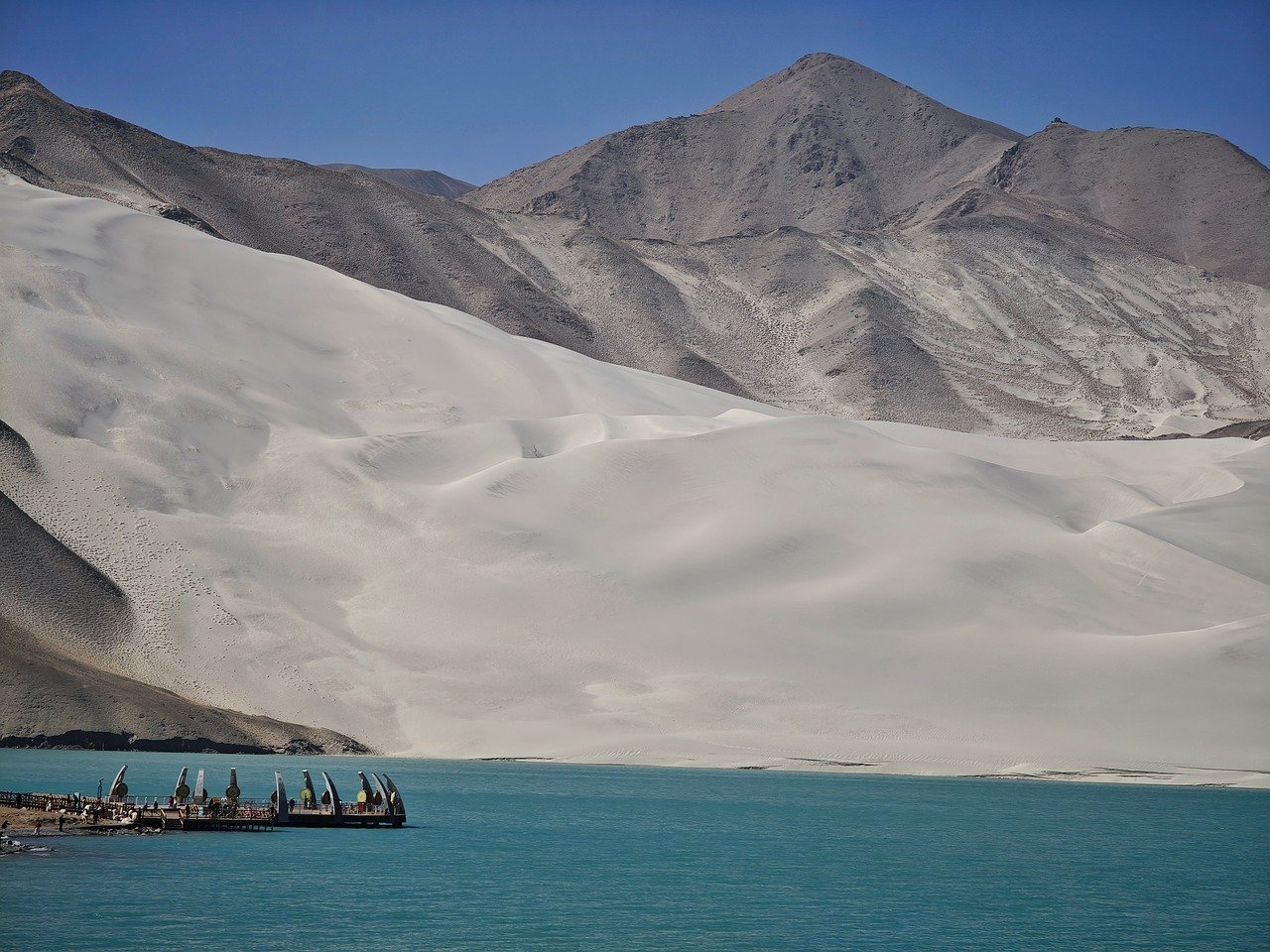
10 Days Silk Road, China Itinerary
Embark on a 10-day adventure along the Silk Road, exploring the historical cities of Xi'an, Dunhuang, Turpan, and Kashgar. This itinerary balances cultural immersion with outdoor activities, offering a taste of the region's diverse landscapes and rich heritage.
Duration
10 days
Budget
$1000-2000
Best Time
The ideal time to visit the Silk Road in China is during spring (April-May) and autumn (September-October)
Activities
43
Daily Avg
$150/day
Pace
Moderate
The Silk Road offers a journey through history, culture, and breathtaking landscapes. Explore ancient cities, vast deserts, and diverse ethnic communities, experiencing a unique blend of adventure and cultural immersion.
Your itinerary covers 3 of 9 must-have experiences
Ancient City Ruins
Day 5: Jiaohe Ancient City
Buddhist Grottoes & Cave Art
Day 4: Mogao Caves
Desert & Oasis Adventures
e.g., Mingsha Shan (Singing Sand Dunes) & Crescent Lake, Kumtag Desert (near Shanshan)
Frontier Fortifications & Passes
e.g., Jiayu Pass (Jiayuguan), Yumen Pass (Jade Gate Pass)
Vibrant Local Markets
Day 8: Kashgar Sunday Market
Regional Silk Road Cuisine
e.g., Lanzhou Beef Noodle Soup Experience, Uyghur Roast Lamb & Pilaf (Kashgar)
Unique Natural Landscapes
e.g., Zhangye Danxia Landform Geological Park (Rainbow Mountains), Tianchi Lake (Heavenly Lake) near Urumqi
Cultural Museums & Heritage Centers
e.g., Xinjiang Regional Museum (Urumqi), Dunhuang Museum
Traditional Crafts & Performances
e.g., Dunhuang Grand Ceremony (Performance), Uyghur Muqam Performance (Kashgar)
The Silk Road region of China boasts a unique culinary heritage, blending Central Asian and Chinese flavors. Expect hearty dishes featuring lamb, beef, noodles, and spices like cumin and chili. Fresh fruits and dried nuts are also abundant.
Must-Try Dishes
A flavorful chicken stew with potatoes, peppers, and thick, hand-pulled noodles. It's a hearty and satisfying dish perfect for sharing.
📍 Local restaurants in Xinjiang, especially in Urumqi and surrounding areas.
Thick, chewy hand-pulled noodles served with a savory sauce of stir-fried vegetables and meat (usually lamb or beef). Variations exist across the region.
📍 Noodle shops throughout Xinjiang, often identified by signs showing noodle-making.
Grilled lamb skewers seasoned with cumin, chili powder, and other spices. A popular street food snack.
📍 Street food stalls and night markets throughout the region.
A flavorful rice dish cooked with lamb, carrots, onions, and raisins. A staple of Uyghur cuisine.
📍 Uyghur restaurants and local eateries.
Food Neighborhoods
Known for Uyghur cuisine and street food.
Known for grilled meats, nang, and local specialties.
Known for fresh grapes and related products, as well as local restaurants.
Vegetarian options are limited but available, often consisting of noodle dishes with vegetables or stir-fried vegetable dishes. Communicate your dietary needs clearly using a translation app. Halal food is widely available in Muslim areas. Be cautious of common allergens like nuts and soy.
It's customary to use chopsticks for noodle dishes and other Chinese-style dishes. In Uyghur restaurants, it's acceptable to eat with your hands. Sharing dishes is common. Avoid sticking your chopsticks vertically in a bowl of rice, as it resembles a funeral offering.
Chinese New Year
ChunjieMost important Chinese holiday with fireworks, dragon dances, and family reunions.
Note: Book flights/hotels 2 months ahead
Mid-Autumn Festival
Zhongqiu JieHarvest festival with mooncakes, lanterns, and moon viewing.
Note: Book 1 month ahead
🛣️Interesting Detours & Side Trips
- 🚶Arrive at Xi'an Xianyang International Airport (XIY)$10 (Shuttle)
10:00 AM - Arrival at Xi'an Xianyang International Airport (XIY)
Arrive at Xi'an airport, take the airport shuttle bus to the city center (approx. 1 hour). Check into your hotel and leave your luggage.
🏨Create Custom ItineraryAdd your hotel booking
Search and add hotels to see on maps
Create a free custom itinerary to add hotels and restaurants
- 🚶Take a taxi or airport shuttle bus to the Muslim Quarter.$10
1:00 PM - Lunch at Muslim Quarter
Explore the vibrant Muslim Quarter and enjoy a delicious lunch of Rou Jia Mo (meat sandwich) and Yangrou Paomo (lamb soup).
🍽️Create Custom ItineraryAdd restaurants for Lunch
Get personalized restaurant recommendations
Create a free custom itinerary to add hotels and restaurants
- 🚶Walk from the Muslim Quarter to the South Gate of Xi'an City Wall.$15 (Bike Rental & Entrance Fee)
3:00 PM - Cycle the Xi'an City Walls
Rent a bike and cycle the ancient city walls, offering panoramic views of the city. Arrive early to beat the crowds and the heat. Fitness level: Easy.
Book on Klook - 🚶Walk from the South Gate of Xi'an City Wall to a restaurant near the Muslim Quarter.$15
7:00 PM - Dinner at a Local Restaurant
Enjoy a traditional Shaanxi dinner at a local restaurant. Try Biang Biang noodles, a Xi'an specialty.
🍽️Create Custom ItineraryAdd restaurants for Dinner
Get personalized restaurant recommendations
Create a free custom itinerary to add hotels and restaurants
Near the Muslim Quarter
Central location, close to food and attractions, easy access to transportation.
📅 Best Time to Visit
The ideal time to visit the Silk Road in China is during spring (April-May) and autumn (September-October). These seasons offer pleasant temperatures, making outdoor exploration comfortable. Summer (June-August) can be extremely hot with intense desert sun, and winter (November-March) is very cold, with potential for snow and limited access to some sites. Avoid major Chinese public holidays (e.g., Golden Week in early May and October) as popular sites will be extremely crowded, and transportation/accommodation prices will surge.
During the shoulder seasons, expect sunny days with comfortable temperatures. Evenings can be cool, so pack layers. Rainfall is infrequent.
Spring and autumn offer the most pleasant weather for exploring the Silk Road. Temperatures are moderate, and rainfall is minimal, making it ideal for outdoor activities.
Avoid traveling during major Chinese holidays like Golden Week (early May and October) due to overcrowding and increased prices.
Getting Around
Extensive high-speed rail and metro systems in major cities
City-specific transit cards or Alipay QR codes
Download DiDi for ride-hailing. Book train tickets in advance on 12306 or Trip.com.
Travel
$400 (Flights & Trains)Accommodation
$300 (Budget Hotels & Guesthouses)Food
$300 (Local Restaurants & Street Food)Activities
$200 (Entrance Fees & Tours)Eat Like a Local: Opt for street food stalls and local restaurants (often found near markets or residential areas) for delicious and incredibly affordable meals, saving significantly over tourist-oriented establishments.
Utilize Public Transport: Use city buses and subways (where available) for cheap transportation within cities. For longer distances, consider hard seat or hard sleeper classes on trains for a budget-friendly experience, though less comfortable.
Bargain at Markets: At local markets for souvenirs, clothing, or other non-fixed price items, polite bargaining is often expected and can save you a good percentage off the initial asking price.
High-Speed Rail (G-trains): While more expensive than buses or slower trains, the comfort, speed, and efficiency of China's high-speed rail network are well worth it for covering vast Silk Road distances efficiently and comfortably.
Guided Tours for Key Sites: For world-heritage sites like the Mogao Caves in Dunhuang or specific historical parks, investing in a knowledgeable local guide or an organized tour can provide invaluable context and enhance the experience significantly.
Embrace the Digital Payment Culture: Fully commit to using WeChat Pay or Alipay. Get comfortable with it before you go, as this is how locals pay for everything and it's often the only accepted method, potentially saving you from needing to carry much cash or deal with exchange rates for small purchases.
- Payment is Digital: Be prepared to use WeChat Pay or Alipay for almost all transactions. Cash is rarely accepted, and setting up these apps with an international credit card before your trip is crucial.
- VPN is Essential: Download and subscribe to a reliable VPN (e.g., ExpressVPN, NordVPN) before arriving in China to access Google services, social media, and other international websites blocked by the 'Great Firewall'.
- Carry Your Passport: Always have your physical passport on you. It's required for checking into hotels, buying train tickets, and frequently for entry to major attractions and security checkpoints.
- Hydrate & Protect from Sun: The Silk Road region is largely desert. Drink plenty of water, wear a wide-brimmed hat, sunglasses, and use sunscreen to protect against intense sun and dry air.
- Be Prepared for Security Checks: Expect frequent security checks, especially in Xinjiang, at train stations, airports, and major attractions. Cooperation and patience are key.
- Learn Basic Mandarin Phrases: While some people in tourist areas might speak English, knowing basic greetings and phrases in Mandarin will significantly enhance your interactions and experience.
- Download Offline Maps: Baidu Maps or Gaode Maps are best for navigation within China. Download offline maps for cities you'll visit, as internet can be spotty.
- Cultural Sensitivity in Minority Regions: Be respectful of local customs and traditions, particularly when visiting areas with significant Uyghur, Hui, or other ethnic minority populations.
- 1Layers of Clothing: Temperatures fluctuate dramatically between day and night, especially in desert areas. Pack light, breathable layers for warmth and sun protection.
- 2Comfortable Walking Shoes: You'll be doing extensive walking on uneven terrain at historical sites and in cities.
- 3Wide-Brimmed Hat, Sunglasses, Sunscreen: Essential for protection against the intense desert sun and high UV index.
- 4Dust Mask or Scarf: To protect against sand and dust, particularly in desert landscapes like those near Dunhuang.
- 5Reusable Water Bottle: Stay hydrated and reduce plastic waste. Refill whenever possible.
- 6Portable Power Bank: Keep your phone charged for maps, translation, photos, and payments, especially during long days out.
- 7Personal First-Aid Kit: Include basics like pain relievers, band-aids, antiseptic wipes, and any personal medications, as pharmacies might be limited in remote areas.
- 8Modest Clothing: Especially important for visiting mosques and other religious sites in predominantly Muslim areas. Loose-fitting trousers and long-sleeved tops are advisable.
- 9VPN (pre-downloaded and subscribed): Not a physical item, but an essential digital tool to have before you arrive.
- 10Headlamp/Small Flashlight: Useful for exploring caves (like Mogao Grottoes) or in areas with limited lighting at night.
China Visa
Apply well in advance (1-2 months minimum) at a Chinese embassy/consulate in your home country. Essential for entry.
International Flights
Book 3-6 months ahead for best prices and availability, especially during peak seasons.
Domestic Flights / High-Speed Rail Tickets
Book 1-2 months in advance, especially for popular routes (e.g., Lanzhou to Dunhuang) or during national holidays. Use official apps (like 12306) or trusted agents.
Accommodation
Book hotels in advance, especially in smaller cities or during peak tourist seasons, as availability can be limited.
Mogao Caves Tickets
Book several weeks to months in advance through the official website or a trusted tour operator. Daily visitor numbers are strictly limited and often sell out.
VPN Subscription
Purchase and set up your VPN service BEFORE departing for China, as access to VPN websites may be blocked once you're there.
Travel Insurance
Essential for any international trip, covering medical emergencies, trip cancellations, and lost luggage.
SIM Card / eSIM Plan
Research and consider purchasing an eSIM plan online before departure for immediate connectivity upon arrival, or plan to buy a physical SIM at an official store upon arrival.
Note: Travel conditions, regulations, and local customs may change. We recommend verifying essential details — such as visa requirements, emergency contacts, and payment options — closer to your travel date.
SIM & Connectivity
SIM Options
📍 China Unicom stores at airports or in cities.
📍 Airalo website or app (download before arrival).
📍 Online rental services or at airports.
WiFi is widely available in hotels, cafes, and restaurants in larger cities. However, it may be less reliable or absent in more remote areas. Public WiFi may require a Chinese phone number for registration.
Useful Apps
Download necessary apps before arriving in China. Consider using a VPN to access blocked websites and services. Purchase a SIM card or eSIM upon arrival for convenient data access. Learn basic Mandarin phrases for easier communication.
Electric Socket Guide
Socket Types
Two flat parallel pins
Two round pins (Europlug)
Two angled flat pins + ground
220V
50Hz
Tipping Etiquette
Not expected — may be refused
Not expected; round up fare if desired
Not expected in most hotels
Tipping is not part of Chinese culture. High-end international hotels may accept tips.
Safety & Travel Advisories
The Silk Road region is generally safe for tourists. However, be aware of petty theft in crowded areas and exercise caution when traveling in remote areas.
Check official government advisories for the latest safety information, entry requirements, and travel warnings before your trip.
Emergency Numbers
110
120
119
Limited English support — have your hotel address written in Chinese
Payments
China is nearly cashless — mobile payment dominates
International cards rarely accepted outside luxury hotels
WeChat Pay and Alipay are essential; some now allow foreign card linking
Set up Alipay or WeChat Pay before arrival. Carry some cash for rural areas.
Customize This Trip
Get this itinerary tailored to YOUR exact dates, preferences, and budget.
- Personalized for your dates
- Weather-aware recommendations
- Offline access
- Real-time pricing
- Budget tracking
No sign-up required
Quick Actions
Trip Summary
How was this itinerary?
The best time to visit is during the spring (April-May) and autumn (September-October) months. The weather is mild, making it ideal for exploring the desert landscapes and historical sites. Avoid the summer heat and winter cold.
Related Itineraries



Customize This Trip
Get this itinerary tailored to YOUR exact dates, preferences, and budget.
- Personalized for your dates
- Weather-aware recommendations
- Offline access
- Real-time pricing
- Budget tracking
No sign-up required
Quick Actions
Trip Summary
Want a Personalized Version?
Get this itinerary customized for your exact travel dates, with weather-aware recommendations and real-time pricing.
Create My Custom Itinerary60sBrowse by travel style: