Switzerland is the kind of country where every train window looks like a screensaver. The infrastructure is immaculate, the trains are absurdly punctual, and even a basic three-city trip covers lakes, mountains, and medieval old towns. The catch is cost — Switzerland is genuinely expensive. But with the right transport pass and a few smart choices, it's manageable. This guide covers realistic budgets, how to structure your trip, Swiss Travel Pass math, and what's worth planning ahead.
When to Go
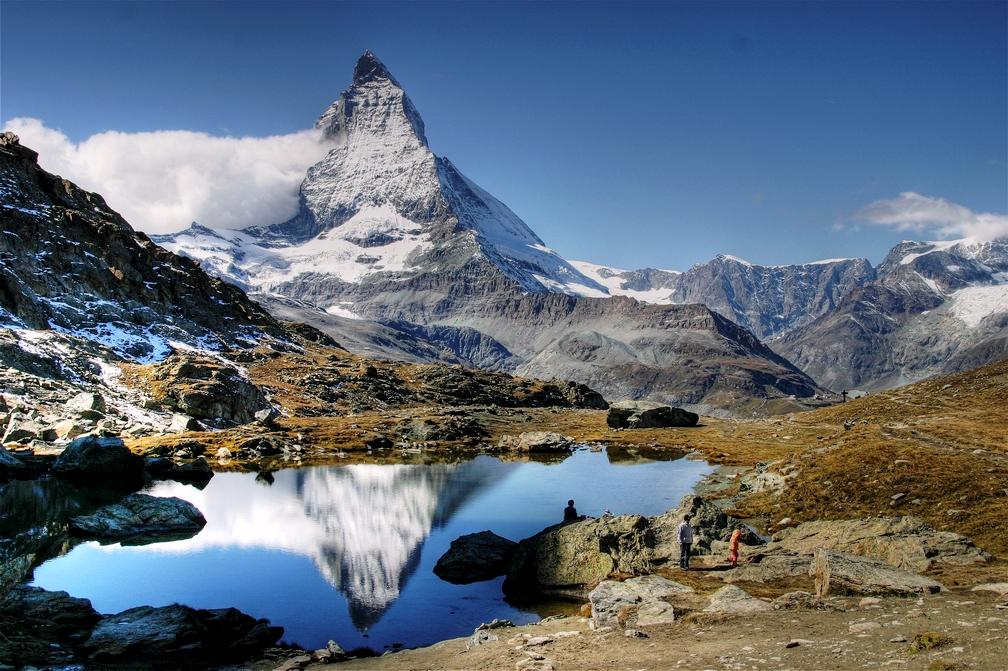
Switzerland has two peak seasons — summer for hiking and winter for skiing — with distinct tradeoffs:
| Season | Months | What to expect |
|---|---|---|
| Winter/Ski | December – March | Ski season in full swing. Cold in valleys (0°C), colder at altitude. Christmas markets in December. Higher prices in ski resorts, lower in cities. |
| Spring | April – May | Snow melting, wildflowers emerging. Some mountain lifts and passes still closed. Fewer tourists, moderate prices. |
| Summer | June – September | Peak hiking season. Long days, warm weather (20-28°C in valleys). Most expensive period. All mountain lifts and passes open. |
| Fall | October – November | Fall foliage around lakes. Mountain huts closing. Some passes close by late October. Good deals on accommodation. |
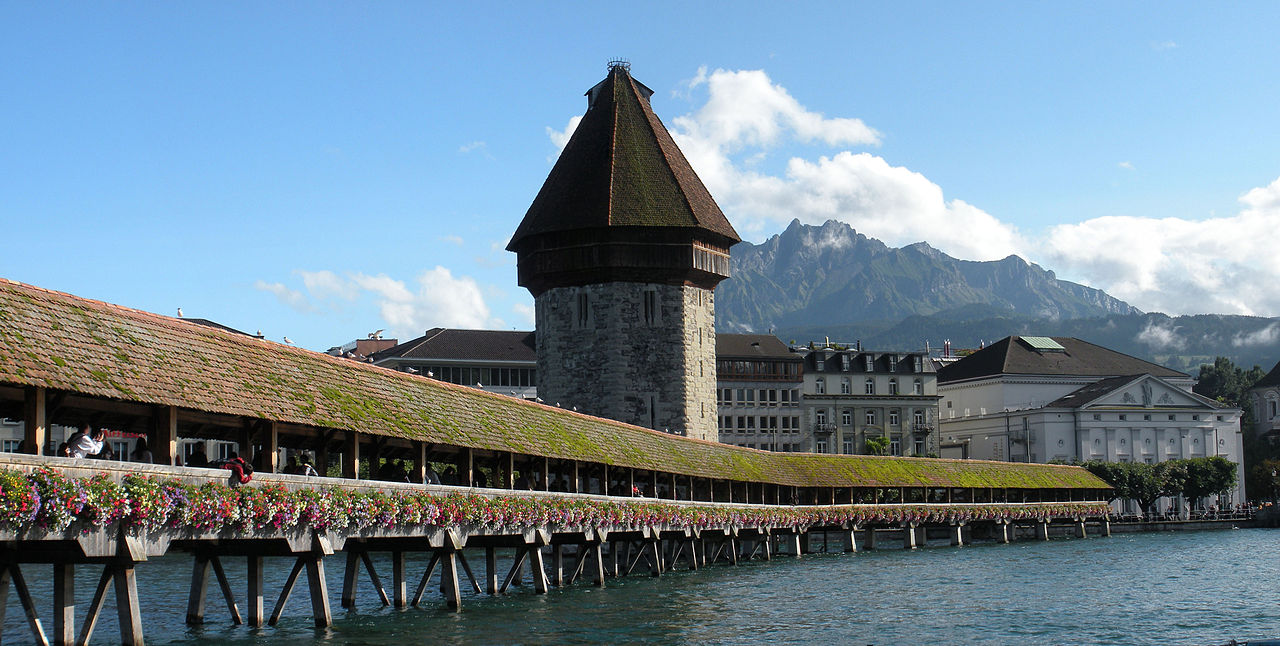
Our recommendation: Mid-June to mid-September for the full Alpine experience — all lifts are running, hiking trails are open, and the weather is reliably warm. September is the sweet spot: fewer crowds than July-August, still warm, and fall colors beginning around the lakes. See our weather-smart travel planning guide for more on shoulder-season timing.
How Much Switzerland Costs (Realistic Daily Budget)
Switzerland is expensive — there's no getting around it. A restaurant lunch that would cost $12 in Germany costs $25 here. But the quality is high, and supermarket food is genuinely good. Here's what daily spending looks like:
Budget: CHF 150-200 ($170-230/day)
- Sleep: Hostels (CHF 40-60) or budget Airbnb rooms (CHF 60-80)
- Eat: Supermarket breakfast and lunch from Coop or Migros (CHF 10-15 per meal), one affordable dinner — kebab, pizza, or Coop takeaway (CHF 15-20)
- Get around: Swiss Travel Pass (amortized — CHF 60-80/day for a 4-8 day pass)
- Do: Hiking (free), lake swimming (free), old town walks, museum entries (free with Swiss Travel Pass)
Mid-range: CHF 250-400 ($280-450/day)
- Sleep: 3-star hotels or guesthouses (CHF 120-200)
- Eat: Cafe breakfast (CHF 12-18), restaurant lunch (CHF 25-35), nice dinner with wine (CHF 50-70)
- Get around: Swiss Travel Pass + mountain excursion add-ons (CHF 30-60 discounted)
- Do: Scenic train journeys, mountain excursions (Jungfraujoch, Schilthorn), boat cruises, cheese/chocolate factory visits
Luxury: CHF 500+ ($570+/day)
- Sleep: Palace hotels, 5-star mountain lodges (CHF 300-800+)
- Eat: Fine dining, Michelin-starred restaurants (CHF 100+ per person)
- Get around: First class Swiss Travel Pass, private transfers
- Do: Helicopter tours, private guided hikes, spa treatments, exclusive mountain lodges
The big variable is food. Accommodation is expensive everywhere, but you can slash food costs in half by shopping at Coop and Migros. Their prepared meals, sandwiches, and salads are high quality — this is Switzerland's budget travel secret.
You can generate a Switzerland itinerary with your specific budget and see the full cost breakdown before you go.
How to Get Around Switzerland
The Swiss Travel Pass (Most Visitors Should Get This)
The Swiss Travel Pass is an all-in-one ticket covering:
- All trains, buses, and boats (including scenic routes like the GoldenPass)
- City trams and buses in 90+ cities (Zurich, Bern, Lucerne, Geneva, etc.)
- 500+ museums (free entry)
- 25-50% off mountain excursions (Jungfraujoch, Schilthorn, Pilatus, etc.)
| Pass duration | 2nd class | 1st class |
|---|---|---|
| 3 days | CHF 232 ($264) | CHF 369 ($420) |
| 4 days | CHF 281 ($320) | CHF 447 ($509) |
| 8 days | CHF 418 ($476) | CHF 665 ($757) |
| 15 days | CHF 513 ($584) | CHF 816 ($929) |
Swiss Travel Pass math: A single Zurich-to-Zermatt train ticket costs CHF 90+. Lucerne to Interlaken is CHF 35. Add a Lake Lucerne boat cruise (CHF 50), a few city tram rides, and museum entries, and a 4-day pass pays for itself on day 2.
Alternative: Half Fare Card
If you're only making a few trips, the Half Fare Card (CHF 120 for one month) gives you 50% off virtually all trains, buses, boats, and mountain railways. Good for shorter stays where you won't use transport daily.
Scenic Train Routes
Switzerland's scenic trains are destinations in themselves:
| Route | Duration | Highlights |
|---|---|---|
| Glacier Express (Zermatt → St. Moritz) | 8 hours | 291 bridges, 91 tunnels, the Oberalp Pass. Reservation fee CHF 49 required on top of ticket/pass. |
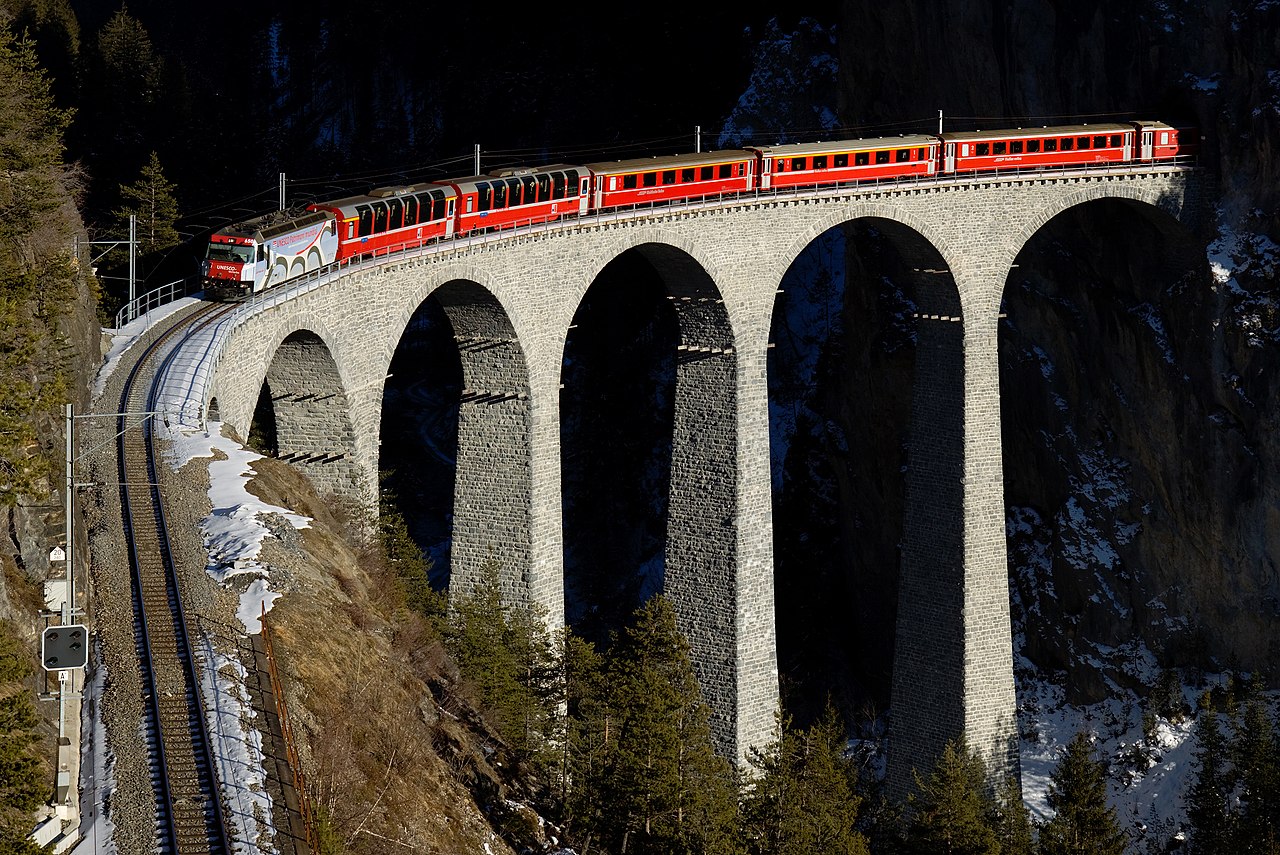
| Bernina Express (Chur → Tirano, Italy) | 4 hours | UNESCO World Heritage route, Landwasser Viaduct, glaciers to palm trees. Reservation fee CHF 16. |
| GoldenPass (Lucerne → Montreux) | 5 hours | Lakes, vineyards, mountain panoramas. Fully covered by Swiss Travel Pass, no reservation needed. |
Within Cities
Swiss cities are compact and walkable. The Swiss Travel Pass covers all city trams and buses, so you never need to buy a local ticket. Zurich and Bern are easily walkable. Lucerne is tiny — everything is within 15 minutes on foot.
Sample Itineraries
3-4 Days: Zurich, Lucerne & Interlaken
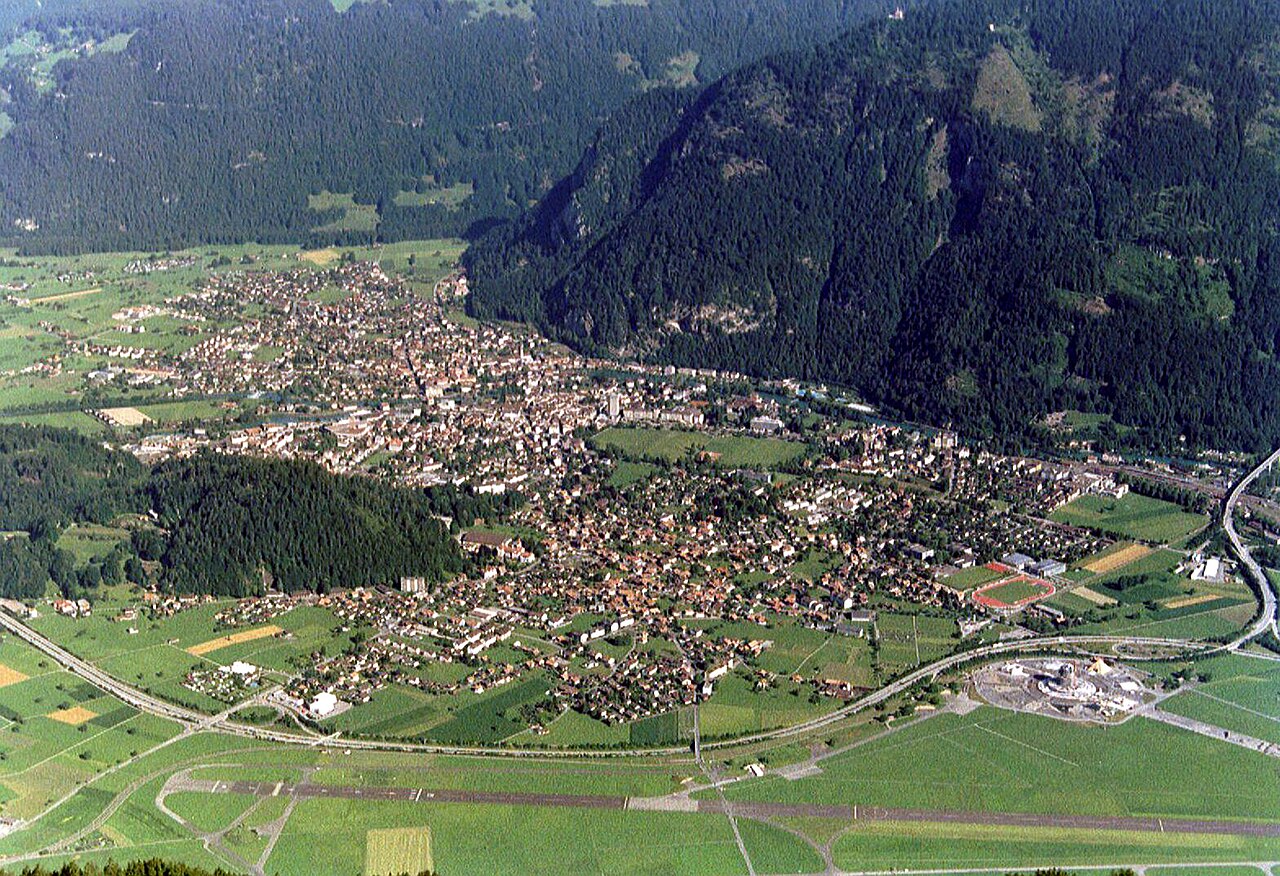
A tight but satisfying introduction. One day in Zurich (Old Town, lake promenade, Bahnhofstrasse), two days in Lucerne and Interlaken (Chapel Bridge, Lion Monument, Lake Lucerne cruise, one mountain excursion — Jungfraujoch or Schilthorn), and a travel day.
This works well as a stopover if you're passing through Europe or combining with neighboring countries.
5-7 Days: The Classic Swiss Loop
The sweet spot for a first visit. Zurich (1 day) → Lucerne (1-2 days) → Interlaken/Jungfrau region (2 days) → Bern (1 day) → return to Zurich. With 7 days, add Zermatt for Matterhorn views or take the GoldenPass route to Montreux.
A Swiss Travel Pass 4-day or 8-day makes sense for this itinerary. See our Swiss Alps 5-day itinerary for a day-by-day plan with costs and maps, or our Switzerland budget 7-day itinerary for a cost-conscious route.
10-14 Days: The Grand Tour
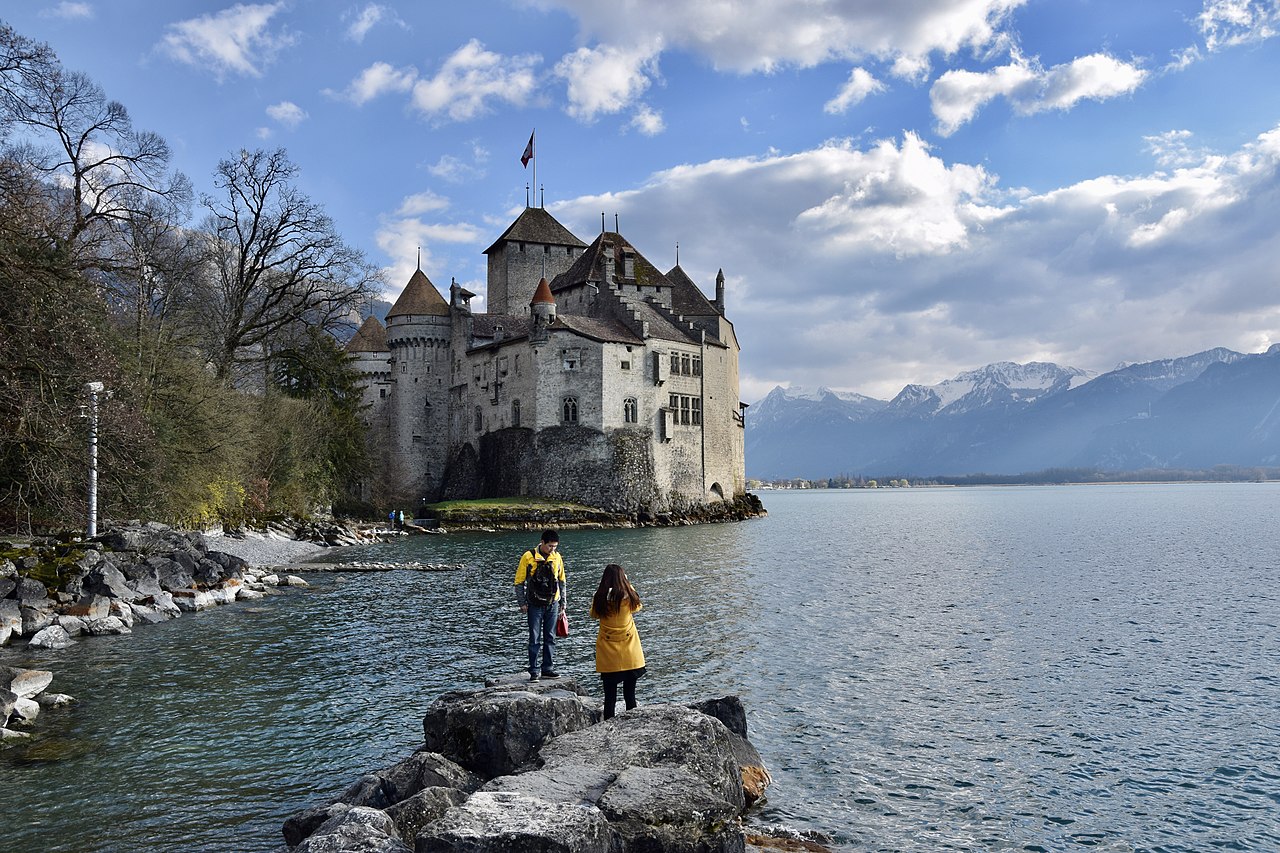
Enough time to see German-speaking and French-speaking Switzerland. Add Geneva (1-2 days for Jet d'Eau, UN, CERN), Lausanne and Montreux (1-2 days for the Lavaux vineyards and Chillon Castle), and the Glacier Express from Zermatt to St. Moritz. With 14 days, include the Bernina Express into Italy and the Appenzell region for traditional Swiss culture.
Multi-city Switzerland trips are where an AI-generated itinerary helps most — it handles the train connections, mountain excursion timing (weather-dependent), and hotel placement across regions.
Family Travel with Kids
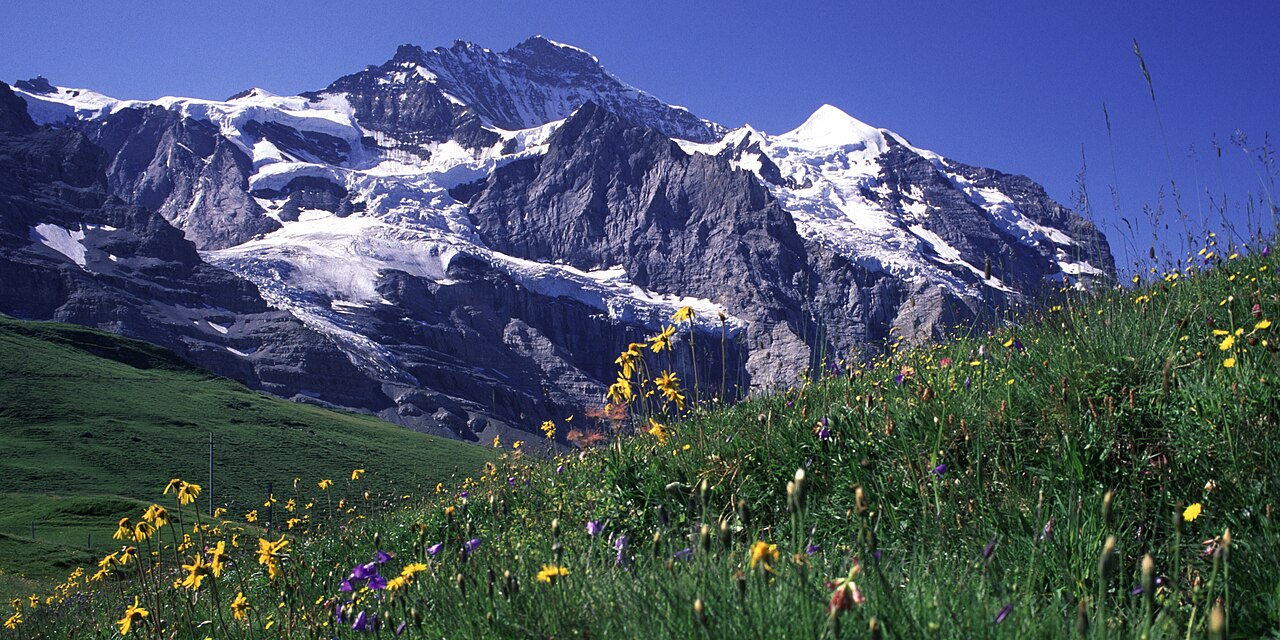
Switzerland is outstanding for families — safe, clean, trains are spacious, and children under 6 ride free. The Swiss Family Card (free with any Swiss Travel Pass) lets children under 16 travel free when accompanied by a parent. Budget +40-50% over mid-range for a family of 4 (extra beds and mountain excursion tickets).
Top family attractions:
| Attraction | Location | Tickets (adult/child) | Best for |
|---|---|---|---|
| Swiss Transport Museum | Lucerne | CHF 36 / CHF 22 ($41/$25) | Ages 4-14, trains, planes, planetarium |
| Jungfraujoch (Top of Europe) | Interlaken | CHF 247 / CHF 124 ($281/$141), 25% off with Swiss Travel Pass | Ages 6+, ice palace, snow fun park |
| Schilthorn (Piz Gloria) | Interlaken | CHF 110 / CHF 55 ($125/$63), 50% off with Swiss Travel Pass | Ages 5+, revolving restaurant, Bond exhibit |
| Lindt Home of Chocolate | Kilchberg (near Zurich) | CHF 16 / CHF 10 ($18/$11) | Ages 3+, world's tallest chocolate fountain |
Kid-friendly activities by region:
- Lucerne: Swiss Transport Museum (plan half a day — kids won't want to leave), Lake Lucerne boat cruise, Pilatus mountain (Golden Round Trip combines boat, cogwheel train, and cable car)
- Interlaken/Jungfrau: Jungfraujoch snow fun park (free sledges at the top), Trummelbach Falls (glacial waterfalls inside a mountain), easy hikes around Grindelwald, paragliding tandem flights (ages 5+)
- Bern: BaernPark (bears in the bear pit), Gurten funicular to the hilltop park and playground, the Zytglogge clock tower show (every hour)
- Zurich: Zurich Zoo (one of Europe's best, Masoala Rainforest Hall), Lindt Home of Chocolate in nearby Kilchberg (30min by train), lake swimming at Badi Utoquai
- Zermatt: Gornergrat railway to see the Matterhorn up close, easy family trail from Sunnegga (stroller-friendly), Glacier Paradise ice cave at Klein Matterhorn
Family logistics:
- Swiss trains have family zones in many carriages with play areas and extra space. Look for the family icon on the carriage.
- Children under 6 travel free without any card. Ages 6-15 travel free with the Swiss Family Card.
- Supermarkets Coop and Migros sell baby food, formula, and diapers at reasonable prices.
- Many restaurants offer children's menus (Kindermenu). Swiss family restaurants are welcoming — high chairs are standard.
- Mountain excursions can be cold even in summer — pack layers for kids. Jungfraujoch is -5°C to 0°C year-round.
What to Book Ahead (and What to Skip)
Book Ahead
- Swiss Travel Pass — Buy online before arrival for the best price. Activate at any train station.
- Glacier Express seats — Requires a mandatory reservation (CHF 49) on top of your ticket or pass. Book 2-4 weeks ahead in summer, especially for window seats.
- Jungfraujoch tickets — Doesn't sell out, but booking online saves CHF 10+ and guarantees your preferred departure time. Check the weather webcam before going — not worth it in fog.
- Hotels in Zermatt — Limited accommodation in this car-free village. Book 2-4 weeks ahead in July-August and ski season.
- Bernina Express seats — Reservation required (CHF 16). Less urgent than Glacier Express but worth securing in summer.
Don't Bother Booking
- Regular trains — Swiss trains don't require reservations (except scenic routes). Just show up with your pass and board.
- Lake cruises — Covered by Swiss Travel Pass, no reservation needed. Walk on, sit down.
- Museums — Free with Swiss Travel Pass, no advance booking required.
- Cable cars and mountain railways — Buy at the station or tap your Swiss Travel Pass for the discount. No reservation system.
- Most restaurants — Walk-in culture. Exception: high-end restaurants in Zurich and Geneva during weekends.
Practical Tips
Visa and Entry
Switzerland is in the Schengen Area. US, UK, Canadian, Australian, and most other Western passport holders get 90-day visa-free entry for tourism. Your passport must be valid for at least 3 months beyond your departure date.
Note: Switzerland is not in the EU. It uses the Swiss franc (CHF), not the euro. Some tourist shops near borders accept euros but give terrible exchange rates.
Money
- Swiss franc (CHF) is the currency. 1 CHF is roughly $1.14 USD (fluctuates — check before your trip).
- Cards are widely accepted. Contactless payment works almost everywhere — trains, restaurants, supermarkets, even mountain huts. Switzerland is more cashless than most of Europe.
- ATMs are plentiful. Withdraw CHF from any bank ATM. Avoid currency exchange bureaus at airports and train stations — their rates are poor.
- Tipping is not expected. Service is included in restaurant bills. Rounding up a few francs is appreciated but not obligatory.
Connectivity
- eSIM or prepaid SIM — Buy a Swisscom or Salt prepaid SIM at the airport or any electronics store. eSIMs from providers like Airalo or Holafly work well.
- Free WiFi is available at train stations (SBB Free WiFi), most hotels, and many cafes. Swiss trains have onboard WiFi on intercity routes, though it's unreliable in tunnels.
- EU roaming does NOT apply. Switzerland is not in the EU, so EU phone plans with "free roaming" may charge extra. Check with your carrier.
Food
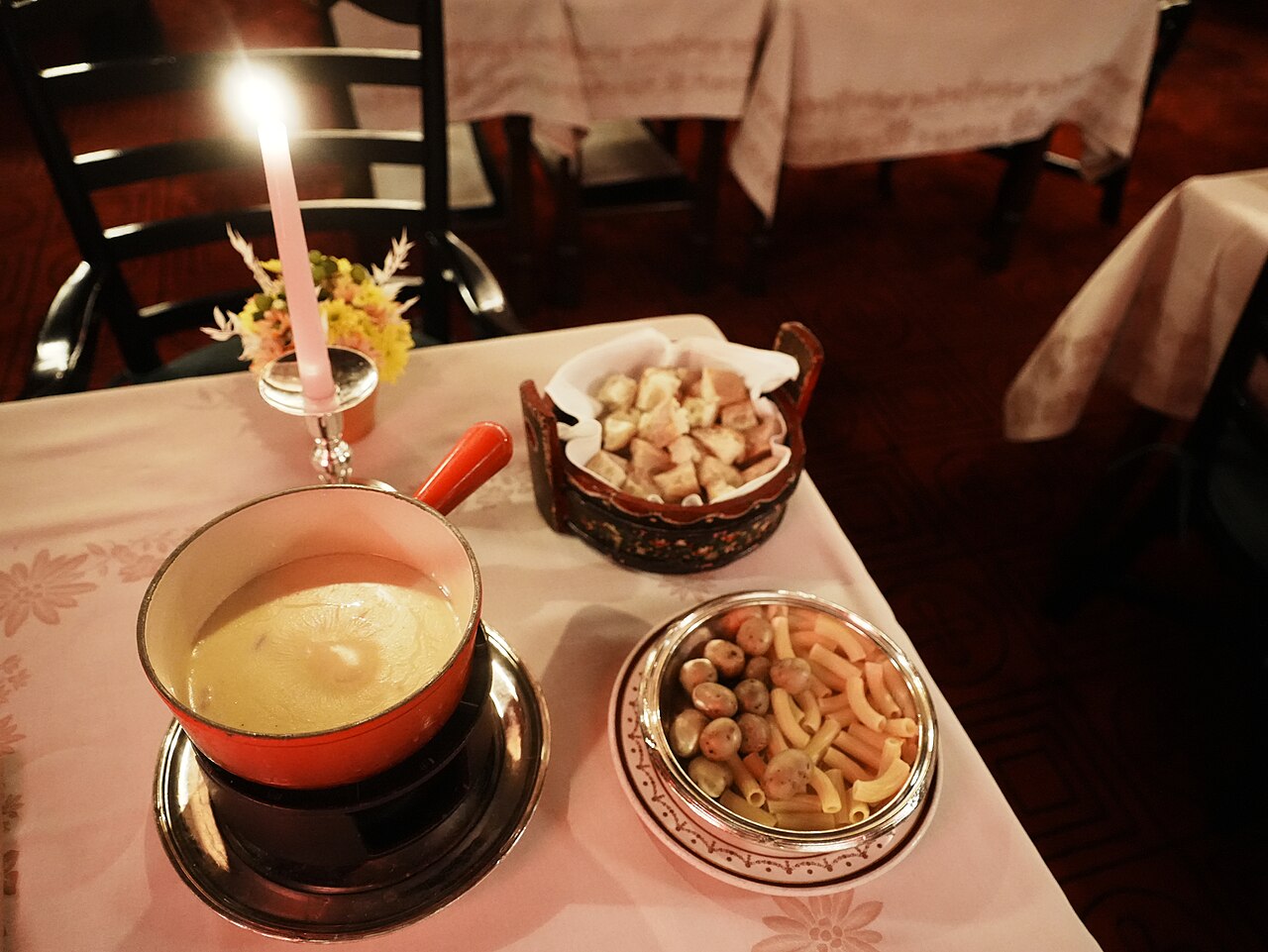
- Must-try dishes: Cheese fondue (CHF 25-35 per person), raclette (CHF 20-30), rosti (fried potato cake, CHF 15-20), Zurcher Geschnetzeltes (Zurich-style veal, CHF 30-40).
- Budget eating: Coop and Migros supermarkets have excellent prepared meals, salad bars, and sandwiches for CHF 8-15. This is the single best way to save money in Switzerland.
- Drinking water from taps and public fountains is safe and excellent quality. Every village has public fountains with drinkable water (unless marked "kein Trinkwasser").
- Restaurant meals are expensive: expect CHF 25-40 for a main course at a mid-range restaurant. Lunch specials (Tagesmenü) at CHF 18-25 offer the best value for sit-down dining.
For a full food guide (must-try dishes with prices, best neighborhoods for each cuisine) and a shopping guide, see our Swiss Alps 5-day itinerary — both guides are included in every itinerary we generate.
Getting From the Airport
- Zurich Airport (ZRH): 10 minutes to Zurich city center by train (CHF 7, runs every 5-10 minutes). One of the most convenient airport transfers in Europe. Covered by Swiss Travel Pass.
- Geneva Airport (GVA): 7 minutes to Geneva city center by train (CHF 3.60, free ticket from machines in the baggage hall). Also covered by Swiss Travel Pass.
- Basel-Mulhouse Airport (BSL): 20 minutes to Basel city center by bus (CHF 5). Budget airlines (easyJet, Wizz Air) fly here.
Common Mistakes
- Not getting the Swiss Travel Pass. Transport is the biggest expense after accommodation. Buying individual tickets adds up fast — a single Zurich to Interlaken ticket is CHF 70+. The pass pays for itself within 2 days for most itineraries.
- Skipping supermarkets. Coop and Migros prepared food is genuinely good. Eating every meal at restaurants will double your food budget unnecessarily.
- Going to Jungfraujoch in bad weather. It's CHF 200+ even with the Swiss Travel Pass discount. Check the webcam at jungfrau.ch before committing — you'll see nothing in clouds. Have a flexible day to reschedule.
- Trying to drive everywhere. Parking is scarce and expensive (CHF 25-50/day in cities), mountain roads are stressful, and the train network covers everywhere you'd want to go. Skip the rental car.
- Packing light layers in summer. Valley temperatures hit 25-30°C, but mountain summits can be near freezing. Always bring a warm layer and rain jacket, even in July.
- Ignoring the Half Fare Card for short trips. If you're only in Switzerland for 2-3 days, the Half Fare Card (CHF 120) can be better value than a Swiss Travel Pass. Do the math for your specific route.
More Destination Guides

- How to Plan a Trip to France — Paris, Provence, the Riviera, and beyond
- How to Plan a Trip to Italy — Rome, Florence, Venice, and the Amalfi Coast
- How to Plan a Trip to Iceland — Northern Lights, waterfalls, and the Ring Road
- How to Plan a Trip: The Complete Guide — step-by-step planning for any destination
Build Your Switzerland Itinerary
The fastest way to plan is to answer 8 questions about your trip and get a complete day-by-day itinerary with costs, maps, hotel recommendations, and a food guide. It takes about 60 seconds.
Or browse our ready-made Switzerland itineraries:
- Swiss Alps 5-day itinerary — Zurich, Lucerne, Interlaken & the Jungfrau region
- Switzerland budget 7-day itinerary — see Switzerland without breaking the bank
Written by
Mango
Photos from Wikimedia Commons, used under Creative Commons licenses
Popular Itineraries
Hand-crafted day-by-day travel plans
Japan
7-day itinerary
Tokyo, Kyoto & Osaka
Paris
5-day itinerary
Perfect for couples
Bali
7-day itinerary
Temples, rice fields & beaches
Italy
10-day itinerary
The Italian grand tour
Want More Travel Tips?
Browse our collection of travel guides, tips, and inspiration for your next adventure.