Spain rewards every type of traveler — the architecture obsessive, the food-driven wanderer, the beachgoer, and the history nerd. It's also one of the most affordable countries in Western Europe, with reliable trains, a strong tapas culture that keeps food costs low, and a rhythm of life that makes every day feel unhurried. Here's how to plan it well.
When to Go
Spain's climate varies dramatically by region. The south bakes in summer while the north stays green and mild.
| Season | Months | What to expect |
|---|---|---|
| Spring | April – June | Best overall. Warm (20-28°C), flowers blooming, Semana Santa processions in April. Book ahead for Easter week. |
| Summer | July – August | Peak tourism on coasts. Inland cities (Madrid, Seville, Córdoba) hit 38-42°C. Beach towns are crowded and expensive. |
| Fall | September – October | Second-best season. Warm temperatures, smaller crowds, wine harvest season in La Rioja. |
| Winter | November – February | Mild in Andalusia (12-18°C), cold in Madrid and the north. Cheapest flights and hotels. Great for cities, not for beaches. |
Our recommendation: Mid-April to mid-June or September to mid-October. You get warm weather, outdoor dining, and prices 20-30% below peak summer. See our weather-smart travel planning guide for more on shoulder-season timing.
How Much Spain Costs (Realistic Daily Budget)
Spain is one of the best-value destinations in Western Europe. The menú del día (fixed lunch menu at restaurants for €10-15) is your budget superpower.
Budget: €60-90/day
- Sleep: Hostels (€15-30) or budget guesthouses (pensiones, €30-50)
- Eat: Bakery breakfast (€3-4), menú del día lunch (€10-14), tapas for dinner (€8-15, often comes with free tapas in Granada and parts of the south)
- Get around: Metro and buses (€1.50-2 per ride), walk between nearby spots
- Do: Free cathedral visits on certain days, parks, neighborhood walks, beach days
Mid-range: €120-200/day
- Sleep: 3-star hotels or boutique guesthouses (€70-130)
- Eat: Café con leche and tostada breakfast (€4-6), sit-down lunch (€15-25), tapas crawl for dinner (€20-35)
- Get around: AVE trains for intercity, metro for local
- Do: Mix of free sites and paid attractions (€10-20 entry), flamenco show (€25-40), cooking class (€50-70)
Luxury: €300+/day
- Sleep: Paradores (historic state-run hotels, €150-300), five-star city hotels
- Eat: Michelin-starred restaurants (€80-200), private wine tastings, pintxos crawl in San Sebastián
- Get around: AVE preferente (first class), private transfers
- Do: Private tours, exclusive experiences, VIP flamenco shows
The big variable is where you go. Barcelona and San Sebastián are 30-40% more expensive than Seville, Granada, or Valencia. Andalusia is where budget travelers get the most for their money.
You can generate a Spain itinerary with your specific budget and see the full cost breakdown before you go.
How to Get Around Spain
Between Cities: AVE High-Speed Trains
Spain's AVE network is one of Europe's best. Trains are fast, comfortable, and run on time. Key routes:
| Route | Time | One-way cost |
|---|---|---|
| Madrid → Barcelona | 2h 30min | €30-110 (book early for cheapest) |
| Madrid → Seville | 2h 30min | €25-80 |
| Madrid → Málaga | 2h 30min | €25-80 |
| Madrid → Valencia | 1h 40min | €20-60 |
| Barcelona → Seville | 5h 30min | €40-120 |
Renfe Tickets: Book Early
Renfe (Spain's national rail operator) releases tickets 60-90 days ahead. Early-bird fares (Promo and Promo+) can be 60-70% cheaper than last-minute prices. A Madrid-Barcelona ticket bought 2 months out can be €30; the same ticket bought the day before is €110.
Spain Rail Pass: The Renfe Spain Pass gives you 4, 6, 8, or 10 journeys within a month. The 4-journey pass costs around €195. Worth it if you're doing multiple intercity trips and don't want to commit to exact dates.
Within Cities: Metro + Walking
Madrid and Barcelona have excellent metro systems (single ride €1.50-2.50, 10-ride passes available). Seville and Granada are compact enough to walk most of the time. In Barcelona, the T-Casual card gives you 10 rides for €11.35.
Budget Airlines
Vueling, Ryanair, and Iberia Express connect Spanish cities cheaply if booked early. Barcelona to Seville can be €20-40 one-way on budget carriers. Factor in airport transfer time — often slower door-to-door than the train.
Sample Itineraries
3-4 Days: Barcelona
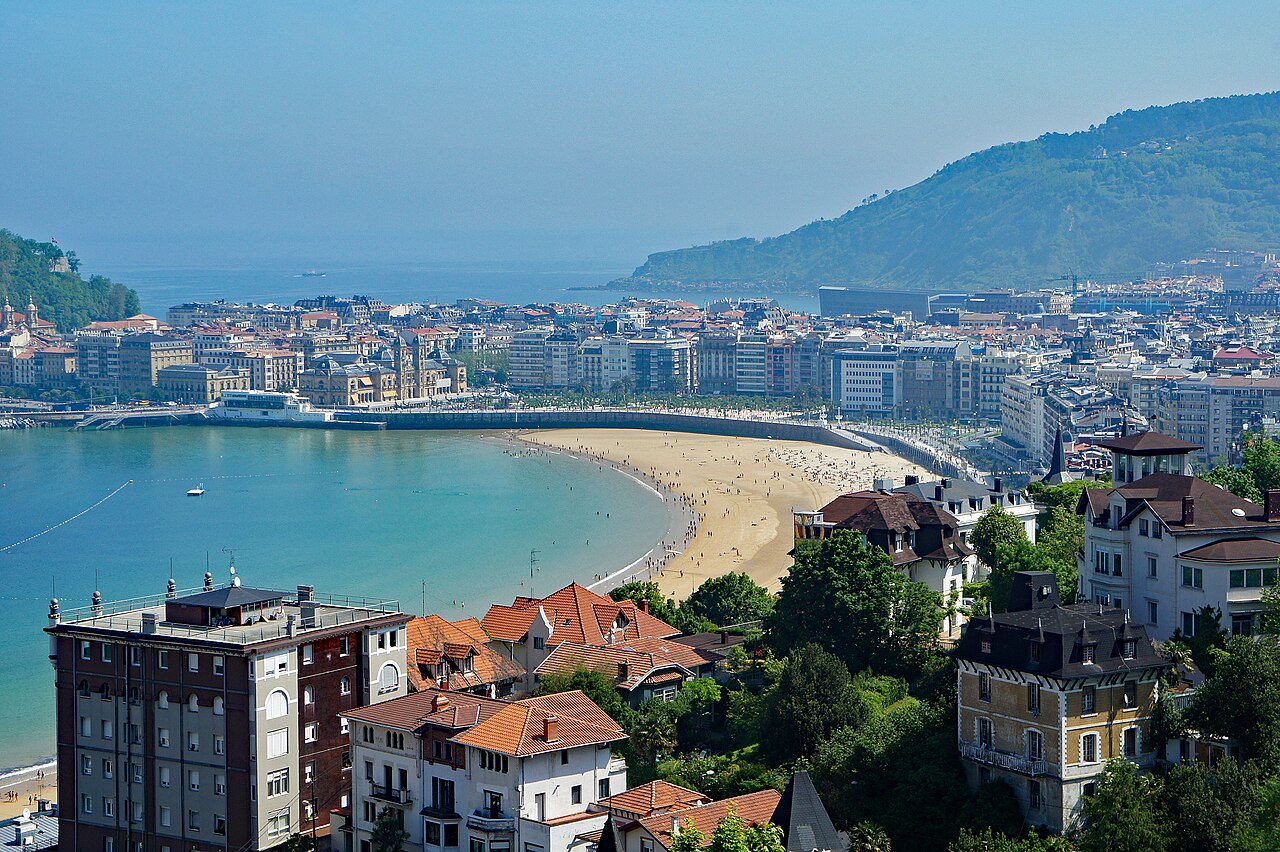
Enough for the Sagrada Familia, Park Güell, the Gothic Quarter, La Boqueria market, Barceloneta beach, and a stroll down La Rambla. Add Montjuïc or a day trip to Montserrat if you have a fourth day.
See our 4-day Barcelona itinerary for a day-by-day plan with costs and maps.
7 Days: Barcelona + Madrid (or Andalusia)
The most popular Spain trip splits between the two biggest cities. Three days in Barcelona, a morning AVE to Madrid, three days exploring the Prado, Retiro Park, Plaza Mayor, and a day trip to Toledo (30 minutes by train, a medieval walled city above the Tagus River).
Alternatively, swap Madrid for Andalusia: fly or train to Seville (2 days), then Granada (2 days) for the Alhambra and the Albaicín neighborhood.
See our 7-day Spain itinerary for the full route with budget breakdown.
10-14 Days: The Grand Spain Loop
With 10+ days, you can combine the highlights: Barcelona (3 days) → Madrid (2 days) → Seville (2 days) → Granada (2 days) → Valencia or San Sebastián (2 days). Add Córdoba as a stop between Seville and Granada (the Mezquita alone is worth a half-day).
For food lovers, 14 days lets you add San Sebastián and the Basque Country — arguably the best food city in Europe, with more Michelin stars per capita than anywhere else. See our Spain food and wine 7-day itinerary for a culinary-focused route.
Multi-city Spain trips are where an AI-generated itinerary helps most — it handles train schedules, hotel placement near stations, and pacing across regions.
Family Travel with Kids
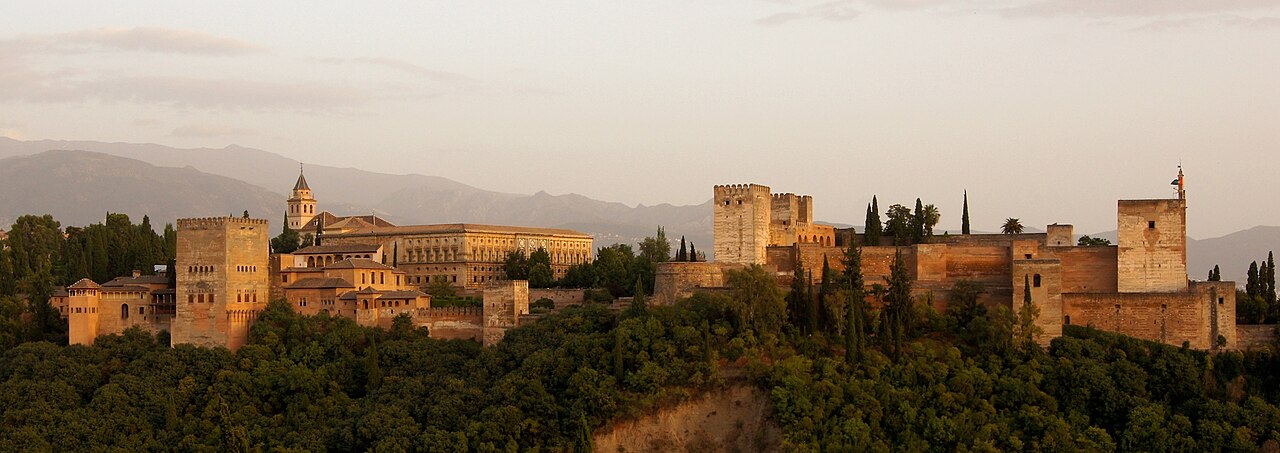
Spain is one of Europe's most family-friendly countries. Children are genuinely welcomed everywhere, dinners run late (8-9pm is normal, even for families), and the beaches are clean and calm. Budget +30-50% over the mid-range tier for a family of 4.
Theme parks:
| Park | Location | Tickets (adult/child) | Best for |
|---|---|---|---|
| PortAventura World | Salou (1h south of Barcelona) | ~€55/€47 | Ages 5+, thrill rides, Ferrari Land |
| Parque Warner | Madrid (30min south) | ~€40/€30 | Ages 4-12, DC/Looney Tunes themes |
| Isla Mágica | Seville | ~€34/€24 | Ages 3-10, water rides in summer |
| Tibidabo Amusement Park | Barcelona (hilltop) | ~€35/€14 | Ages 3-8, vintage charm, city views |
Book theme park tickets online for 10-20% discounts. PortAventura combo tickets (PortAventura + Ferrari Land) are available for 2-day visits.
Kid-friendly activities by city:
- Barcelona: Park Güell (mosaic playground feel), Barcelona Aquarium (walk-through shark tunnel), Barceloneta beach (shallow, lifeguarded), CosmoCaixa science museum (hands-on exhibits, planetarium), Tibidabo amusement park
- Madrid: Madrid Zoo Aquarium (pandas, dolphin shows), Retiro Park (rowboat rental on the lake, puppet shows on weekends), Parque de Atracciones, Museo Nacional de Ciencias Naturales
- Seville: Isla Mágica theme park, Guadalquivir river cruise, María Luisa Park (open space, Plaza de España tile alcoves to explore)
- Granada: Alhambra (older kids appreciate it, gardens are good for all ages), Science Park of Granada (interactive museum), Albaicín neighborhood exploration
- Beach towns: Costa Brava (Tossa de Mar, Lloret de Mar), Costa del Sol (Nerja, Marbella) — calm waters, shallow entry, chiringuitos (beach bars) with kids' menus
Family logistics:
- Spanish restaurants welcome children at all hours. High chairs are standard.
- Supermarkets (Mercadona, Carrefour Express) stock baby food, diapers, and formula at low prices.
- City buses and metros are stroller-accessible. AVE trains have space for strollers between cars.
- Many hotels offer family rooms or connecting rooms. Kids under 3 typically stay free.
What to Book Ahead (and What to Skip)
Book Ahead
- Sagrada Familia — Timed entry sells out 3-5 days ahead in peak season. Book at the official site. Tower access slots go even faster.
- Alhambra (Granada) — The most important booking in Spain. Nasrid Palaces slots sell out 2-4 weeks ahead, sometimes more in spring and fall. Book at the official Patronato de la Alhambra site the day tickets open.
- Park Güell — Timed entry required for the Monumental Zone (€10). Book 1-2 weeks ahead.
- AVE train tickets — Buy 60-90 days ahead for the best prices on Renfe.com. Promo fares are non-refundable but 60-70% cheaper.
- Flamenco shows — Top venues in Seville (Casa de la Memoria, Tablao El Arenal) and Madrid (Corral de la Morería) sell out on weekends. Book a few days ahead.
- Popular restaurants in San Sebastián — Pintxos bars are walk-in, but sit-down restaurants (Arzak, Mugaritz) need reservations months ahead.
Don't Bother Booking
- Tapas bars — Walk-in culture everywhere. Stand at the bar, point at what you want.
- Most museums — The Prado, Reina Sofía, and Picasso Museum Barcelona rarely sell out (except free-entry hours). Buy tickets at the door or same-day online.
- Cathedrals and churches — Pay at the door. Seville Cathedral can have a queue but moves quickly.
- Local transport — Buy metro cards at any station. No reservations needed.
Practical Tips
Visa and Entry
Spain is in the Schengen Area. US, UK, Canadian, and Australian passport holders can stay 90 days within any 180-day period without a visa.
ETIAS (coming soon): The EU's new travel authorization system will require non-EU visitors to register online before traveling (€7, valid 3 years). Check the latest status before booking — implementation has been delayed multiple times.
What you need at entry: Valid passport (must not expire within 3 months of departure from Schengen), return ticket, and proof of accommodation. Budget travelers may be asked to show sufficient funds (€100/day is the guideline).
Money
- Cards are widely accepted. Spain is mostly cashless in cities — contactless payments work almost everywhere, including small tapas bars and market stalls.
- Carry some cash for small rural businesses, some market vendors, and vending machines. ATMs (cajeros automáticos) are everywhere.
- Avoid currency exchange kiosks on La Rambla and tourist streets — terrible rates. Use ATMs instead.
- Tipping is not expected but appreciated. Locals might round up or leave €1-2 at a nice restaurant. 10% is generous.
Connectivity
- EU roaming — If you have a European SIM, your plan works in Spain at no extra charge.
- eSIM or prepaid SIM — Buy at the airport or any phone shop. Orange, Vodafone, and Movistar offer tourist SIMs with 10-20GB data for €15-25.
- Free WiFi is available at most hotels, cafés, and restaurants. Coverage is good.
Food Culture
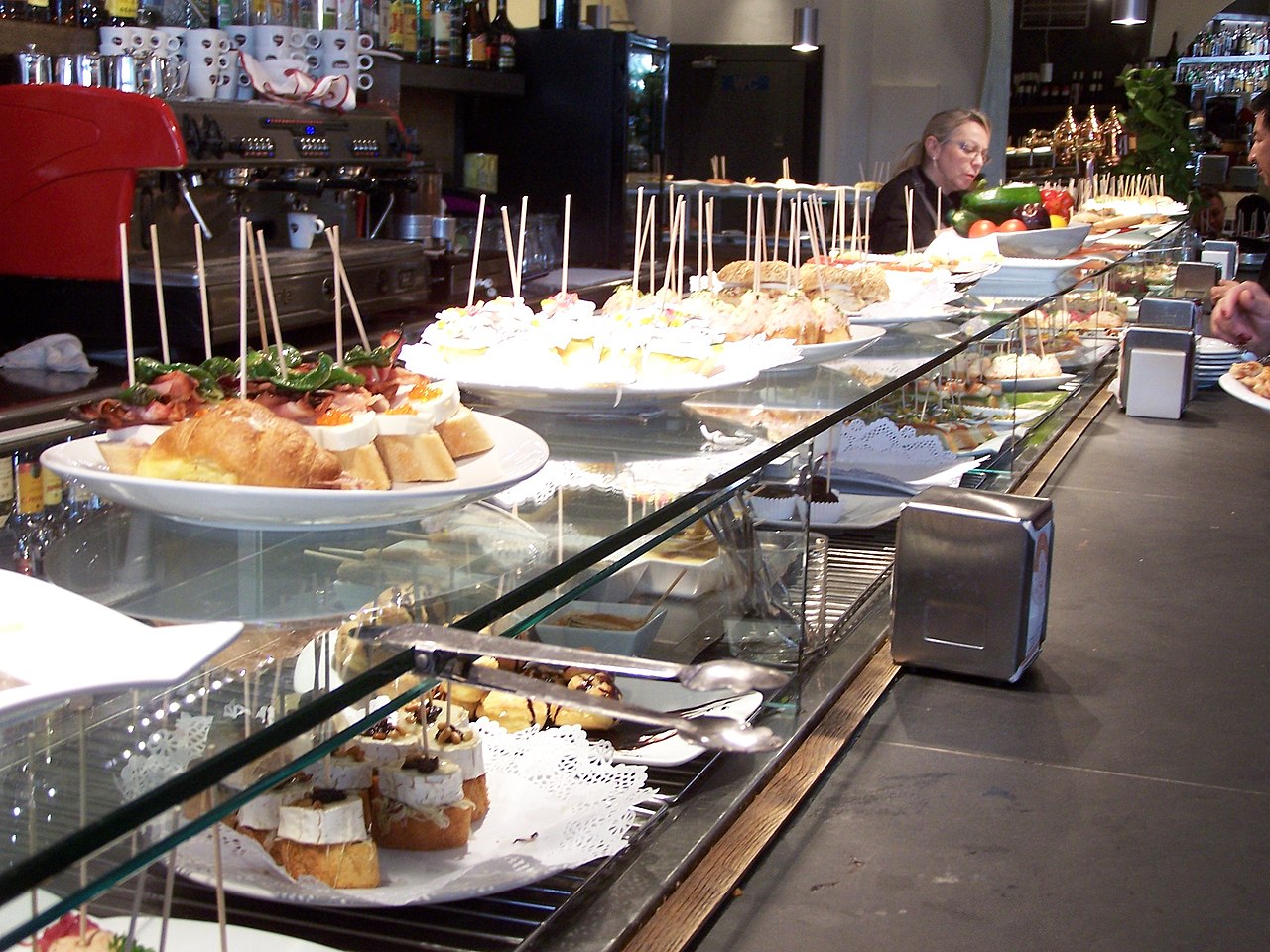
- Meal times are late. Lunch is 2-4pm, dinner is 9-11pm. Restaurants that open at 7pm for dinner cater to tourists.
- Menú del día is your best deal — a 3-course set lunch (appetizer, main, dessert, bread, drink) at most restaurants for €10-15. Available on weekdays.
- Free tapas are a real thing in Granada, Almería, Jaén, and parts of León. Order a drink, get a tapa free. One drink in Granada often comes with a substantial plate.
- Pintxos in the Basque Country are different from tapas — small bites on toothpicks lined up on the bar. Take what you want, they count the toothpicks. €2-4 per piece.
- Markets are great for cheap eating. La Boqueria (Barcelona), Mercado de San Miguel (Madrid), and Mercado de Triana (Seville) have fresh food stalls.
For a full food guide (must-try dishes by region, best neighborhoods, expected prices) and shopping guide, see our 7-day Spain itinerary — both guides are included in every itinerary we generate.
Getting From the Airport
- Barcelona El Prat (BCN): Aerobus to Plaça Catalunya (35 min, €7.75). Metro L9 Sud also connects but is slower.
- Madrid Barajas (MAD): Metro Line 8 to city center (40 min, €4.50-6). Express bus to Atocha station (40 min, €5, runs 24h). Taxi flat rate to center €33.
- Seville (SVQ): EA bus to Plaza de Armas (35 min, €4). Taxi to center €25-30 flat rate.
- Málaga (AGP): Cercanías train to Málaga Centro (12 min, €1.80). Bus to center (20 min, €3).
Common Mistakes
- Eating dinner at 7pm. The good restaurants are empty at 7pm because they cater to tourists at that hour. Eat like locals — lunch at 2pm, dinner at 9pm — and you'll eat better for less.
- Spending all your time on La Rambla. It's a tourist trap. Walk 2 blocks in any direction and Barcelona gets more interesting and cheaper. The Born, Gràcia, and Poble-sec neighborhoods are better for food and atmosphere.
- Not booking the Alhambra. This is the single most common regret. Nasrid Palaces tickets sell out weeks ahead. Don't assume you can buy at the door.
- Skipping siesta time. Many shops and smaller restaurants close 2-5pm. Plan museum visits or park time for the afternoon gap.
- Only visiting Barcelona and Madrid. Andalusia (Seville, Granada, Córdoba) is where Spain's history, architecture, and food culture are most concentrated. The south deserves at least 3-4 days.
More Destination Guides

- How to Plan a Trip to France — Paris, Provence, the Riviera, and beyond
- How to Plan a Trip to Italy — Rome, Florence, Venice, and the Amalfi Coast
- How to Plan a Trip to Greece — Athens, Santorini, Crete, and island-hopping
- How to Plan a Trip: The Complete Guide — step-by-step planning for any destination
Build Your Spain Itinerary
The fastest way to plan is to answer 8 questions about your trip and get a complete day-by-day itinerary with costs, maps, hotel recommendations, and a food guide. It takes about 60 seconds.
Or browse our ready-made Spain itineraries:
- 7-day Spain itinerary — Barcelona, Madrid & beyond
- 4-day Barcelona itinerary — first-timer's guide to Catalonia's capital
- Spain food and wine 7-day itinerary — a culinary tour through Spain's best regions
Written by
Mango
Photos from Wikimedia Commons, used under Creative Commons licenses
Popular Itineraries
Hand-crafted day-by-day travel plans
Japan
7-day itinerary
Tokyo, Kyoto & Osaka
Paris
5-day itinerary
Perfect for couples
Bali
7-day itinerary
Temples, rice fields & beaches
Italy
10-day itinerary
The Italian grand tour
Want More Travel Tips?
Browse our collection of travel guides, tips, and inspiration for your next adventure.