Greece delivers an unusual combination — world-class ancient history, some of Europe's best beaches, and food that's both cheap and excellent. The mainland has Athens and Meteora; the islands range from party-heavy Mykonos to quiet Milos. Planning mostly comes down to which islands to pick, how to get between them, and when to go. This guide covers all of it.
When to Go
Greece has a Mediterranean climate — hot dry summers, mild wet winters. Timing matters more for the islands than the mainland:
| Season | Months | What to expect |
|---|---|---|
| Shoulder (spring) | May – mid June | Warm (22-28°C), wildflowers blooming, beaches uncrowded, lower prices. Best overall. |
| Peak summer | July – August | Hot (35°C+), packed islands, highest prices. Ferries and hotels sell out. Meltemi winds can disrupt schedules. |
| Shoulder (fall) | September – October | Still warm (25-30°C), sea is warmest for swimming, crowds thin out. Excellent value. |
| Winter | November – March | Mild on mainland (10-15°C), but most island restaurants and hotels close. Athens and Meteora are uncrowded and cheap. |
| Easter week | Varies (April-May) | Greek Orthodox Easter is the biggest cultural event. Beautiful traditions, but domestic tourism surges. Book ahead. |
Our recommendation: Late May to mid-June or September. You get warm swimming weather, open restaurants, and prices 30-40% below peak summer. See our weather-smart travel planning guide for more on shoulder-season timing.
How Much Greece Costs (Realistic Daily Budget)
Greece is one of Western Europe's best values, but island prices vary wildly. Santorini and Mykonos cost 50-100% more than Naxos, Paros, or the mainland.
Budget: €50-80/day
- Sleep: Hostels (€15-25) or basic guesthouses/domatia (€30-50 for a double)
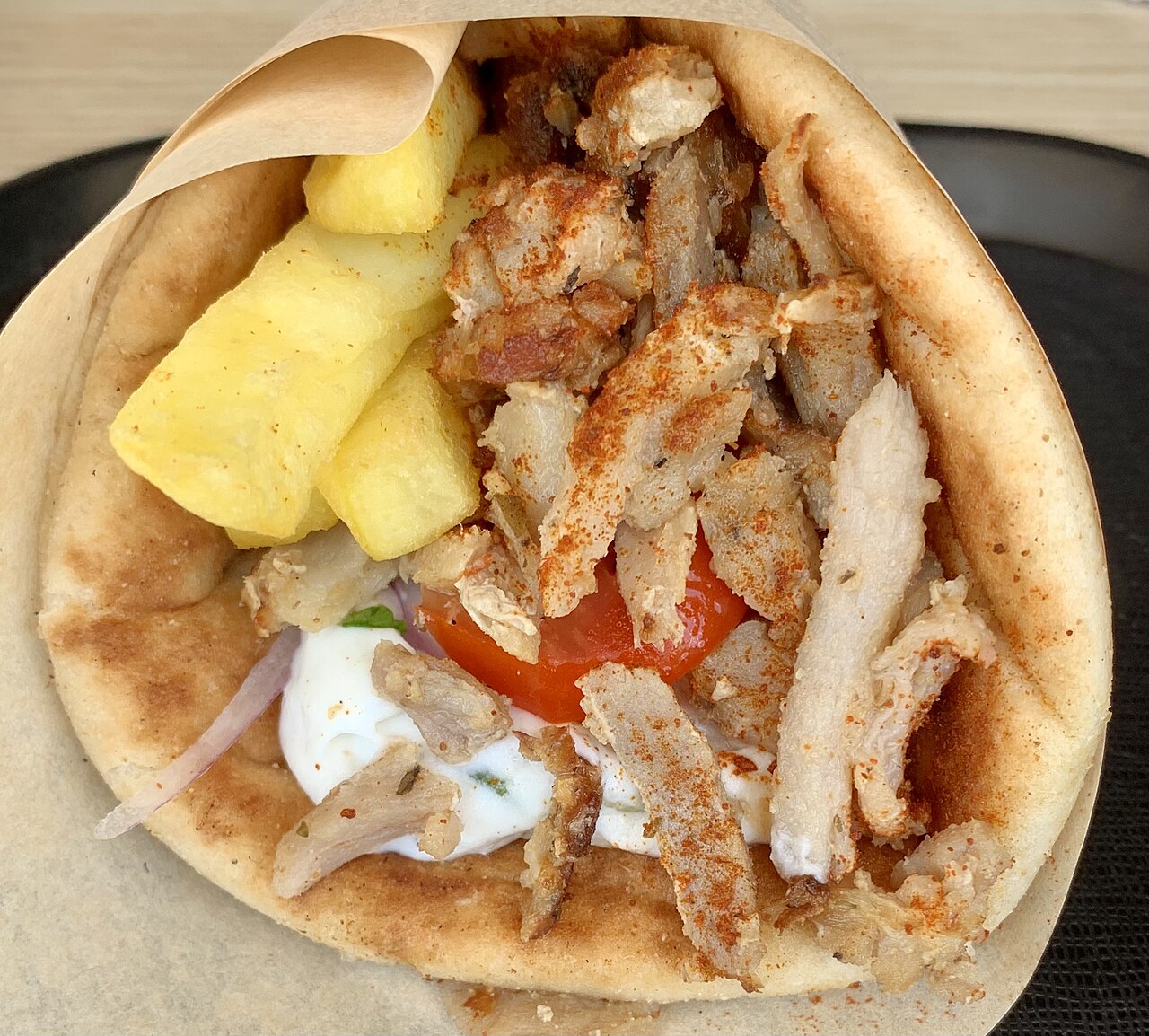
- Eat: Gyros or souvlaki wrap (€3-4), bakery pastries for breakfast (€2-3), taverna meal (€8-12)
- Get around: Public ferries (deck class), local buses, walking
- Do: Free archaeological sites on certain days, beaches (free everywhere), village wandering
Mid-range: €120-200/day
- Sleep: Boutique hotels or Airbnb with a view (€70-130)
- Eat: Taverna lunches and dinners (€12-20 per meal), fresh seafood by the port (€15-25)
- Get around: High-speed ferries, occasional domestic flight, rental car on larger islands
- Do: Archaeological sites with tickets (€10-20), boat tours (€40-80), cooking classes (€50-70)
Luxury: €300+/day
- Sleep: Caldera-view suites in Santorini (€300-800), Mykonos beach resorts
- Eat: Upscale seafood restaurants, private dining, wine tasting tours
- Get around: Private transfers, catamaran charters
- Do: Private sailing, helicopter transfers between islands, exclusive tours
The big variable is which islands you pick. Athens, Crete, Naxos, and Rhodes are genuinely affordable. Santorini and Mykonos inflate every line item by 50-100%.
You can generate a Greece itinerary with your specific budget and see the full cost breakdown before you go.
How to Get Around Greece
Between Islands: Ferries
Ferries are the backbone of Greek island travel. Two main types:
| Type | Speed | Cost (Athens-Santorini) | Comfort |
|---|---|---|---|
| Conventional ferry | 7-8 hours | €30-40 | Slow but cheap. Deck seating, cafeteria, views. |
| High-speed ferry | 4-5 hours | €55-75 | Faster but pricier. Book ahead in summer — they're smaller and sell out first. |
Key routes and times from Piraeus (Athens port):
| Route | Fast ferry | Conventional |
|---|---|---|
| Athens → Santorini | ~5h | ~8h |
| Athens → Mykonos | ~4.5h | ~7h |
| Athens → Naxos | ~3.5h | ~6h |
| Athens → Crete (Heraklion) | ~4.5h | ~9h (overnight available) |
| Santorini → Mykonos | ~2.5h | ~4h |
Booking tip: Use FerryHopper or DirectFerries to compare schedules. In July-August, book popular routes 2-4 weeks ahead. In shoulder season, a few days is fine. Morning ferries are less affected by afternoon Meltemi winds.
Domestic Flights
For longer distances (Athens to Crete, Athens to Rhodes), flights on Aegean Airlines or Sky Express take 45-60 minutes and cost €40-80 if booked ahead. Beats an 8-hour ferry.
Within Athens: Metro
Athens has a clean, efficient metro system (3 lines). A single trip costs €1.20, a 5-day tourist pass is €8.20. The metro connects the airport to the city center in 40 minutes (€9). You won't need a car or taxi for anything in central Athens.
On the Islands
- Small islands (Santorini, Mykonos, Paros): Local buses, ATV rentals (€20-30/day), or scooters. Taxis exist but are scarce.
- Large islands (Crete, Rhodes): Rent a car (€30-50/day). Public buses connect main towns but miss interior villages and remote beaches.
Sample Itineraries
3-4 Days: Santorini Focus

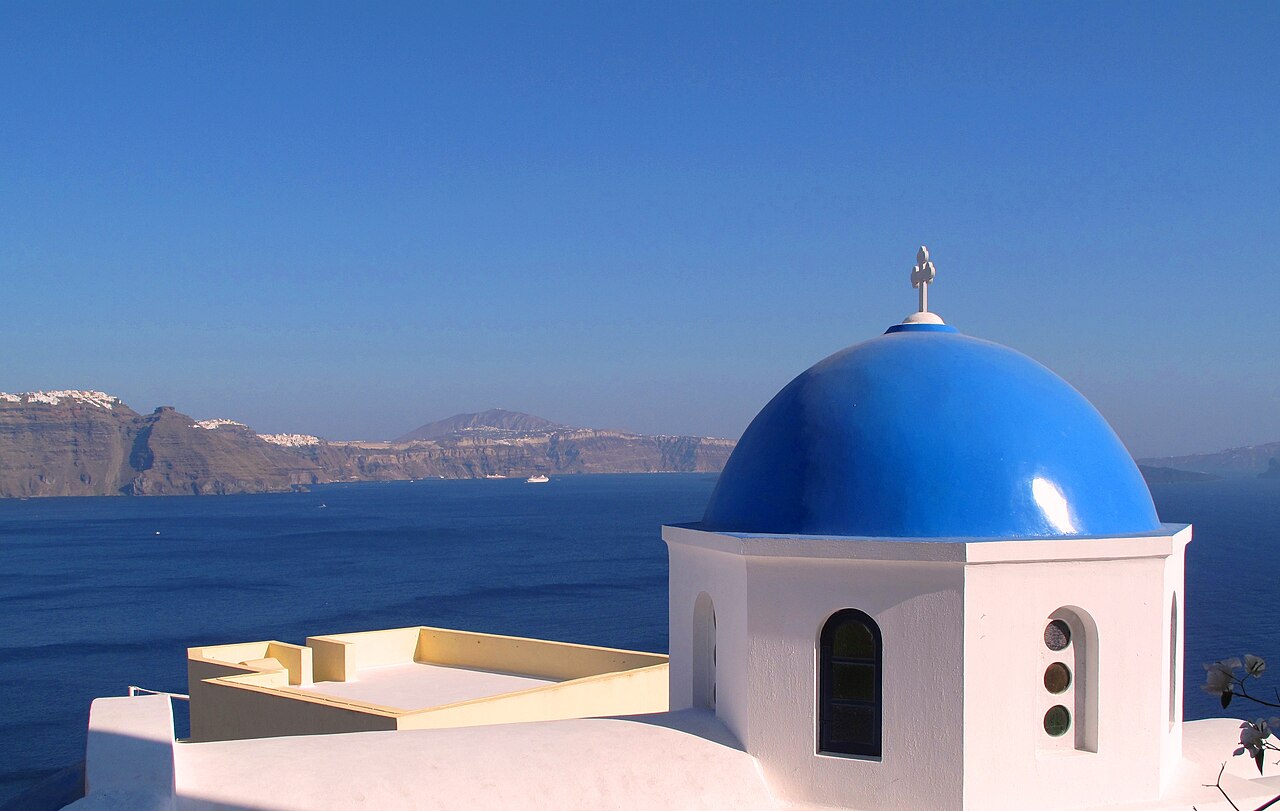
Fly into Santorini (or ferry from Athens). Spend time in Oia (sunset, caldera walk), Fira (restaurants, nightlife), and the less-touristy south coast — Red Beach and Perissa black sand beach. Add a catamaran cruise to the volcanic hot springs. Four days gives enough time to see the island without rushing.
See our 4-day Santorini itinerary for a day-by-day plan with costs and maps.
7 Days: Athens + Islands
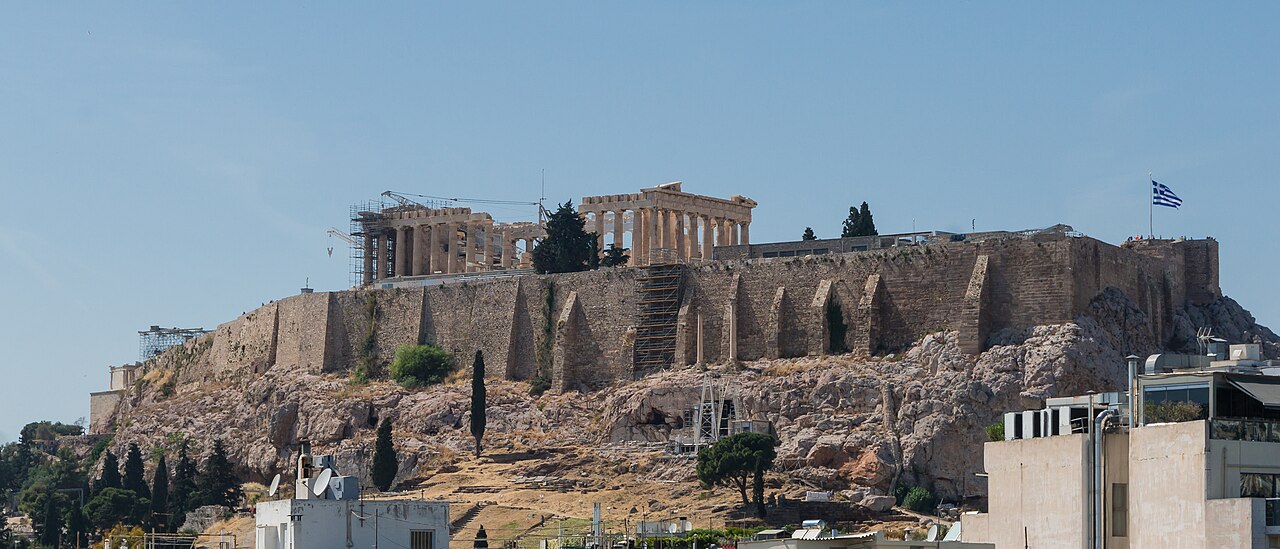
The most popular first-time Greece trip. Two days in Athens (Acropolis, Plaka, National Archaeological Museum, Monastiraki flea market), then ferry to two islands — Santorini and Mykonos is the classic combo, or swap Mykonos for the quieter Naxos if you prefer beaches over nightlife.
This is the sweet spot for a first visit. See our 7-day Greece itinerary for the full route with budget breakdown.
10-14 Days: Deep Dive
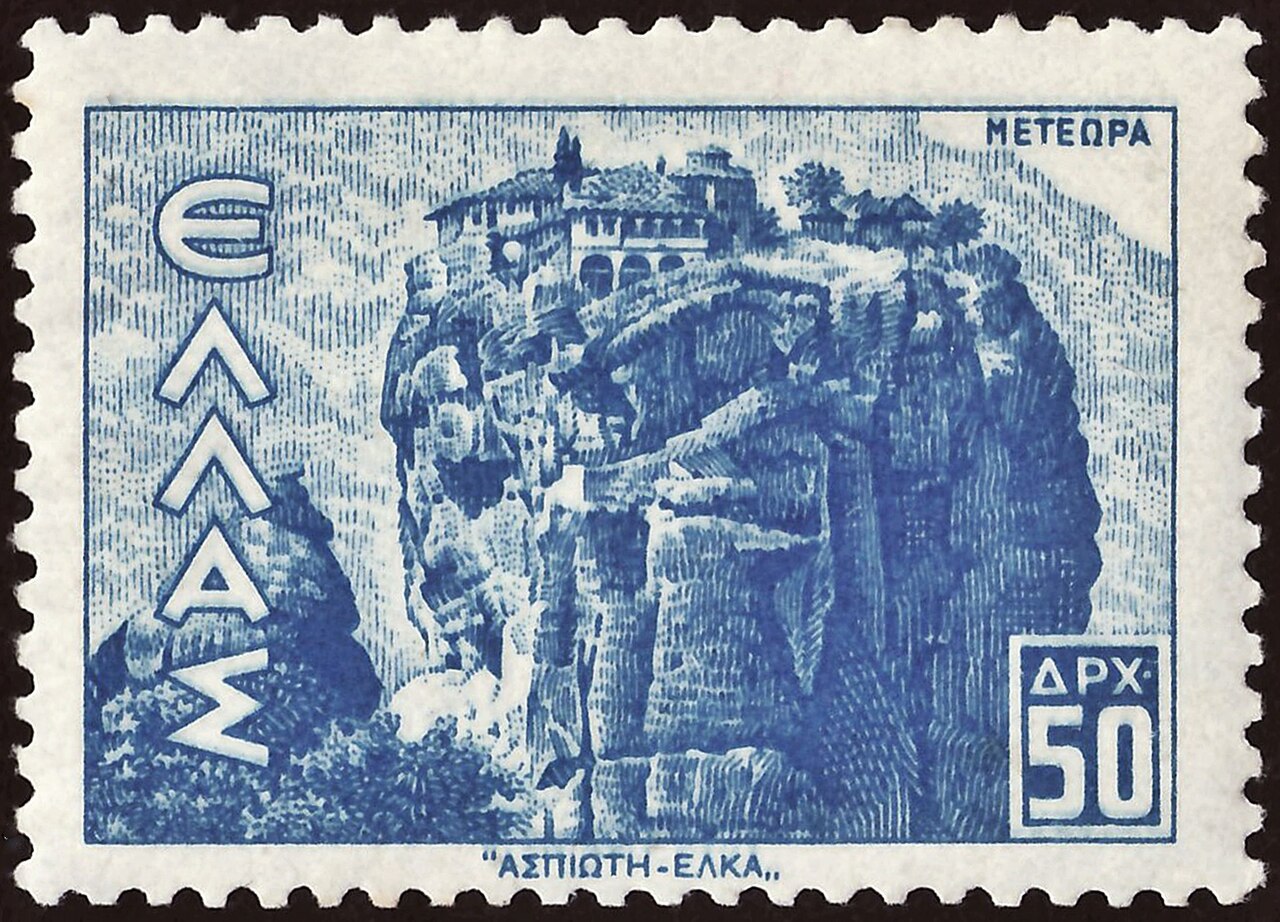
With 10+ days, you can add Crete (Chania old town, Samaria Gorge, Elafonissi beach — 3 days minimum), Meteora on the mainland (floating monasteries — 1-2 days), or the Peloponnese (Nafplio, ancient Olympia, Epidaurus theater). Crete alone deserves a week if you have the time.
Multi-island Greece trips are where an AI-generated itinerary helps most — it handles ferry schedules, overnight logistics, and pacing across islands.
Family Travel with Kids
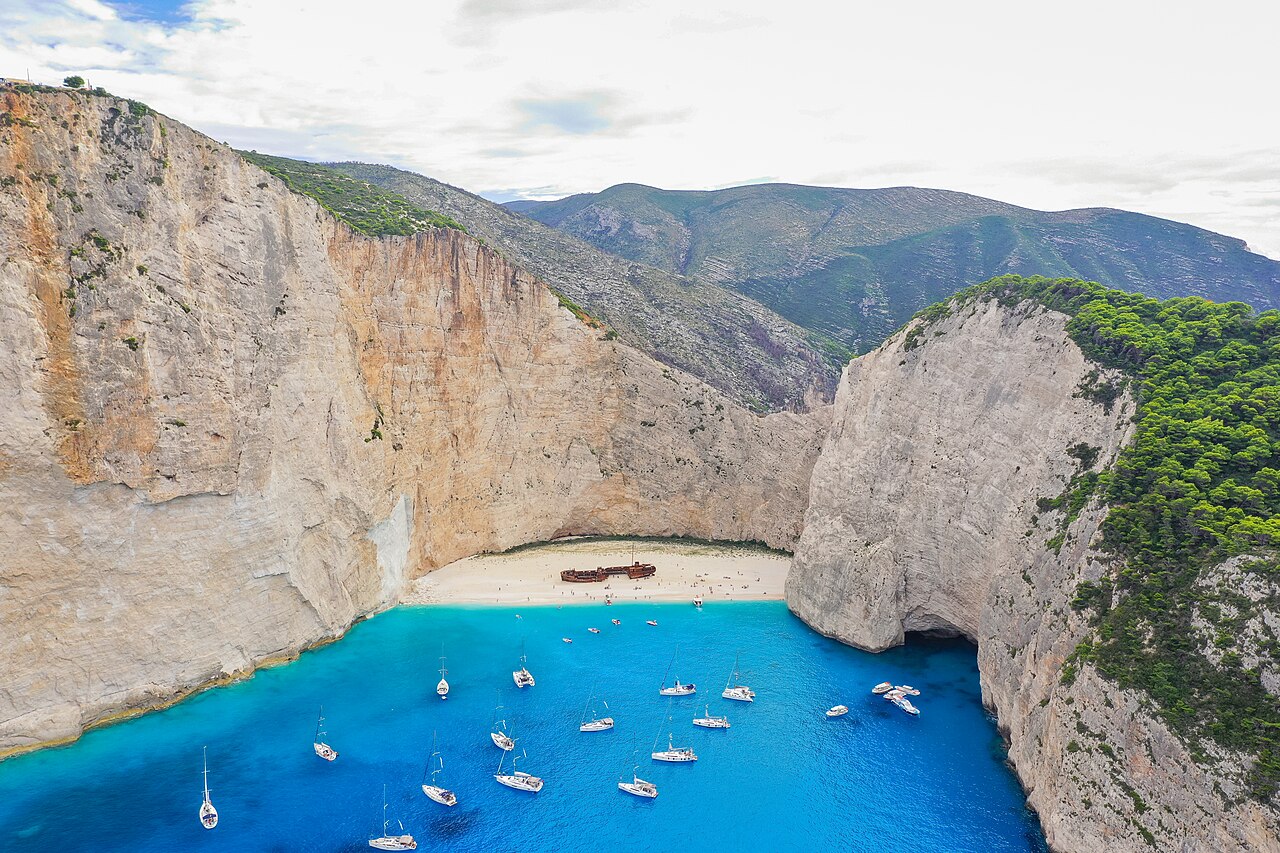
Greece is naturally family-friendly — the pace is slow, tavernas welcome kids, and most beaches have calm, shallow water. Budget +30-50% over the mid-range tier for a family of 4 (larger rooms and extra ferry tickets are the main added costs).
Best family islands:
| Island | Why it works for families | Top pick |
|---|---|---|
| Crete | Largest island, most infrastructure, shallow beaches, waterparks | Elafonissi beach (pink sand, ankle-deep lagoon) |
| Rhodes | Medieval Old Town (kids love the castle), calm east-coast beaches | Faliraki waterpark + Lindos beach |
| Naxos | Long sandy beaches with shallow water, relaxed pace, affordable | Agios Prokopios beach |
| Corfu | Green and shaded (less harsh sun), Sidari canal beaches, Aqualand waterpark | Canal d'Amour beach |
Kid-friendly activities by area:
- Athens: Acropolis (history comes alive for school-age kids — bring the Percy Jackson connection), Hellenic Children's Museum, National Garden playground, changing of the guard at Syntagma Square (every hour on the hour)
- Crete: CRETAquarium (one of the Mediterranean's best marine aquariums), Dinosauria Park (animatronic dinosaurs), Acqua Plus waterpark, boat trips along the coast
- Santorini: Donkey rides in Fira (short ride for small kids), boat trip to volcanic island, black sand beaches at Perissa and Kamari
- Rhodes: Palace of the Grand Master (medieval castle), Valley of the Butterflies (June-September), Faliraki waterpark
Family logistics:
- Greek tavernas almost always have high chairs and are relaxed about kids. Dinner happens late (8-9 PM) — Greeks bring their kids.
- Beaches are free everywhere. Sunbed rentals (€5-10 per pair) are optional. Many beaches have shallow water extending far out — ideal for toddlers.
- Ferries have indoor seating, cafeterias, and usually an outdoor deck. Kids handle the ride well but bring snacks and entertainment for longer crossings.
- Renting a car on Crete or Rhodes gives freedom to reach family-friendly beaches that buses miss.
What to Book Ahead (and What to Skip)
Book Ahead
- Summer ferries (July-August) — Popular routes sell out, especially high-speed boats. Book 2-4 weeks ahead.
- Santorini caldera-view hotels — Limited supply, high demand. Book 2-3 months ahead for summer.
- Acropolis tickets — Timed entry slots can fill up in summer. Buy online at the official site to skip the ticket line.
- Catamaran/sailing tours — Sunset cruises in Santorini and Mykonos sell out in summer. Book 1-2 weeks ahead.
- Car rentals on islands — Crete and Rhodes have limited stock in peak season. Book before you arrive.
- Meteora monastery visits — Open hours are staggered (different monasteries close on different days). Check the schedule and plan which day to visit.
Don't Bother Booking
- Restaurants — Walk-in culture everywhere. Even popular tavernas just have a wait.
- Beaches — All public, all free. Sunbeds are first-come-first-served.
- Most museums — Buy tickets at the door or online the day before. Exception: Acropolis in peak summer.
- Local buses — Pay on board, no reservations.
- Shoulder season accommodation — Outside July-August, you can book a few days ahead and often find better prices on arrival.
Practical Tips
Visa and Entry
EU/Schengen area. US, UK, Canadian, and Australian passport holders get 90 days visa-free within any 180-day period (this covers all Schengen countries combined, not just Greece). No advance visa needed.
From 2025: Non-EU travelers need to register with ETIAS (European Travel Information and Authorization System) before travel. It's a simple online form (€7, valid 3 years). Check current status at etias.com before your trip.
Money
- Euro (€) is the currency. No currency conversion needed if coming from another eurozone country.
- Cards are widely accepted in cities and tourist islands. Visa and Mastercard work everywhere. American Express is less common.
- Carry cash for: Small tavernas on less-touristy islands, beach vendors, village kiosks, bus fares. ATMs are available on all inhabited islands.
- Tipping: Not mandatory but appreciated. Round up the bill or leave 5-10% for good service at restaurants. Leave €1-2 at cafes.
Connectivity
- EU roaming: If you have an EU SIM card, it works in Greece at no extra cost.
- Non-EU visitors: Buy a local SIM at the airport or any kiosk (Cosmote or Vodafone, €10-20 for data). eSIMs from Airalo or Holafly work well.
- WiFi: Available at almost all hotels and most cafes. Generally reliable in towns, weaker at remote beaches.
Food
- Taverna basics: Bread and water arrive automatically (small cover charge of €0.50-1 per person). This is normal, not a scam.
- Best value meals: Gyros/souvlaki wraps (€3-4), Greek salad (€5-7), moussaka (€7-10), grilled fish priced by the kilo (ask the price before ordering).
- Seafood tip: Restaurants by the port are often tourist traps. Walk one block inland for better prices and quality.
- Breakfast: Greeks don't do big breakfasts. Bakeries (fournos) sell tiropita (cheese pie, €2) and spanakopita (spinach pie, €2) — cheap and filling.
- Dinner timing: Greeks eat dinner at 9-10 PM. Restaurants open earlier for tourists (7 PM) but the atmosphere is better later.
For a full food guide (must-try dishes with prices, best neighborhoods for each cuisine) and shopping guide, see our 7-day Greece itinerary — both guides are included in every itinerary we generate.
Getting From the Airport
- Athens Airport (ATH): Metro Line 3 to Syntagma (40 min, €9). Bus X95 to Syntagma (60 min, €5.50). Taxi to city center (€40 fixed rate, €55 midnight-5 AM).
- Santorini Airport (JTR): No public bus to Fira/Oia from airport. Taxi (€20-30) or prebooked transfer. The airport is small and close to Fira (10 min drive).
- Heraklion Airport (HER): Bus to city center (€1.20, 15 min). Taxi (€10-15). For west Crete (Chania), consider flying into Chania Airport (CHQ) instead.
Common Mistakes
- Only visiting Santorini and Mykonos. They're beautiful but expensive and crowded. Naxos, Paros, Milos, and Crete offer better beaches, better food, and half the price.
- Underestimating ferry times. Athens to Santorini is 5-8 hours depending on the ferry. Don't plan a ferry and an activity on the same day.
- Not checking the Meltemi wind forecast. Summer afternoon winds can delay or cancel ferries, especially in August. Build buffer days into island-hopping plans.
- Skipping Athens. Many travelers treat Athens as just a layover. The Acropolis, Plaka neighborhood, and food scene deserve at least 2 full days.
- Ordering seafood without checking prices. Fish is often priced per kilo, not per plate. Always ask before ordering to avoid a €50 surprise.
- Driving in Santorini in peak summer. Parking is nonexistent, roads are narrow, and buses/ATVs work fine. Save the rental car for Crete or Rhodes.
More Destination Guides

- How to Plan a Trip to Italy — Rome, Florence, Venice, and the Amalfi Coast
- How to Plan a Trip to Spain — Barcelona, Madrid, and Andalusia
- How to Plan a Trip to Iceland — Northern Lights, waterfalls, and the Ring Road
- How to Plan a Trip: The Complete Guide — step-by-step planning for any destination
Build Your Greece Itinerary
The fastest way to plan is to answer 8 questions about your trip and get a complete day-by-day itinerary with costs, maps, hotel recommendations, and a food guide. It takes about 60 seconds.
Or browse our ready-made Greece itineraries:
- 7-day Greece itinerary — Athens and the islands
- 4-day Santorini itinerary — caldera views, beaches, and sunsets
Written by
Mango
Photos from Wikimedia Commons, used under Creative Commons licenses
Popular Itineraries
Hand-crafted day-by-day travel plans
Japan
7-day itinerary
Tokyo, Kyoto & Osaka
Paris
5-day itinerary
Perfect for couples
Bali
7-day itinerary
Temples, rice fields & beaches
Italy
10-day itinerary
The Italian grand tour
Want More Travel Tips?
Browse our collection of travel guides, tips, and inspiration for your next adventure.