Three days in Tokyo is enough to cover the city's three distinct sides — the neon-lit youth culture of west Tokyo, the traditional temples and otaku hubs of the east, and the sleek modernity of the central bay area. This guide breaks it down day by day with realistic costs, food picks, and transit tips.
Is 3 Days Enough for Tokyo?
Yes — if you organize by neighborhood instead of bouncing across the city. Tokyo is massive, but its distinct districts cluster together geographically. Three days lets you spend each day in one part of the city without wasting hours on trains.
You won't cover everything (nobody does, even locals), but you'll experience the range — from Harajuku street fashion to centuries-old temples to bleeding-edge digital art. If you want to go deeper into any single area, check our full Japan planning guide for how to extend to 7-14 days.
Day-by-Day Itinerary
Day 1: Youth Culture & Neon Lights (West Tokyo)
Neighborhoods: Shibuya, Harajuku, Shinjuku
Start in Harajuku in the morning. Walk Takeshita Street for the sensory overload of crepe shops, vintage stores, and fashion that defies description. Then duck into Meiji Shrine — it's a 5-minute walk from the chaos but feels like a different world. The forested path leading to the shrine is free and worth 30-40 minutes.
After lunch, walk south to Shibuya. Cross the famous Shibuya Scramble Crossing (best viewed from the Starbucks above or the Shibuya Sky observation deck, ~$15). Explore Center-gai and the backstreets.
In the evening, take the train to Shinjuku (one stop). Hit Kabukicho for neon sensory overload, then find an izakaya in the narrow alleys of Golden Gai or Omoide Yokocho (Memory Lane) for yakitori and beer.
Where to eat:
- Lunch: Harajuku gyoza — Harajuku Gyoza Lou has a line but it moves fast (~$8)
- Dinner: Omoide Yokocho in Shinjuku — tiny yakitori stalls, most dishes $3-6
Day 1 cost: $40-70 (food + transport + Shibuya Sky if you go)
Day 2: Old Tokyo & Otaku Culture (East Tokyo)
Neighborhoods: Asakusa, Ueno, Akihabara
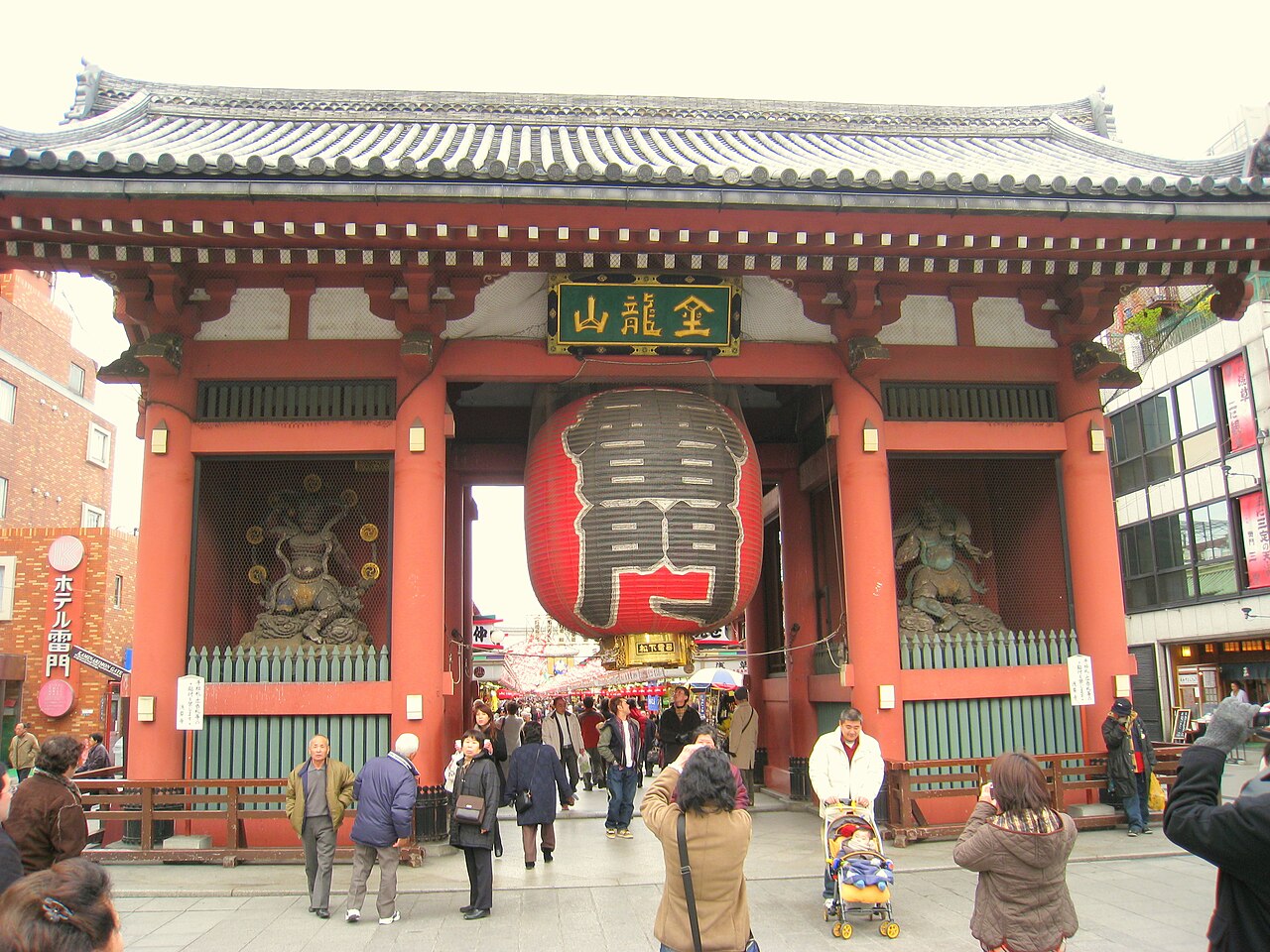
Start early at Sensō-ji in Asakusa — Tokyo's oldest temple. Arrive before 9am to avoid crowds. Walk through Nakamise-dori (the shopping street leading to the temple) for souvenirs and snacks. The temple grounds are free.
From Asakusa, walk or take a short train to Ueno. Ueno Park has the Tokyo National Museum ($6), Ueno Zoo ($5), and several other museums. Pick one or just walk the park — it's one of Tokyo's best green spaces.
After lunch, head to Akihabara (10 minutes by train). This is Tokyo's electronics and anime district. Even if you're not into manga, the multi-story arcades and retro game shops are worth an hour. Try a game or two at a crane machine arcade — it's a $1-2 cultural experience.
Where to eat:
- Breakfast: Melon pan (melon bread) from a street vendor in Asakusa (~$2)
- Lunch: Ueno's Ameyoko market — street food stalls with yakitori, takoyaki, and fresh fruit ($5-10)
- Dinner: A ramen shop in Akihabara. Fuunji (tsukemen style) in nearby Shinjuku is one of the city's best (~$9)
Day 2 cost: $30-60 (food + transport + one museum)
Day 3: Modern Art & High-End Tokyo (Central/Bay Area)
Neighborhoods: Ginza, Tsukiji, Toyosu/Odaiba
Start at Tsukiji Outer Market for a seafood breakfast. The inner wholesale market moved to Toyosu, but the outer market is still packed with stalls selling fresh sushi, tamago (egg omelette), and grilled seafood skewers. Budget $10-20 for a breakfast that'll be the best meal of your trip.
Walk to Ginza — Tokyo's upscale shopping district. Window-shop the flagship stores (Uniqlo's 12-floor flagship is worth a look even if you don't buy), browse the Itoya stationery store, or visit the free Ginza Sony Park.
In the afternoon, head to teamLab Borderless (relocated to Azabudai Hills) or teamLab Planets in Toyosu. These immersive digital art installations are Tokyo's most popular modern attraction. Tickets are ~$25 and you should book online at least a week ahead. Plan for 1.5-2 hours inside.
Where to eat:
- Breakfast: Tsukiji Outer Market — sushi sets from $10, individual pieces $2-5
- Lunch: A department store basement (depachika) in Ginza. These food halls have prepared meals from $8-15 that rival restaurant quality.
- Dinner: Splurge on conveyor belt sushi at Genki Sushi or Sushiro ($15-25 per person) or go all out at a standing sushi bar in Ginza ($30-50)
Day 3 cost: $60-100 (food + transport + teamLab)
How Much 3 Days in Tokyo Costs
Excluding flights and pre-trip costs (eSIM, travel insurance):
| Category | Budget | Mid-Range | Luxury |
|---|---|---|---|
| Accommodation (3 nights) | $75-120 (hostel/capsule) | $180-300 (business hotel) | $450-900 (boutique/luxury) |
| Food (3 days) | $60-90 | $100-160 | $200-400 |
| Transport (IC card) | $15-25 | $20-30 | $30-50 (+ taxi) |
| Activities | $0-30 | $40-80 | $100-200 |
| Total | $150-265 | $340-570 | $780-1,550 |
The $500-800 range covers a comfortable mid-range trip: a clean business hotel in Shinjuku, sit-down meals twice a day, IC card transit, and 2-3 paid attractions.
You can generate an itinerary with your exact budget to see a personalized cost breakdown.
Getting Around Tokyo
Buy an IC card (Suica or Pasmo) at any train station or airport. Load it with yen and tap on/off at train gates. It works on every metro line, JR local line, and bus in the city. Most convenience stores accept it too.
You do not need a JR Pass for a Tokyo-only trip. The JR Pass covers intercity bullet trains — within Tokyo, your IC card on the metro costs $1.50-3 per ride. Budget $5-10/day for transport.
Walking is underrated. Many of Tokyo's best neighborhoods (Harajuku to Shibuya, Tsukiji to Ginza, Asakusa temple area) are walkable within 15-20 minutes. You'll see more on foot than from a train window.
Taxis are clean and safe but expensive (~$7 base fare). Use them late at night when trains stop running (around midnight). The first trains start again at 5am.
Where to Stay
| Area | Best for | Price range (per night) | Why |
|---|---|---|---|
| Shinjuku | First-timers, transit access | $50-150 | Major hub. Direct Narita Express line. Surrounded by food and nightlife. |
| Shibuya | Younger travelers, nightlife | $50-140 | Trendy, walkable to Harajuku. Slightly less convenient for east Tokyo. |
| Asakusa | Budget travelers, traditional vibe | $25-80 | Cheapest hostels, near Sensō-ji. Quieter at night. 20 min to Shinjuku by train. |
Tip: Shinjuku is the best default. It's centrally located, and the Shinjuku station connects to almost every train line in the city.
What to Book Ahead vs. Skip
Book Ahead
- teamLab Borderless or Planets — sells out 1-2 weeks ahead, especially weekends
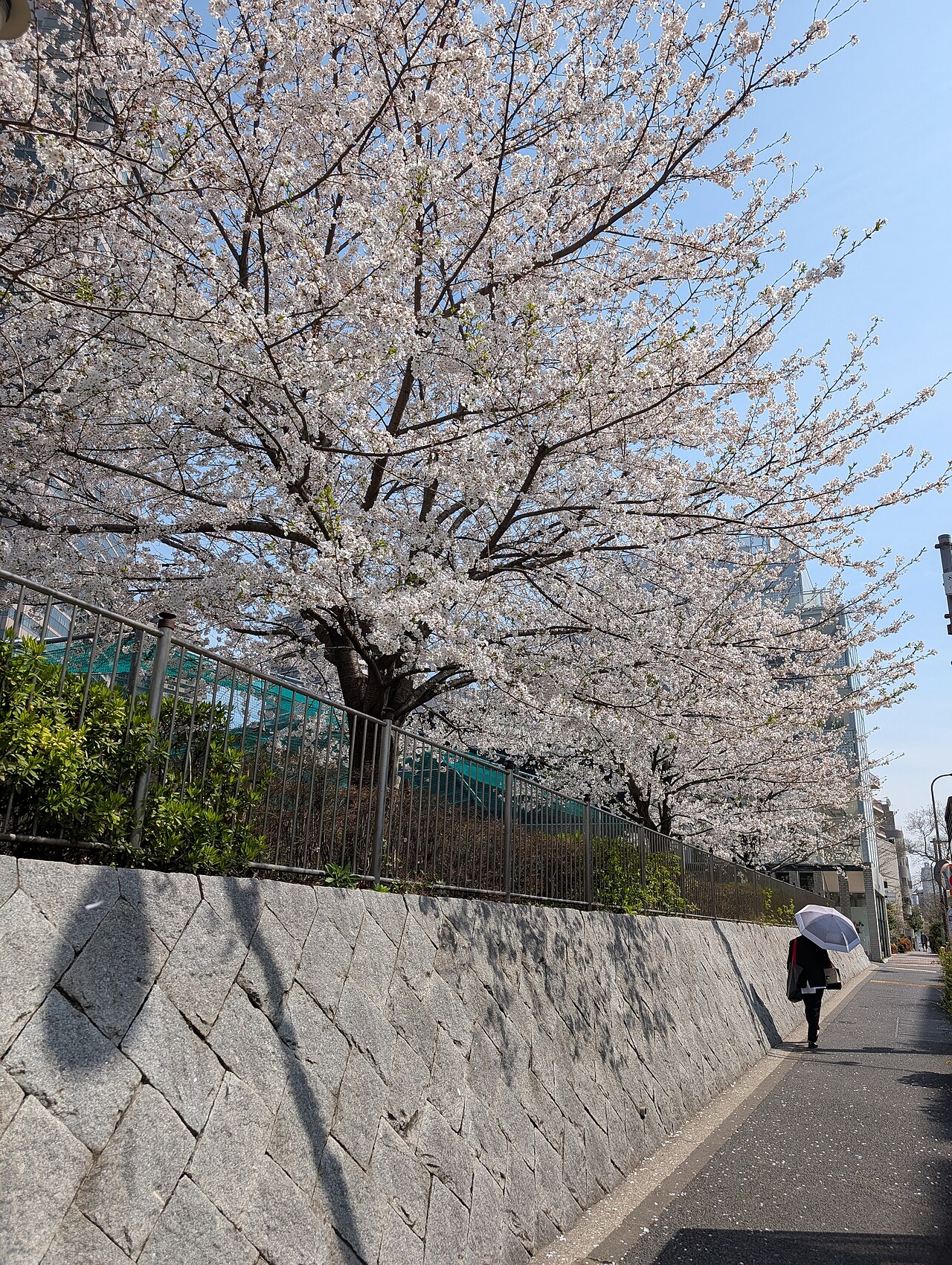
- Hotel in Shinjuku/Shibuya — 2+ weeks ahead, 2-3 months ahead during cherry blossom season (late March-April)
- Airport transfer — not required, but having your IC card or Narita Express ticket sorted saves confusion on arrival
Skip Booking
- Restaurants — walk-in culture in Tokyo. Even popular ramen shops just have a line, not a reservation system
- Temples and shrines — free or pay at the door
- Neighborhoods and markets — Tsukiji, Akihabara, Harajuku are all show-up-and-explore
- Cooking classes or tea ceremonies — can usually book 2-3 days ahead, not weeks
Common Mistakes
- Bouncing across the city randomly. Tokyo is huge. If you visit Asakusa, then Shibuya, then Akihabara, then Shinjuku in one day, you'll spend half your time underground on trains. Group by neighborhood.
- Skipping convenience store food. 7-Eleven and Lawson in Japan are nothing like their Western counterparts. Onigiri ($1.50), egg sandwiches ($2), and hot nikuman ($1.50) are genuinely good meals. Budget travelers can eat well for $15/day.
- Not carrying cash. Many small ramen shops, izakayas, and vending machines are cash-only. Withdraw yen at any 7-Eleven ATM — they reliably accept foreign cards.
- Buying a JR Pass. For a 3-day Tokyo trip, the JR Pass is a waste of money. It's designed for intercity bullet train travel. An IC card costs $5-10/day and covers everything in the city.
Build Your Tokyo Itinerary
The fastest way to plan is to answer 8 questions about your trip and get a complete day-by-day Tokyo itinerary with costs, maps, restaurant recommendations, and a food guide. Takes about 60 seconds.
Or see our ready-made 3-day Tokyo itinerary with full cost breakdowns, neighborhood maps, and hotel picks.
For a broader Japan trip covering Tokyo, Kyoto, and Osaka, see our full Japan planning guide.
More Destination Guides
- How to Plan a Trip to Japan — Tokyo, Kyoto, Osaka, and the JR Pass
- Guilin & Yangshuo Travel Guide — Li River, rice terraces, and karst mountains
- Shanghai Travel Guide — the Bund, French Concession, and Pudong
- Best Free AI Travel Planners (2026) — 7 tools compared side by side
Written by
Mango
Photos from Wikimedia Commons, used under Creative Commons licenses
Popular Itineraries
Hand-crafted day-by-day travel plans
Japan
7-day itinerary
Tokyo, Kyoto & Osaka
Paris
5-day itinerary
Perfect for couples
Bali
7-day itinerary
Temples, rice fields & beaches
Italy
10-day itinerary
The Italian grand tour
Want More Travel Tips?
Browse our collection of travel guides, tips, and inspiration for your next adventure.