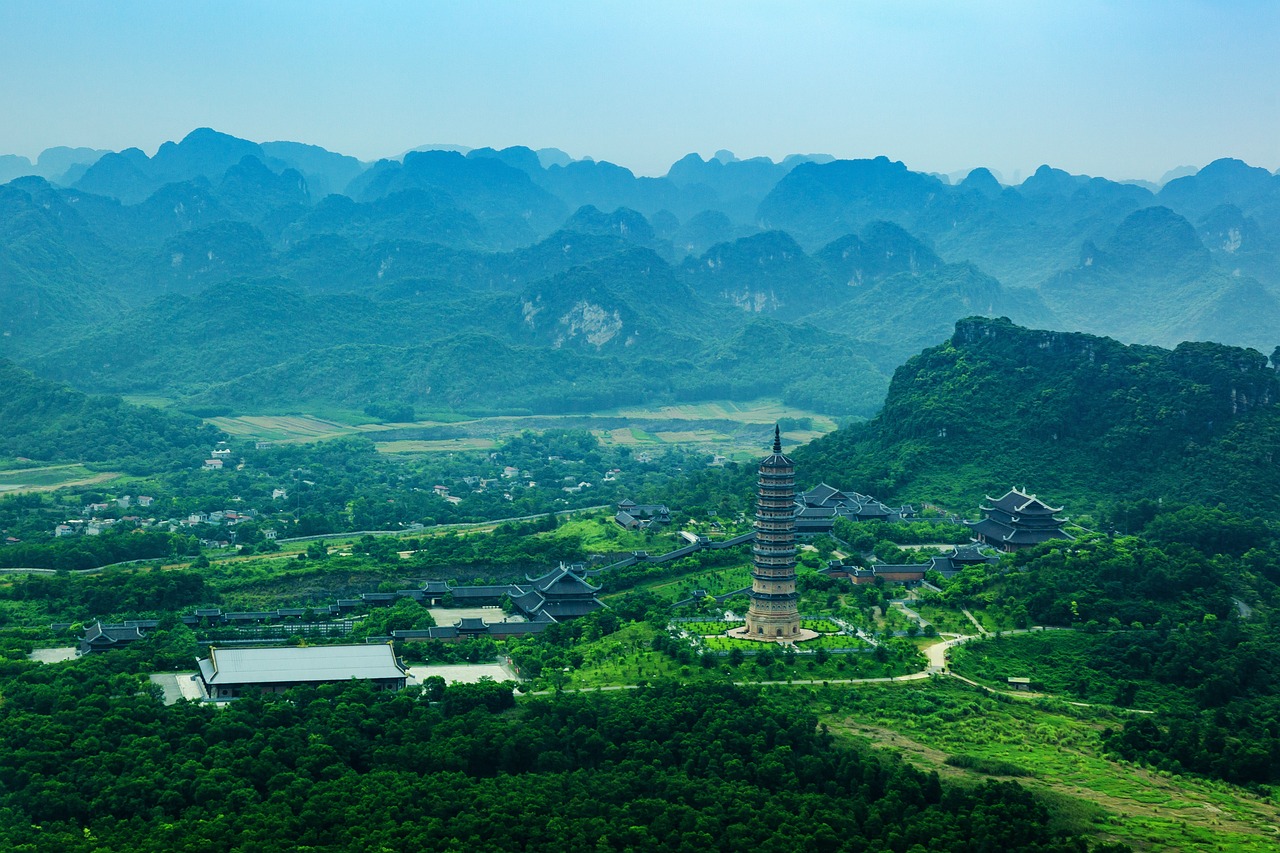
14 Days Southeast Asia Family Itinerary
This 14-day itinerary takes you on a journey through Singapore, Bali, and Thailand, focusing on family-friendly activities and experiences. It balances iconic landmarks with local gems, ensuring a memorable and enriching adventure for the whole family.
Duration
14 days
Budget
$1400-2800
Best Time
The best time to visit Southeast Asia is typically during the dry season, from November to February, when temperatures are cooler and humidity is lower across most of the region
Activities
55
Daily Avg
$150/day
Cities
Singapore (3d), Bali (3d), Chiang Mai (8d)
Pace
Moderate
Southeast Asia offers a vibrant mix of cultures, stunning landscapes, and delicious cuisine. It's a fantastic destination for families, offering a wide range of activities suitable for all ages and budgets, from exploring ancient temples to relaxing on beautiful beaches.
Your itinerary covers 10 of 11 must-have experiences
Ancient Temple City/Complex
Day 8: Dinner in Chiang Mai Old City
Bustling Street Food Market
Day 3: Malaysian Food Street
Tropical Island Paradise
Day 3: S.E.A Aquarium
Iconic Rooftop Bar with City Views
Day 8: Dinner in Chiang Mai Old City
Lush Rice Terraces & Mountain Landscapes
Day 5: Tegalalang Rice Terraces
Traditional Cooking Class
Day 10: Thai Farm Cooking School
Unique Floating Market Experience
Day 5: Ubud Art Market
Vibrant Night Market & Shopping Alley
Day 13: Chatuchak Weekend Market
Underwater Diving/Snorkeling Spot
e.g., Sipadan Island (Sabah, Malaysia), Raja Ampat (West Papua, Indonesia)
Historic Colonial Town/District
Day 9: Wat Chedi Luang
Lush Waterfall & Jungle Trek
Day 6: Tegenungan Waterfall
Southeast Asia offers a vibrant and diverse culinary landscape, blending fresh ingredients with bold flavors and unique cooking techniques. From street food stalls to upscale restaurants, prepare for a delicious adventure exploring the region's iconic dishes and local specialties. Be prepared for a symphony of sweet, sour, salty, spicy, and umami tastes.
Must-Try Dishes
Stir-fried rice noodles with shrimp, tofu, peanuts, egg, and bean sprouts, tossed in a tangy tamarind sauce. A classic Thai dish that perfectly balances sweet, sour, and savory flavors.
📍 Street food stalls, restaurants throughout Thailand
A fragrant noodle soup with broth (typically beef or chicken), rice noodles, herbs, and meat (usually beef or chicken). A comforting and flavorful Vietnamese staple.
📍 Street food stalls, restaurants in Vietnam, especially Hanoi and Ho Chi Minh City
A spicy noodle soup with coconut milk, prawns, fish cakes, and tofu puffs. There are many regional variations, from the sour Assam Laksa to the creamy Curry Laksa.
📍 Hawker centers, restaurants in Malaysia and Singapore
A savory dish of meat (chicken or pork) braised in soy sauce, vinegar, garlic, and peppercorns. A national dish of the Philippines, known for its tangy and umami flavors.
📍 Restaurants, home-style eateries throughout the Philippines
Food Neighborhoods
Known for its diverse Chinese cuisine and bustling street food scene.
Known for its traditional Vietnamese dishes and vibrant atmosphere.
Known for its Peranakan cuisine and hawker food.
Known for distinct ethnic cuisines and hawker fare
Vegetarian and vegan options are increasingly available, especially in tourist areas and larger cities. Look for tofu dishes, vegetable curries, and salads. When ordering, clearly specify your dietary requirements. For halal food, seek out restaurants with halal certification, particularly in Muslim-majority areas. Be mindful of common allergens like peanuts, shellfish, and soy sauce.
In many Southeast Asian countries, it's customary to use a fork and spoon. Chopsticks are typically used for noodle dishes. Avoid sticking your chopsticks straight up in a bowl of rice, as it resembles a funeral offering. It's polite to try a little bit of everything offered. Sharing food is common. Avoid wasting food, as it's considered disrespectful.
Songkran (Thai New Year)
AprilCelebrated with water fights throughout Thailand, expect closures and large crowds.
Vesak Day
MayA Buddhist holiday celebrated in many Southeast Asian countries, expect temple visits and religious ceremonies.
Diwali
October/NovemberCelebrated by the Hindu community in Singapore and Malaysia, expect vibrant decorations and cultural events.
🛣️Interesting Detours & Side Trips
- 🚶Arrive at Changi Airport (SIN)$20 (Taxi/MRT)
2:00 PM - Arrive at Changi Airport (SIN)
Take a taxi or MRT to your hotel. Check in and leave your luggage. Changi Airport has many family-friendly amenities like playgrounds and nursing rooms.
🏨Create Custom ItineraryAdd your hotel booking
Search and add hotels to see on maps
Create a free custom itinerary to add hotels and restaurants
- 🚶Take the MRT from Changi Airport to Bayfront MRT station (approx. 30 mins).$30 (Combined ticket per adult, $20 per child)
4:00 PM - Gardens by the Bay
Explore the Supertree Grove, Cloud Forest, and Flower Dome. Consider purchasing tickets online in advance to avoid queues. Stroller accessible.
Book on Klook - 🚶Walk from Gardens by the Bay to Satay by the Bay (within Gardens by the Bay).$20 (Family dinner)
7:00 PM - Satay by the Bay
Enjoy a delicious and affordable dinner at Satay by the Bay. This hawker center offers a variety of local dishes, including satay, noodles, and seafood. Plenty of seating available.
Book on Klook - 🚶Supertree Grove is within Gardens by the Bay, a short walk from Satay by the Bay.FREE
8:30 PM - Garden Rhapsody Light Show
Watch the mesmerizing Garden Rhapsody light and sound show at the Supertree Grove. A free and unforgettable experience.
Book on Klook
Marina Bay
Central location with stunning views and easy access to attractions.
📅 Best Time to Visit
The best time to visit Southeast Asia is typically during the dry season, from November to February, when temperatures are cooler and humidity is lower across most of the region. March to May brings hotter, drier weather, while June to October is the wet (monsoon) season, characterized by higher humidity and frequent, though often brief, heavy rainfall. Traveling during the shoulder seasons (March-May or October-November) can offer fewer crowds and potentially lower prices, but be prepared for more variable weather conditions and occasional downpours.
During the dry season, expect warm and sunny days with relatively low humidity. Rainfall is infrequent, making it ideal for outdoor activities and sightseeing. Temperatures remain consistently warm throughout the day and night.
The dry season in Southeast Asia (November to February) offers the most pleasant weather with lower humidity and rainfall.
Check for local holidays in each country, as they can affect opening hours and transportation.
Travel
$500 (Flights between cities)Accommodation
$500-1000 (Family rooms/suites)Food
$300-600Activities
$100-200Embrace street food and local markets for incredibly delicious and affordable meals; this is where you'll find the most authentic flavors at a fraction of restaurant prices.
Utilize local transportation options like buses, trains, and ride-hailing apps (Grab/Gojek) instead of private taxis for significant savings on getting around.
Invest in a unique experience, such as a multi-day liveaboard diving trip, a cooking class to master local cuisine, or a luxurious traditional spa treatment.
Consider one or two nights in a boutique hotel or a resort with stunning views, particularly in a scenic location like an island or mountain retreat, for a memorable treat.
Always negotiate prices politely when shopping in markets; a general rule of thumb is to aim for 20-50% off the initial asking price, but do so respectfully and with a smile.
Look for eateries packed with locals – this is a reliable sign of good, authentic, and safe food at local prices. Don't be afraid to try small, unassuming stalls.
- Always carry small denominations of local currency for street vendors, small shops, and local transport; larger notes can be hard to break.
- Bargaining is common and expected in markets, local shops, and for some services (taxis without meters); do so politely and with a smile.
- Drink plenty of bottled or filtered water to stay hydrated; tap water is generally not safe for consumption across the region.
- Respect local customs and dress codes, especially when visiting religious sites: cover shoulders and knees, and remove shoes before entering temples or homes.
- Utilize ride-hailing apps like Grab or Gojek for transparent pricing and safety when taking taxis or motorbike taxis, avoiding inflated fares.
- Be vigilant about your belongings, particularly in crowded tourist areas and on public transport; consider anti-theft bags.
- Learn a few basic phrases in the local language (e.g., 'hello,' 'thank you,' 'how much?'); it’s appreciated and can enhance interactions.
- Always confirm prices before committing to a service, meal, or purchase, especially for unmetered services or street food vendors.
- 1Lightweight, breathable clothing (cotton, linen) for hot and humid weather.
- 2Rain jacket or compact umbrella for sudden downpours, especially during monsoon season.
- 3Comfortable walking shoes and sturdy sandals for exploring cities, temples, and beaches.
- 4Sunscreen, sunglasses, and a wide-brimmed hat for protection against intense tropical sun.
- 5Insect repellent with DEET or picaridin for effective mosquito protection.
- 6Reusable water bottle to reduce plastic waste and stay hydrated; many places offer refill stations.
- 7Universal travel adapter and a portable power bank for keeping electronics charged.
- 8Modest attire (long pants/skirts, shirts covering shoulders) for temple visits and respectful cultural engagement.
- 9Basic first-aid kit including pain relievers, band-aids, antiseptic wipes, and stomach remedies.
- 10Small daypack for daily excursions, carrying water, sunscreen, and light essentials.
Visa Requirements
Check visa requirements for your nationality for each country you plan to visit; apply well in advance if necessary (some allow visa on arrival, others require prior application).
International Flights
Book 3-6 months ahead for the best prices, especially for peak season travel or popular routes.
Accommodation
Book popular hotels/hostels 1-3 months in advance, particularly for high season, specific events, or highly-rated boutique stays.
Popular Tours & Attractions
Book major tours (e.g., Angkor Wat multi-day passes, Ha Long Bay cruises, popular island hopping trips) 1-2 months ahead as they can sell out, especially premium options.
Travel Insurance
Purchase immediately after booking your first trip component to cover potential cancellations, medical emergencies, and lost luggage.
eSIM or Local SIM
Purchase an eSIM online before departure or plan to buy a physical SIM card upon arrival at the airport for immediate connectivity.
Domestic Flights / Long-distance Train & Bus Tickets
For popular internal routes (e.g., Bangkok to Chiang Mai, Hanoi to Ho Chi Minh City), book 2-4 weeks in advance to secure seats and better prices, particularly if traveling on a specific schedule.
Airport Transfers
Arrange transfers in advance, especially for late-night arrivals or if you prefer a hassle-free start; often available via hotel or Klook.
Note: Travel conditions, regulations, and local customs may change. We recommend verifying essential details — such as visa requirements, emergency contacts, and payment options — closer to your travel date.
SIM & Connectivity
SIM Options
📍 Airalo website or app
📍 Airport kiosks, convenience stores, telco shops
📍 Klook website or app
WiFi is widely available in hotels, cafes, and restaurants, especially in tourist areas. Some public spaces also offer free WiFi, but the connection may be unreliable. Quality can vary greatly. Be cautious when using public WiFi, especially for sensitive transactions.
Useful Apps
Purchase a local SIM card upon arrival for the best data rates and coverage. Check the coverage map of the local telco before purchasing. Download offline maps and translation data before your trip. Be aware of roaming charges if you use your home country's SIM card. Consider using a VPN for added security when using public WiFi.
Safety & Travel Advisories
Southeast Asia is generally safe for tourists, but petty theft can occur in crowded areas. Be aware of your surroundings and take precautions against scams.
Check official government advisories for the latest safety information, entry requirements, and travel warnings before your trip.
Customize This Trip
Get this itinerary tailored to YOUR exact dates, preferences, and budget.
- Personalized for your dates
- Weather-aware recommendations
- Offline access
- Real-time pricing
- Budget tracking
No sign-up required
Quick Actions
Trip Summary
How was this itinerary?
The best time to visit is during the dry season (November to February) for cooler temperatures and less rain. However, the shoulder seasons (March-May and September-October) can offer fewer crowds and lower prices, but with more variable weather.
Related Itineraries
Customize This Trip
Get this itinerary tailored to YOUR exact dates, preferences, and budget.
- Personalized for your dates
- Weather-aware recommendations
- Offline access
- Real-time pricing
- Budget tracking
No sign-up required
Quick Actions
Trip Summary
Want a Personalized Version?
Get this itinerary customized for your exact travel dates, with weather-aware recommendations and real-time pricing.
Create My Custom Itinerary60sBrowse by travel style: