
7 Days Portugal Family Itinerary
This 7-day itinerary explores the highlights of Portugal, including Lisbon's historic charm, Sintra's fairytale castles, the Algarve's stunning beaches, and Porto's port wine cellars. It's designed for families with a balance of sightseeing, relaxation, and kid-friendly activities.
Duration
7 days
Budget
$700-1400
Best Time
The best times to visit Portugal are spring (April to May) and fall (September to October)
Activities
36
Daily Avg
$150/day
Pace
Fast
Portugal offers a diverse range of experiences, from historic cities and stunning coastlines to delicious food and welcoming culture. It's a fantastic destination for families with kid-friendly attractions, beautiful beaches, and a relatively affordable cost of travel.
Your itinerary covers 6 of 11 must-have experiences
A Historic Castle or Palace
Day 3: Pena Palace
A Traditional Fado House
e.g., Clube de Fado (Lisbon), Tasca do Chico (Lisbon)
A Scenic Miradouro (Viewpoint)
e.g., Miradouro da Senhora do Monte (Lisbon), Miradouro de São Pedro de Alcântara (Lisbon)
A Bustling Food Market
Day 1: Lunch at Time Out Market Lisboa
An Azulejo-Decorated Site
e.g., São Bento Railway Station (Porto), National Azulejo Museum (Lisbon)
A Stunning Coastal Beach
e.g., Praia da Marinha (Algarve), Praia da Falesia (Algarve)
An Iconic Tram or Funicular Ride
Day 1: Tram 28 Ride
A Winery or Port Cellar Tour
Day 6: Travel from Lagos to Porto
A Grand Monastery or Convent
Day 2: Jerónimos Monastery
A Sunset River or Coast Cruise
Day 2: Relaxing Walk along the Tagus River
A Cliffside Hike or Coastal Trail
e.g., Seven Hanging Valleys Trail (Algarve), Rota Vicentina (Alentejo/Algarve)
Portuguese cuisine is a delightful blend of Mediterranean flavors with a strong emphasis on fresh seafood, hearty meats, and simple, high-quality ingredients. From savory stews to delectable pastries, Portugal offers a diverse culinary experience that caters to various tastes. Be prepared for generous portions and a love of olive oil!
Must-Try Dishes
A signature sandwich from Porto, consisting of various meats (steak, sausage, ham) covered in melted cheese and a rich tomato and beer sauce. It's a substantial meal, often served with fries.
📍 Porto, specifically cafes and restaurants specializing in Francesinhas
A creamy custard tart with a flaky pastry crust, often sprinkled with cinnamon. It's a quintessential Portuguese treat, perfect with coffee.
📍 Pastelarias (pastry shops) throughout Portugal, particularly Pastéis de Belém in Lisbon
Shredded salt cod scrambled with thinly fried potatoes, onions, and eggs, garnished with black olives and parsley. It's a classic comfort food dish.
📍 Traditional Portuguese restaurants across the country
A flavorful seafood rice dish, similar to paella, packed with various shellfish like shrimp, mussels, and clams, cooked in a tomato-based broth. It's a celebration of the sea.
📍 Seafood restaurants, especially near the coast
Food Neighborhoods
Traditional Portuguese cuisine and Fado houses
Diverse range of restaurants and nightlife
Seafood and riverside dining
Fresh seafood and cataplana dishes
Vegetarian options are becoming more common, especially in larger cities, but it's helpful to know the word 'vegetariano'. Vegan options are less prevalent, but salads and vegetable soups are usually available. For halal options, look for restaurants catering to the Muslim community, particularly in Lisbon and the Algarve. Gluten-free options are also becoming more common; ask for 'sem glúten'. Always inform your server about any allergies.
Wait to be seated at restaurants. It's customary to say 'Bom apetite' before starting your meal. Tipping is not mandatory but appreciated; 5-10% is common for good service. Bread and olives are often placed on the table and charged, even if you didn't order them; you can politely decline if you don't want them. Meals are often enjoyed at a leisurely pace, especially lunch.
Santo Antonio Festival
Festas de LisboaMonth-long celebration with sardines, street parties, and traditional music in Lisbon.
Note: Book early for mid-June
🛣️Interesting Detours & Side Trips
- 🚶Take a taxi or metro from Lisbon Airport (LIS) to your accommodation in Alfama.$0 (Metro ticket: ~ $2)
10:00 AM - Arrive in Lisbon & Check into Accommodation
Take the metro from Lisbon Airport (LIS) to your accommodation near Alfama. Look for family-friendly hotels or apartments with kitchenettes. Leave your luggage and freshen up.
🏨Create Custom ItineraryAdd your hotel booking
Search and add hotels to see on maps
Create a free custom itinerary to add hotels and restaurants
- 🚶Time Out Market is easily accessible by metro (Cais do Sodré station) or tram.$20-30
12:00 PM - Lunch at Time Out Market Lisboa
A food hall with diverse vendors offering Portuguese cuisine. Great for families as everyone can find something they like. (Stroller accessible).
🍽️Create Custom ItineraryAdd restaurants for Lunch
Get personalized restaurant recommendations
Create a free custom itinerary to add hotels and restaurants
- 🚶Tram 28 departs from Martim Moniz Square, a short walk from the Time Out Market.$3 (per person)
2:00 PM - Tram 28 Ride
A classic Lisbon experience! This historic tram winds through the narrow streets of Alfama. Arrive early to beat the crowds. (Can be crowded with strollers).
Book on Klook - 🚶Alfama is best explored on foot, starting from Martim Moniz Square.FREE
4:00 PM - Explore Alfama District
Wander through the charming streets of Alfama, Lisbon's oldest district. Visit Lisbon Cathedral (Sé de Lisboa) and enjoy the views from Portas do Sol viewpoint. Stop for gelato.
Book on Klook - 🚶Cervejaria Ramiro is accessible by metro (Intendente station) or taxi from Alfama.$30-40
6:00 PM - Dinner at Cervejaria Ramiro
Famous seafood restaurant. Kid-friendly, but can be busy. Consider going early or making a reservation. Offers options besides seafood as well.
🍽️Create Custom ItineraryAdd restaurants for Dinner
Get personalized restaurant recommendations
Create a free custom itinerary to add hotels and restaurants
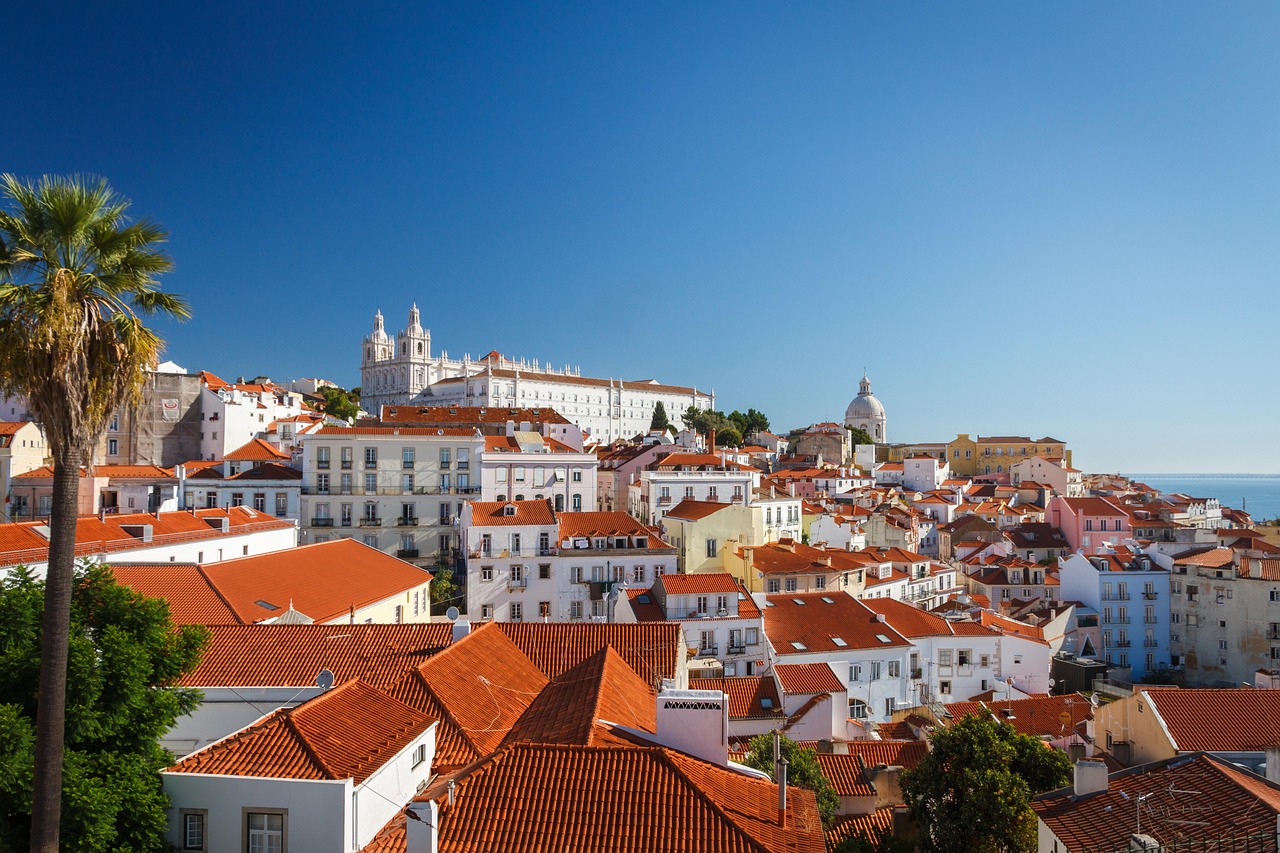
Alfama
The oldest district in Lisbon, known for its narrow streets, Fado houses, and historic charm.
📅 Best Time to Visit
The best times to visit Portugal are spring (April to May) and fall (September to October). During these periods, the weather is pleasantly warm, crowds are thinner, and prices for accommodation and flights are generally lower than in peak summer. Summer (June to August) sees hot temperatures, especially inland, and the popular coastal areas and cities like Lisbon and Porto become very crowded and expensive. Winter (November to March) offers milder temperatures, fewer tourists, and is ideal for city exploration, though some coastal towns may be very quiet and rainy days are more common.
The weather is generally sunny and mild with comfortable temperatures. Rainfall is infrequent, making it perfect for exploring the cities and coastlines. Evenings can be slightly cooler, so packing a light jacket is recommended.
Spring in Portugal offers pleasant weather, fewer crowds, and lower prices compared to the peak summer months. It's an ideal time for sightseeing and enjoying outdoor activities.
Check for public holidays as some businesses may be closed.
Getting Around
Lisbon has metro, trams, and ferries; CP trains connect cities
Viva Viagem / Lisboa Card
Get a Viva Viagem card for Lisbon transit. Tram 28 is scenic but often crowded.
Travel
$200-400 (Flights, trains, buses)Accommodation
$350-700 (7 nights, $50-100/night)Food
$210-420 ($30-60/day)Activities
$140-280Eat at 'Prato do Dia' (dish of the day) or 'Menu do Dia' for lunch. These are often hearty, delicious, and significantly cheaper than dinner.
Utilize public transport extensively in cities like Lisbon and Porto. Consider a multi-day pass (e.g., Viva Viagem card in Lisbon) for cost-effective travel.
Indulge in a Fado show with dinner in Lisbon or Porto. While touristy, it's a unique cultural experience worth the cost if you choose a reputable venue.
Take a full-day wine tour in the Douro Valley. It's a picturesque region and an immersive experience for wine lovers, often including tastings and lunch.
Grab your morning coffee and pastry ('bica' and 'pastel de nata') standing at the counter of a 'pastelaria' or 'café' for a quick, authentic, and much cheaper experience than sitting down.
Look for restaurants in less touristy neighborhoods or slightly off the main thoroughfares. You'll often find more authentic food at better prices.
- Learn a few basic Portuguese phrases (like 'Olá', 'Obrigado/a', 'Por favor', 'Com licença') as it's appreciated by locals, though English is widely spoken in tourist areas.
- Be mindful of meal times; dinner is typically served later, often starting around 7:30 PM or 8 PM. Many restaurants close between lunch and dinner service.
- Carry some cash for smaller purchases, markets, and less formal establishments, although credit and debit cards are widely accepted, especially in cities.
- Wear comfortable walking shoes. Portuguese cities like Lisbon and Porto are very hilly with many cobblestone streets, which can be challenging to navigate.
- Validate your public transport tickets or passes (e.g., Via Viagem in Lisbon) before each journey, even if you have a multi-day pass, to avoid fines.
- Be aware of pickpockets in crowded tourist areas, on public transport, and at major attractions, especially in Lisbon and Porto. Keep valuables secure.
- Tipping is not mandatory but appreciated for good service; 5-10% in restaurants and rounding up for taxis or cafes is common practice.
- 1Comfortable walking shoes (essential for cobblestone streets and hilly cities)
- 2Layers of clothing (temperatures can vary from day to evening, especially by the coast)
- 3Sunscreen, hat, and sunglasses (strong sun, even in shoulder seasons)
- 4Reusable water bottle (stay hydrated and reduce plastic waste)
- 5Universal power adapter (Type F, two-round-pin sockets are standard)
- 6Swimsuit (for beaches, hotel pools, or if visiting the Algarve)
- 7Light rain jacket or umbrella (especially for spring, fall, or winter travel)
- 8Small daypack or cross-body bag (for daily essentials and security against pickpockets)
- 9Scarf or shawl (for cooler evenings, sun protection, or visiting religious sites)
- 10Portable power bank (for keeping your phone charged while exploring)
Flights and Accommodation
Book 3-6 months in advance, especially for peak season (June-August) or popular events, to secure better prices and availability.
Train Tickets (long-distance)
For routes like Lisbon-Porto or Faro, book via CP.pt 1-2 months ahead for cheaper promotional fares (e.g., Alfa Pendular).
Rental Car
If planning to explore rural areas or the Algarve, book 2-3 months in advance, especially for summer, to ensure availability and better rates.
Popular Attractions & Tours
Book timed entry tickets for sites like Pena Palace (Sintra), Jerónimos Monastery (Lisbon), and popular Fado shows or Douro Valley wine tours 2-4 weeks ahead to avoid queues and ensure availability.
Travel Insurance
Arrange comprehensive travel insurance immediately after booking your trip to cover unforeseen circumstances like cancellations, medical emergencies, or lost luggage.
eSIM or International SIM Card
Purchase and activate an eSIM or research local SIM card options before departure to ensure immediate connectivity upon arrival.
Note: Travel conditions, regulations, and local customs may change. We recommend verifying essential details — such as visa requirements, emergency contacts, and payment options — closer to your travel date.
SIM & Connectivity
SIM Options
📍 Airalo website or app
📍 Vodafone stores at the airport or in city centers
📍 MEO stores at the airport or in city centers
📍 My Webspot website (pre-order and delivery to your hotel)
Free WiFi is widely available in hotels, cafes, and restaurants, especially in tourist areas. Many public spaces, such as parks and squares, also offer free WiFi, though the connection speed may vary.
Useful Apps
Consider purchasing a local SIM card or eSIM for reliable and affordable data access. Check if your hotel offers free WiFi and its quality. Download offline maps and translation packs before your trip. Be mindful of data usage if relying solely on WiFi.
Electric Socket Guide
Socket Types
Two round pins (Europlug)
Two round pins + side earth clips (Schuko)
230V
50Hz
Tipping Etiquette
5–10% or round up
Round up to nearest euro
€1 per bag
Tipping is appreciated but not mandatory. Leave change on the table.
Safety & Travel Advisories
Portugal is generally a very safe country with a low crime rate. Exercise normal precautions against petty theft, especially in tourist areas.
Check official government advisories for the latest safety information, entry requirements, and travel warnings before your trip.
Emergency Numbers
112
112
112
112 for all emergencies
Payments
Cash useful at smaller restaurants and markets
Widely accepted; MB Way popular locally
Common
Cards work at most places. Carry small cash for markets and tascas.
Customize This Trip
Get this itinerary tailored to YOUR exact dates, preferences, and budget.
- Personalized for your dates
- Weather-aware recommendations
- Offline access
- Real-time pricing
- Budget tracking
No sign-up required
Quick Actions
Trip Summary
How was this itinerary?
The best times to visit Portugal are spring (April-May) and fall (September-October) for pleasant weather, fewer crowds, and lower prices. Summer can be hot and crowded, while winter is mild but potentially rainy.
Related Itineraries

Customize This Trip
Get this itinerary tailored to YOUR exact dates, preferences, and budget.
- Personalized for your dates
- Weather-aware recommendations
- Offline access
- Real-time pricing
- Budget tracking
No sign-up required
Quick Actions
Trip Summary
Want a Personalized Version?
Get this itinerary customized for your exact travel dates, with weather-aware recommendations and real-time pricing.
Create My Custom Itinerary60sBrowse by travel style: