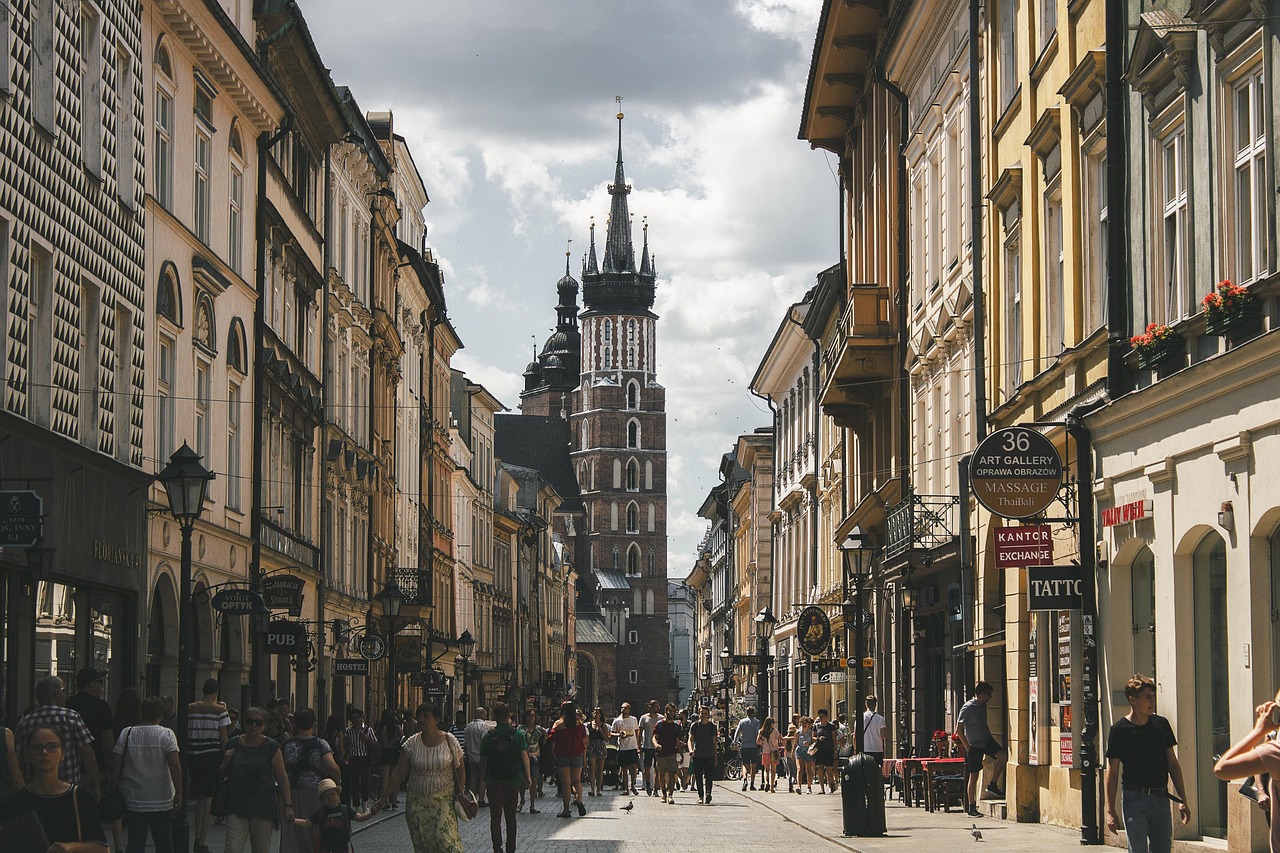
7 Days Poland Itinerary
This 7-day budget-friendly itinerary explores the highlights of Poland, including Warsaw's resilience, Krakow's medieval charm, Gdansk's maritime history, and Wroclaw's unique bridges. It balances historical sites with local experiences, all while keeping costs down.
Duration
7 days
Budget
$400-700
Best Time
The best time to visit Poland depends on your interests
Activities
32
Daily Avg
$79/day
Cities
Warsaw (2d), Krakow (1d), Gdansk (3d), Wroclaw (1d)
Pace
Moderate
Poland offers a captivating blend of history, culture, and natural beauty. From the vibrant cities to the serene countryside, it's a budget-friendly destination with delicious food and welcoming locals.
Your itinerary covers 5 of 10 must-have experiences
Grand Royal Castle
Day 1: Royal Castle
Vibrant Old Town Square
Day 3: Main Market Square
Profound Historical Memorial
Day 1: Warsaw Uprising Museum
Authentic Pierogi Feast
Day 1: Lunch at Zapiecek
Majestic Mountain Adventure
e.g., Tatra National Park (Zakopane), Bieszczady National Park
Unique Underground Exploration
e.g., Wieliczka Salt Mine, Bochnia Salt Mine
Baltic Sea Coastal Charm
e.g., Sopot Pier, Hel Peninsula
Lively Nightlife & Pub Crawl
e.g., Kazimierz District (Kraków), Pijalnia Wódki i Piwa (various cities)
Immersive Museum Experience
Day 1: Warsaw Uprising Museum
Relaxing Thermal Spa Retreat
e.g., Termy Chochołowskie, Termy Bania (Białka Tatrzańska)
Polish cuisine is hearty and flavorful, influenced by its history and neighboring countries. Expect generous portions, rich sauces, and plenty of meat, though vegetarian options are becoming increasingly available. Don't be afraid to try the local specialties – you're in for a treat!
Must-Try Dishes
Poland's iconic dumplings, filled with various ingredients like potato and cheese (ruskie), meat, sauerkraut and mushrooms, or sweet fillings like fruit. Boiled or fried, they're a must-try.
📍 Traditional restaurants (restauracja), milk bars (bar mleczny), street food stalls
A sour rye soup, typically served in a bread bowl and containing sausage, egg, and marjoram. The sour taste is unique and refreshing.
📍 Traditional restaurants, especially in rural areas
Hunter's stew, a hearty dish made with sauerkraut, various meats (sausage, pork, beef), and sometimes mushrooms and prunes. It's often simmered for days, developing a complex flavor.
📍 Traditional restaurants, especially during colder months
A breaded pork cutlet, similar to a schnitzel. Usually served with potatoes and sauerkraut or other pickled vegetables.
📍 Traditional restaurants, milk bars
Food Neighborhoods
Jewish Quarter, known for its unique cafes, traditional Jewish cuisine, and street food.
Offers a mix of traditional Polish restaurants and international cuisine, catering to tourists.
Known for its Art Deco architecture and trendy restaurants with diverse culinary offerings.
Up-and-coming district with a vibrant food scene, independent cafes, and local produce markets.
Vegetarian options are becoming more common, especially in larger cities. Look for 'wegetariańskie' or 'wegańskie' on menus. Milk bars often offer vegetarian pierogi (ruskie). For gluten-free options, inquire about dishes made with potato flour. Halal food is less readily available, but some Turkish and Middle Eastern restaurants offer it.
It's customary to use utensils, even for seemingly casual dishes. Offering to share food is common. Tipping is expected (around 10-15%) in restaurants if service is not included. When invited to someone's home, bringing a small gift (flowers, chocolates) is appreciated.
Krakow Christmas Market
Targi BozonarodzenioweMagical Christmas market in Krakow's Main Square with crafts, food, and festivities.
Note: Book 1 month ahead for December
🛣️Interesting Detours & Side Trips
- 🚶From your hotel in Warsaw Old Town, walk to Plac Zamkowy.FREE
9:00 AM - Explore Warsaw Old Town
Wander through the meticulously reconstructed Old Town, a UNESCO World Heritage site. Admire the colorful buildings and historical architecture. Start at Castle Square.
Book on Klook - 🚶Royal Castle is located at Plac Zamkowy, next to Warsaw Old Town.$15
11:00 AM - Royal Castle
Visit the Royal Castle, rebuilt after WWII. Explore the opulent interiors and learn about Polish history. Book tickets online in advance to save time.
Book on Klook - 🚶Zapiecek has multiple locations, check for the nearest one from the Royal Castle.$8
1:00 PM - Lunch at Zapiecek
Enjoy traditional Polish pierogi at Zapiecek, a popular chain restaurant offering a variety of fillings at affordable prices.
🍽️Create Custom ItineraryAdd restaurants for Lunch
Get personalized restaurant recommendations
Create a free custom itinerary to add hotels and restaurants
- 🚶Take a tram or bus from near Zapiecek to Grzybowska 79.$10
3:00 PM - Warsaw Uprising Museum
Learn about the heroic Warsaw Uprising of 1944 at this interactive museum. Allow at least 2-3 hours for a thorough visit.
Book on Klook
Warsaw Old Town
Central location, close to major attractions, charming atmosphere.
📅 Best Time to Visit
The best time to visit Poland depends on your interests. Spring (April-May) and Autumn (September-October) offer mild weather, fewer crowds, and beautiful scenery, ideal for city breaks and hiking. Summer (June-August) is warm, vibrant with festivals and outdoor events, but also the busiest and most expensive. Winter (November-March) is cold and snowy, perfect for experiencing festive Christmas markets, skiing in the mountains, or enjoying a cozy atmosphere, though some attractions may have reduced hours.
The weather in Poland during Spring and Autumn is generally mild with average temperatures ranging from 10-20°C. Expect occasional rainfall, especially in the mountains. Pack layers to adjust to changing conditions.
This itinerary is best suited for the shoulder season (Spring/Autumn) offering pleasant weather and fewer crowds compared to the peak summer months.
Check for public holidays as they may affect opening hours of attractions and transportation schedules.
Getting Around
Good rail network; Warsaw and Kraków have public transit
City-specific cards
PKP InterCity and FlixBus for intercity travel. Book early for best prices.
Travel
$50-100 (Intercity transportation)Accommodation
$140-210 (Hostels/Budget Hotels)Food
$140-210Activities
$70-140Eat at 'bar mleczny' (milk bars) for incredibly cheap, traditional Polish meals. Look for 'Obiad Dnia' (lunch deals) offered by many restaurants on weekdays.
Utilize public transport (trams, buses, metro) within cities; tickets are affordable. Consider a city pass if you plan to visit many attractions in one city.
Indulge in a traditional Polish dinner with live folk music in Krakow's Old Town, or a high-end tasting menu in Warsaw for a memorable culinary experience.
Consider a private guided tour for specific historical sites (e.g., Jewish Quarter in Krakow) for deeper insights and a personalized experience.
Visit local markets (bazar) for fresh, seasonal produce, local delicacies, and often better prices than supermarkets, while supporting local vendors.
Look for 'free walking tours' (tip-based) in major cities to get an excellent introduction to the history and culture from local guides.
- The official currency is the Polish Złoty (PLN). While credit/debit cards are widely accepted, it's useful to carry some cash for smaller vendors, local markets, or rural areas.
- English is commonly spoken in major tourist areas, hotels, and by younger generations, but learning a few basic Polish phrases (e.g., 'Dzień dobry' - Hello, 'Dziękuję' - Thank you) will be appreciated.
- Tipping is customary in restaurants (10-15% for good service) and for taxi drivers (rounding up). It's not usually expected in cafes for just a coffee.
- When using public transport (trams, buses, metro), always validate your ticket immediately after boarding. Fines for unvalidated tickets are significant.
- Poland is generally a safe country, but remain aware of your surroundings and belongings in crowded tourist spots like train stations, markets, and popular attractions to deter pickpockets.
- Tap water in most Polish cities is safe to drink, although bottled water is readily available if you prefer.
- Dress modestly when visiting churches and religious sites; shoulders and knees should ideally be covered as a sign of respect. Be aware that many shops are closed on Sundays, with a few designated shopping Sundays per month.
- 1Layers of clothing: Poland's weather can be unpredictable, so packing versatile layers is key for comfort across different temperatures.
- 2Comfortable walking shoes: You'll likely do a lot of walking, especially when exploring historic city centers and cobblestone streets.
- 3Rain jacket and/or umbrella: Sudden showers can occur in any season, making waterproof gear essential.
- 4Universal travel adapter (Type E/F): For charging your electronic devices, as these are the standard socket types.
- 5Reusable water bottle: For staying hydrated and reducing plastic waste, as tap water is often safe to drink.
- 6Small daypack: Convenient for carrying daily essentials like snacks, water, camera, and extra layers during excursions.
- 7Warm hat, gloves, and scarf: Essential for autumn, winter, and even cooler spring evenings, especially in mountainous regions.
- 8Swimsuit: If you plan to use hotel pools, visit thermal baths (e.g., in Zakopane region), or explore spa facilities.
- 9Power bank: To keep your phone charged while navigating, taking photos, and using connectivity apps throughout the day.
- 10Sunscreen and sunglasses: Important year-round, especially for glare from snow in winter or strong sun in summer.
Flights and Accommodation
Book 3-6 months in advance for the best prices and availability, particularly during peak season (summer, major holidays).
Auschwitz-Birkenau Memorial and Museum tour
Mandatory to book directly online 2-3 months ahead, especially for English-guided tours, as spots sell out quickly. Arrive with your passport.
Wieliczka Salt Mine tickets
Book official guided tour tickets online 1-2 months in advance, particularly for English tours or peak travel times.
Intercity Train Tickets (PKP Intercity)
For travel between major cities (e.g., Warsaw-Krakow), book 2-4 weeks ahead for cheaper fares and guaranteed seats, especially on popular routes.
Travel Insurance
Arrange immediately after booking flights and accommodation to cover unforeseen cancellations, medical emergencies, and lost luggage.
Popular Restaurant Reservations
For highly-rated or fine dining experiences, book 1-2 weeks in advance, especially for weekend evenings or special occasions.
Note: Travel conditions, regulations, and local customs may change. We recommend verifying essential details — such as visa requirements, emergency contacts, and payment options — closer to your travel date.
SIM & Connectivity
SIM Options
📍 Airalo website or app
📍 Orange stores, kiosks, or online (requires registration)
📍 Play stores, kiosks
📍 Tep Wireless website
Free WiFi is widely available in hotels, cafes, and restaurants, especially in larger cities. Many public spaces also offer free WiFi, though the quality may vary. Look for signs indicating 'WiFi' or ask staff for the password.
Useful Apps
Consider an eSIM for convenience upon arrival. Physical SIM cards are widely available at airports and in cities. Verify that your phone is unlocked before traveling. Download offline maps for navigation in case of limited connectivity. Check the data roaming rates with your home provider, but local SIM cards are usually more cost-effective.
Electric Socket Guide
Socket Types
Two round pins (Europlug)
Two round pins + round ground hole
230V
50Hz
Tipping Etiquette
10% is standard
Round up
PLN 5–10 per bag
Tipping 10% is expected at restaurants. Say the amount you want to pay.
Safety & Travel Advisories
Poland is generally a safe country for tourists. Be aware of petty theft in crowded areas and take necessary precautions.
Check official government advisories for the latest safety information, entry requirements, and travel warnings before your trip.
Emergency Numbers
997
999
998
112 for all emergencies
Payments
Poland uses PLN (złoty), not EUR
Widely accepted
Very common — Poland is a leader in contactless payments
Contactless is ubiquitous. BLIK mobile payments popular locally.
Customize This Trip
Get this itinerary tailored to YOUR exact dates, preferences, and budget.
- Personalized for your dates
- Weather-aware recommendations
- Offline access
- Real-time pricing
- Budget tracking
No sign-up required
Quick Actions
Trip Summary
How was this itinerary?
The best time to visit Poland is during the shoulder seasons (April-May and September-October) for pleasant weather, fewer crowds, and beautiful scenery. Summer (June-August) is warm but crowded, while winter (November-March) is cold but offers festive Christmas markets.
Related Itineraries

Customize This Trip
Get this itinerary tailored to YOUR exact dates, preferences, and budget.
- Personalized for your dates
- Weather-aware recommendations
- Offline access
- Real-time pricing
- Budget tracking
No sign-up required
Quick Actions
Trip Summary
Want a Personalized Version?
Get this itinerary customized for your exact travel dates, with weather-aware recommendations and real-time pricing.
Create My Custom Itinerary60sBrowse by travel style: