3 Days Kyoto, Japan Itinerary
This 3-day itinerary focuses on exploring Kyoto's most iconic landmarks, immersing yourself in local culture, and savoring delicious Japanese cuisine. It balances must-see attractions with opportunities to discover hidden gems, all within a moderate budget.
Duration
3 days
Budget
$450-600
Best Time
March-May (spring for cherry blossoms) and September-November (autumn for colorful foliage) offer pleasant weather and stunning scenery
Activities
18
Daily Avg
$175/day
Pace
Fast
Kyoto, the former imperial capital of Japan, is a city steeped in history and culture. It offers a unique blend of ancient temples, serene gardens, traditional teahouses, and vibrant modern life, making it a captivating destination for travelers seeking an authentic Japanese experience.
Your itinerary covers 7 of 14 must-have experiences
Temple
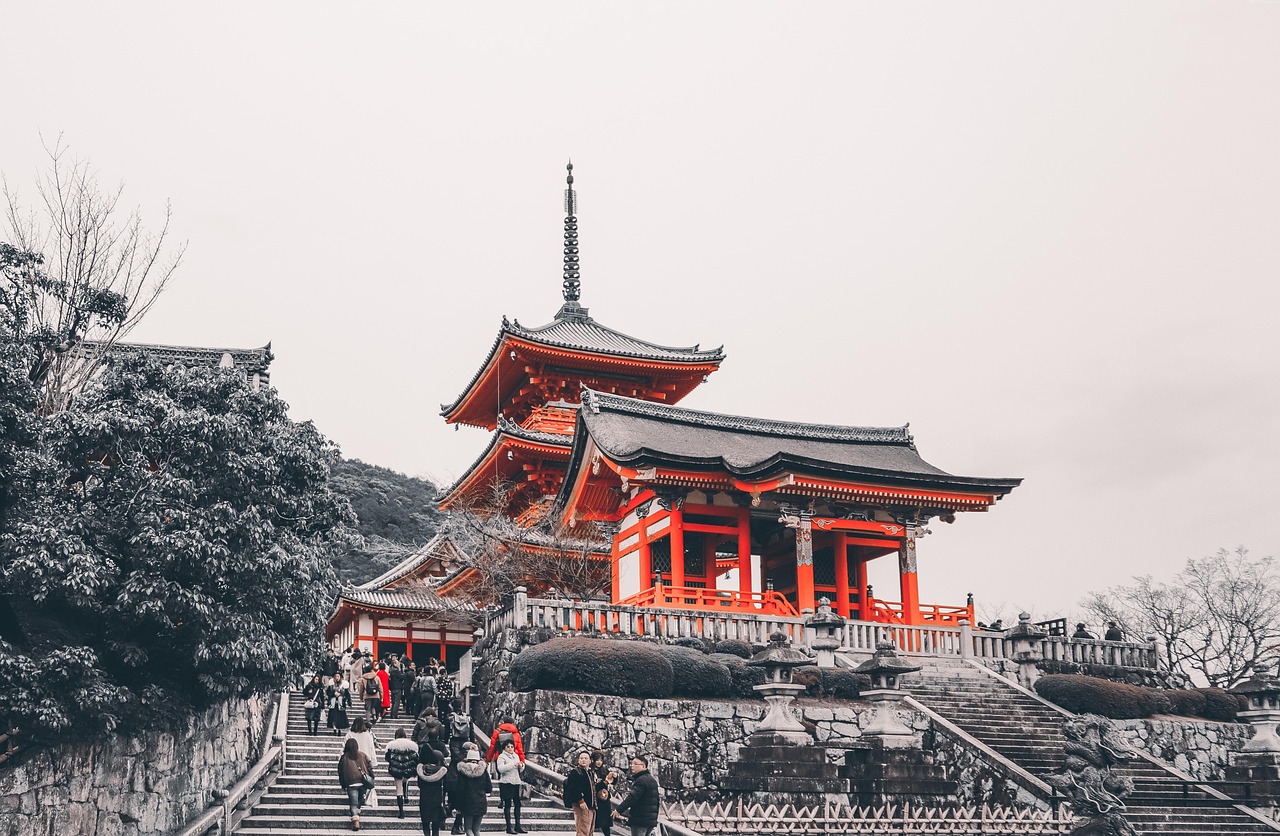
Day 1: Kiyomizu-dera Temple
Shrine
e.g., Fushimi Inari-taisha, Heian Jingu Shrine
Garden
Day 2: Tenryu-ji Temple
Food Market
Day 2: Return to Kyoto City and Dinner at Nishiki Market
Ramen Shop
e.g., Ramen Sen no Kaze Kyoto, Menbakaichidai
Tea Ceremony
e.g., Camellia Tea Ceremony, En Tea Ceremony
Bamboo Forest
Day 2: Arashiyama Bamboo Grove
Geisha District
Day 1: Gion District
Traditional Street
Day 1: Sannenzaka and Ninenzaka Streets
Local Cuisine
Day 2: Lunch at Yudofu Sagano
Bridge
Day 2: Togetsukyo Bridge
Historical Site
e.g., Nijo Castle, Kyoto Imperial Palace
Zen Garden
Day 3: Ryoan-ji Temple
Mountain View
Day 2: Iwatayama Monkey Park
Kyoto's cuisine is renowned for its refined flavors, emphasis on seasonal ingredients (shun), and beautiful presentation. From delicate kaiseki meals to comforting street food, the city offers a diverse culinary experience that reflects its rich history and cultural heritage. Don't be afraid to explore beyond the tourist hotspots to discover hidden culinary gems.
Must-Try Dishes
A traditional multi-course Japanese haute cuisine characterized by its artistry, seasonal ingredients, and meticulous preparation. It's like a culinary art form.
📍 Traditional Ryotei (Japanese restaurants), high-end hotels
Buddhist vegetarian cuisine featuring tofu, vegetables, and seasonal ingredients. It's a light and flavorful experience.
📍 Zen temples, vegetarian restaurants near temples
Simmered tofu in a flavorful broth, served with various condiments. Simple yet incredibly delicious and comforting, especially in winter.
📍 Restaurants in the Arashiyama area, especially near Tenryu-ji Temple
Kyoto-style home cooking featuring local, seasonal vegetables prepared in simple, flavorful ways. It represents the essence of Kyoto's food culture.
📍 Local restaurants, Obanzai specialty shops, Nishiki Market
Food Neighborhoods
Traditional teahouses, Kaiseki Ryori, high-end dining
Street food, local produce, Tsukemono, seafood
Yudofu, traditional restaurants with scenic views
Riverside dining, diverse cuisine options, vibrant atmosphere
Vegetarian options are increasingly available, especially Shojin Ryori. Vegan options may be more limited but can be found with research or by asking specifically. Halal options are scarce, but some restaurants may accommodate requests with advance notice. Be aware of soy sauce and dashi (fish broth) as common ingredients. Communicate allergies clearly using translation apps or cards.
Use chopsticks correctly. Slurping noodles is acceptable. Say "itadakimasu" before eating and "gochisousama deshita" after. Avoid sticking chopsticks upright in a bowl of rice. Tipping is not customary.
Cherry Blossom Season
HanamiPeak cherry blossom viewing season with picnics under blooming trees.
Note: Book 3+ months ahead - hotels sell out quickly
Golden Week
Japan's longest holiday period with multiple national holidays. Domestic travel surge.
Note: Book 3+ months ahead or avoid entirely
Gion Matsuri
One of Japan's most famous festivals with elaborate floats and traditional performances.
Note: Book 2 months ahead for mid-July
Autumn Leaves Season
KoyoPeak autumn foliage viewing with stunning red and gold colors across Japan.
Note: Book 2 months ahead for Kyoto
🛣️Interesting Detours & Side Trips
- 🚶From Kyoto Station, take bus number 206 to Kiyomizu-michi bus stop.$4
9:00 AM - Kiyomizu-dera Temple
Visit this iconic wooden temple perched on a hillside, offering panoramic views of Kyoto. Arrive early to beat the crowds and enjoy the serene atmosphere. Remember to drink from the Otowa Waterfall for good luck.
Book on Klook - 🚶Walk from Kiyomizu-dera Temple down to Sannenzaka and Ninenzaka Streets.FREE
11:00 AM - Sannenzaka and Ninenzaka Streets
Stroll through these charming preserved streets lined with traditional shops selling crafts, souvenirs, and local snacks. Be careful not to fall, as legend says it brings bad luck!
Book on Klook - 🚶Walk from Ninenzaka to Omen Kodaiji for lunch.$15
1:00 PM - Lunch at Omen Kodaiji
Enjoy a delicious and affordable lunch at Omen Kodaiji, known for its udon noodles served with a variety of toppings. It's a great spot for a quick and satisfying meal.
🍽️Create Custom ItineraryAdd restaurants for Lunch
Get personalized restaurant recommendations
Create a free custom itinerary to add hotels and restaurants
- 🚶Kodai-ji Temple is a short walk from Omen Kodaiji.$6
2:30 PM - Kodai-ji Temple
Explore this Zen temple known for its beautiful gardens and bamboo grove. It's a peaceful escape from the bustling streets.
Book on Klook - 🚶Walk from Kodai-ji Temple to the Gion District.FREE
4:30 PM - Gion District
Wander through Gion, Kyoto's geisha district, known for its preserved wooden machiya houses. Keep an eye out for geiko (Kyoto geisha) and maiko (apprentice geisha).
Book on Klook - 🚶Gion Tanto is located in the Gion District, easily accessible by walking.$20
6:00 PM - Dinner at Gion Tanto
Enjoy a delicious and reasonably priced dinner at Gion Tanto, known for its okonomiyaki (savory pancake). It's a popular spot with locals and tourists alike.
🍽️Create Custom ItineraryAdd restaurants for Dinner
Get personalized restaurant recommendations
Create a free custom itinerary to add hotels and restaurants
Kyoto Station Area
Excellent transport links, many hotels and restaurants, easy access to other parts of the city.
📅 Best Time to Visit
March-May (spring for cherry blossoms) and September-November (autumn for colorful foliage) offer pleasant weather and stunning scenery.
The weather during the shoulder seasons in Kyoto is generally mild and comfortable. Expect sunny days with occasional showers, and cooler evenings. Temperatures are ideal for exploring the city on foot.
Spring (March-May) and Autumn (September-November) are considered shoulder seasons, offering pleasant weather and fewer crowds than peak summer.
Golden Week (late April-early May) and Obon (mid-August) are major holidays when travel and accommodation costs may increase.
Getting Around
World-class public transport with punctual trains and buses
Suica / Pasmo / ICOCA
Get a Japan Rail Pass for multi-city travel. Trains stop around midnight.
Travel
$1000 (Flights are highly variable)Accommodation
$150-200 (For 3 nights in a budget-friendly hotel or hostel)Food
$150-200Activities
$150-200Utilize convenience stores (konbini like 7-Eleven, FamilyMart, Lawson) for affordable and quality meals, snacks, and drinks. They offer a wide variety from sushi to bento boxes.
Opt for public transportation (bus/subway) using an IC card or a day pass rather than taxis, which can be very expensive, especially for longer distances.
Indulge in a traditional multi-course Kaiseki dinner, a quintessential Kyoto culinary experience, or stay at a luxurious ryokan (traditional inn) for an authentic Japanese hospitality.
Invest in high-quality, authentic local crafts like Kiyomizu-yaki pottery, Nishijin-ori textiles, or traditional Japanese sweets as lasting souvenirs.
Look for 'lunch sets' (ran-chi setto) at restaurants, often offering significant savings compared to dinner menus for the same dishes.
Explore the many free attractions in Kyoto, such as the Fushimi Inari Taisha shrine with its thousands of torii gates, the scenic Philosopher's Path, and numerous public parks and gardens.
- Purchase a Japan Rail Pass if you plan to travel extensively throughout Japan.
- Consider purchasing a Kyoto City Subway One-Day Pass for convenient and affordable transportation within the city.
- Learn basic Japanese phrases to enhance your interactions with locals.
- Carry cash, as many smaller establishments do not accept credit cards.
- Remove your shoes when entering temples, shrines, and traditional restaurants.
- Be mindful of noise levels in residential areas and on public transportation.
- Utilize coin lockers at train stations for storing luggage.
- Book accommodations and popular activities in advance, especially during peak season.
- 1Comfortable walking shoes
- 2Lightweight and breathable clothing
- 3Rain jacket or umbrella
- 4Portable charger
- 5Adaptor for Japanese outlets
- 6Pocket Wi-Fi router or SIM card
- 7Phrasebook or translation app
- 8Reusable water bottle
- 9Small backpack for day trips
- 10Medications (with prescriptions, if necessary)
Flights
Book 3-6 months in advance, especially for peak seasons (spring/autumn).
Accommodation
Book 3-6 months ahead, especially for cherry blossom season (March-April) or fall foliage (October-November), as popular ryokans and hotels fill up fast.
Japan Rail Pass
Purchase exchange order before leaving your home country if planning extensive travel by Shinkansen or JR trains, then activate upon arrival. Check if it makes financial sense for your itinerary.
Pocket WiFi / eSIM
Order online at least 2-4 weeks before departure to ensure delivery or pick-up upon arrival.
Specific Cultural Experiences (e.g., Tea Ceremony, Kaiseki Dinner)
For popular or high-end experiences, book 1-2 months in advance, particularly if you have specific dates or times in mind.
Popular Restaurant Reservations
For highly-rated or Michelin-starred restaurants, reservations can be required weeks or even months in advance. Some may require hotel concierge assistance.
Visa Requirements
Check visa requirements for your nationality well in advance of your trip (typically 3-6 months).
Note: Travel conditions, regulations, and local customs may change. We recommend verifying essential details — such as visa requirements, emergency contacts, and payment options — closer to your travel date.
SIM & Connectivity
SIM Options
📍 Airalo website or app
📍 Mobal website (delivered to your hotel or airport)
📍 Japan Wireless website (delivered to your hotel or airport)
Free WiFi is widely available in hotels, cafes, and some public areas like train stations. However, the quality and reliability can vary. Pocket WiFi or SIM card is recommended for consistent connectivity.
Useful Apps
Consider purchasing a Japan Rail Pass if you plan on extensive travel outside of Kyoto. Download offline maps and translation packs before your trip. Check the data coverage maps of different providers before choosing a SIM card. Ensure your phone is unlocked before using a local SIM.
Electric Socket Guide
Socket Types
Two flat parallel pins
Two flat parallel pins + round ground
100V
50/60Hz
Tipping Etiquette
Not expected — tipping can be considered rude
Not expected
Not expected; leave a tip in an envelope if desired
Japan has a no-tipping culture. Excellent service is the standard.
Safety & Travel Advisories
Kyoto is generally a very safe city for tourists. Exercise normal precautions against petty theft, especially in crowded areas.
Check official government advisories for the latest safety information, entry requirements, and travel warnings before your trip.
Emergency Numbers
110
119
119
English support available at #7119 (medical) and #9110 (police non-emergency)
Payments
Cash is still widely used, especially at small shops and rural areas
Accepted at major stores and hotels; less common at small restaurants
IC cards (Suica/Pasmo) widely accepted at convenience stores and transit
Carry cash — many places are cash-only. 7-Eleven ATMs accept foreign cards.
Customize This Trip
Get this itinerary tailored to YOUR exact dates, preferences, and budget.
- Personalized for your dates
- Weather-aware recommendations
- Offline access
- Real-time pricing
- Budget tracking
No sign-up required
Quick Actions
Trip Summary
How was this itinerary?
The best times to visit Kyoto are during the spring (March-May) and autumn (September-November). Spring offers beautiful cherry blossoms, while autumn boasts stunning colorful foliage. The weather is also generally pleasant during these seasons.
Related Itineraries

Customize This Trip
Get this itinerary tailored to YOUR exact dates, preferences, and budget.
- Personalized for your dates
- Weather-aware recommendations
- Offline access
- Real-time pricing
- Budget tracking
No sign-up required
Quick Actions
Trip Summary
Want a Personalized Version?
Get this itinerary customized for your exact travel dates, with weather-aware recommendations and real-time pricing.
Create My Custom Itinerary60sBrowse by travel style: