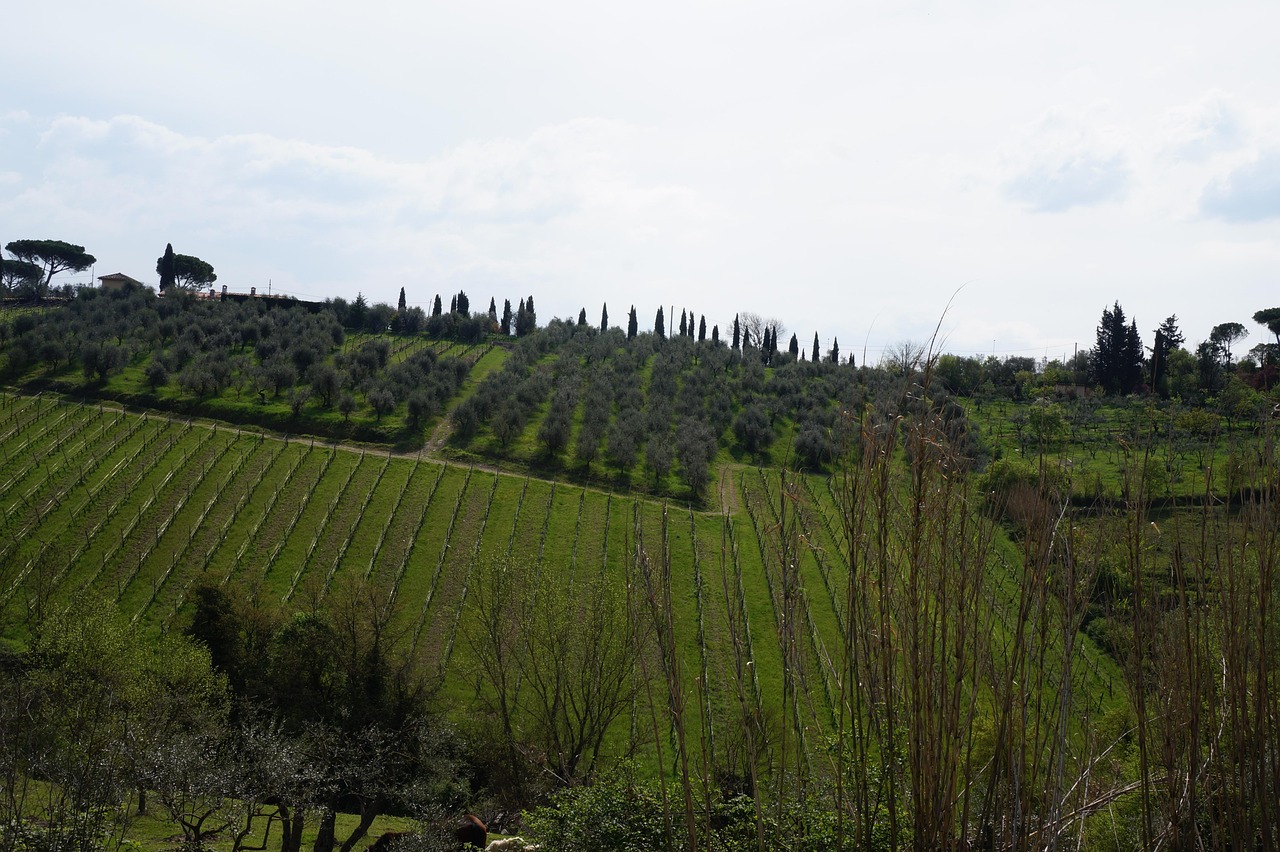
10 Days Italy Food & Culinary Itinerary
This 10-day culinary journey through Italy explores Rome, Bologna, Florence, and Naples, immersing you in the country's rich history, art, and, most importantly, its diverse and delicious food culture. From pasta-making classes to street food tours, this itinerary balances iconic landmarks with authentic local experiences, all within a moderate budget.
Duration
10 days
Budget
$1000-2000
Best Time
The ideal times to visit Italy are spring (April-May) and autumn (September-October) when the weather is pleasant, and tourist crowds are more manageable
Activities
40
Daily Avg
$150/day
Cities
Rome (2d), Bologna (2d), Florence (3d), Naples (3d)
Pace
Moderate
Italy offers a captivating blend of ancient history, stunning art, and world-renowned cuisine. Its diverse regions provide unique cultural experiences, from the bustling streets of Rome to the rolling hills of Tuscany, making it an unforgettable travel destination.
Your itinerary covers 6 of 12 must-have experiences
An Ancient Roman Ruin
Day 1: Colosseum & Roman Forum
A Renaissance Masterpiece Gallery
Day 2: Vatican Museums & Sistine Chapel
A Grand Cathedral or Basilica
e.g., St. Peter's Basilica (Vatican City), Duomo di Firenze (Florence)
A Picturesque Coastal Village
e.g., Manarola (Cinque Terre), Positano (Amalfi Coast)
A Vineyard Wine Tasting
e.g., Antinori nel Chianti Classico (Tuscany), Ceretto (Piedmont)
A Traditional Food Market
Day 4: Bologna Food Tour
An Iconic Piazza Experience
Day 2: Gelato & Piazza Navona
A Culinary Cooking Class
Day 5: Pasta-Making Class
A Scenic Lake Town Escape
e.g., Bellagio (Lake Como), Sirmione (Lake Garda)
An Authentic Aperitivo Bar
Day 4: Aperitivo in Bologna
A Grand Palace or Historic Villa
e.g., Doge's Palace (Venice), Pitti Palace (Florence)
A Dramatic Mountain Landscape
e.g., Tre Cime di Lavaredo (Dolomites), Seceda (Dolomites)
Italian cuisine is a celebration of fresh, seasonal ingredients and regional specialties. From handmade pasta to wood-fired pizzas, each dish tells a story of tradition and passion. Be prepared to indulge in a culinary adventure that will tantalize your taste buds.
Must-Try Dishes
The quintessential Neapolitan pizza, featuring San Marzano tomatoes, mozzarella, fresh basil, salt, and extra-virgin olive oil. Its simplicity highlights the quality of the ingredients.
📍 Naples, or any pizzeria with a wood-fired oven
A Roman classic made with spaghetti, guanciale (cured pork cheek), Pecorino Romano cheese, black pepper, and egg yolks. Authentic carbonara does *not* contain cream.
📍 Rome, traditional trattorias
A creamy rice dish flavored with saffron, giving it a distinctive golden color and rich flavor. Often made with bone marrow and Parmigiano-Reggiano cheese.
📍 Milan, restaurants specializing in Lombard cuisine
A thick-cut T-bone steak from Chianina cattle, grilled rare and seasoned simply with salt and pepper. A true carnivore's delight.
📍 Florence, Tuscan steakhouses
Food Neighborhoods
Known for traditional Roman cuisine and lively atmosphere
Known for aperitivo and canal-side dining
Known for fresh produce and local specialties
Known for authentic Roman cuisine and offal dishes
Vegetarian options are readily available, especially pasta dishes and pizzas. Vegan options are becoming more common, but it's helpful to learn phrases like 'senza carne' (without meat) and 'senza latticini' (without dairy). Gluten-free pasta and pizza are also increasingly available, look for 'senza glutine' on menus. For allergies, clearly communicate your needs to the waitstaff, and use translation apps if necessary. Halal meat can be harder to find, but larger cities may have specific restaurants.
Italians take their food seriously. Meals are often leisurely and social affairs. Don't be afraid to ask questions about the menu. Tipping is not expected but appreciated for exceptional service (5-10% is sufficient). Avoid cutting spaghetti with a knife; twirl it with your fork against the spoon or bowl. Cappuccino is traditionally consumed only in the morning.
Venice Carnival
Carnevale di VeneziaHistoric carnival famous for elaborate masks and costumes in Venice.
Note: Book 3+ months ahead
🛣️Interesting Detours & Side Trips
- 🚶Arrive at Termini Station area$30 (train & hostel)
2:00 PM - Arrive in Rome & Check-in
Arrive at Fiumicino Airport (FCO), take the Leonardo Express train to Termini Station. Check into your accommodation near Termini for easy access to transportation.
🏨Create Custom ItineraryAdd your hotel booking
Search and add hotels to see on maps
Create a free custom itinerary to add hotels and restaurants
- 🚶Take the Metro B line from Termini to Colosseo station.$20 (entrance fee)
4:00 PM - Colosseum & Roman Forum
Explore the iconic Colosseum and wander through the ruins of the Roman Forum. Book tickets online in advance to avoid long queues. Arrive early for the best experience.
Book on Klook - 🚶Walk from the Colosseum to Trastevere (about 30 minutes) or take a tram/bus.$25
7:00 PM - Trastevere Dinner
Enjoy a traditional Roman dinner in the charming Trastevere neighborhood. Try 'Cacio e Pepe' at Roma Sparita (reservations recommended) or 'Supplì' from a street vendor.
🍽️Create Custom ItineraryAdd restaurants for Dinner
Get personalized restaurant recommendations
Create a free custom itinerary to add hotels and restaurants
- 🚶Walk along the Tiber River in Trastevere.FREE
9:00 PM - Evening Stroll by the Tiber River
Take a leisurely walk along the Tiber River, enjoying the illuminated bridges and the vibrant atmosphere of Rome at night.
Book on Klook
Termini Station area
Convenient for transportation and access to attractions.
📅 Best Time to Visit
The ideal times to visit Italy are spring (April-May) and autumn (September-October) when the weather is pleasant, and tourist crowds are more manageable. Summer (June-August) is hot and very crowded, especially in popular cities and coastal areas, with many locals going on holiday in August (Ferragosto). Winter (November-March) offers fewer tourists and lower prices, though some seasonal attractions may be closed, and the weather can be chilly, particularly in the north.
The weather is generally sunny and mild, with comfortable temperatures for sightseeing. Rainfall is less frequent than in winter, making it a great time for outdoor activities.
Spring and autumn offer pleasant weather and fewer crowds, making them ideal for exploring Italy's cities and countryside.
Ferragosto (August 15th) can cause closures and increased prices, especially in coastal areas.
Getting Around
Trenitalia/Italo high-speed rail; metros in Rome, Milan, Naples
City-specific metro cards
Book Frecciarossa trains early for best prices. Validate bus/tram tickets before boarding!
Travel
$200-400 (train tickets, local transport)Accommodation
$400-600 (hostels, budget hotels, Airbnb)Food
$300-500Activities
$100-300Utilize Italy's excellent public transport (metro, buses, regional trains) instead of relying on expensive taxis or private transfers for inter-city travel.
Eat 'pizza al taglio' (pizza by the slice), panini, or grab fresh produce and prepared foods from local markets for delicious and affordable lunches.
Take advantage of 'aperitivo' culture in the evenings, especially in cities like Milan or Bologna, where a drink often comes with free snacks or a buffet.
Invest in a high-quality, multi-course meal at a traditional trattoria or osteria to experience authentic Italian regional cuisine and carefully selected wine pairings.
Consider a guided food tour, cooking class, or a professional wine tasting experience in a renowned region like Tuscany or Piedmont for a deeper cultural immersion.
Always drink your coffee standing at the bar ('al banco') like a local; it's almost always significantly cheaper than sitting down at a table.
- Always validate your physical train ticket (especially for regional trains) at the green/white machines on the platform before boarding to avoid fines.
- Be aware of 'coperto' (cover charge) or 'servizio' (service charge) added to restaurant bills, particularly in tourist-heavy areas; it is not a tip.
- Dress modestly when visiting churches, cathedrals, and the Vatican; shoulders and knees should be covered. Carry a scarf or shawl for this purpose.
- Learn a few basic Italian phrases (e.g., Buongiorno, Grazie, Per favore, Scusi); locals appreciate the effort and it enhances your experience.
- Carry some small euro notes (€5-€20) for small purchases, market stalls, or places that may not accept card payments.
- Guard your belongings diligently, especially in crowded tourist hotspots, public transport, and markets, where pickpocketing can occur.
- Coffee is typically enjoyed standing at the bar ('al banco') for a lower price than sitting at a table. An espresso is the standard 'caffè'.
- Comfortable walking shoes are paramount; you'll be doing a lot of walking on uneven cobblestone streets and climbing stairs.
- 1Comfortable walking shoes (essential for cobblestones and extensive walking).
- 2Lightweight layers (t-shirts, long-sleeved shirts, light jacket/cardigan) for varying temperatures and indoor/outdoor transitions.
- 3Scarf or shawl (for modesty in churches, warmth in evenings, and sun protection).
- 4Reusable water bottle (to refill at public 'nasoni' fountains in cities like Rome and reduce plastic waste).
- 5Universal travel adapter (Italy uses Type F and L plugs, with two or three round prongs).
- 6Small, secure cross-body bag or money belt (for valuables and to deter pickpockets).
- 7Sunscreen, hat, and sunglasses (especially important from spring to early autumn).
- 8Modest attire (clothing that covers shoulders and knees is required for entry into religious sites).
- 9Swimsuit (if planning to visit coastal areas, lakes, or hotels with pools).
- 10Portable power bank (for charging phones and other devices on the go).
Flights and Accommodation
Book 3-6 months in advance, especially for peak season (summer, holidays) or popular destinations like Rome, Florence, Venice.
High-Speed Train Tickets (e.g., Frecciarossa, Italo)
Purchase 1-2 months ahead for the best prices and seat availability, particularly on popular routes (Rome-Florence-Venice, Milan-Rome).
Major Attractions (e.g., Colosseum, Vatican Museums, Uffizi Gallery, Accademia Gallery)
Book timed-entry tickets online 1-2 months in advance to avoid extremely long queues and guarantee entry, especially during high season.
Popular Tours (e.g., Pompeii day trips, Amalfi Coast boat tours, Tuscany wine tours)
Secure bookings several weeks ahead, particularly during high season, as these experiences can sell out quickly.
International Driving Permit (IDP)
Obtain this before leaving home if you plan to rent a car and your home license is not from the EU or does not have a photo.
Travel Insurance
Arrange as soon as initial trip payments are made to cover unforeseen circumstances like trip cancellations, medical emergencies, or lost luggage.
eSIM or Physical SIM card
Consider purchasing an eSIM online before departure for immediate connectivity or plan to buy a physical SIM upon arrival at an official store.
Note: Travel conditions, regulations, and local customs may change. We recommend verifying essential details — such as visa requirements, emergency contacts, and payment options — closer to your travel date.
SIM & Connectivity
SIM Options
📍 Airalo app or website
📍 Vodafone stores at airports or city centers
📍 TIM stores at airports or city centers
📍 Online rental with delivery to your hotel or airport pickup
Free WiFi is widely available in hotels, cafes, and restaurants, especially in tourist areas. Public WiFi hotspots are also available in some cities, but speeds can be unreliable. Be cautious when using public WiFi and avoid accessing sensitive information without a VPN.
Useful Apps
Consider purchasing a local SIM card or eSIM upon arrival for reliable and affordable data access. Check the coverage maps of different providers to ensure good coverage in the areas you plan to visit. Download offline maps and translation packs before your trip. Remember to turn off data roaming on your home SIM card to avoid unexpected charges. Using a VPN can improve security on public WiFi networks.
Electric Socket Guide
Socket Types
Two round pins (Europlug)
Two round pins + side earth clips (Schuko)
Three round pins in a row
230V
50Hz
Tipping Etiquette
Coperto (cover charge) is standard; rounding up is appreciated
Round up to nearest euro
€1–2 per bag
Coperto covers bread/service. Extra tipping is not expected but appreciated.
Safety & Travel Advisories
Italy is generally a safe country for tourists. Be aware of pickpockets in crowded areas and tourist hotspots.
Check official government advisories for the latest safety information, entry requirements, and travel warnings before your trip.
Emergency Numbers
113
118
115
112 for European emergency number. Carabinieri: 112
Payments
Cash useful at trattorias and small shops
Accepted at most restaurants and shops
Growing rapidly
Legally, all businesses must accept cards. Still carry some cash for gelaterias and market stalls.
Customize This Trip
Get this itinerary tailored to YOUR exact dates, preferences, and budget.
- Personalized for your dates
- Weather-aware recommendations
- Offline access
- Real-time pricing
- Budget tracking
No sign-up required
Quick Actions
Trip Summary
How was this itinerary?
The best times to visit Italy are spring (April-May) and autumn (September-October) due to the pleasant weather and fewer tourists. Summer can be very hot and crowded, while winter can be chilly with some attractions closed.
Related Itineraries
Customize This Trip
Get this itinerary tailored to YOUR exact dates, preferences, and budget.
- Personalized for your dates
- Weather-aware recommendations
- Offline access
- Real-time pricing
- Budget tracking
No sign-up required
Quick Actions
Trip Summary
Want a Personalized Version?
Get this itinerary customized for your exact travel dates, with weather-aware recommendations and real-time pricing.
Create My Custom Itinerary60sBrowse by travel style: