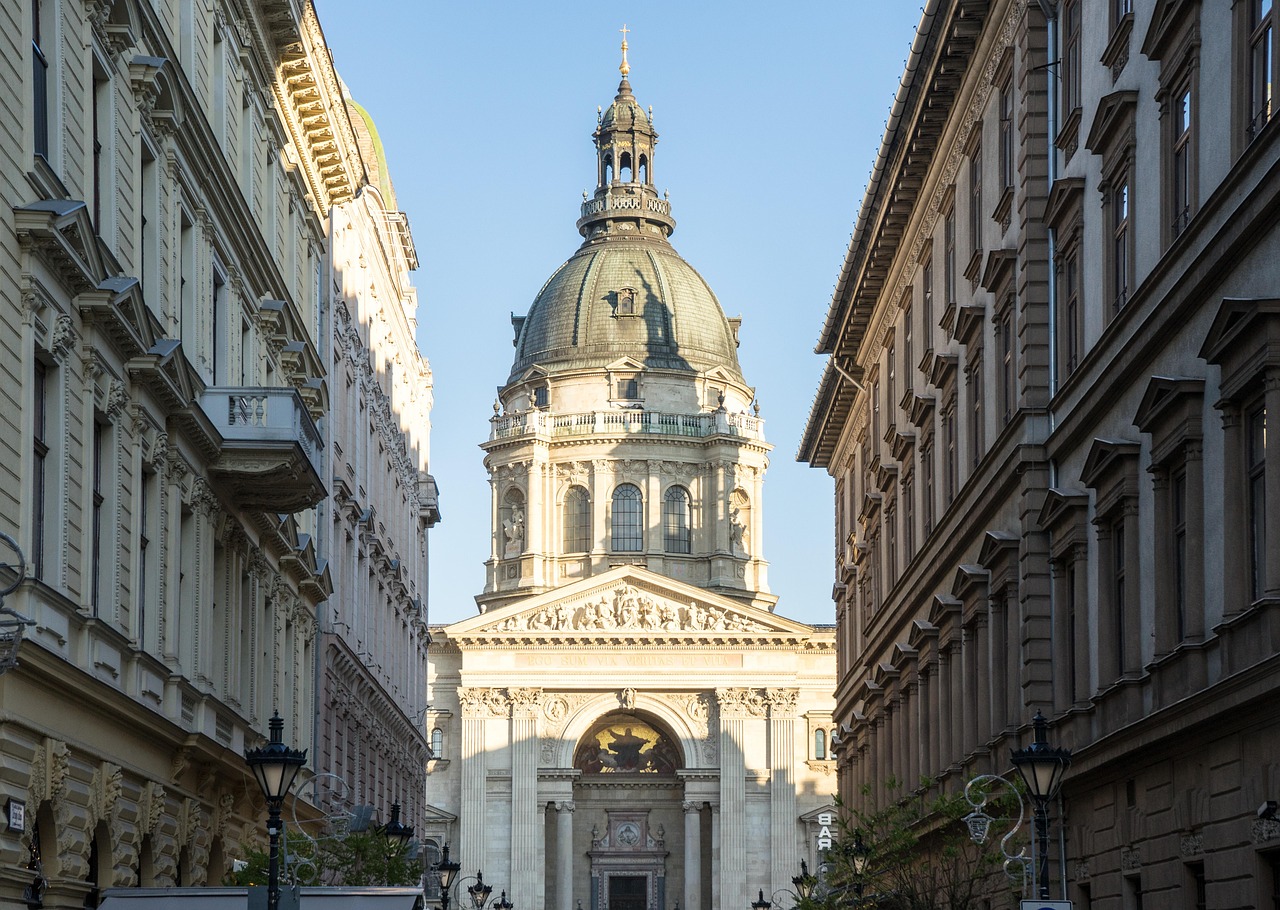
14 Days Europe Solo Travel Itinerary
Embark on a 14-day solo journey through the heart of Europe, exploring the captivating cities of Amsterdam, Berlin, Prague, Vienna, and Budapest. This itinerary balances iconic landmarks with local experiences, focusing on social opportunities and safety for solo travelers while staying within a moderate budget.
Duration
14 days
Budget
$1400 - $2800
Best Time
Europe offers diverse experiences year-round
Activities
59
Daily Avg
$150/day
Cities
Europe (2d), Amsterdam to Berlin (3d), Prague (3d), Vienna (3d), Budapest (3d)
Pace
Moderate
Europe offers a diverse range of cultures, histories, and landscapes within relatively short distances, making it perfect for a multi-city adventure. The efficient transportation system allows for easy travel between countries, and the vibrant cities provide ample opportunities for solo exploration and meeting new people.
Your itinerary covers 6 of 11 must-have experiences
Grand Historic Palace & Castle
Day 10: Schönbrunn Palace
Ancient Ruin & Historic Site
e.g., Colosseum (Italy), Acropolis of Athens (Greece)
World-Class Art Museum & Gallery
Day 2: Van Gogh Museum
Vibrant Local Food Market
Day 2: Lunch at Foodhallen
Charming Old Town Square
Day 6: Explore Old Town Square
Breathtaking Coastal Landscape
e.g., Santorini (Greece), Amalfi Coast (Italy)
Iconic Mountain & Lake Viewpoint
e.g., Swiss Alps (e.g., Jungfraujoch, Switzerland), Dolomites (Italy)
Dynamic Nightlife Spot
e.g., Ruin Bars (Budapest, Hungary), Berghain (Berlin, Germany)
Authentic Local Performance
e.g., Flamenco Show (Seville, Spain), Vienna State Opera (Austria)
Rejuvenating Thermal Spa
Day 13: Széchenyi Thermal Baths
Immersive Vineyard Tour & Tasting
Day 5: Kreuzberg Street Art Tour
European cuisine is incredibly diverse, reflecting the continent's rich history and varied cultures. From hearty stews to delicate pastries, there's something to satisfy every palate. Each country, and even region, boasts its own unique specialties, making culinary exploration a key part of any European adventure.
Must-Try Dishes
A simple yet iconic pizza with San Marzano tomatoes, mozzarella cheese, fresh basil, salt, and extra-virgin olive oil. Its simplicity highlights the quality of the ingredients.
📍 Pizzerias throughout Italy, especially in Naples
A saffron-infused rice dish cooked in a wide, shallow pan, typically with seafood, chicken, or rabbit. There are many regional variations.
📍 Restaurants in Valencia and along the Spanish coast
A buttery, flaky pastry made from laminated dough. Best enjoyed fresh and warm, often with coffee.
📍 Bakeries (boulangeries) throughout France
A thin, breaded, and pan-fried cutlet of veal. Traditionally served with a slice of lemon and parsley.
📍 Traditional Austrian restaurants (Gasthäuser) in Vienna
Food Neighborhoods
Known for falafel, Jewish bakeries, and trendy cafes
Known for traditional Roman cuisine and lively atmosphere
Known for tapas, Catalan cuisine, and artisan food shops
Known for its diverse international cuisine, including Turkish and Vietnamese options
Vegetarian and vegan options are increasingly available in most European cities, but it's helpful to learn a few key phrases in the local language. Gluten-free options are also becoming more common, but it's wise to check with restaurants in advance. For halal meals, look for restaurants specifically catering to Muslim communities.
Tipping customs vary across Europe. In some countries, service is included in the bill, while in others, a small tip (5-10%) is expected. It's generally polite to wait for everyone to be served before starting to eat. In some cultures, it's customary to keep your hands above the table, rather than in your lap.
Oktoberfest
September-OctoberCelebrated primarily in Munich, Germany, but also in other parts of Europe. Expect crowded conditions and higher prices in Munich during this time.
Christmas Markets
November-DecemberMany cities host Christmas markets, which can be crowded but offer a festive atmosphere.
Carnival
February-MarchCelebrated in various forms throughout Europe, particularly in Venice and Cologne. Expect street parades and festivities.
🛣️Interesting Detours & Side Trips
- 🚆Take a train from Schiphol Airport to Amsterdam Centraal Station, then a tram to your hostel in De Pijp.$5 (train)
2:00 PM - Arrival at Amsterdam Schiphol Airport (AMS) & Hostel Check-in
Take the train from Schiphol to Amsterdam Centraal Station (approx. 15 minutes). Check in to your hostel, such as The Flying Pig Downtown or Stayokay Amsterdam Stadsdoelen. Leave your luggage and freshen up.
🏨Create Custom ItineraryAdd your hotel booking
Search and add hotels to see on maps
Create a free custom itinerary to add hotels and restaurants
- 🚶Take a tram from your hostel in De Pijp to Dam Square.FREE
4:00 PM - Explore Dam Square & Royal Palace
Walk to Dam Square, the heart of Amsterdam. See the Royal Palace and the Nieuwe Kerk (New Church). People-watch and soak in the atmosphere.
Book on Klook - 🚶FEBO has several locations throughout Amsterdam, easily accessible by tram or walking.$5
6:00 PM - Dinner at FEBO
Experience Dutch fast food at FEBO. Try a 'kroket' or 'frikandel' from the vending machine. It's a cheap and quick way to grab a bite.
🍽️Create Custom ItineraryAdd restaurants for Dinner
Get personalized restaurant recommendations
Create a free custom itinerary to add hotels and restaurants
- 🚶Take a tram from FEBO to De Ruijterkade for the canal cruise.$20
7:30 PM - Evening Canal Cruise
Take a canal cruise to see Amsterdam from a different perspective. Many cruises depart from near Centraal Station. Book in advance online for better prices.
Book on Klook
De Pijp
Lively neighborhood with restaurants, bars, and the Albert Cuyp Market, close to museums and Vondelpark.
📅 Best Time to Visit
Europe offers diverse experiences year-round. Spring (April-May) and Autumn (September-October) are generally ideal, with mild weather, fewer crowds, and lower prices, perfect for sightseeing and enjoying cultural events. Summer (June-August) is warm and vibrant, with numerous festivals and outdoor activities, but also sees peak tourist crowds and higher costs. Winter (November-March) can be cold, especially in Northern Europe, but brings festive Christmas markets, opportunities for winter sports, and generally lower prices for accommodation and flights outside of holiday periods. Be mindful of regional variations, e.g., Mediterranean summers are hot and dry, while Northern winters can be very cold and snowy.
The weather in Europe during the shoulder season is generally mild, but can be unpredictable. Expect sunny days with cooler evenings, and occasional rain showers. Layering clothing is recommended.
This itinerary falls during the shoulder season (Spring/Autumn), offering a balance of pleasant weather, fewer crowds, and reasonable prices.
Check for local holidays in each city, as they may affect opening hours of attractions and transportation schedules.
Travel
$300 - $600 (Flights, trains, buses)Accommodation
$400 - $700 (Hostels, budget hotels)Food
$400 - $800Activities
$300 - $700Utilize free walking tours in major cities to get acquainted with the area and history without cost. Pack picnics from local markets or supermarkets for lunches to save significantly on restaurant meals.
Opt for public transportation instead of taxis or ride-shares; consider multi-day passes if you're doing a lot of sightseeing within a city. Walk as much as possible to save money and discover hidden gems.
Invest in a high-speed train journey (e.g., TGV, Frecciarossa) for the experience and efficient travel between major cities, offering stunning views and comfort over flying.
Treat yourself to a memorable meal at a highly-rated local restaurant, perhaps with a Michelin star, or a unique culinary experience like a cooking class focusing on regional specialties.
Look for 'Menu del Día' (Spain) or 'Plat du Jour' (France) for excellent value lunch deals at local restaurants, often offering multiple courses at a fixed, lower price than dinner.
Venture slightly off the main tourist streets for food and souvenirs. Prices tend to be higher and quality often lower right next to major attractions; authentic experiences are usually found a few blocks away.
- **Embrace Public Transport:** Europe boasts excellent public transportation networks (trains, trams, metros, buses). Utilize them for efficient and cost-effective travel within and between cities.
- **Carry a Mix of Payments:** While credit/debit cards are widely accepted, especially contactless payments, it's wise to carry some local currency for small purchases, street vendors, or places that might prefer cash.
- **Tipping Etiquette Varies:** Tipping customs differ significantly by country. Generally, a service charge may be included; if not, rounding up or leaving 5-10% for excellent service is common, but not always mandatory like in the US.
- **Pack Comfortable Walking Shoes:** Many European cities are best explored on foot, with historic centers featuring cobblestone streets. Comfortable, supportive shoes are an absolute must.
- **Learn Basic Phrases:** While English is widely spoken in tourist areas, learning a few basic phrases in the local language (e.g., 'hello', 'thank you', 'excuse me') is greatly appreciated and can enhance your experience.
- **Beware of Pickpockets:** In crowded tourist areas, major attractions, and on public transport, be vigilant about your belongings. Use a money belt or secure bag, and never leave valuables unattended.
- **Universal Adapter:** Bring a universal travel adapter (Type C or F plugs are standard across most of continental Europe) to charge your electronics.
- 1Layered clothing (to adapt to varying temperatures and indoor/outdoor conditions)
- 2Comfortable walking shoes (essential for extensive sightseeing on diverse terrain)
- 3Universal travel adapter (Type C/F plugs are standard)
- 4Reusable water bottle (to stay hydrated and reduce plastic waste; refill stations are common)
- 5Small daypack or cross-body bag (for daily essentials and security)
- 6Light rain jacket or compact umbrella (weather can change quickly)
- 7Scarf or shawl (for modesty when entering religious sites, warmth, or style)
- 8Basic first-aid kit (including blister plasters, pain relievers, and any personal medications)
- 9Portable power bank (to keep devices charged on long days)
- 10Copies of important documents (passport, visas, insurance) stored separately or digitally
Flights & Accommodation
Book 3-6 months ahead, especially for peak season travel, to secure best prices and availability.
Major Attractions & Museums
Many popular sites (e.g., Eiffel Tower, Vatican Museums, Anne Frank House) require timed entry; book weeks to months in advance to avoid long queues and ensure entry.
Train Tickets (especially high-speed/overnight)
Booking 1-3 months ahead often yields better prices and guarantees seats, particularly for popular routes like Eurostar or TGV.
Visa / ETIAS
Check current visa requirements for your nationality well in advance. ETIAS will be mandatory for many non-EU visitors from 2025; apply before departure.
Travel Insurance
Purchase comprehensive travel insurance as soon as you book your first flight or accommodation to cover cancellations, medical emergencies, and lost luggage.
eSIM / International SIM
Arrange before departure (eSIM) or plan to purchase upon arrival to ensure immediate connectivity.
International Driving Permit (if renting a car)
Required in many European countries alongside your domestic license; obtain before departure.
Note: Travel conditions, regulations, and local customs may change. We recommend verifying essential details — such as visa requirements, emergency contacts, and payment options — closer to your travel date.
SIM & Connectivity
SIM Options
📍 Airalo website or app
📍 Vodafone stores at airports or in major cities
📍 Amazon, airport kiosks, or Orange stores
Free WiFi is widely available in hotels, cafes, and restaurants throughout Europe. Many cities also offer free WiFi in public areas like parks and squares. However, speeds and reliability can vary, so it's a good idea to have a backup data plan.
Useful Apps
Download offline maps and translation packs before your trip to save on data. Check if your mobile carrier offers international roaming plans, but these can be expensive. Be aware of data roaming charges if you're not using a local SIM or WiFi. Consider using a VPN for added security when using public WiFi.
Safety & Travel Advisories
Europe is generally safe for tourists. Be aware of petty theft, especially in crowded areas. Stay informed about local events and follow any safety guidelines issued by local authorities.
Check official government advisories for the latest safety information, entry requirements, and travel warnings before your trip.
Customize This Trip
Get this itinerary tailored to YOUR exact dates, preferences, and budget.
- Personalized for your dates
- Weather-aware recommendations
- Offline access
- Real-time pricing
- Budget tracking
No sign-up required
Quick Actions
Trip Summary
How was this itinerary?
The best time to visit Europe depends on your preferences. Spring and Autumn offer pleasant weather and fewer crowds, while Summer is ideal for outdoor activities but can be crowded and expensive. Winter is great for Christmas markets and winter sports.
Related Itineraries


Customize This Trip
Get this itinerary tailored to YOUR exact dates, preferences, and budget.
- Personalized for your dates
- Weather-aware recommendations
- Offline access
- Real-time pricing
- Budget tracking
No sign-up required
Quick Actions
Trip Summary
Want a Personalized Version?
Get this itinerary customized for your exact travel dates, with weather-aware recommendations and real-time pricing.
Create My Custom Itinerary60sBrowse by travel style: