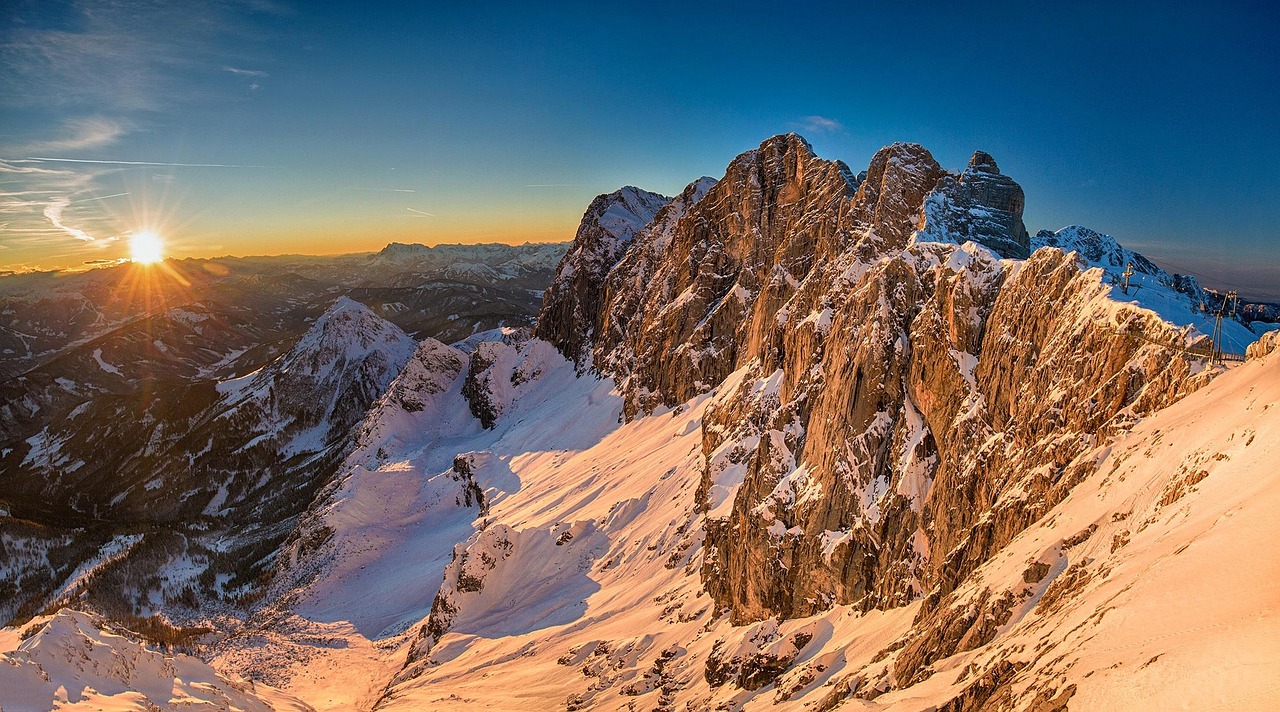
7 Days The Alps Itinerary
This 7-day adventure through the Alps takes you from the mountaineering hub of Chamonix to the car-free village of Zermatt and the historic city of Innsbruck. Experience the best of the Alps with challenging hikes, stunning views, and cultural immersion, all while staying within a moderate budget.
Duration
7 days
Budget
$700-1400
Best Time
The Alps offer distinct experiences by season
Activities
27
Daily Avg
$150/day
Cities
Chamonix (2d), Zermatt (2d), Innsbruck (3d)
Pace
Moderate
The Alps offer a breathtaking blend of stunning mountain scenery, charming villages, and thrilling outdoor adventures. This itinerary combines exploration of iconic destinations with opportunities for hiking, climbing, and experiencing the unique culture of the region.
Your itinerary covers 3 of 10 must-have experiences
Majestic Alpine Peaks & Hikes
Day 4: Matterhorn Glacier Paradise
Serene Alpine Lakes & Shores
e.g., Lake Bled (Slovenia), Lake Geneva (Lac Léman, Switzerland/France)
Fairytale Castles & Historic Fortresses
e.g., Neuschwanstein Castle (Germany), Chillon Castle (Switzerland)
Gourmet Dining & Traditional Alpine Huts
e.g., Chez Vrony (Zermatt, Switzerland), Flocons de Sel (Megève, France)
Scenic Alpine Train Journeys & Cable Cars
Day 1: Aiguille du Midi Cable Car
Luxurious Alpine Spas & Thermal Baths
e.g., Therme Vals (Switzerland), Aqua Dome (Längenfeld, Austria)
Charming Alpine Villages & Mountain Towns
e.g., Hallstatt (Austria), Lauterbrunnen (Switzerland)
Vibrant Après-Ski & Mountain Nightlife
e.g., MooserWirt (St. Anton am Arlberg, Austria), Bar Grichtl (Ischgl, Austria)
Unique Alpine Encounters & Hidden Gems
e.g., Ice Grotto (Titlis, Switzerland), Trift Bridge (Switzerland)
Alpine Heritage Museums & Local Crafts
Day 7: Breakfast at a local cafe
Alpine cuisine is hearty and comforting, reflecting the region's mountainous terrain and agricultural traditions. Expect dishes featuring cheese, potatoes, meat, and locally sourced ingredients, often prepared in rustic and satisfying ways. From Switzerland to Austria, the Alps offer a delicious culinary journey.
Must-Try Dishes
A Swiss classic, fondue involves dipping bread into a communal pot of melted cheese, typically Gruyère and Emmentaler. It's a social and delicious experience, perfect for a cold Alpine evening.
📍 Traditional Swiss restaurants, especially in ski resorts or Gruyères area.
Another cheese-based delight, raclette involves melting a large wheel of cheese and scraping the melted portion onto potatoes, pickles, and cured meats. It's rich, flavorful, and incredibly satisfying.
📍 Swiss and French Alpine restaurants, often served tableside.
A French Savoyard dish made with potatoes, reblochon cheese, lardons (bacon), and onions. It's baked until golden brown and bubbly, creating a comforting and flavorful casserole.
📍 Restaurants in the French Alps, particularly in the Savoie region.
A German and Austrian specialty, Käsespätzle are soft egg noodles mixed with melted cheese (usually Emmentaler or Gruyère) and topped with fried onions. Often served with a side salad.
📍 Austrian and German restaurants in the Alps, especially in Bavaria or Tyrol.
Food Neighborhoods
Famous for Gruyère cheese and traditional fondue.
Known for hearty Austrian cuisine like Käsespätzle and Speckknödel.
Home to Tartiflette and other cheese-rich dishes.
Offers delicious polenta and regional Italian specialties.
Vegetarian options are becoming increasingly available, but may be limited in smaller villages. Look for dishes featuring cheese, potatoes, and vegetables. Vegan options are less common, so it's best to inquire about modifications or bring your own snacks. Gluten-free options are also becoming more prevalent, but it's important to confirm with restaurants beforehand. Many dishes contain dairy, so those with lactose intolerance should be cautious.
In general, dining etiquette in the Alps is similar to Western European customs. It's polite to say 'bon appétit' (or the local equivalent) before starting your meal. Tipping is customary, usually around 5-10% for good service. When sharing fondue or raclette, avoid double-dipping your bread or utensils.
Alpine Cheese Festival
SeptemberCelebrates local cheese production with tastings and demonstrations.
International Mountain Film Festival
April/MayShowcases films about mountain culture and adventure.
Christmas Markets
DecemberTraditional Christmas markets with food, crafts, and festive atmosphere.
🛣️Interesting Detours & Side Trips
- 🚆Arrive at Geneva Airport (GVA) and take a direct bus or train to Chamonix. The bus is usually more direct.$50 (train) + $50 (accommodation)
12:00 PM - Arrive in Chamonix and Check-in
Take a train from Geneva Airport (GVA) to Chamonix-Mont-Blanc. Check into your hostel or budget hotel. Consider the Auberge de Jeunesse HI Chamonix or Hotel Pointe Isabelle.
🏨Create Custom ItineraryAdd your hotel booking
Search and add hotels to see on maps
Create a free custom itinerary to add hotels and restaurants
- 🚶Walk from your hotel in Chamonix Town Center to the Aiguille du Midi cable car station.$75
2:00 PM - Aiguille du Midi Cable Car
Ascend to the Aiguille du Midi for breathtaking views of Mont Blanc and the surrounding peaks. This is a must-do in Chamonix! Be prepared for altitude sickness - take it slow and drink plenty of water. Book tickets in advance to avoid long queues.
Book on Klook - 🚶Explore Chamonix Town Center on foot, as it's easily walkable.FREE
5:00 PM - Explore Chamonix Town
Wander through the charming streets of Chamonix, browse the outdoor gear shops, and soak in the atmosphere. Check out the Place Balmat and the church.
Book on Klook🏨Create Custom ItineraryAdd your hotel booking
Search and add hotels to see on maps
Create a free custom itinerary to add hotels and restaurants
- 🚶Walk or take a short taxi ride from Chamonix Town Center to Le Monchu restaurant.$25
7:00 PM - Dinner at Le Monchu
Enjoy a traditional Savoyard dinner at Le Monchu. Try the tartiflette or fondue. A more budget friendly options is finding a pizza shop.
🍽️Create Custom ItineraryAdd restaurants for Dinner
Get personalized restaurant recommendations
Create a free custom itinerary to add hotels and restaurants
Chamonix Town Center
Close to shops, restaurants, and the Aiguille du Midi cable car.
📅 Best Time to Visit
The Alps offer distinct experiences by season. Summer (June-September) is ideal for hiking, mountain biking, and enjoying lush landscapes and wildflowers, though popular areas can be crowded. Winter (December-April) is prime for skiing, snowboarding, and other snow sports, attracting large crowds and higher prices. Shoulder seasons (May, October-November) offer fewer crowds and lower costs, but weather can be unpredictable and some lifts or trails may be closed. Consider specific regional festivals or events when planning, as these can impact crowds and prices.
Summer in the Alps is generally warm and sunny, but afternoon thunderstorms are common, especially at higher elevations. Temperatures decrease with altitude.
Summer is peak season due to favorable hiking weather and longer daylight hours.
Check for local holidays in France, Switzerland, and Austria, as they can affect opening hours and transportation schedules.
Travel
$200-300 (trains and buses between cities)Accommodation
$350-700 (budget-friendly hotels or hostels)Food
$150-300 (mix of restaurant meals and self-catering)Activities
$100-200 (lift tickets, guided tours)Stay in guesthouses, hostels, or self-catered apartments and utilize local supermarkets for groceries. Preparing your own meals can significantly cut down on dining costs.
Make good use of the extensive public transport networks (trains, buses, cable cars). Many regions offer guest cards with free or discounted travel and attractions.
Indulge in a scenic train journey like the Glacier Express or Bernina Express, offering unparalleled panoramic views and a truly memorable Alpine experience.
Treat yourself to a traditional Alpine meal at a high-altitude mountain hut (Hütte/Chalet/Rifugio), savoring regional specialties with breathtaking vistas.
For affordable, hearty lunches, look for 'Tagesmenü' (daily menu) or 'Plat du Jour' offers at restaurants, especially during weekdays.
Explore less-known valleys and smaller towns beyond the famous resorts. They often offer similar natural beauty and outdoor activities at a fraction of the cost.
- Alpine weather is highly changeable; always pack layers and be prepared for sun, rain, or even snow, regardless of the season.
- Know the emergency numbers: 112 for most EU countries in the Alps, and 144/1414/117 for mountain rescue/emergency in Switzerland. Save local mountain rescue contacts.
- While credit cards are widely accepted in towns, carry some local currency (Euros, Swiss Francs) for small village shops, remote mountain huts, or markets.
- When hiking, always inform someone of your route and expected return time. Stick to marked trails and be aware of current conditions and avalanche risks (in winter).
- Book accommodation, popular tours, and train tickets well in advance, especially during peak summer and winter seasons, as availability can be scarce and prices higher.
- Observe local customs; a simple 'Grüezi' (Swiss German), 'Bonjour' (French), or 'Guten Tag' (German) on trails or in villages is appreciated.
- The sun's intensity is much higher at altitude. Use strong sunscreen (SPF 30+), wear sunglasses, and a hat, even on cloudy days or in winter.
- Stay hydrated and carry high-energy snacks, especially for any outdoor activities or longer journeys through less populated areas.
- 1Layered clothing: moisture-wicking base layers, insulating fleece or down mid-layer, waterproof and windproof outer shell jacket and pants.
- 2Sturdy hiking boots with good ankle support and waterproof capabilities for all seasons.
- 3Sun protection: high-SPF sunscreen, sunglasses (UV protection), and a wide-brimmed hat or beanie.
- 4Reusable water bottle and a small daypack (20-30L) for daily excursions.
- 5European power adapter (Type F/E, two round pins) for charging electronics.
- 6Swimsuit for spa resorts, thermal baths, or summer lake swimming.
- 7Basic first-aid kit, including blister plasters, pain relievers, and any personal medications.
- 8Headlamp or flashlight for early mornings, evenings, or unexpected situations on trails.
- 9Warm gloves and hat (essential even in summer for higher altitudes or chilly evenings).
- 10Trekking poles for added stability and reduced strain on knees, especially on descents.
Accommodation
Book 3-6 months in advance for peak season (summer/winter), and 1-2 months for shoulder season, particularly in popular resort towns like Zermatt, Chamonix, or Hallstatt.
Flights/Trains
Book 3-4 months ahead for the best prices and availability, especially if flying into major international hubs like Geneva, Zurich, Munich, or Milan.
Travel Insurance
Arrange immediately after booking your first major trip component. Essential to cover cancellations, medical emergencies, and adventure sports.
Mountain Passes/Lift Tickets
Purchase online a few weeks or days before arrival for potential discounts and to save time at ticket counters (e.g., Swiss Travel Pass, Jungfrau Travel Pass, ski passes).
Car Rental (if applicable)
Book 2-3 months in advance for better rates and vehicle choice, especially if planning a scenic road trip across multiple Alpine regions.
Guided Tours/Activities
Book 1-2 months ahead for popular activities like glacier walks, via ferrata, paragliding, or specific hiking tours, as spots can be limited.
Visa Requirements
Check visa requirements for the Schengen Area (most Alpine countries) or Switzerland several months before your intended travel date if you are not from a visa-exempt country.
eSIM / Local SIM
Consider purchasing and activating an eSIM before arrival to ensure immediate connectivity upon landing without searching for a physical SIM card.
Note: Travel conditions, regulations, and local customs may change. We recommend verifying essential details — such as visa requirements, emergency contacts, and payment options — closer to your travel date.
SIM & Connectivity
SIM Options
📍 Airalo app or website
📍 Vodafone stores at airports or city centers in countries like Germany, Austria, or Switzerland.
📍 Travel Wifi website or rental locations at major airports.
WiFi is generally available in hotels, cafes, and restaurants in larger towns and cities. However, connectivity can be spotty in remote mountain areas or smaller villages. Some ski resorts offer free WiFi in public areas, but it may be limited.
Useful Apps
Consider purchasing an eSIM before your trip for convenient and immediate connectivity upon arrival. Download offline maps and translation apps in case you encounter areas with limited or no internet access. Check with your accommodation regarding WiFi availability and reliability. Be aware of roaming charges if using your home country's SIM card; consider disabling data roaming to avoid unexpected costs.
Safety & Travel Advisories
The Alps are generally safe for tourists. Be aware of mountain weather conditions and potential hazards when hiking.
Check official government advisories for the latest safety information, entry requirements, and travel warnings before your trip.
Customize This Trip
Get this itinerary tailored to YOUR exact dates, preferences, and budget.
- Personalized for your dates
- Weather-aware recommendations
- Offline access
- Real-time pricing
- Budget tracking
No sign-up required
Quick Actions
Trip Summary
How was this itinerary?
The best time depends on your interests. Summer (June-September) is ideal for hiking and outdoor activities. Winter (December-April) is best for skiing and snowboarding. Shoulder seasons offer fewer crowds but potentially unpredictable weather.
Related Itineraries
Customize This Trip
Get this itinerary tailored to YOUR exact dates, preferences, and budget.
- Personalized for your dates
- Weather-aware recommendations
- Offline access
- Real-time pricing
- Budget tracking
No sign-up required
Quick Actions
Trip Summary
Want a Personalized Version?
Get this itinerary customized for your exact travel dates, with weather-aware recommendations and real-time pricing.
Create My Custom Itinerary60s