Italy rewards every type of traveler — history in Rome, art in Florence, romance in Venice, coastline along Amalfi, and some of the best food on the planet in every town in between. The country is compact enough that high-speed trains connect major cities in under two hours, and the tourism infrastructure is mature. But a few things are worth planning ahead. This guide covers realistic budgets, how to structure your days, what to book in advance, and what you can figure out when you arrive.
When to Go
Italy stretches from the Alps to the Mediterranean, so weather varies by region. But for most visitors doing the classic route, here's what to expect:
| Season | Months | What to expect |
|---|---|---|
| Spring | April – May | Warm days (18-24°C), fewer crowds than summer, wildflowers in Tuscany. Shoulder-season prices. |
| Summer | June – August | Hot (30-38°C in Rome), peak crowds, highest prices. Coastal areas are packed. Ferragosto (Aug 15) shuts down many local businesses. |
| Fall | September – October | Warm but comfortable, grape harvest season in Tuscany, thinning crowds. Best bang for your money. |
| Winter | November – February | Cold and rainy in the north, mild in the south. Museums are empty, flights are cheap. Venice can flood (acqua alta). |
Our recommendation: Late September to mid-October or April to mid-May. You get pleasant weather, shorter queues at major attractions, and shoulder-season hotel prices. See our weather-smart travel planning guide for more on timing your trip around seasons.
How Much Italy Costs (Realistic Daily Budget)
Italy is mid-range for Western Europe — cheaper than Switzerland or Scandinavia, slightly more than Spain or Portugal. Here's what daily spending looks like per person:
Budget: €80-120/day
- Sleep: Hostels (€25-40) or budget B&Bs (€40-60 for a double, split between two)
- Eat: Espresso and cornetto for breakfast (€2-3), pizza al taglio or panini for lunch (€5-8), pasta at a neighborhood trattoria for dinner (€10-15)
- Get around: Regional trains (€5-15 per trip), walking within cities
- Do: Free churches (including St. Peter's Basilica), piazzas, neighborhood strolls, free-entry museum days (first Sunday of the month)
Mid-range: €150-250/day
- Sleep: 3-star hotels or boutique B&Bs (€80-150)
- Eat: Sit-down trattorias, aperitivo hour (€8-12 for a drink with buffet snacks), occasional seafood dinner (€25-40)
- Get around: High-speed trains (Trenitalia Frecciarossa or Italo), booked in advance for best fares
- Do: Major attractions with skip-the-line tickets (€15-25), cooking class (€60-90), wine tasting in Tuscany (€30-50)
Luxury: €300+/day
- Sleep: 4-5 star hotels or agriturismos in Tuscany (€200-500+)
- Eat: Michelin-starred restaurants (€100+), private wine tours, truffle-hunting experiences
- Get around: First-class train or private transfers, water taxis in Venice (€70-100 per ride)
- Do: Private guided tours of the Vatican, after-hours museum visits, cooking with local chefs
The big variable is where you go. Venice, the Amalfi Coast, and Lake Como are 30-50% more expensive than Rome, Florence, or Naples. A meal that costs €12 in a Roman trattoria might be €20-25 on the Amalfi Coast.
You can generate an Italy itinerary with your specific budget and see the full cost breakdown before you go.
How to Get Around Italy
Between Cities: High-Speed Trains
Italy's high-speed rail network connects major cities quickly and affordably. Two operators run the same routes: Trenitalia (state-owned, Frecciarossa/Frecciargento) and Italo (private). Compare prices on both — Italo is often cheaper.
| Route | Time | Cost (booked early) |
|---|---|---|
| Rome → Florence | 1h 30min | €25-50 |
| Rome → Naples | 1h 10min | €15-40 |
| Florence → Venice | 2h 00min | €25-50 |
| Rome → Venice | 3h 45min | €30-60 |
| Milan → Rome | 2h 55min | €30-60 |
Book early for the best fares. Trenitalia and Italo both offer "Super Economy" and "Low Cost" fares that are 50-70% cheaper than walk-up prices. These go on sale 3-4 months before departure and are non-refundable.
Eurail Pass: When It's Worth It
A 4-day Eurail Italy Pass costs around €200. Individual high-speed tickets for Rome → Florence → Venice → Milan could total €80-180 if booked early, or €200+ at walk-up prices.
Worth it if: You're booking last-minute, making 3+ intercity trips, or combining Italy with other European countries on a broader Eurail pass.
Not worth it if: You book train tickets 1-2 months ahead at advance-purchase prices. Individual Trenitalia/Italo tickets will almost always be cheaper.
Within Cities
- Rome: Metro covers major sites (Colosseum, Vatican, Termini). Supplement with walking — the historic center is compact.
- Florence: Walk everywhere. The entire historic center is under 3 km across.
- Venice: Walk and use vaporetti (water buses). Buy a 24-48 hour vaporetto pass (€25-35) if you're island-hopping to Murano and Burano.
- Amalfi Coast: SITA buses connect towns along the coast (€2-5). Ferries run in summer (€8-15). Driving is stressful due to narrow roads and limited parking.
- Cinque Terre: Trains connect all 5 villages in minutes (€5 per hop or buy a Cinque Terre Card for unlimited trains + hiking trails, €16/day).
Sample Itineraries
3-4 Days: Rome Only
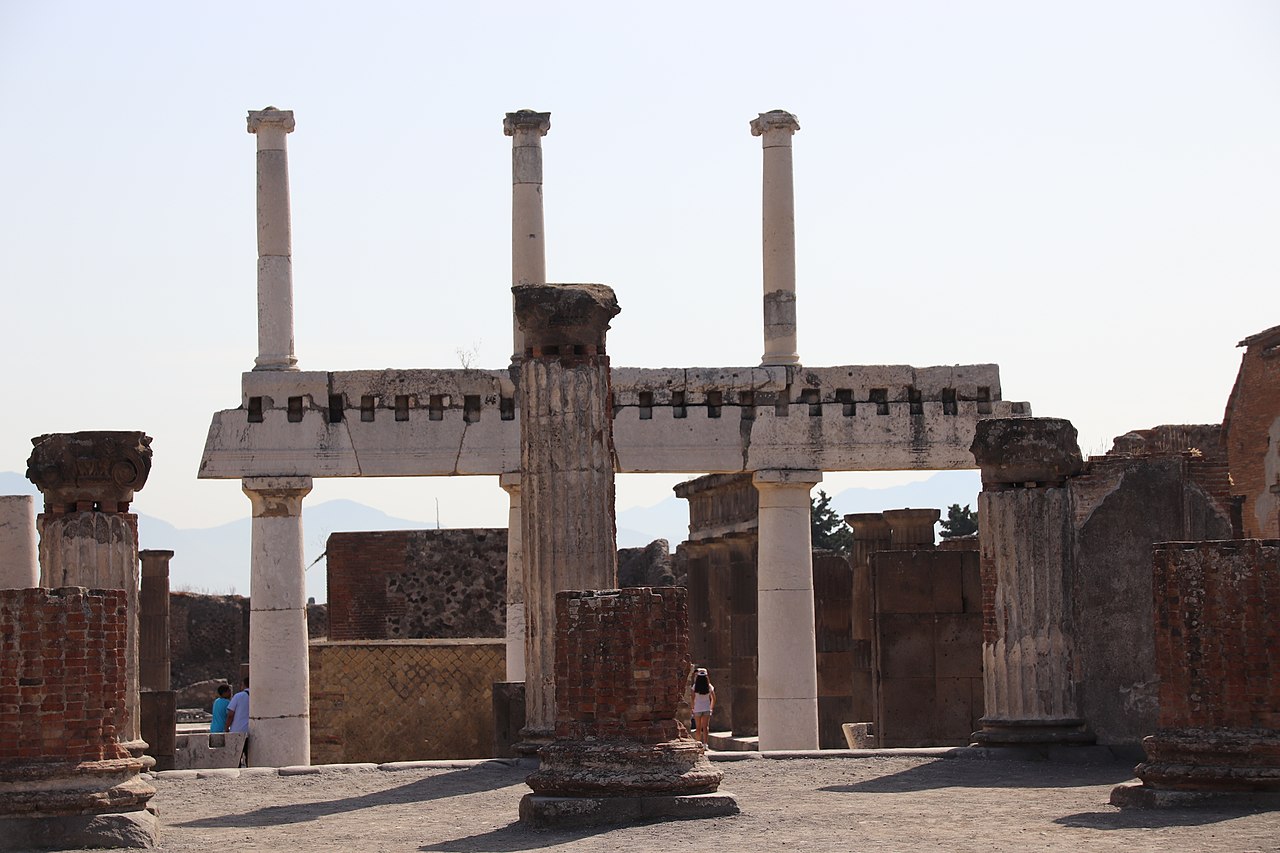
Three days covers the Colosseum and Roman Forum, Vatican Museums and Sistine Chapel, Trastevere neighborhood, Pantheon, Trevi Fountain, Piazza Navona, and the Borghese Gallery. Add a fourth day for a day trip to Pompeii (2.5 hours round trip by train) or Tivoli's Villa d'Este.
See our 3-day Rome itinerary for a day-by-day plan with costs and maps.
7 Days: The Classic Triangle (Rome → Florence → Venice)
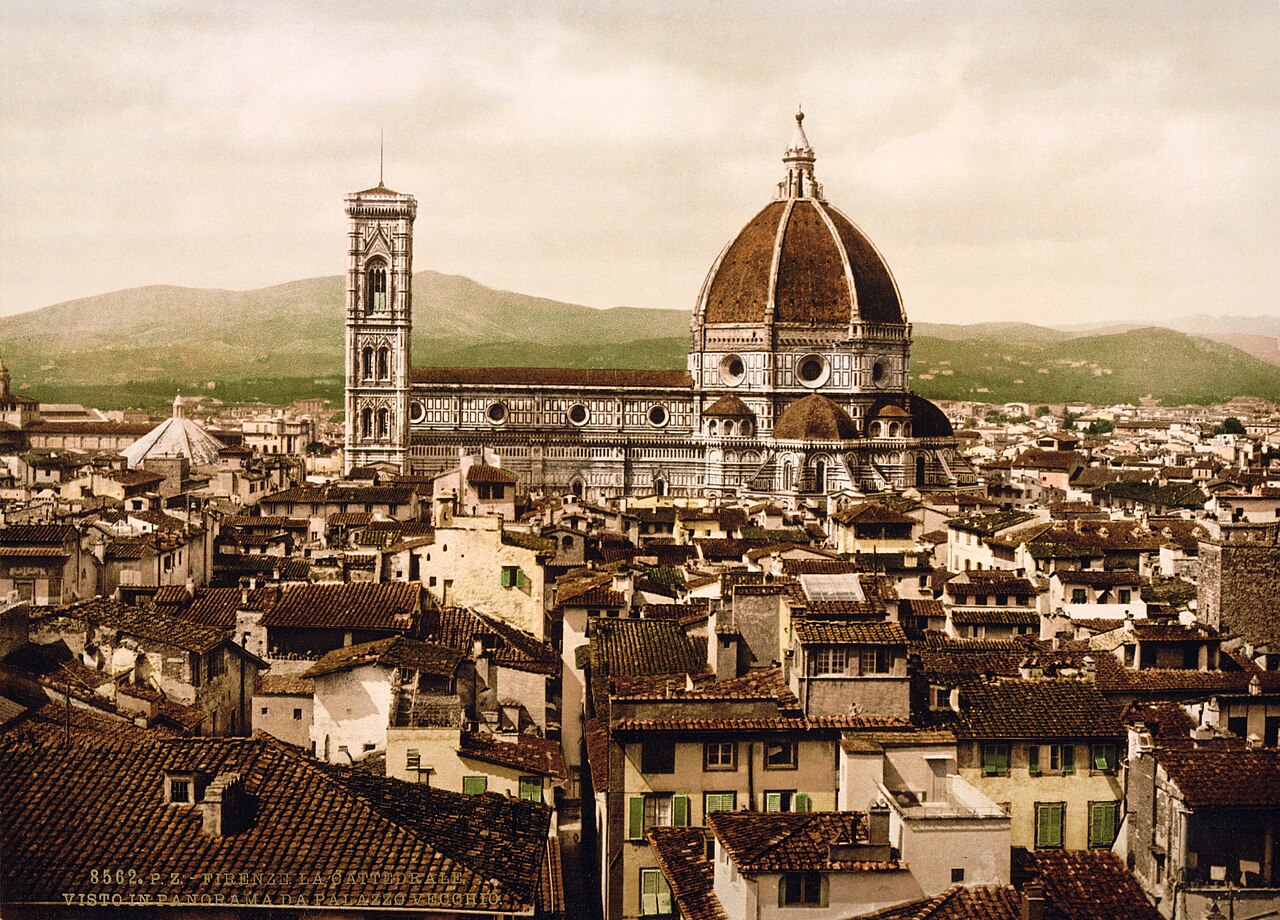
The most popular Italy itinerary. Three days in Rome (ancient ruins, Vatican, neighborhoods), two days in Florence (Uffizi, Duomo, Ponte Vecchio, Tuscan food), and two days in Venice (St. Mark's, Grand Canal, island day trip).
High-speed trains connect all three cities, so you spend your time sightseeing rather than in transit. See our 7-day Italy itinerary for the full route with budget breakdown.
10-14 Days: Beyond the Triangle
With 10 days, add the Amalfi Coast (2-3 days from Rome: Positano, Amalfi, Ravello) or Cinque Terre (2 days from Florence: hiking between colorful villages). With 14 days, you can do it all and add a Tuscan hill town day (San Gimignano, Siena) and Naples for the world's best pizza.
Multi-city Italy trips are where an AI-generated itinerary helps most — it handles train connections, hotel placement across cities, and pacing so you don't burn out.
Family Travel with Kids
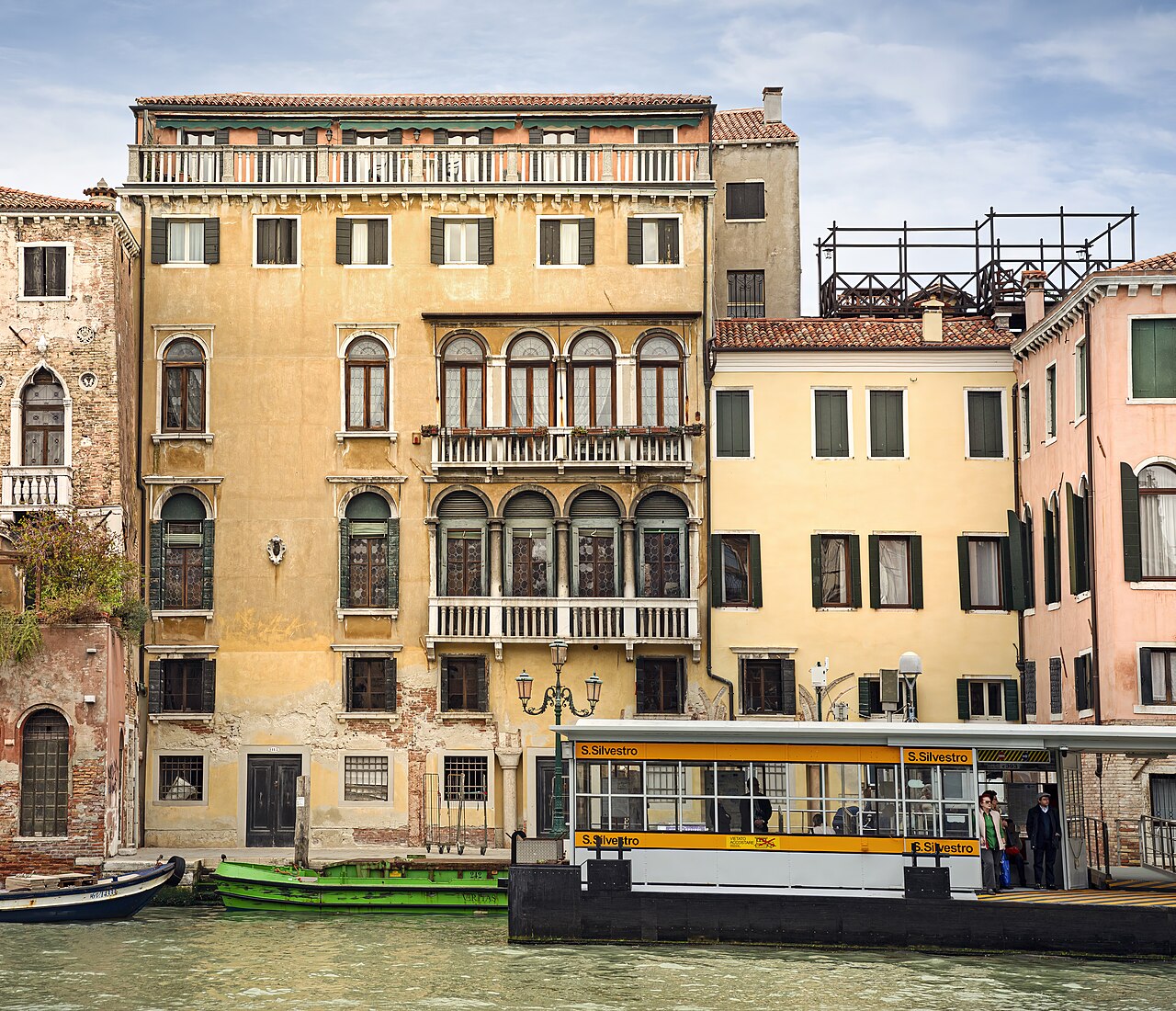
Italy is naturally family-friendly — Italians genuinely welcome children at restaurants, gelato is an instant morale booster, and the ruins and history are tangible in a way kids can touch and explore. Budget +30-50% over the mid-range tier for a family of 4 (extra beds, attraction tickets, and more gelato).
Kid-friendly highlights:
| Activity | Location | Cost (adult/child) | Best for |
|---|---|---|---|
| Colosseum + Roman Forum | Rome | ~€18 / Free (under 18) | Ages 6+, gladiator history comes alive |
| Vatican Museums | Rome | ~€17 / Free (under 6) | Ages 8+, Sistine Chapel ceiling |
| Gondola ride | Venice | ~€80 per gondola (up to 6 people) | All ages, 30-minute ride through canals |
| Pompeii | Near Naples | ~€16 / Free (under 18) | Ages 8+, a buried Roman city |
| Explora Children's Museum | Rome | ~€12 / €12 | Ages 3-11, interactive play |
Kid-friendly activities by city:
- Rome: Gladiator school workshops (kids dress up and learn sword techniques, ~€30/child), Borghese Gardens (rent rowboats on the lake, playground), gelato-making classes, tossing coins in the Trevi Fountain
- Florence: Leather-making workshops in the San Lorenzo market area, climbing the Duomo (463 steps — turns it into an adventure), gelato tours, the interactive Leonardo da Vinci Museum
- Venice: Glass-blowing demonstrations on Murano (free to watch), mask-painting workshops (~€25/child), island-hopping by vaporetto to colorful Burano, feeding pigeons in St. Mark's Square
- Amalfi Coast: Beach days at Positano or Maiori (the only sandy beaches), boat trips to grottoes, lemon grove tours with fresh lemonade
- Cinque Terre: Easy coastal path between Monterosso and Vernazza (kid-friendly section), swimming at Monterosso's beach, boat rides between villages
Family logistics:
- Italian EU law means all public museums are free for under-18 EU citizens, and most offer free or reduced entry for all children under 18 (bring passports as proof).
- Restaurants serve half portions (mezza porzione) for children on request — no formal kids' menu needed.
- High chairs and strollers are common in tourist areas but cobblestones make strollers exhausting. A baby carrier is more practical for Rome and Venice.
- Trains have family-friendly carriages on Frecciarossa services. Book "Salottino" (private 4-seat compartment) for long rides with small children.
What to Book Ahead (and What to Skip)
Book Ahead
- Vatican Museums and Sistine Chapel — Skip-the-line tickets (~€17) sell out days ahead. Without them, expect 2-3 hour queues in summer.
- Colosseum — Timed entry is required. Book online at least a week ahead during peak season. The Underground and Arena Floor tour sells out quickly.
- Uffizi Gallery (Florence) — Timed entry recommended April-October. Book 1-2 weeks ahead.
- Borghese Gallery (Rome) — Requires reservations (2-hour time slots, max 360 visitors). Book 2+ weeks ahead.
- High-speed train tickets — Super Economy fares are 50-70% cheaper than walk-up. Book as soon as dates are confirmed.
- Amalfi Coast hotels — Limited supply, especially in Positano. Book 2-3 months ahead for June-September.
Don't Bother Booking
- Restaurants — Walk-in culture dominates. Even popular trattorias just have a short wait. Exception: Michelin-starred or famous spots (like Da Michele in Naples).
- Churches — Free entry, including St. Peter's Basilica (expect a security queue, not a ticketed one).
- Cinque Terre trails — Buy the Cinque Terre Card on the day at any train station.
- Regional trains — No reservations needed or available. Buy at the station.
- Gelato — Obviously.
Practical Tips
Visa and Entry
US, UK, Canadian, and Australian passport holders get 90-day visa-free entry to Italy (and the entire Schengen Area). Starting in 2026, non-EU travelers will need ETIAS authorization (€7 online application, valid for 3 years). Check travel-europe.europa.eu/etias for the latest launch date — it has been delayed multiple times.
What you need at entry: Valid passport (must not expire within 3 months of departure from Schengen), return ticket, and proof of sufficient funds. In practice, these are rarely checked at EU borders, but have them accessible.
Money
- Cards are widely accepted in cities — more so than Japan or Germany. Visa and Mastercard work almost everywhere. American Express is less reliable.
- Carry some cash for small purchases, markets, family-run trattorias, and smaller towns. ATMs (bancomat) are everywhere — use bank-operated ones to avoid fees.
- Tipping is not expected but appreciated. Rounding up the bill or leaving €1-2 at restaurants is sufficient. Check if "coperto" (cover charge, €1-3/person) and "servizio" (service charge) are already on the bill.
- Watch for tourist traps near major monuments. If a restaurant has photos on the menu and a host aggressively waving you in, keep walking.
Connectivity
- EU roaming — If you have a European SIM, data roaming is free across the EU. For non-EU visitors, buy a prepaid SIM at the airport from TIM, Vodafone, or WindTre (€15-25 for 30 days with data).
- eSIM — Airalo, Holafly, and similar services offer Italy/Europe eSIMs from €10 for 5GB.
- Free WiFi is available in most hotels, cafes, and some public spaces. Quality varies.
Food Etiquette
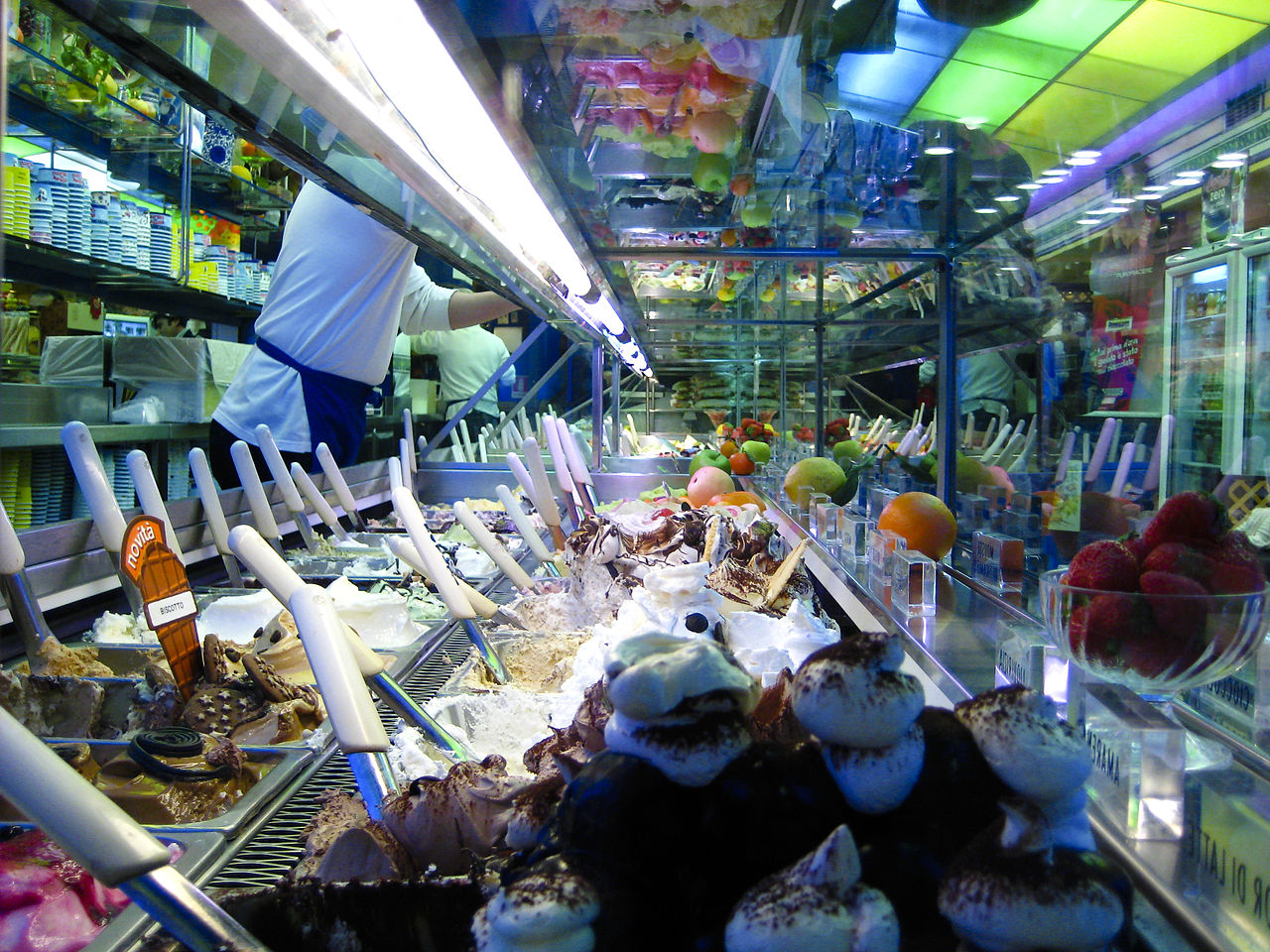
- Breakfast is light. Italians drink espresso and eat a cornetto (croissant) at the bar. Don't expect a big cooked breakfast.
- Lunch is the big meal (1-3 PM). Many restaurants close between lunch and dinner (3-7 PM).
- Cappuccino is a morning drink. Ordering one after noon isn't illegal, but Italians will notice.
- Stand at the bar for cheaper coffee. Most cafes charge €1-1.50 for espresso at the bar vs €2.50-4 at a table. This is not a scam — table service is a different price tier.
- Coperto is normal. A cover charge of €1-3/person appears on most restaurant bills. It covers bread and table service. It's not a tip.
For a full food guide (must-try dishes with prices, best neighborhoods for each cuisine) and shopping guide (what to buy, where, and expected prices), see our 7-day Italy itinerary — both guides are included in every itinerary we generate.
Getting From the Airport
- Rome Fiumicino (FCO): Leonardo Express train to Termini station (32 min, €14). SIT bus to Termini (€7, 50 min). Taxi has a fixed rate of €50 to anywhere within the city walls.
- Rome Ciampino (CIA): Budget airline hub. SIT or Terravision bus to Termini (€5-7, 40 min).
- Milan Malpensa (MXP): Malpensa Express train to Milano Centrale (50 min, €13). Bus services (€8-10, 60 min).
- Venice Marco Polo (VCE): Alilaguna water bus to St. Mark's (€15, 75 min). ACTV bus to Piazzale Roma (€10, 25 min). Water taxi (€100-130 — scenic but expensive).
- Florence (FLR): Tram T2 to city center (20 min, €1.70). Small airport, very convenient.
Common Mistakes
- Eating near major landmarks. Restaurants within a block of the Colosseum, St. Mark's Square, or the Duomo charge double for half the quality. Walk 5-10 minutes into residential streets for better food at fair prices.
- Not validating train tickets. Regional train tickets must be stamped in the green machines on the platform before boarding. High-speed trains with assigned seats don't need validation, but regionals do. Fine for not validating: €50.
- Trying to drive in historic city centers. Most Italian cities have ZTL (Zona Traffico Limitato) zones — restricted traffic areas monitored by cameras. Drive in without a permit and you'll get fined €80-100 per camera that catches you. The fines arrive months later by mail.
- Packing too many cities into one week. Italy is deeper than it is wide. Two days in Florence beats one day each in Florence, Siena, Pisa, and Lucca.
- Skipping Naples. Many tourists avoid Naples because of its reputation. It has the best pizza in the world, a world-class archaeological museum, and is the gateway to Pompeii, the Amalfi Coast, and Capri.
More Destination Guides

- How to Plan a Trip to France — Paris, Provence, the Riviera, and beyond
- How to Plan a Trip to Greece — Athens, Santorini, Crete, and island-hopping
- How to Plan a Trip to Switzerland — Swiss Alps, scenic trains, and budget tips
- How to Plan a Trip: The Complete Guide — step-by-step planning for any destination
Build Your Italy Itinerary
The fastest way to plan is to answer 8 questions about your trip and get a complete day-by-day itinerary with costs, maps, hotel recommendations, and a food guide. It takes about 60 seconds.
Or browse our ready-made Italy itineraries:
- 7-day Italy itinerary — Rome, Florence & Venice (the classic triangle)
- 3-day Rome itinerary — first-timer's guide to the Eternal City
Written by
Mango
Photos from Wikimedia Commons, used under Creative Commons licenses
Popular Itineraries
Hand-crafted day-by-day travel plans
Japan
7-day itinerary
Tokyo, Kyoto & Osaka
Paris
5-day itinerary
Perfect for couples
Bali
7-day itinerary
Temples, rice fields & beaches
Italy
10-day itinerary
The Italian grand tour
Want More Travel Tips?
Browse our collection of travel guides, tips, and inspiration for your next adventure.