Iceland packs an absurd amount of natural scenery into a small island — waterfalls, glaciers, volcanoes, geysers, black sand beaches, and geothermal hot springs, all within a few hours' drive of each other. The country is safe, English is spoken everywhere, and the infrastructure is modern. But Iceland is also expensive, weather-dependent, and requires a rental car to see most of what makes it special. This guide covers realistic budgets, how to structure your trip around the seasons, what to book ahead, and what you can wing.
When to Go
Iceland has two dramatically different travel seasons, and your choice between them shapes the entire trip:
| Season | Months | What to expect |
|---|---|---|
| Summer | June – August | Midnight sun (near 24h daylight), 10-15°C, all roads open including F-roads, puffin season, all tours running. Peak prices and crowds. |
| Shoulder | May, September | Fewer crowds, lower prices, some northern lights in September. Most roads open. Unpredictable weather. |
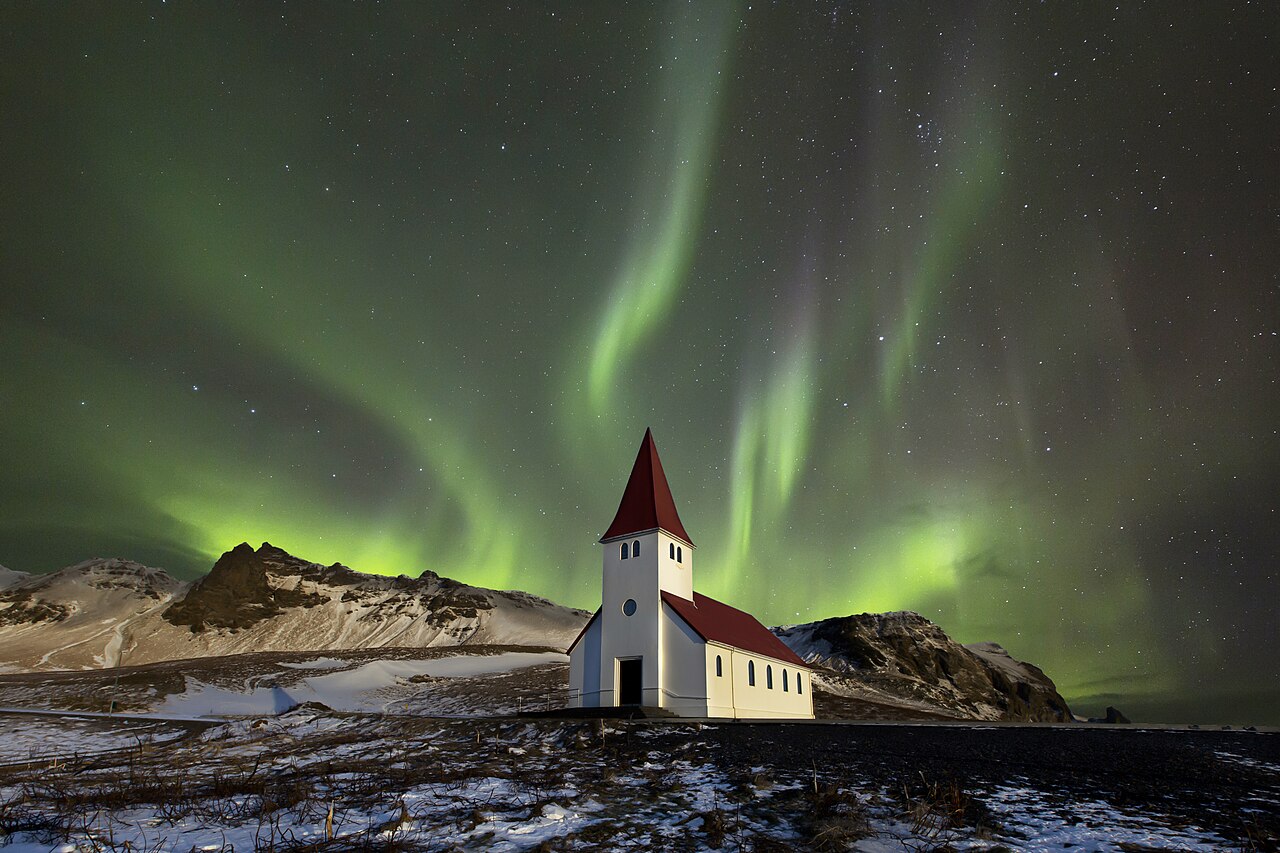
| Winter | October – April | Northern lights season, 0-5°C (colder in the north), 4-6 hours of daylight in December. Ice caves open (Nov-Mar). Some roads closed, especially in the north. Lowest prices November and February. |
Our recommendation: June-July for first-timers who want the full experience — midnight sun, puffins, all roads open, and the most flexibility. September-October for budget-conscious travelers who want a chance at northern lights with reasonable daylight. See our weather-smart travel planning guide for more on timing around seasons.
Midnight sun vs northern lights — you can't have both. The midnight sun (late May to late July) means near-constant daylight, which is incredible for driving and sightseeing but eliminates any chance of seeing the aurora. Northern lights require darkness, so September through March is your window. Plan your trip around which phenomenon matters more to you.
How Much Iceland Costs (Realistic Daily Budget)
Iceland is one of the most expensive travel destinations in the world. Food and accommodation are the biggest costs — a basic restaurant meal costs what a nice dinner costs in most European capitals. Here's what daily spending looks like per person:
Budget: $150-200/day
- Sleep: Hostels ($40-70) or campsites ($15-25 per person, tent or campervan)
- Eat: Grocery store meals (buy at Bonus or Kronan — budget $25-35/day), hot dogs from Baejarins Beztu ($5), gas station food
- Get around: Rental car split between travelers ($40-60/person/day including fuel and insurance)
- Do: Free natural attractions (waterfalls, geysers, beaches), skip the paid hot springs
Mid-range: $250-350/day
- Sleep: Guesthouses or farm stays ($120-200 for a double room)
- Eat: Mix of grocery meals and casual restaurants ($50-70/day). A burger and beer at a restaurant runs $30-40.
- Get around: Rental car ($80-120/day including CDW insurance and fuel). 4WD adds $30-50/day.
- Do: Blue Lagoon or Sky Lagoon ($70-90), glacier walk ($90-120), whale watching ($80-100)
Luxury: $500+/day
- Sleep: Boutique hotels like the Retreat at Blue Lagoon ($500+), ION Adventure Hotel, or Deplar Farm
- Eat: Fine dining in Reykjavik (Dill, Grillid — $100-150/person), private dining experiences
- Get around: Luxury 4WD rental, private guides, helicopter transfers
- Do: Private glacier tours, superjeep highland excursions, private hot spring access
The big cost-saving move is groceries. A meal at even a casual restaurant costs $25-40 per person. A full day of grocery store food (bread, cheese, skyr, soup, pasta) runs $15-25. Most guesthouses and hostels have kitchens. The price gap between eating out and cooking in Iceland is larger than almost anywhere else.
You can generate an Iceland itinerary with your specific budget and see the full cost breakdown before you go.
How to Get Around Iceland
Rental Car: Essential Outside Reykjavik
A rental car is the only practical way to explore Iceland beyond Reykjavik. Public buses exist but run infrequently outside the capital, and most natural attractions have no bus service.
What to rent:
- Summer, Ring Road only (Route 1): A 2WD compact car is fine. Route 1 is fully paved.
- Summer, highlands/F-roads: 4WD is legally required on F-roads. No exceptions — your insurance is void on F-roads without a 4WD.
- Winter (any route): 4WD strongly recommended. Roads can be icy, snow-covered, and wind-battered. Studded tires are available October-April.
Key driving tips:
- Speed limit is 90 km/h on highways, 50 km/h in towns, 30 km/h in residential areas.
- Single-lane bridges are common — the car closer to the bridge has right of way. Flash your lights to signal.
- Wind is the real danger, not ice. Car doors can be ripped off by gusts. Always hold your door when opening.
- Fuel stations can be 200+ km apart in remote areas. Fill up whenever you see a station.
- Check road conditions daily at road.is — roads close frequently due to weather and can change within hours.
Rental costs (summer 2026):
| Vehicle type | Daily rate | Notes |
|---|---|---|
| Compact 2WD | $60-90 | Fine for Ring Road in summer |
| Mid-size SUV 4WD | $100-160 | Recommended for winter and flexibility |
| Campervan | $150-250 | Saves on accommodation, campsite fees ~$15/night |
Book your rental car 2-3 months ahead for summer. Demand exceeds supply in June-August, and prices spike for last-minute bookings. Major agencies: Blue Car Rental, Lotus Car Rental, Go Car Rental (local companies are often cheaper than Hertz/Avis).
Day Tours from Reykjavik
If you don't want to drive, guided day tours cover the Golden Circle, South Coast, and Snaefellsnes Peninsula from Reykjavik. Expect $100-200 per person per tour. This works for 3-4 day trips but becomes expensive and limiting for longer stays.
Sample Itineraries
3-4 Days: Reykjavik + Golden Circle + South Coast
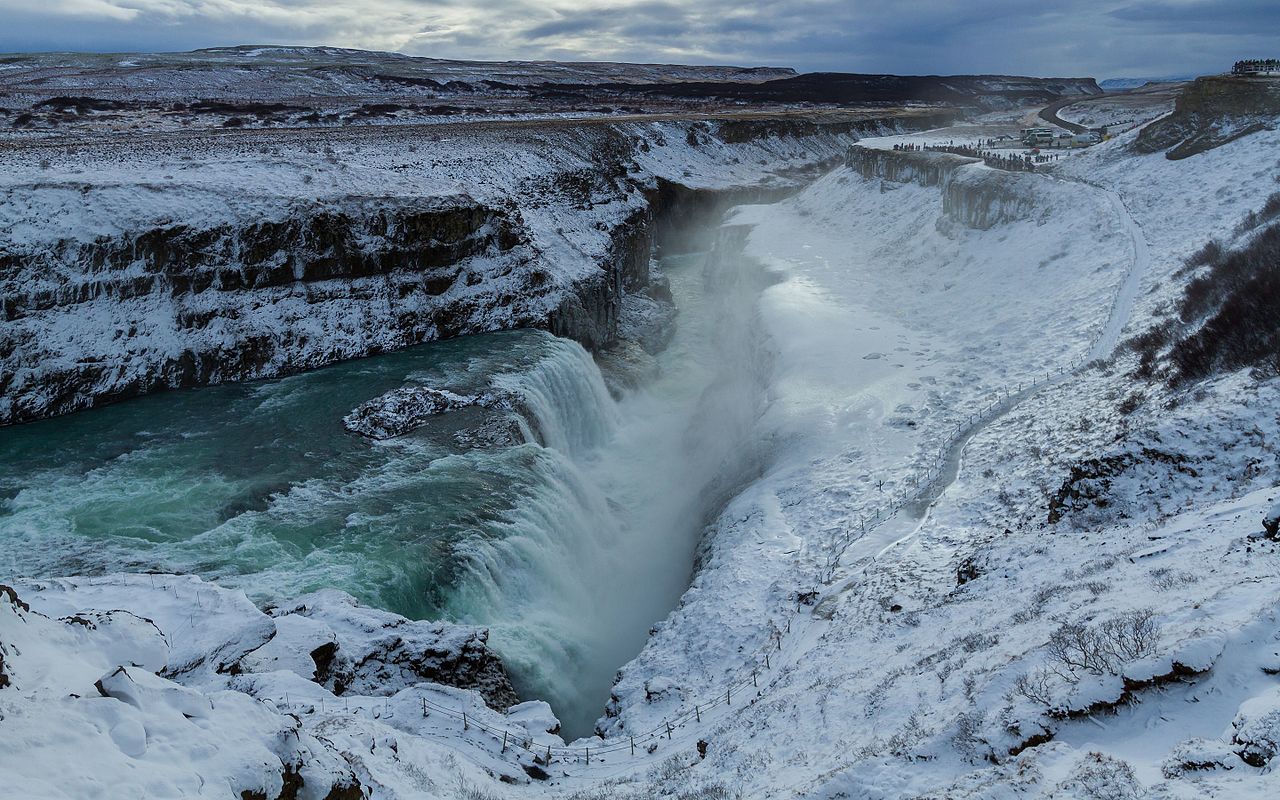
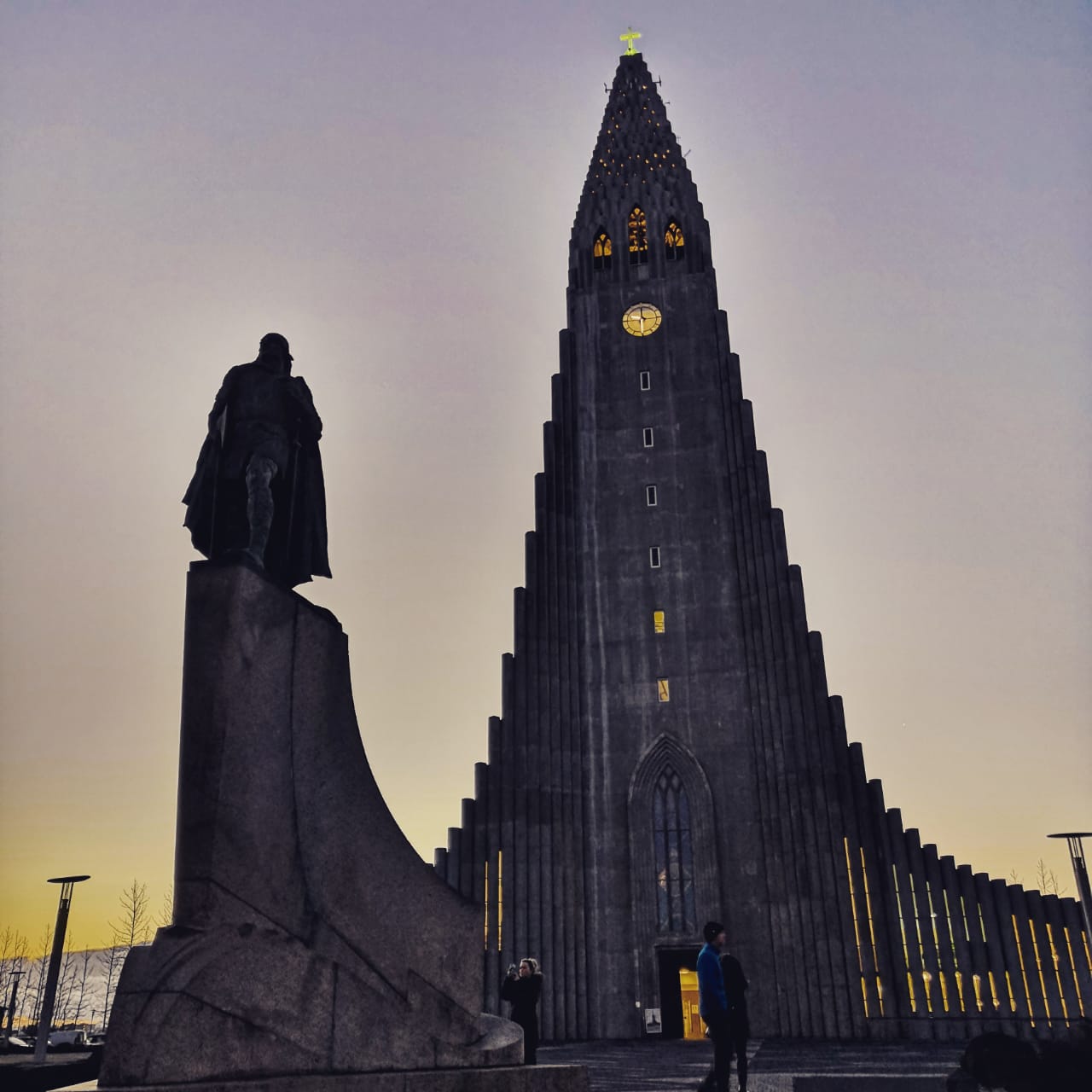
This is the most popular short itinerary. Day 1 in Reykjavik (Hallgrimskirkja, Harpa, downtown food scene). Day 2 drives the Golden Circle (Thingvellir National Park, Strokkur geyser, Gullfoss waterfall). Days 3-4 along the South Coast (Seljalandsfoss and Skogafoss waterfalls, Reynisfjara black sand beach, Vik, and optionally Jokulsarlon glacier lagoon if you push further east).
This itinerary works as either a self-drive or as guided day tours from Reykjavik.
7 Days: South Coast + Golden Circle + Snaefellsnes
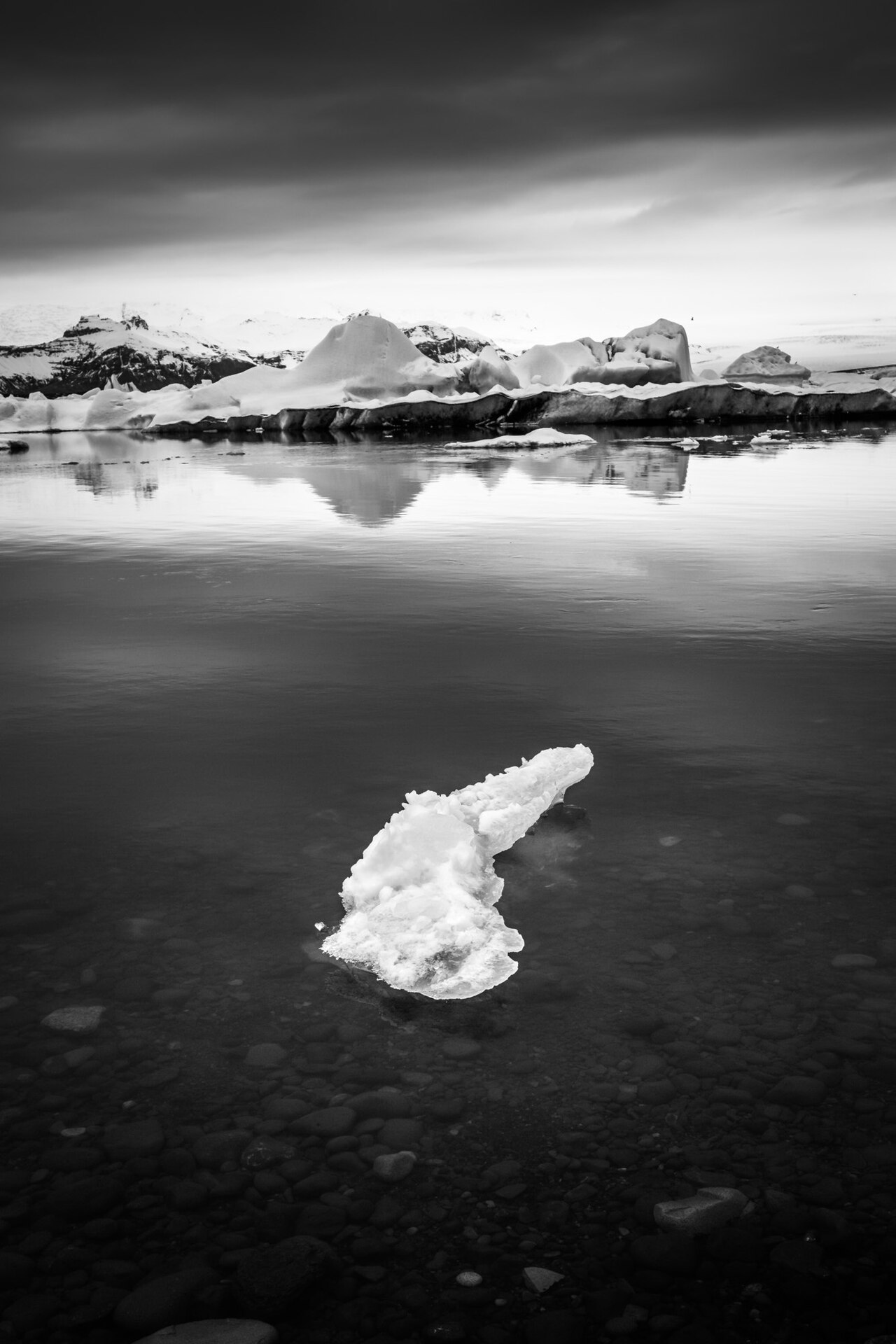
Seven days lets you go deeper on the South Coast — all the way to Jokulsarlon glacier lagoon and Diamond Beach — and add the Snaefellsnes Peninsula (Kirkjufell mountain, lava fields, coastal cliffs, Snaefellsjokull glacier). Alternatively, you can do a fast Ring Road loop, but you'll spend a lot of time driving (the full Ring Road is ~1,300 km).
Suggested 7-day route:
- Day 1: Reykjavik
- Day 2: Golden Circle (Thingvellir, Geysir, Gullfoss)
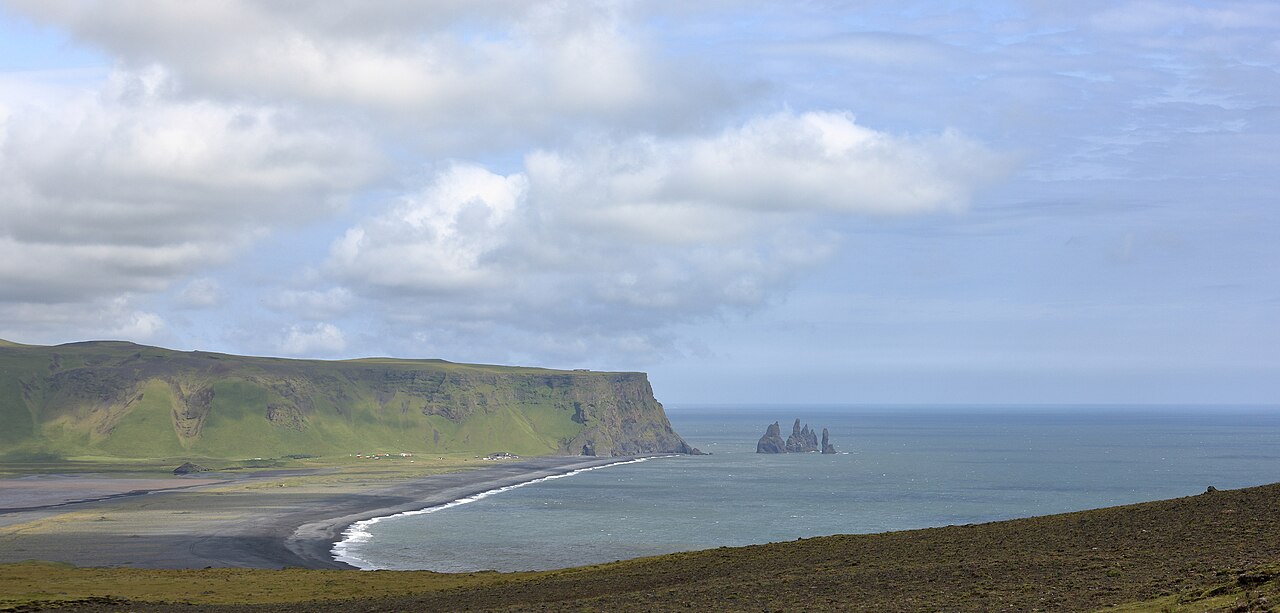
- Day 3: South Coast (Seljalandsfoss, Skogafoss, Reynisfjara)
- Day 4: East to Jokulsarlon glacier lagoon + Diamond Beach
- Day 5: Glacier walk or ice cave tour, return west
- Day 6: Snaefellsnes Peninsula
- Day 7: Reykjavik (Blue Lagoon, departure prep)
10-14 Days: The Full Ring Road
The Ring Road (Route 1) circles the entire island — 1,322 km. With 10-14 days, you can drive the full loop comfortably, spending time in areas most tourists skip: the Eastfjords (dramatic fjords, near-zero crowds), Myvatn in the north (volcanic landscapes, Myvatn Nature Baths — the less crowded alternative to the Blue Lagoon), Akureyri (Iceland's second city, whale watching from Husavik), and the Westfjords if you have 14 days (the most remote and least-visited region, rough gravel roads but stunning cliffs and Dynjandi waterfall).
Multi-day Iceland road trips are where an AI-generated itinerary helps most — it calculates driving distances between stops, finds accommodation in remote areas, and paces the trip so you're not driving 6 hours every day.
Family Travel with Kids
Iceland is a natural playground for kids — geysers that erupt on schedule, waterfalls you can walk behind, and landscapes that look like another planet. The country is extremely safe, and Icelanders are welcoming to families. Budget +40-50% over mid-range for a family of 4 (larger vehicle, more accommodation space, activity costs).
Kid-friendly highlights:
| Activity | Location | Cost (adult/child) | Best for |
|---|---|---|---|
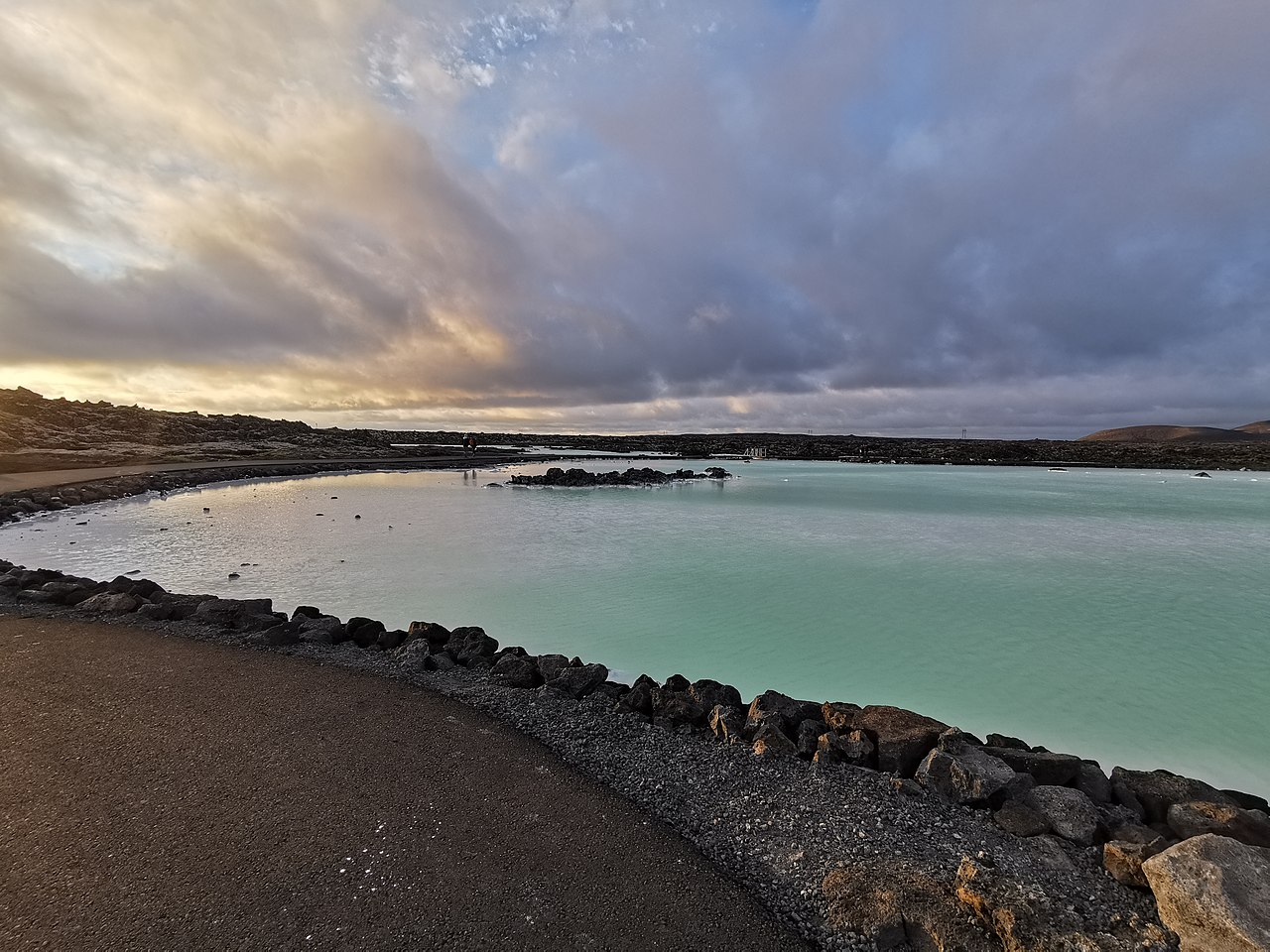
| Blue Lagoon | Reykjanes Peninsula | ~$85 / Free (under 2), $45 (2-13) | All ages, warm geothermal pool |
| Whale watching | Reykjavik or Husavik | ~$85 / $45 (7-15), Free (under 7) | Ages 5+, minke whales and dolphins |
| Puffin watching | Vestmannaeyjar or Husavik | ~$60 / $30 | June-August only, ages 4+ |
| Glacier walk | Solheimajokull or Skaftafell | ~$90-120 / Not available (min age 8-10) | Ages 10+, crampons and ice axes |
| Perlan Museum | Reykjavik | ~$30 / $15 (6-17) | Ages 5+, indoor ice cave and planetarium |
| Lava Centre | Hvolsvollur | ~$30 / $15 | Ages 6+, interactive volcano exhibit |
Kid-friendly activities by area:
- Reykjavik: Perlan Museum (artificial ice cave, planetarium shows), Whales of Iceland museum (life-size whale models, kids love it), Reykjavik Zoo (Icelandic animals, seals, play areas), Laugardalslaug thermal pool (water slides, hot pots, $10/person)
- Golden Circle: Strokkur geyser (erupts every 5-8 minutes — mesmerizing for kids), Thingvellir (walking between tectonic plates), Secret Lagoon in Fludir (smaller, more relaxed hot spring, $25/adult)
- South Coast: Walking behind Seljalandsfoss waterfall (bring rain gear), Reynisfjara black sand beach (watch from a safe distance — sneaker waves are dangerous), Jokulsarlon boat tour among icebergs ($45/adult, $20/child)
- North Iceland: Husavik whale watching (the whale capital of Iceland), Myvatn Nature Baths (less crowded than Blue Lagoon, $45/adult), Godafoss waterfall
Family logistics:
- Age minimums matter. Glacier walks require ages 8-10+. Snorkeling at Silfra requires age 12+. Ice cave tours vary by operator (usually 8+). Check before booking.
- Wind and weather protection is essential for kids. Bring waterproof outer layers, warm base layers, and good boots. Weather changes rapidly.
- Driving distances are long. Bring entertainment for the car. Many stretches have no cell service.
- Most guesthouses offer family rooms or connected rooms. Book ahead in summer — options are limited outside Reykjavik.
- Grocery stores stock everything you need for kids, but selection is smaller than mainland Europe. Stock up in Reykjavik at Bonus or Kronan before heading into rural areas.
What to Book Ahead (and What to Skip)
Book Ahead
- Rental car — Book 2-3 months ahead for summer. Demand regularly exceeds supply in June-August.
- Blue Lagoon or Sky Lagoon — Timed entry, sells out 1-2 weeks ahead in summer. Book as soon as you have your dates.
- Glacier walks — Limited group sizes (12-16 people). Popular time slots sell out weeks ahead in summer.
- Ice cave tours — Available November to March only. Book 2-4 weeks ahead.
- Whale watching — Especially from Husavik. Summer slots fill up fast.
- Accommodation outside Reykjavik — Towns along the Ring Road have limited options. In summer, guesthouses and hotels fill up completely. Book 1-2 months ahead.
- Northern lights tours — If you're not driving yourself, guided tours book up during peak aurora season (October-February).
Don't Bother Booking
- Golden Circle — Self-drive, no entrance fees or tickets required.
- Waterfalls — All free, no tickets. Seljalandsfoss, Skogafoss, Gullfoss, Godafoss — just show up.
- Reykjavik restaurants — Walk-in culture. Even popular spots like Baejarins Beztu (hot dog stand) just have a queue.
- Hot pots and public pools — Pay at the door. Reykjavik's municipal pools ($10) never need reservations.
- Gas stations — Self-service, pay by card. No planning needed, just fill up when you see one.
Practical Tips
Visa and Entry
US, UK, Canadian, and Australian passport holders get 90-day visa-free entry to Iceland (part of the Schengen Area). Starting in 2026, non-EU travelers will need ETIAS authorization (€7 online application, valid for 3 years). Check travel-europe.europa.eu/etias for the latest launch date.
Keflavik Airport (KEF) is the only international airport and is located 50 minutes from Reykjavik. There is no visa-on-arrival hassle — Schengen passport control is quick.
Money
- Iceland is nearly cashless. Credit and debit cards (Visa/Mastercard) work everywhere — gas stations, hot dog stands, remote guesthouses, even public toilets. You can travel the entire country without touching cash.
- Icelandic krona (ISK) is the currency. As of early 2026, 1 USD is roughly 135-140 ISK. Prices are listed in ISK but your card handles the conversion.
- No tipping culture. Service charges are included in prices. Tipping is not expected anywhere.
- PIN required. Automated gas stations (unmanned, common in rural areas) require a 4-digit PIN. Make sure your credit card has one set up before you arrive.
Connectivity
- Cell coverage is good along Route 1 and in populated areas. The highlands and interior have no coverage at all.
- Buy a local SIM at the airport from Siminn or Vodafone (~$25 for 10GB). Better coverage than roaming on your home carrier.
- eSIM works well — Airalo and Holafly offer Iceland plans from $10-15.
- Download offline maps (Google Maps or maps.me) before heading out of Reykjavik. You will lose signal on parts of the Ring Road, especially in the Eastfjords and between Vik and Hofn.
Food Etiquette
- Eating out is expensive. A basic burger and beer costs $30-40. A sit-down dinner for two with wine runs $100-150 easily.
- Cook when you can. Bonus and Kronan are the cheapest grocery chains. Stock up in Reykjavik before your road trip. Most accommodations have kitchens.
- Must-try foods: Icelandic lamb soup (kjotsupa, ~$15-20 at cafes, hearty and warming), pylsur (hot dogs with crispy onions and remoulade, ~$5), skyr (Icelandic yogurt, cheap at any grocery store), fresh fish at harbor restaurants.
- Controversial foods: Fermented shark (hakarl) is available at Reykjavik's flea market. Try a small piece for the experience — most visitors don't order seconds.
- Tap water is excellent. Iceland's tap water comes from glacial springs and is some of the cleanest in the world. Don't buy bottled water — it's the same thing at 10x the price. Hot tap water may smell of sulfur (geothermal heating) but is safe.
- Alcohol is expensive. A beer at a bar is $10-14. Buy alcohol at Vinbudin (state liquor stores) or duty-free at Keflavik Airport on arrival — this is a common and recommended strategy.
Getting From the Airport
- Keflavik Airport (KEF): 50 km (45-50 min) from Reykjavik. Flybus ($25 one-way, drops at BSI bus terminal or hotels), Airport Direct ($25, hotel pickup option), or pick up your rental car directly at the airport (most efficient if road-tripping immediately).
- Taxi to Reykjavik is ~$150-180 — not worth it unless splitting among 4+ people.
- Blue Lagoon is between the airport and Reykjavik (20 min from KEF). Many travelers visit on arrival or departure day. Flybus offers a Blue Lagoon transfer option.
Common Mistakes
- Underestimating driving times. The map says 5 hours but doesn't account for single-lane roads, stops at every waterfall, sheep crossings, and wind that slows you down. Add 30-50% to Google Maps estimates for Iceland.
- Skipping rental car insurance. Iceland's gravel roads, sandstorms, and wind mean damage is common. CDW (Collision Damage Waiver) and SAAP (Sand and Ash Protection) are not optional — they're essential. Gravel damage is the most common rental claim in Iceland.
- Trying to do the Ring Road in 5 days. You can technically drive 1,322 km in 5 days, but you'll spend all your time in the car. Seven days is a fast but doable loop. Ten days lets you actually enjoy it.
- Going to Reynisfjara beach without respecting the waves. Sneaker waves at this black sand beach are genuinely dangerous — they surge far up the beach without warning. People die here every year. Stay well back from the waterline.
- Not checking road conditions. Check road.is and vedur.is every morning. Roads close without notice due to snow, flooding, or wind. Ignoring closures can get you stranded or worse.
More Destination Guides

- How to Plan a Trip to Switzerland — Swiss Alps, scenic trains, and budget tips
- How to Plan a Trip to Greece — Athens, Santorini, Crete, and island-hopping
- Best Free AI Travel Planners (2026) — 7 tools compared side by side
Build Your Iceland Itinerary
The fastest way to plan is to answer 8 questions about your trip and get a complete day-by-day itinerary with costs, maps, hotel recommendations, and a food guide. It takes about 60 seconds.
Or browse our ready-made Iceland itineraries:
- Iceland itineraries — curated routes for the Golden Circle, South Coast, and Ring Road
Written by
Mango
Photos from Wikimedia Commons, used under Creative Commons licenses
Popular Itineraries
Hand-crafted day-by-day travel plans
Japan
7-day itinerary
Tokyo, Kyoto & Osaka
Paris
5-day itinerary
Perfect for couples
Bali
7-day itinerary
Temples, rice fields & beaches
Italy
10-day itinerary
The Italian grand tour
Want More Travel Tips?
Browse our collection of travel guides, tips, and inspiration for your next adventure.