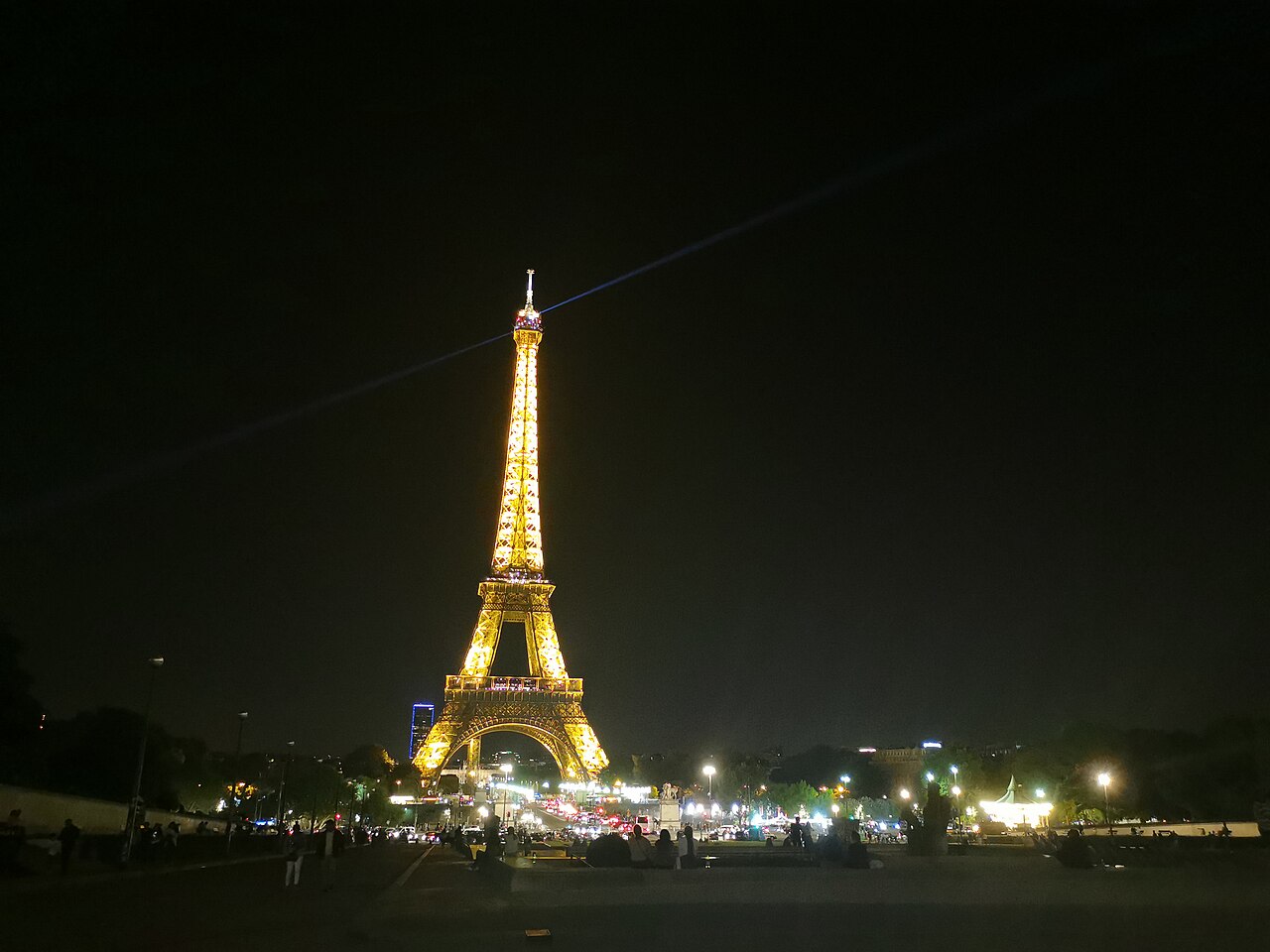
France is the most visited country in the world for good reason — no other destination packs this much variety into one trip. Paris alone could fill two weeks, but the country beyond the capital is where France really opens up: lavender fields in Provence, cliffside villages on the Riviera, medieval castles in the Loire, and the D-Day beaches of Normandy. Planning well means you can see more of it without rushing.
When to Go
France stretches from the English Channel to the Mediterranean, so conditions vary by region.
| Season | Months | What to expect |
|---|---|---|
| Spring | April – June | Best overall. Warm (16-25°C), gardens in bloom, outdoor café season begins. Provence lavender peaks in late June. |
| Summer | July – August | Peak prices and crowds. Hot in the south (35°C+). Beach season on the Riviera. Paris empties of locals but fills with tourists. |
| Fall | September – October | Second-best season. Warm in the south, grape harvest in Bordeaux and Burgundy. Fewer crowds, lower prices. |
| Winter | November – February | Cold and gray in the north (5-10°C). Mild on the Riviera (10-15°C). Cheapest flights and hotels. Christmas markets in Alsace are a highlight. |
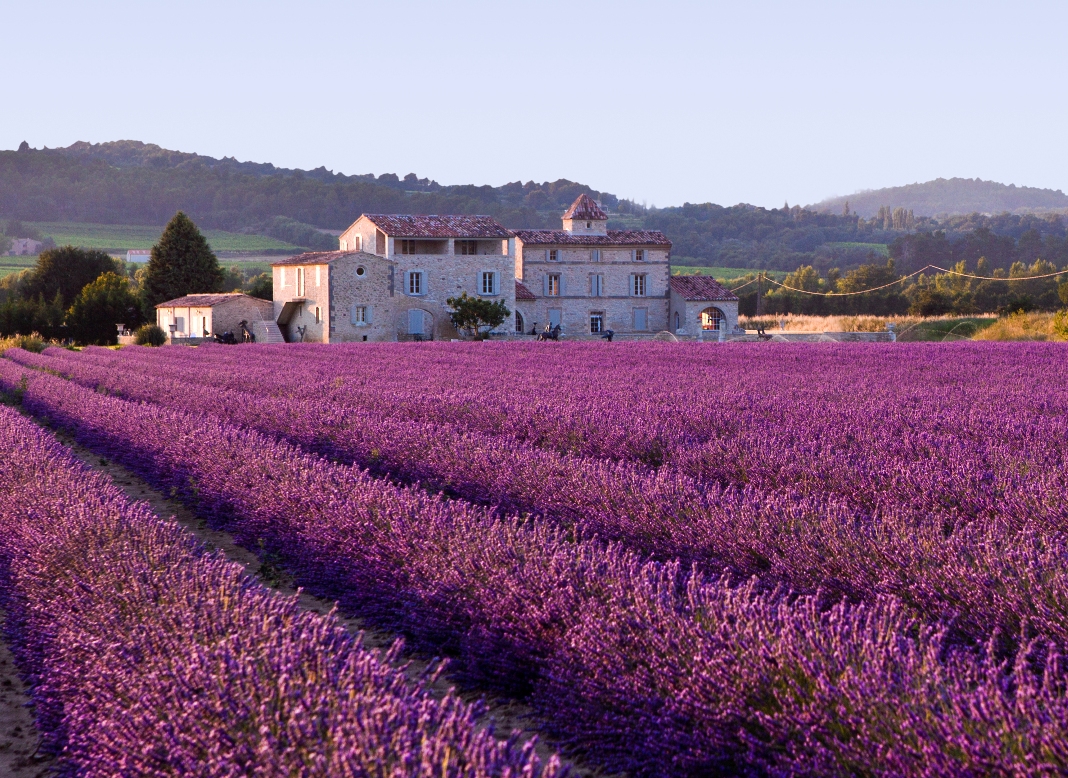
Our recommendation: Mid-May to late June or September. You get the best of everything — warm weather, long daylight hours, and prices below peak summer. Late June in Provence catches the lavender bloom. See our weather-smart travel planning guide for more on shoulder-season timing.
How Much France Costs (Realistic Daily Budget)
France has a wide cost range. Paris is expensive by any standard, but the provinces are surprisingly affordable. The key to eating well cheaply is lunch — French restaurants offer set menus (formules) at lunch for half the dinner price.
Budget: €80-120/day
- Sleep: Hostels (€25-45 in Paris, €20-30 outside) or budget hotels (€50-80)
- Eat: Bakery breakfast — croissant and coffee (€3-5), formule lunch at a bistro (€12-18), crêpe or kebab for dinner (€6-10), supermarket picnics
- Get around: Metro and buses (€2.15 per ride in Paris), walk between nearby spots
- Do: Free museum days (first Sunday of the month), parks, neighborhood walks, free church visits (Notre-Dame exterior, Sacré-Coeur)
Mid-range: €150-250/day
- Sleep: 3-star hotels (€90-160 in Paris, €60-120 outside)
- Eat: Café breakfast (€8-12), bistro lunch with wine (€18-30), restaurant dinner (€30-50)
- Get around: TGV for intercity, metro and buses locally, occasional taxi
- Do: Paris Museum Pass (€62 for 4 days, covers 50+ museums), guided tours (€30-60), wine tastings (€20-40)
Luxury: €350+/day
- Sleep: 4-5 star hotels (€250-600), château stays in the Loire
- Eat: Michelin-starred restaurants (€100-300), private wine tours in Bordeaux or Champagne
- Get around: First-class TGV, private drivers
- Do: Private museum tours, hot air balloon over the Loire, yacht charter on the Riviera
The big variable is Paris vs. everywhere else. A mid-range hotel room in Paris costs €120-160; the same quality in Lyon, Avignon, or Bayeux costs €60-100. Plan to spend more days outside Paris if you're budget-conscious.
You can generate a France itinerary with your specific budget and see the full cost breakdown before you go.
How to Get Around France
Between Cities: TGV High-Speed Trains
France's TGV network fans out from Paris to every corner of the country. Trains are fast, comfortable, and punctual. Key routes:
| Route | Time | One-way cost |
|---|---|---|
| Paris → Lyon | 2h | €25-90 |
| Paris → Marseille | 3h 15min | €35-110 |
| Paris → Bordeaux | 2h 10min | €30-100 |
| Paris → Nice | 5h 30min | €40-130 |
| Paris → Strasbourg | 1h 50min | €25-80 |
Book Early on SNCF Connect
SNCF (France's rail operator) releases tickets 3-4 months ahead. Early-bird fares are dramatically cheaper. Ouigo is SNCF's budget TGV service — Paris to Lyon for as low as €19, but you depart from suburban stations and bags cost extra.
France Rail Pass: Gives you 3, 4, 5, 6, or 8 travel days within a month. A 4-day pass costs around €220. Worth it if you're making 3+ intercity trips and want flexibility. Not worth it if you can book Ouigo fares ahead of time.
Within Paris: Metro + Walking
The Paris Métro is one of the best urban transit systems in the world. A carnet of 10 tickets costs €16.90 (€1.69/ride). The Navigo Easy card is a rechargeable contactless card — tap and go.
Paris is a walking city. Most neighborhoods are 15-30 minutes apart on foot. The walk from the Marais to Notre-Dame to Saint-Germain-des-Prés is one of the best urban walks in the world — and it's free.
Renting a Car
You don't need a car for Paris, Lyon, or any major city. A car is useful for Provence (hilltop villages), the Loire Valley (castles are spread out), Normandy (D-Day beaches), and the Riviera (coastal roads). Tolls on autoroutes add up — budget €20-50/day for tolls on long drives. Gas runs about €1.70-1.90/liter.
Sample Itineraries
3-5 Days: Paris
Three days covers the essentials: Eiffel Tower, Louvre (pick 2-3 sections, not the whole thing), Montmartre and Sacré-Coeur, the Marais neighborhood, and a Seine river walk. Add a fourth day for Versailles (half-day trip, 40 minutes by RER train) and a fifth for Musée d'Orsay + Saint-Germain-des-Prés.
See our 5-day Paris itinerary for a day-by-day plan with costs and maps.
7 Days: Paris + One Region
The most popular France trip. Four days in Paris, then pick one:
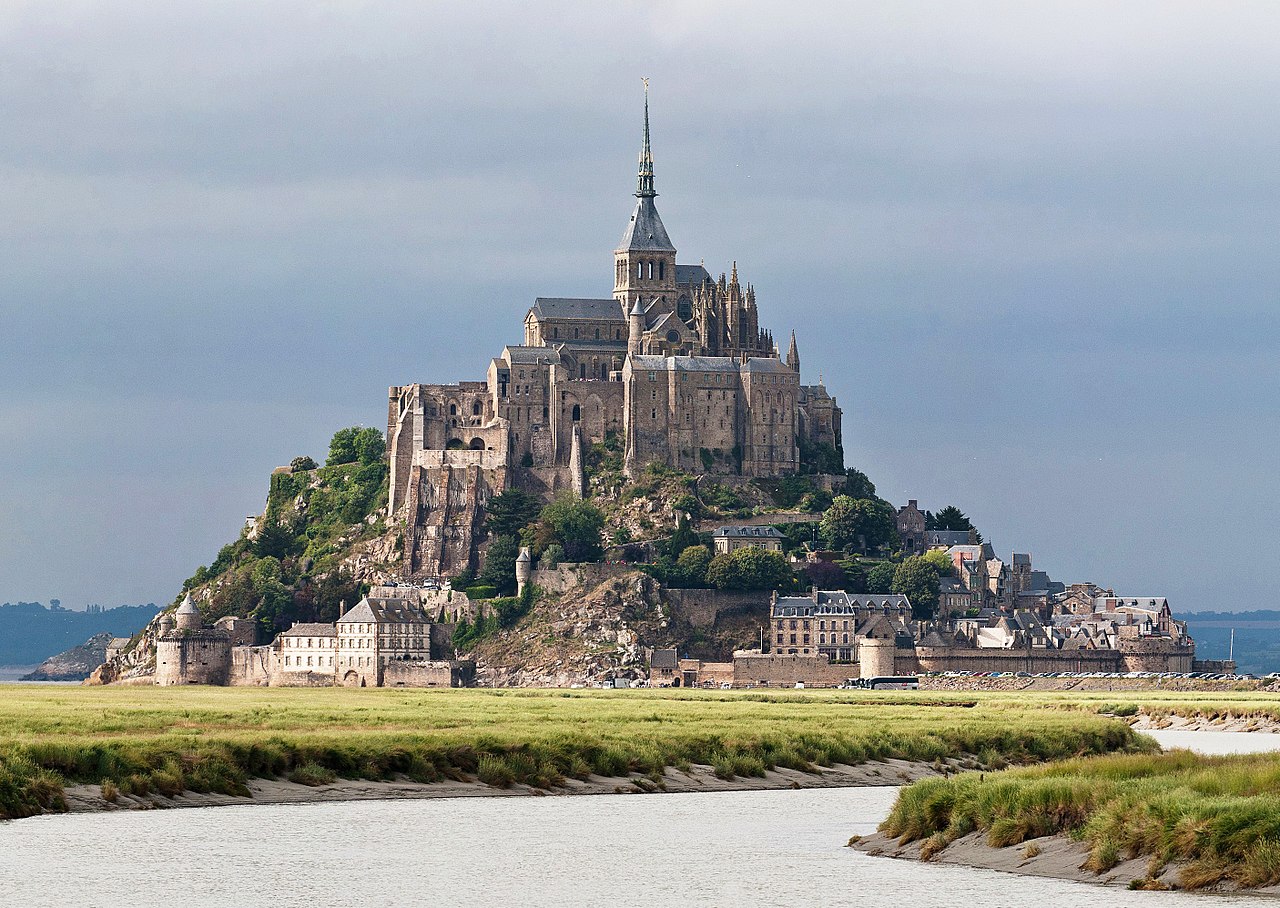
- Normandy (2-3 days): Train to Bayeux (2h), see the D-Day beaches, Mont Saint-Michel (day trip from Bayeux), and the Bayeux Tapestry.
- Loire Valley (2-3 days): Train to Tours or Amboise (1h), rent a car or join tours to Chambord, Chenonceau, and Villandry castles.
- Provence (2-3 days): TGV to Avignon (2h 40min), visit the Pont du Gard, Arles, and lavender fields (June-July). Rent a car for the hilltop villages of Gordes and Roussillon.
Multi-city France trips are where an AI-generated itinerary helps most — it handles TGV schedules, hotel placement near stations, and pacing across regions.
10-14 Days: The Grand France Tour
With 10+ days, combine Paris with two or more regions. A classic route: Paris (4 days) → Loire Valley (2 days) → Bordeaux (2 days) → Provence (2 days) → French Riviera (2 days). The TGV connects all these cities, so you spend your time exploring, not in transit.
For wine lovers, 14 days lets you add Burgundy (Beaune, Dijon) and Champagne (Reims, Épernay) — both are easy TGV trips from Paris.
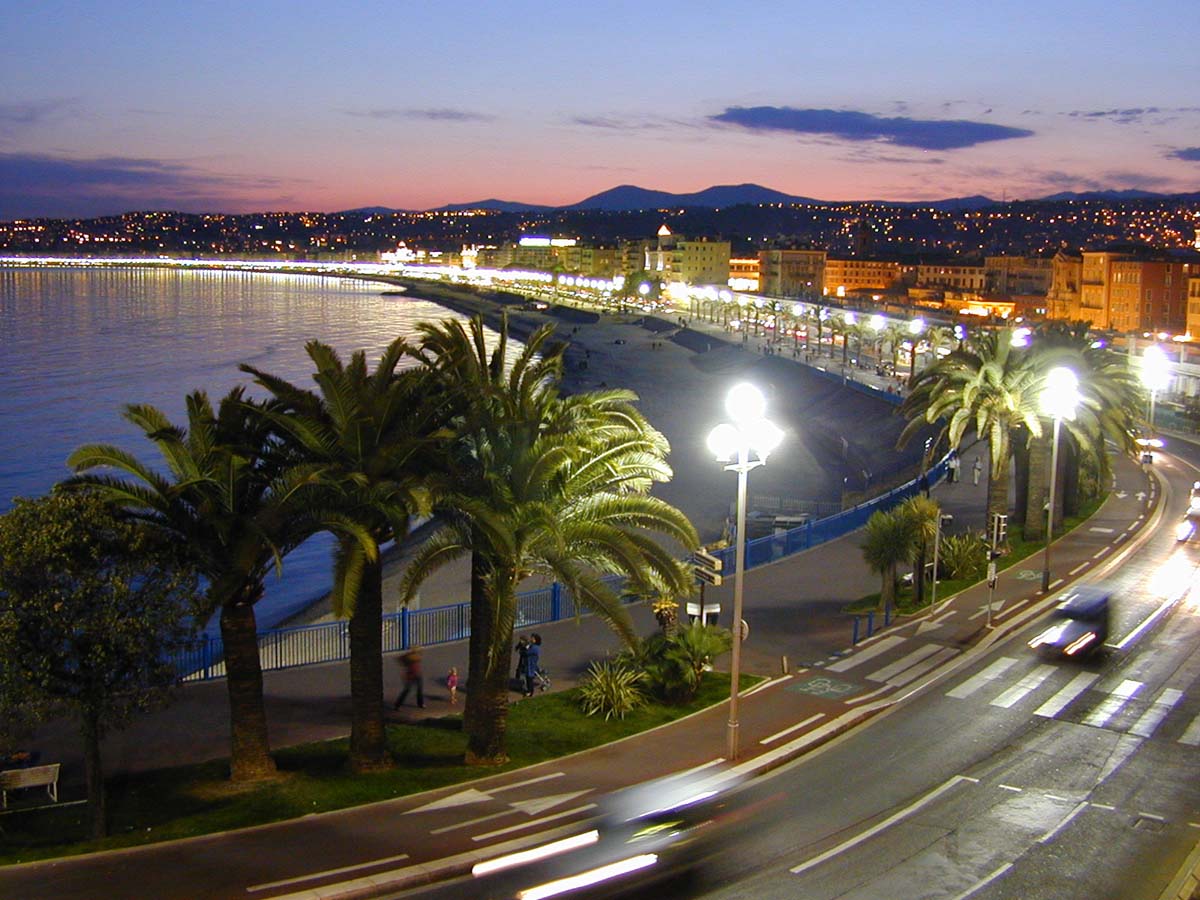
French Riviera highlight reel: Nice (2 days for the Old Town, Promenade des Anglais, and Matisse Museum), day trip to Monaco and Èze, day trip to Antibes or Cannes. The Riviera is best May-June or September — July-August is overcrowded and overpriced.
Family Travel with Kids
France is more family-friendly than its reputation suggests. Children are welcomed at restaurants (even nice ones), most major museums are free for under-18 EU residents and discounted for others, and the country offers everything from theme parks to castles to beaches.
Theme parks and major attractions:
| Attraction | Location | Tickets (adult/child) | Best for |
|---|---|---|---|
| Disneyland Paris | Marne-la-Vallée (40min from Paris) | ~€62/€57 (1 park), ~€87/€82 (2 parks) | Ages 3-12, classic Disney + Walt Disney Studios |
| Parc Astérix | Plailly (30min north of Paris) | ~€57/€49 | Ages 6+, roller coasters, Gallic humor |
| Futuroscope | Poitiers (1h 20min TGV from Paris) | ~€45/€37 | Ages 5+, immersive tech/science rides |
| Puy du Fou | Les Epesses (Vendée) | ~€46/€35 | Ages 6+, historical shows, no traditional rides |
Book Disneyland Paris tickets online for guaranteed entry. Weekdays are significantly less crowded than weekends. The park is a full day; Walt Disney Studios is a half-day.
Kid-friendly activities by region:
- Paris: Eiffel Tower (kids love the elevator ride, summit has glass floors), Jardin du Luxembourg (sailboat pond, puppet shows, playground), Cité des Sciences (interactive science museum, best in Paris for kids), Seine river cruise (Bateaux Mouches, 1h, kids ride free under 4), Jardin d'Acclimatation (amusement park in Bois de Boulogne)
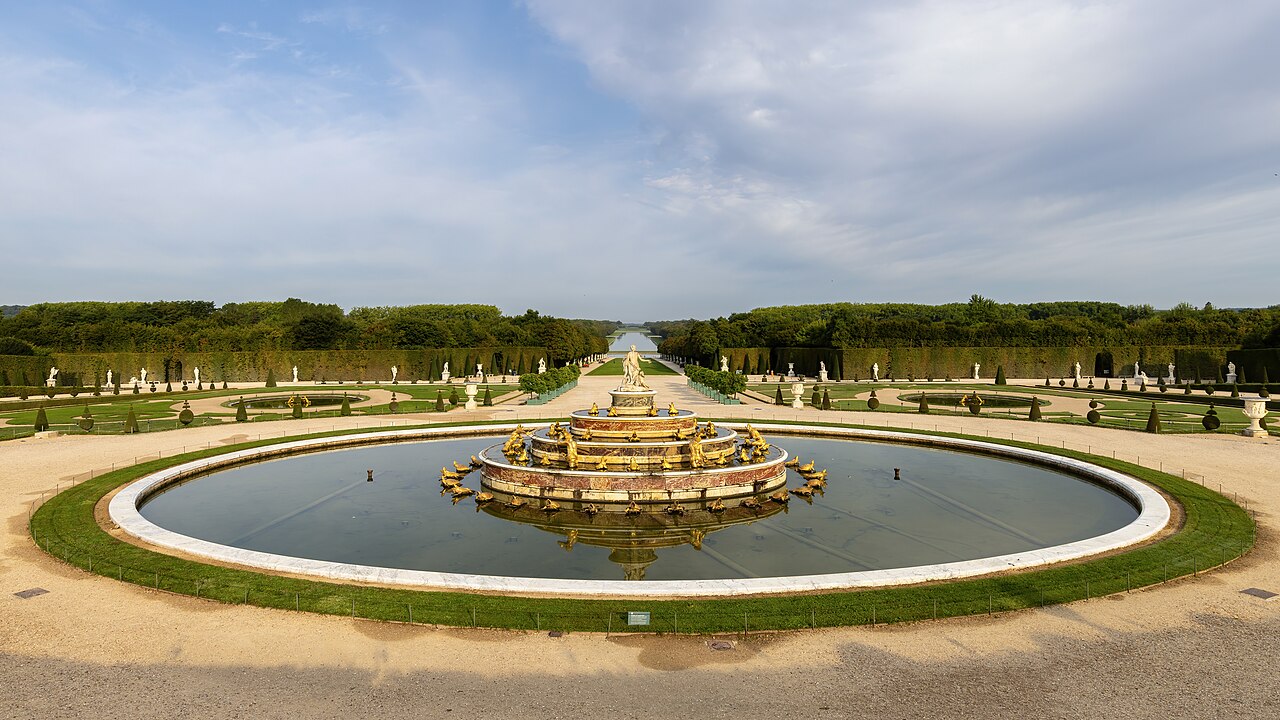
- Versailles: The palace interior loses young kids quickly, but the gardens are vast — rent a golf cart or rowboat on the Grand Canal. The Hamlet of Marie-Antoinette (mini farm village) works well for small children.
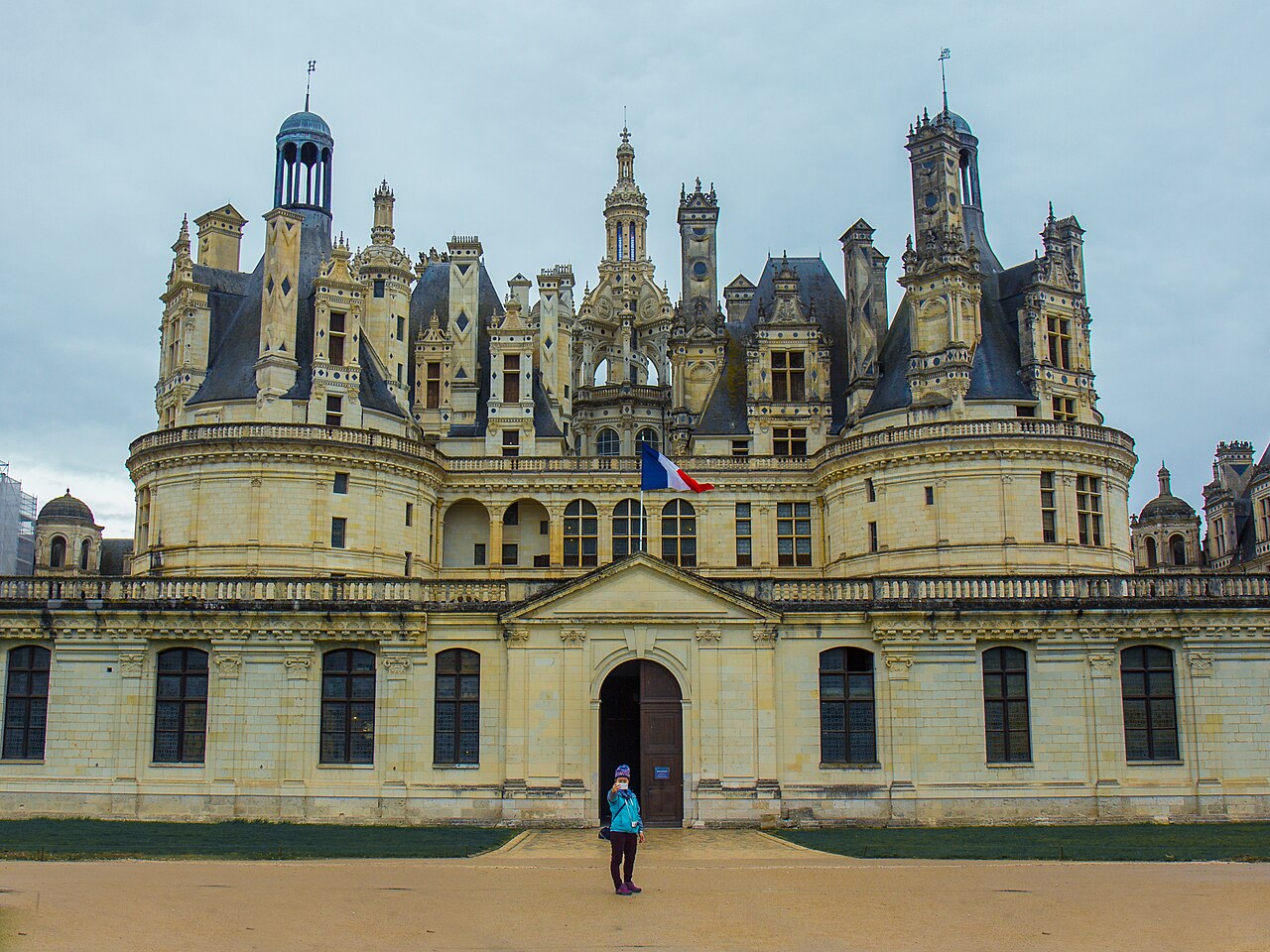
- Loire Valley: Château de Chambord (double-helix staircase, huge grounds to run), Château de Chenonceau (spanning a river, gardens), Château de Cheverny (Tintin exhibit, dog kennel visits). Many castles offer kids' activity booklets.
- Normandy: D-Day beaches and Caen Memorial (ages 10+), Mont Saint-Michel (the walk across the tidal flat is an adventure), Bayeux Tapestry (older kids)
- Provence/Riviera: Beaches along the Côte d'Azur (Antibes has calm family beaches), Pont du Gard (swimming below the Roman aqueduct in summer), Camargue (wild horses, flamingos, boat tours)
Family logistics:
- Most French restaurants offer a menu enfant (kids' menu) for €8-12 — typically steak haché (hamburger patty), frites, and a dessert.
- Supermarkets (Carrefour, Monoprix) stock baby food, diapers, and formula. Pharmacies (look for the green cross) carry specialty items.
- Paris Métro stations with elevators are marked on the RATP app. Not all stations are stroller-friendly — the RER and bus network are easier with a stroller.
- Hotels often charge €20-40 for an extra bed. Kids under 2 typically stay free in a cot.
What to Book Ahead (and What to Skip)
Book Ahead
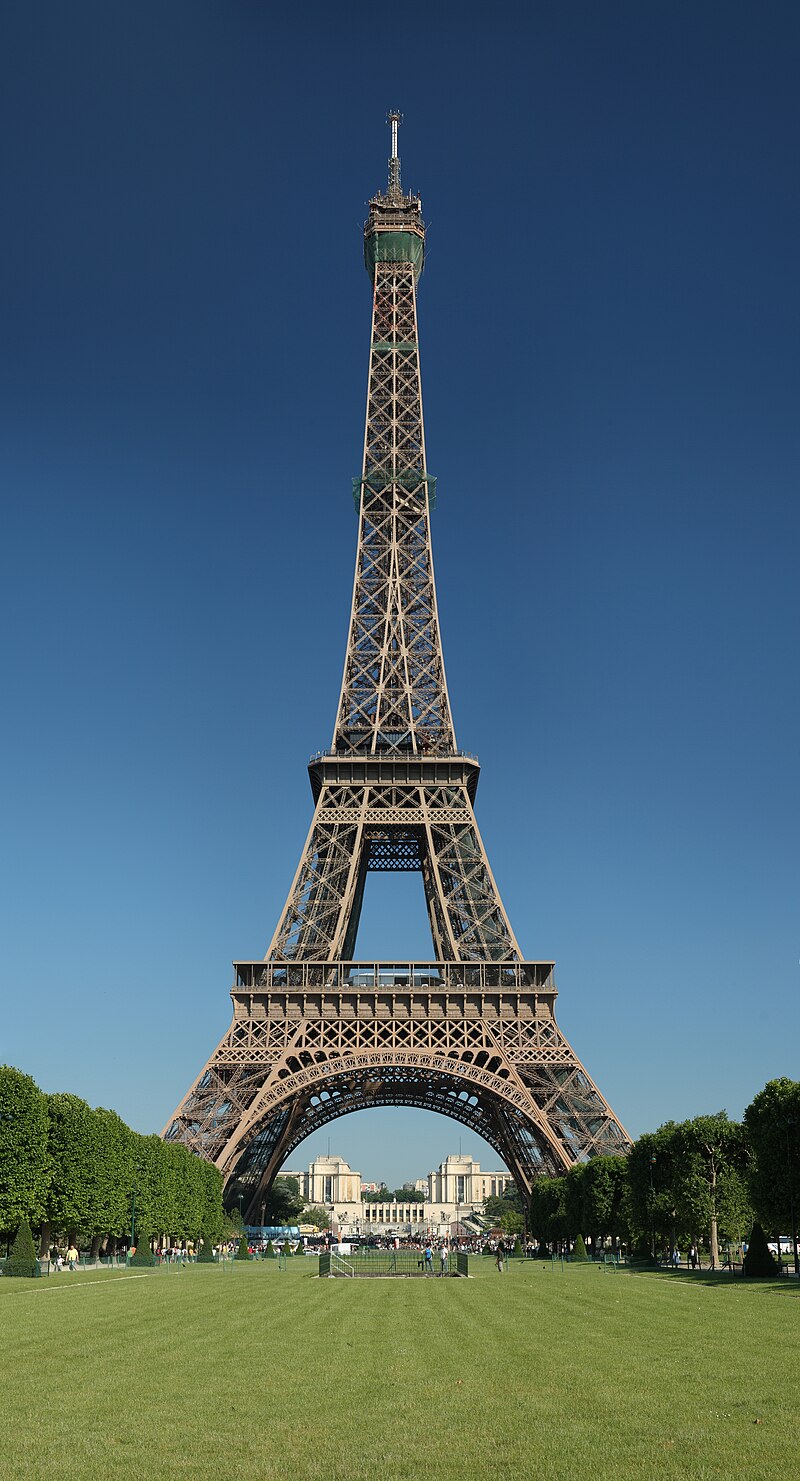
- Eiffel Tower summit tickets — Sell out 2-3 weeks ahead on the official site. If summit is sold out, buy second-floor tickets and upgrade in person (limited availability).
- Versailles — Buy timed-entry tickets online to skip the main queue. Go early (opening time) or after 3pm to avoid the worst crowds.
- Mont Saint-Michel accommodation — The island and causeway hotels are limited and fill up months ahead in summer. Alternatively, stay in Pontorson (10 min away) and take the shuttle.
- TGV trains — Book 3-4 months ahead on SNCF Connect for the best prices. Ouigo fares sell out fast.
- Popular Paris restaurants — Reservations are expected at sit-down restaurants. Bistros and brasseries are more flexible, but dinner on Friday/Saturday should be booked.
- Disneyland Paris — Buy tickets in advance for guaranteed entry and better pricing.
Don't Bother Booking
- The Louvre — Rarely sells out. Buy tickets online same-day or at the door. Go Wednesday or Friday evening (open late, fewer crowds) instead of booking weeks ahead.
- Most museums — The Paris Museum Pass gives skip-the-line access to 50+ museums. Buy it at any participating museum or tourist office.
- Bakeries, brasseries, and cafés — Walk-in culture. No reservations needed or accepted.
- Local transport — Buy Métro tickets at any station. No advance booking.
- Churches and cathedrals — Free entry at Notre-Dame (exterior and square), Sacré-Coeur, Sainte-Chapelle (small queue, buy ticket at door).
Practical Tips
Visa and Entry
France is in the Schengen Area. US, UK, Canadian, and Australian passport holders can stay 90 days within any 180-day period without a visa.
ETIAS (coming soon): The EU's travel authorization system will require non-EU visitors to register online before traveling (€7, valid 3 years). Check the latest status before booking — implementation has been delayed repeatedly.
What you need at entry: Valid passport (must not expire within 3 months of departure from Schengen), return ticket, and proof of accommodation. France's guideline for sufficient funds is €120/day, though this is rarely checked.
Money
- Cards are accepted almost everywhere. France is largely cashless — contactless payments work at restaurants, shops, metro ticket machines, and even market stalls. Visa and Mastercard are universal; Amex is less common.
- Carry €30-50 in cash for small purchases, public toilets (€0.50-1), and tipping.
- ATMs (distributeurs) are everywhere. Use bank ATMs, not independent ones in tourist areas (high fees).
- Tipping: Service is included in all French restaurant bills (service compris). Leaving €1-2 for good service at a café or rounding up at a restaurant is appreciated but not expected. Never feel obligated.
Connectivity
- EU roaming — European SIM cards work in France at no extra charge.
- eSIM or prepaid SIM — Buy at the airport or any tabac (tobacco shop). Orange, SFR, and Bouygues offer tourist plans with 20-50GB for €20-30.
- Free WiFi is available at most hotels, cafés, and McDonald's. Paris has free WiFi in many public parks and some metro stations.
Food Culture
- Meal times matter. Lunch is 12-2pm, dinner is 7:30-10pm. Many restaurants close between lunch and dinner (2:30-7pm). Arriving at 1:45pm for lunch risks being turned away.
- The formule/menu du jour is your best value. A 2-3 course set lunch at a bistro costs €14-22 — the same dishes ordered à la carte at dinner would be €30-40.
- Bakeries (boulangeries) are everywhere. A croissant (€1.20-1.50), pain au chocolat (€1.50-2), or baguette sandwich (€4-6) makes a cheap, excellent meal.
- Wine is cheaper than water. A glass of house wine at a bistro is €3-5. A bottle of decent wine at a supermarket is €5-8. France is not the place to skip wine.
- Markets are the best way to eat cheaply and well. Every town has a market at least once a week. In Paris, Rue Mouffetard, Marché d'Aligre, and Marché des Enfants Rouges are standouts.
For a full food guide (regional specialties, best neighborhoods, expected prices) and shopping guide, see our 5-day Paris itinerary — both guides are included in every itinerary we generate.
Getting From the Airport
- Paris Charles de Gaulle (CDG): RER B train to central Paris (50 min, €11.45). Roissybus to Opéra (60 min, €16.60). Taxi flat rate: €56 to Right Bank, €65 to Left Bank.
- Paris Orly (ORY): Orlybus to Denfert-Rochereau (30 min, €11.50). Orlyval + RER B (40 min, €14.10). Taxi flat rate: €37 to Left Bank, €44 to Right Bank.
- Nice Côte d'Azur (NCE): Tram Line 2 to city center (30 min, €1.70). Bus 98 to Old Town (35 min, €1.70). One of the most conveniently located airports in Europe.
- Lyon Saint-Exupéry (LYS): Rhônexpress tram to Part-Dieu station (30 min, €16.30 online).
- Marseille Provence (MRS): Navette bus to Gare Saint-Charles (25 min, €10).
Common Mistakes
- Trying to "do" the Louvre in one visit. The Louvre has 35,000 works on display. Pick 2-3 sections (or just the highlights: Mona Lisa, Venus de Milo, Winged Victory) and leave. Three hours is plenty.
- Eating near major monuments. The restaurants facing the Eiffel Tower, on the Champs-Élysées, or around Notre-Dame are tourist traps — bad food, high prices. Walk 10 minutes in any direction for better meals at half the price.
- Not saying bonjour. This is the number one cultural mistake. Always greet shop staff, waiters, and hotel receptionists with "bonjour" before saying anything else. Skipping it is considered rude and will get you worse service.
- Spending all your time in Paris. Paris is extraordinary, but France outside Paris is a different country — slower, cheaper, and in many ways more rewarding. Even adding 2-3 days in a second region transforms a trip.
- Underestimating Provence distances. The hilltop villages (Gordes, Roussillon, Bonnieux) are beautiful but spread out with no public transport between them. Rent a car or book a guided tour — don't plan to bus-hop.
More Destination Guides
- How to Plan a Trip to Italy — Rome, Florence, Venice, and the Amalfi Coast
- How to Plan a Trip to Spain — Barcelona, Madrid, and Andalusia
- How to Plan a Trip to Switzerland — Swiss Alps, scenic trains, and budget tips
- How to Plan a Trip: The Complete Guide — step-by-step planning for any destination
Build Your France Itinerary
The fastest way to plan is to answer 8 questions about your trip and get a complete day-by-day itinerary with costs, maps, hotel recommendations, and a food guide. It takes about 60 seconds.
Or browse our ready-made France itinerary:
- 5-day Paris itinerary — Eiffel Tower, Louvre, Montmartre, Versailles & more
Written by
Mango
Photos from Wikimedia Commons, used under Creative Commons licenses
Popular Itineraries
Hand-crafted day-by-day travel plans
Japan
7-day itinerary
Tokyo, Kyoto & Osaka
Paris
5-day itinerary
Perfect for couples
Bali
7-day itinerary
Temples, rice fields & beaches
Italy
10-day itinerary
The Italian grand tour
Want More Travel Tips?
Browse our collection of travel guides, tips, and inspiration for your next adventure.